

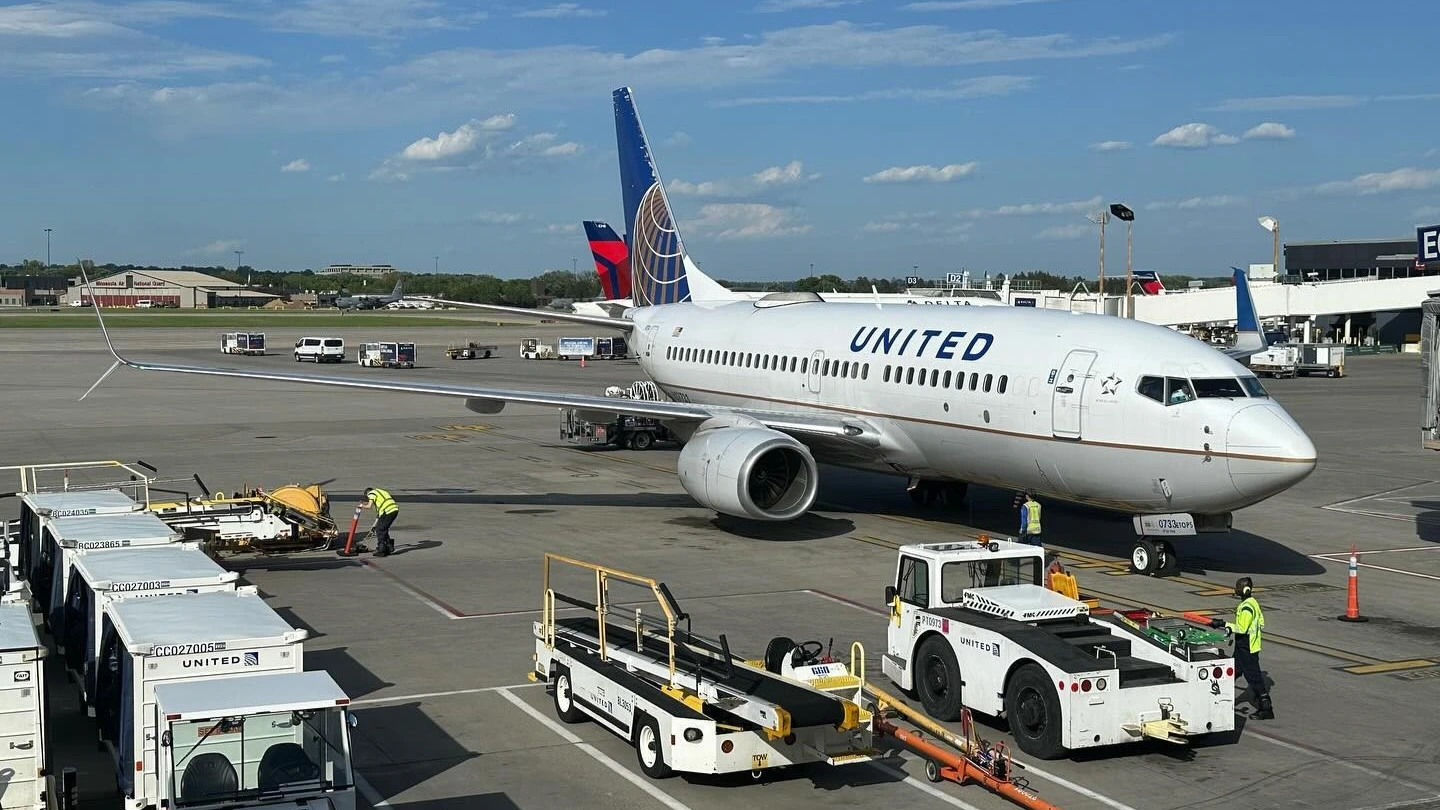
CHICAGO- United Airlines (UA) Pilot at Chicago O’Hare (ORD) declared “My Crew Is Done” and refused to push exhausted flight attendants beyond safe limits during severe Christmas holiday weather delays, forcing passengers to deplane for a replacement crew.
Passenger Becky Schmooke praised the captain’s leadership in prioritizing crew rest and safety over schedule pressure.
The captain’s firm stand against ground staff pushback highlighted true aviation leadership, earning public gratitude from a delayed passenger who recognized the decision protected everyone by avoiding a fatigued crew.
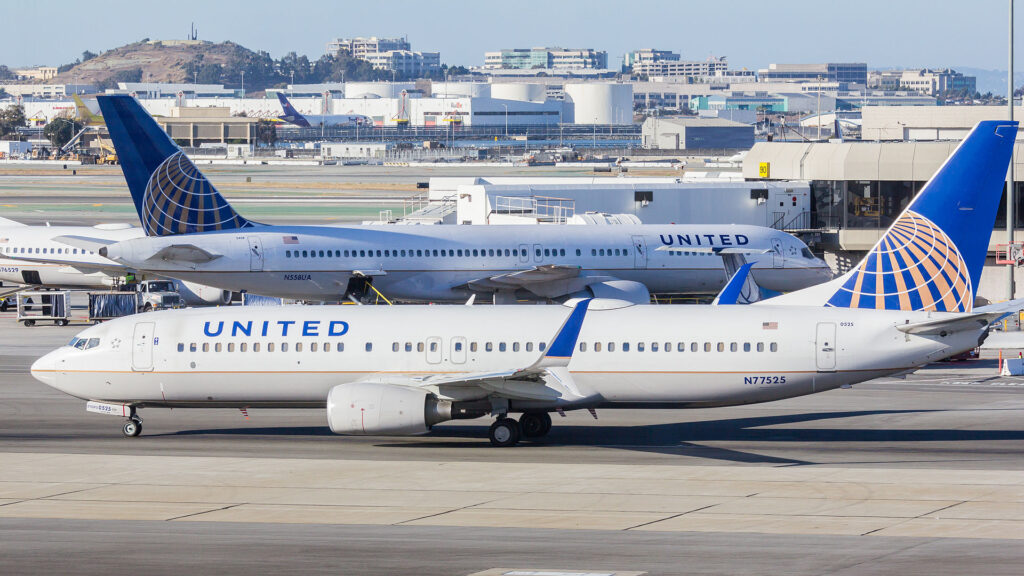
United Airlines Pilot Refuses to Fly at Chicago
Severe winter weather swept across the Midwest and Northeast during the Christmas holidays, causing widespread flight delays and cancellations. United Airlines (UA) scrambled to adjust packed schedules at major hubs, including Chicago O’Hare International Airport (ORD).
Becky Schmooke traveled with her family on what should have been a short 40-minute flight home to Iowa.
After enduring mounting delays throughout the afternoon and evening, they finally boarded a United Boeing 737 close to midnight. As the cabin doors prepared to close, the flight attendants reached their federally mandated duty time limit and timed out.
“Duty limits are firm. When time is up, it’s up,” Becky explained in her now-viral Facebook post.
“But being done by regulation does not mean you can simply walk away once a plane is boarded and full of people.”
Ground staff pressed the crew to remain on board while they searched for replacement attendants.
The captain, facing the jet bridge and speaking to someone out of Becky’s direct sight, observed the clear exhaustion of his flight attendants and refused. He insisted they end their shift immediately.
“The captain…explained to someone outside of my line of sight that the passengers would need to deplane and wait for a new crew,” Becky wrote. “There was pushback.”
“He explained it again, calmly. When that didn’t change anything, his tone shifted. Clear. Final.”
“He made it unmistakably clear that his flight attendants were done for the night and he was not going to keep the crew stuck on the plane while logistics were debated.”
This decision meant deplaning every passenger back into the terminal, adding significant further delay.
According to PYOK, the captain held his position despite resistance, choosing crew well-being over quick departure.
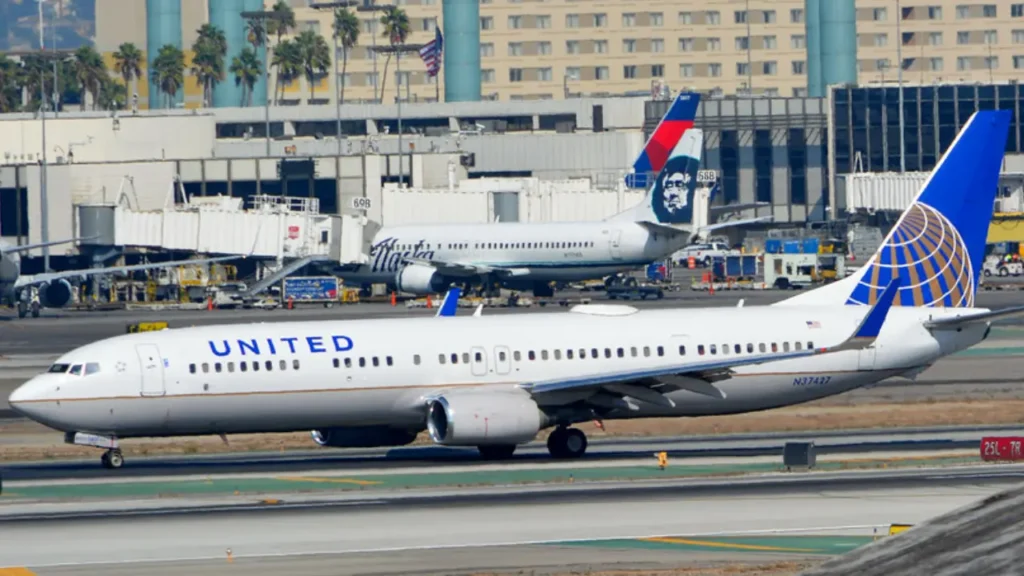
Scheduling vs. Operational Reality
Federal Aviation Administration (FAA) regulations allow airlines to schedule flight attendants for a maximum duty period of up to 14 hours on domestic flights, depending on crew size and report time. This serves as a planning limit for roster creation.
In daily operations, extensions beyond the scheduled limit can occur with crew consent when delays arise.
Ground staff may ask attendants if they are willing to continue. However, crews must evaluate their own fatigue.
Continuing while severely exhausted risks impaired performance, including the inability to respond effectively in an emergency.
In this incident, the captain judged that his flight attendants had passed the point of safe operation. He refused to allow them to remain aboard, protecting both crew and passengers from potential safety compromise.
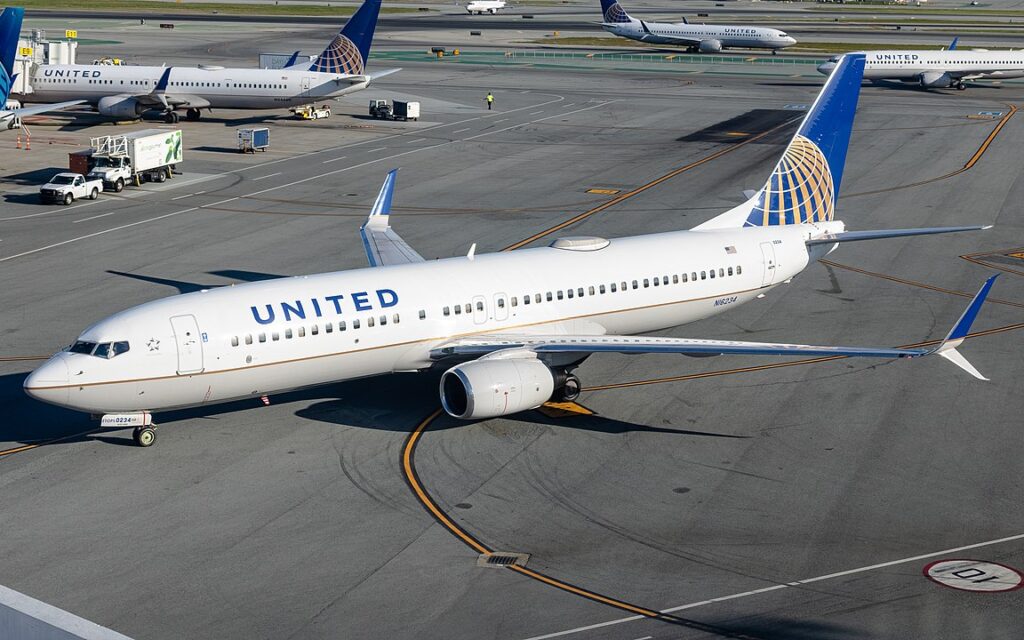
Passenger Gratitude and Leadership Lesson
Becky Schmooke did not react with frustration. As she stepped off the plane to wait for the new crew, she made a point to thank the captain directly for standing up for his team.
“Leadership is often talked about in terms of efficiency and outcomes,” she wrote. “But leadership shows itself just as clearly in what someone refuses to optimize away.”
“Sometimes the job is to stand in the way. Some decisions are inconvenient. Some are costly.”
Her post gained wide attention online for highlighting this principle. The captain delayed not only the passengers but also his own arrival home in Iowa by enforcing rest for his crew after a long, disrupted day.
Flight attendants frequently face pressure to push through fatigue, yet this captain modeled accountability. By refusing to let a tired crew continue, he demonstrated that safety and human well-being outweigh schedule recovery in high-stakes aviation environments.
Stay tuned with us. Further, follow us on social media for the latest updates.
Join us on Telegram Group for the Latest Aviation Updates. Subsequently, follow us on Google News
