

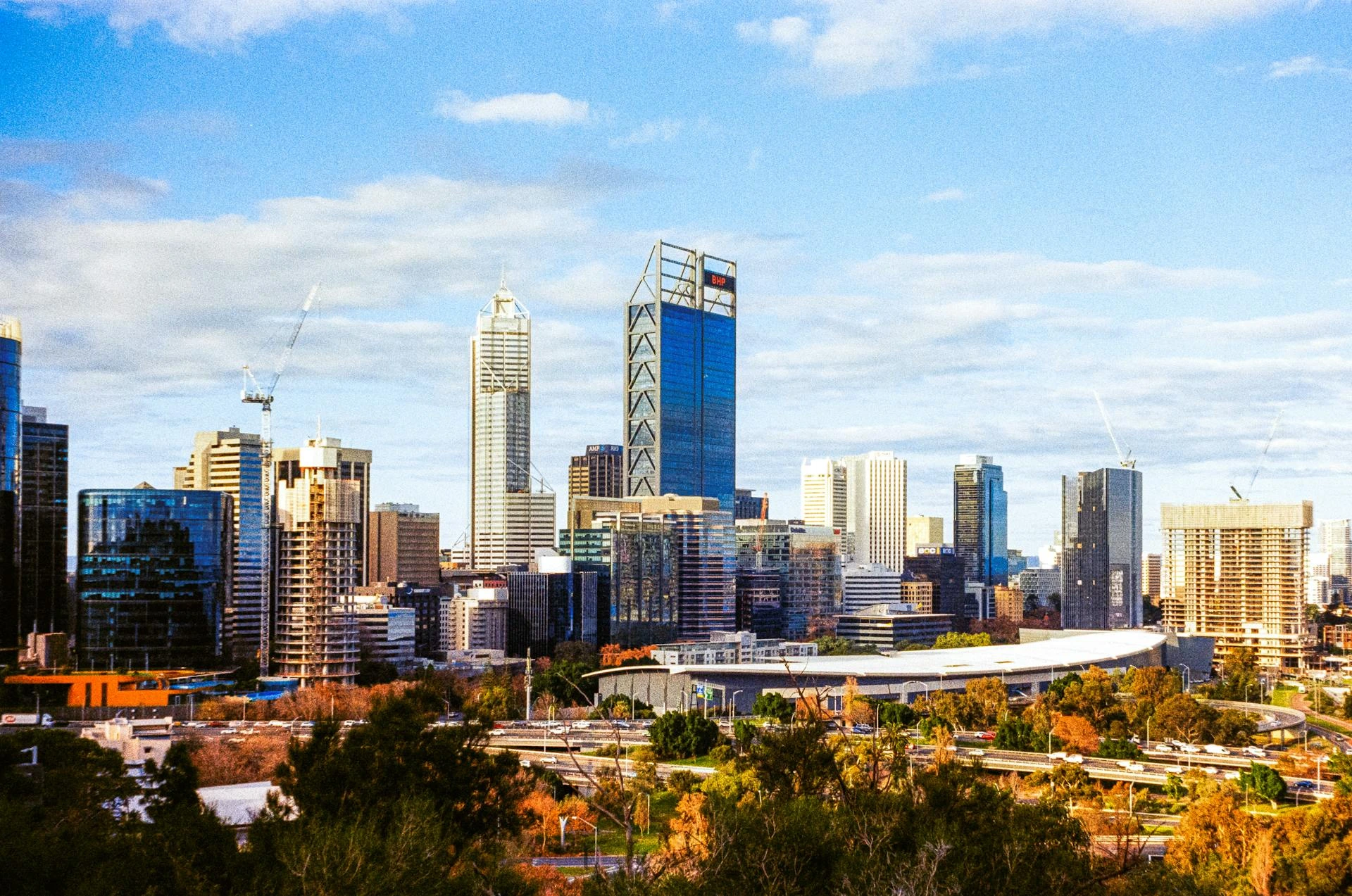
Cities rarely reveal their true character through landmarks alone. More often, it is neighbourhoods — lived-in, evolving, occasionally messy — that show how a city actually works. These are the places where local culture isn’t curated for visitors, where creativity emerges organically, and where food, nightlife, and community life overlap without trying too hard.
The 39 neighborhoods featured by TimeOut reflect that reality. They span continents, income brackets, and urban forms, yet share a common thread: relevance.
Some are long-established cultural hubs adapting to modern pressures; others are former industrial or residential zones reshaped by artists, students, and small businesses. What follows is not a travel checklist, but a grounded look at where cities feel most alive right now.
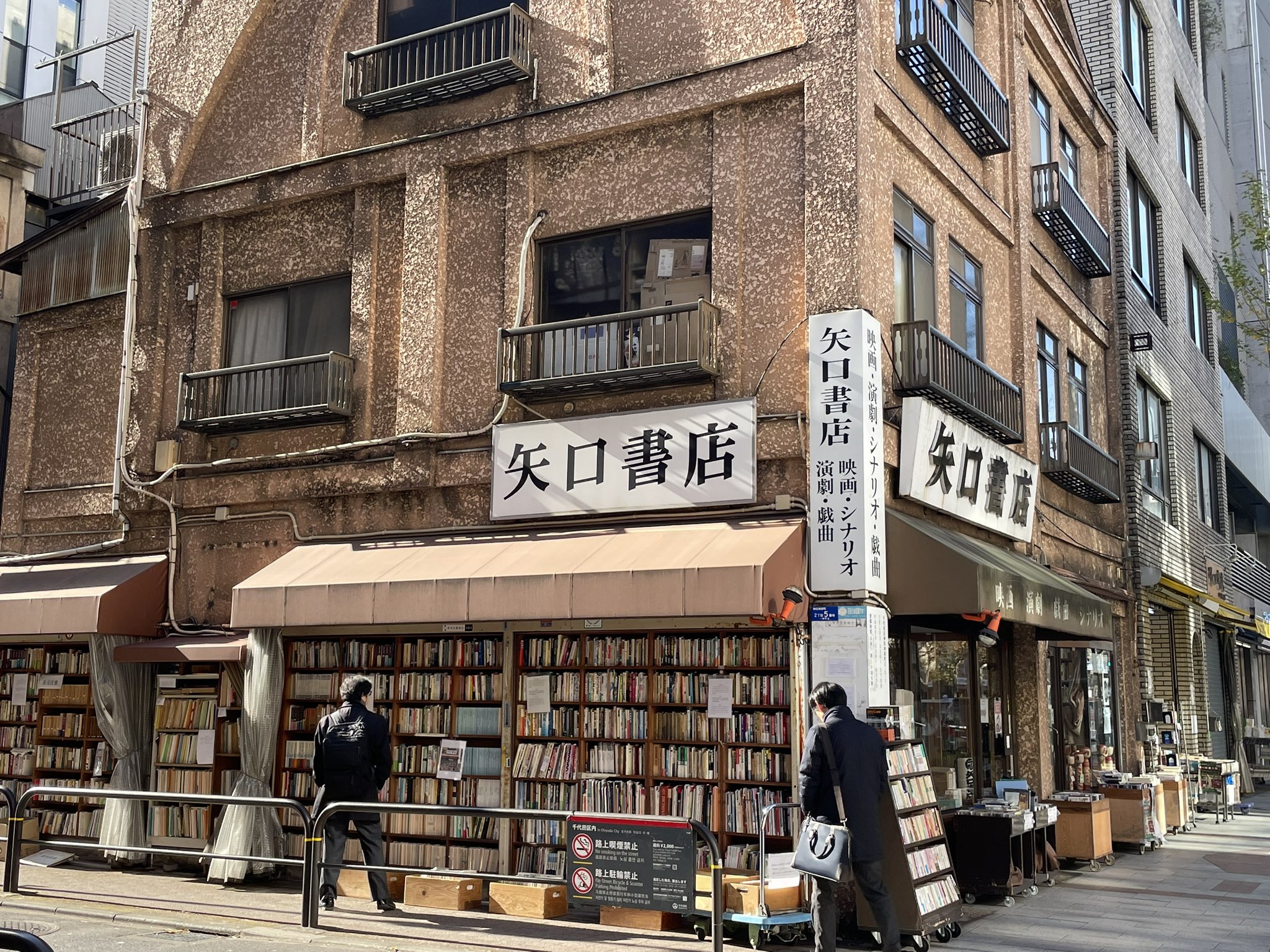
1. Jimbōchō, Tokyo
Jimbōchō is Tokyo’s intellectual core, defined by bookshops, universities, and a quietly persistent café culture. Its streets move at a slower pace than nearby commercial districts, shaped by students, academics, and lifelong regulars. While its reputation rests on second-hand bookstores, recent years have brought understated nightlife and modern eateries that respect the area’s introspective character rather than disrupt it.
Why it stands out
- Dense cluster of historic bookstores
- Student-driven cultural renewal
- Calm alternative to central Tokyo intensity
| Category | Details |
|---|---|
| City | Tokyo |
| Known for | Books, cafés, curry houses |
| Best time | Morning to early evening |
| Vibe | Academic, reflective |
– X
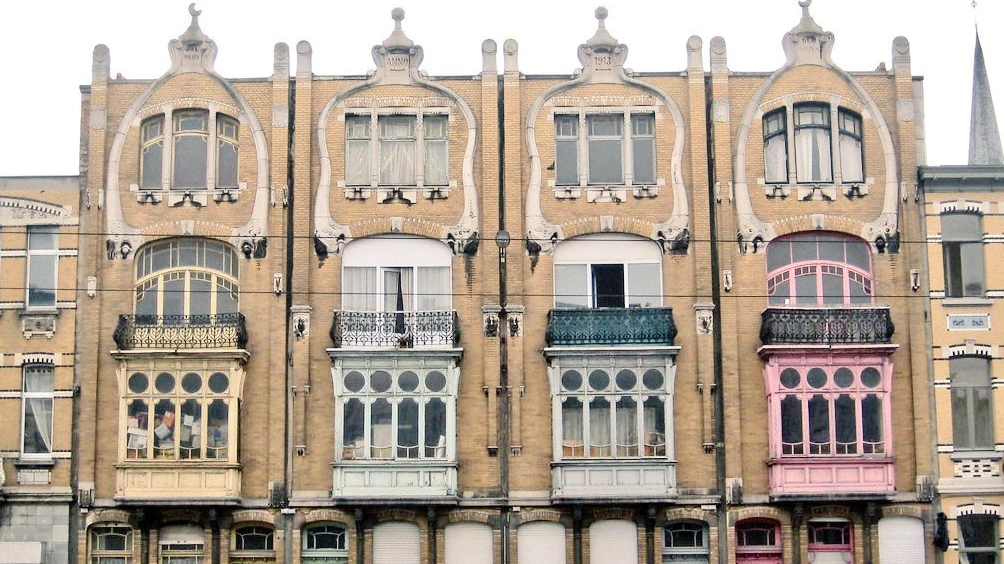
2. Borgerhout, Antwerp
Borgerhout represents Antwerp’s creative future without abandoning its multicultural roots. Long shaped by migrant communities, it has become a testing ground for grassroots urban ideas, from shared public spaces to cooperative galleries. The area’s appeal lies in its sense of participation rather than polish.
Why it stands out
- Strong community-led initiatives
- Independent art and fashion spaces
- Active street life beyond city centre
| Category | Details |
|---|---|
| City | Antwerp |
| Known for | DIY culture, galleries |
| Best time | Evenings and weekends |
| Vibe | Collaborative, inclusive |
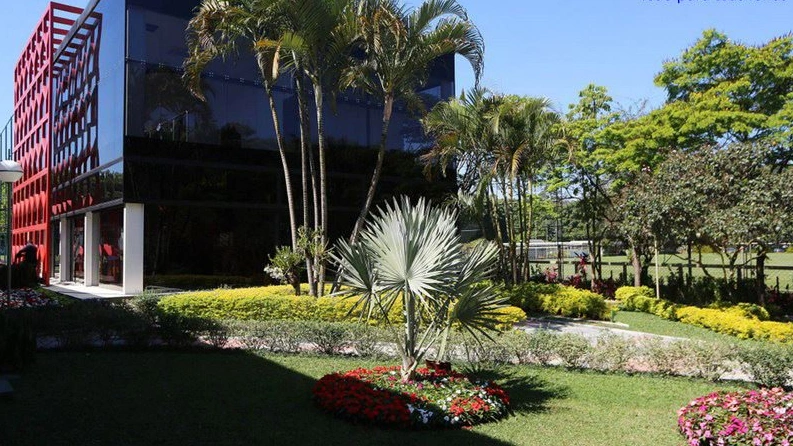
3. Barra Funda, São Paulo
Barra Funda thrives on contrast. Heavy infrastructure and industrial remnants coexist with experimental restaurants, galleries, and nightlife venues. It attracts creatives seeking space and flexibility, resulting in a neighbourhood that feels improvised yet intentional.
Why it stands out
- Reused warehouses and studios
- Strong nightlife identity
- Mix of local life and avant-garde culture
| Category | Details |
|---|---|
| City | São Paulo |
| Known for | Art, clubs, food |
| Best time | Afternoon to late night |
| Vibe | Raw, expressive |
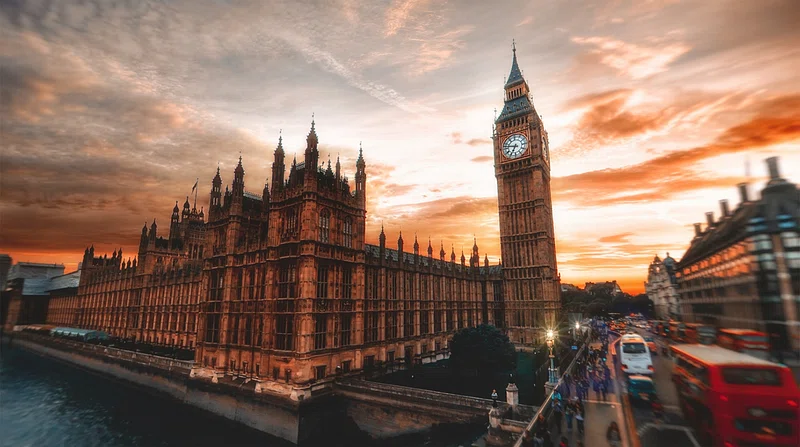
4. Camberwell, London
Camberwell compresses much of southeast London’s energy into a compact, food-led neighbourhood. Its appeal comes from density rather than scale, where independent restaurants, galleries, and pubs create a walkable cultural loop. It balances residential calm with social momentum.
Why it stands out
- Exceptional food concentration
- Strong arts presence
- Distinct local identity
| Category | Details |
|---|---|
| City | London |
| Known for | Restaurants, galleries |
| Best time | Weekends |
| Vibe | Neighbourly, energetic |
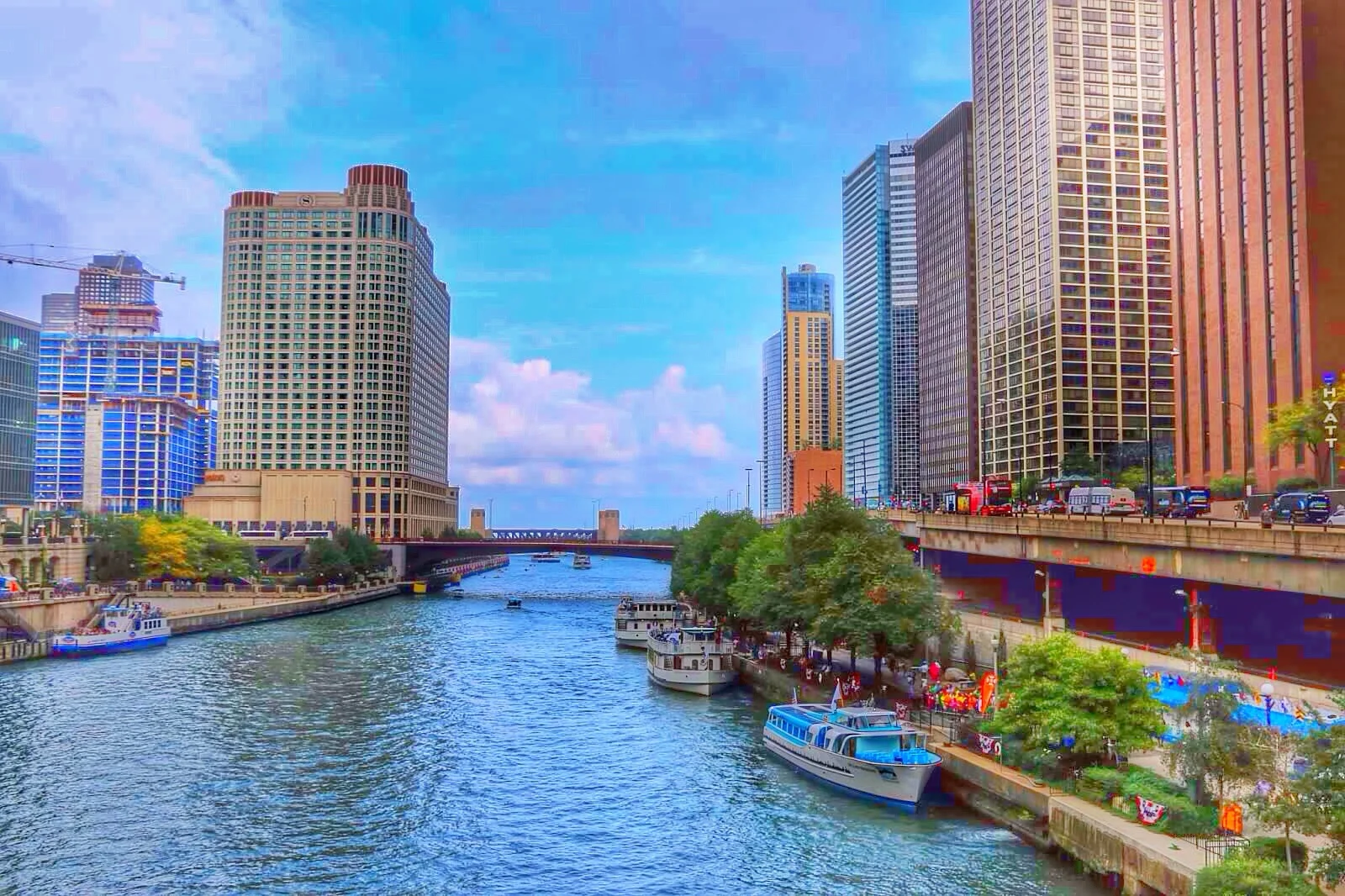
5. Avondale, Chicago
Avondale reflects Chicago’s pattern of cultural migration, as artists and small businesses move outward from pricier districts. Its architecture and long-standing community institutions ground newer arrivals, creating a neighbourhood that feels transitional but confident.
Why it stands out
- Affordable creative ecosystem
- Strong Polish and Latino heritage
- Low-key nightlife and music venues
| Category | Details |
|---|---|
| City | Chicago |
| Known for | Music, bars |
| Best time | Summer |
| Vibe | Unpretentious, evolving |
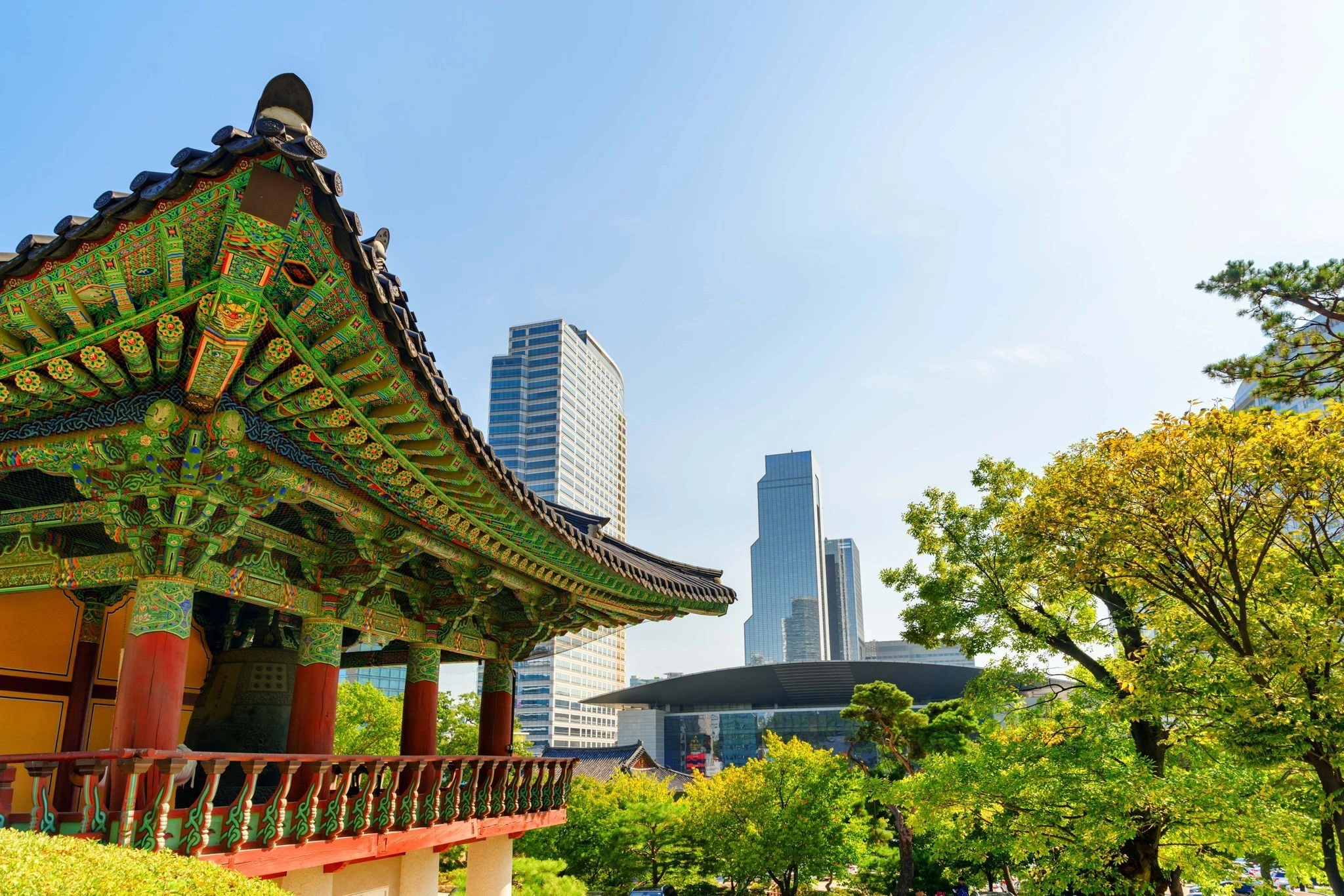
6. Mullae-dong, Seoul
Mullae-dong remains physically industrial while culturally transformed. Working metal shops operate beside bars, galleries, and cafés, producing a layered urban environment. The neighbourhood’s appeal lies in this unresolved tension between labour and leisure.
Why it stands out
- Active workshops alongside nightlife
- Affordable creative spaces
- Strong visual identity
| Category | Details |
|---|---|
| City | Seoul |
| Known for | Art spaces, bars |
| Best time | Evening |
| Vibe | Gritty, artistic |
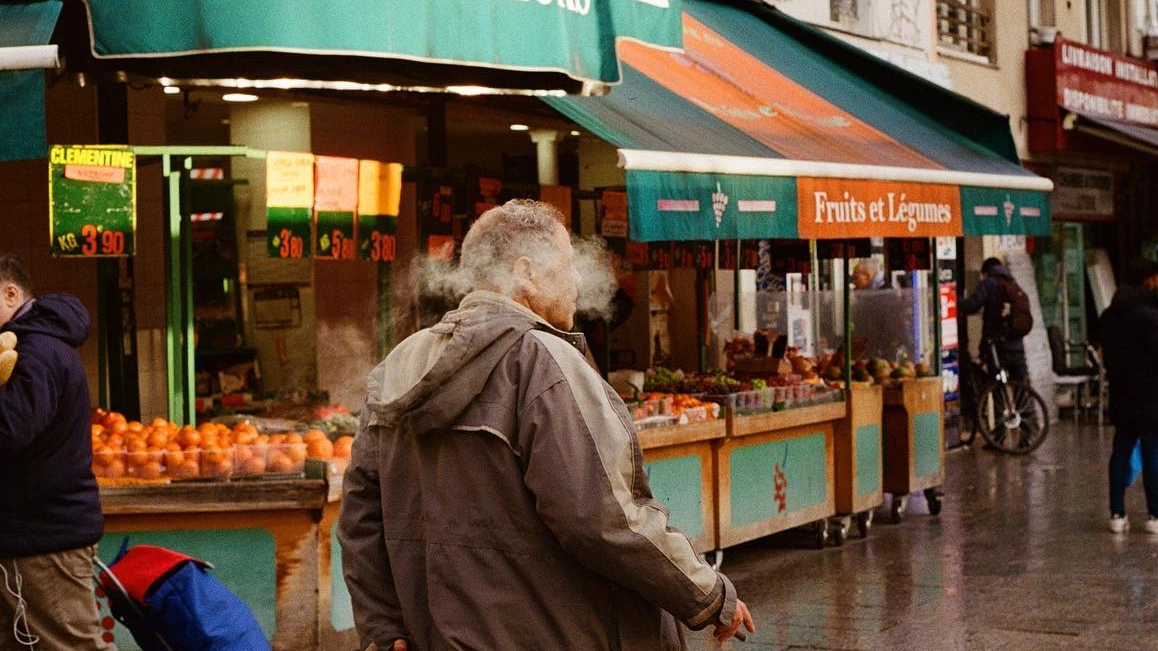
7. Ménilmontant, Paris
Ménilmontant delivers everyday Paris without monumental distractions. Its streets are socially mixed, politically expressive, and culturally active. Rather than spectacle, it offers routine authenticity, where food, music, and activism coexist naturally.
Why it stands out
- Grassroots cultural venues
- Affordable food and drink
- Active local politics and arts
| Category | Details |
|---|---|
| City | Paris |
| Known for | Music, street culture |
| Best time | Late afternoon |
| Vibe | Lived-in, expressive |
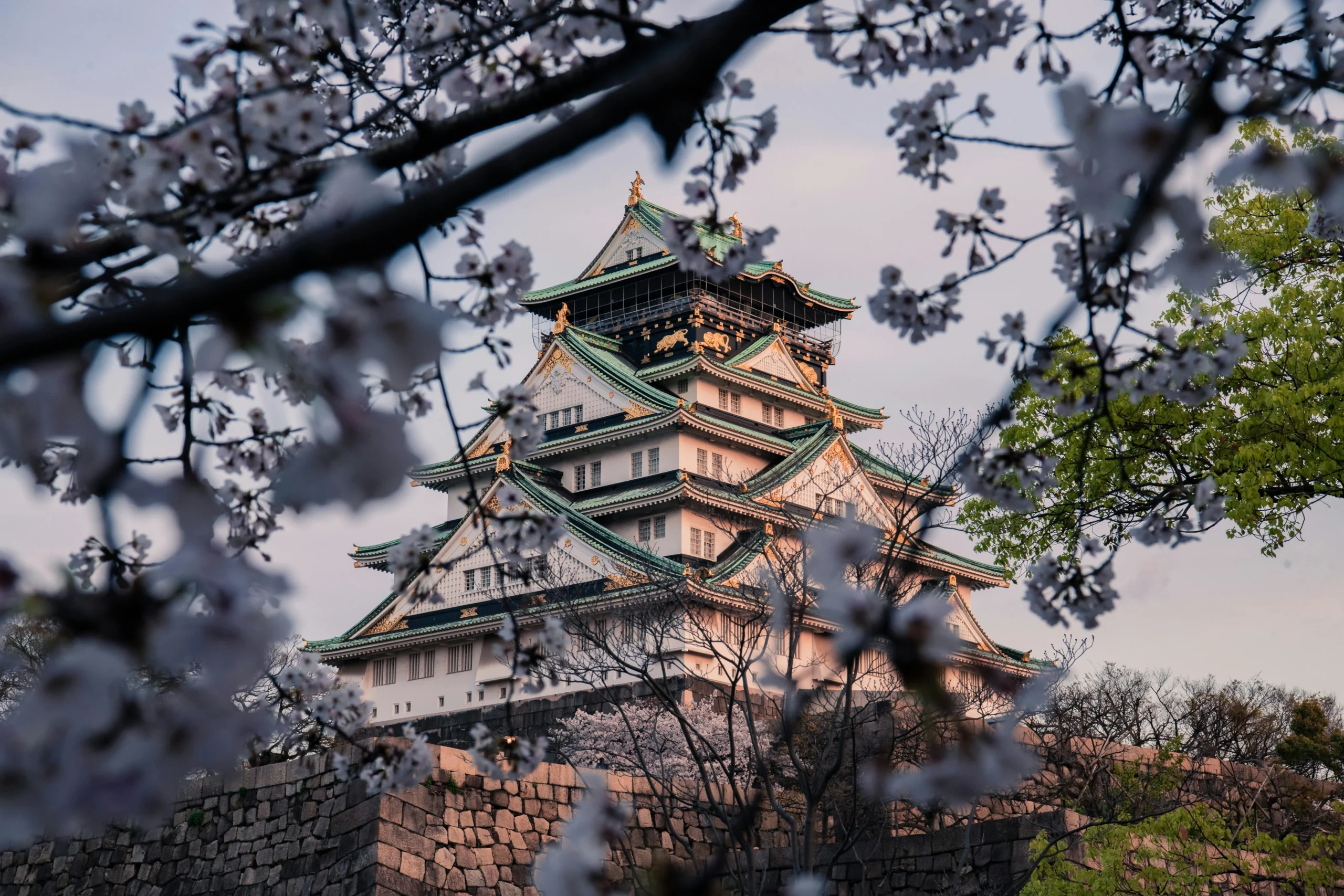
8. Nakatsu, Osaka
Nakatsu feels preserved rather than revived. Narrow streets, small homes, and informal businesses give it a village-like atmosphere, while newer creative ventures add quiet experimentation. Its proximity to Osaka’s commercial core makes the contrast sharper.
Why it stands out
- Intimate urban scale
- Independent food scene
- Strong local routines
| Category | Details |
|---|---|
| City | Osaka |
| Known for | Cafés, eateries |
| Best time | Daytime |
| Vibe | Low-key, creative |
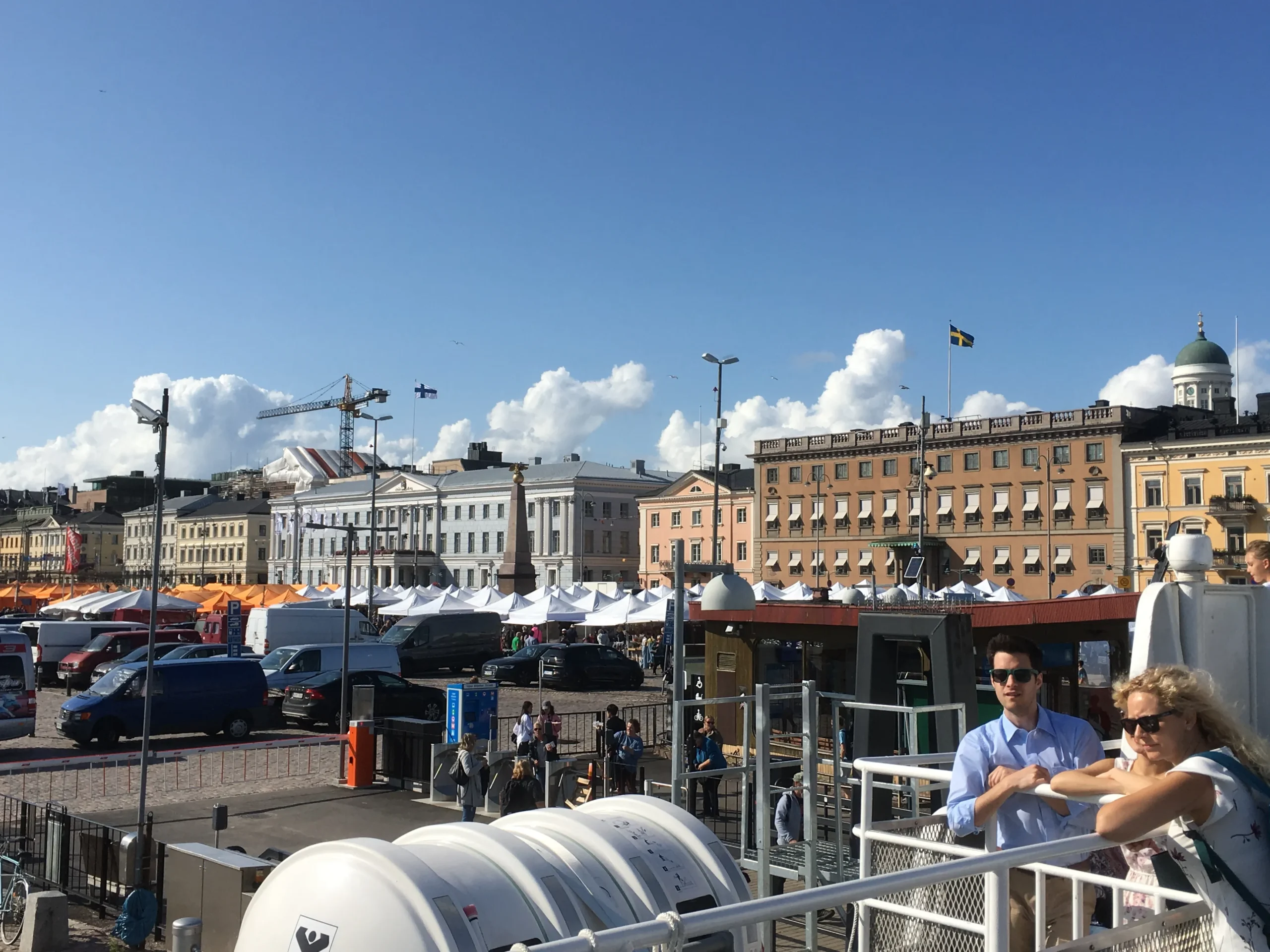
9. Vallila, Helsinki
Vallila offers a softer alternative to Helsinki’s more visible nightlife districts. Former industrial buildings now house venues and festivals, while wooden residential areas preserve historical continuity. It is introspective but socially active.
Why it stands out
- Industrial-to-cultural reuse
- Seasonal festivals
- Calm but social atmosphere
| Category | Details |
|---|---|
| City | Helsinki |
| Known for | Events, bars |
| Best time | Late summer |
| Vibe | Quietly vibrant |
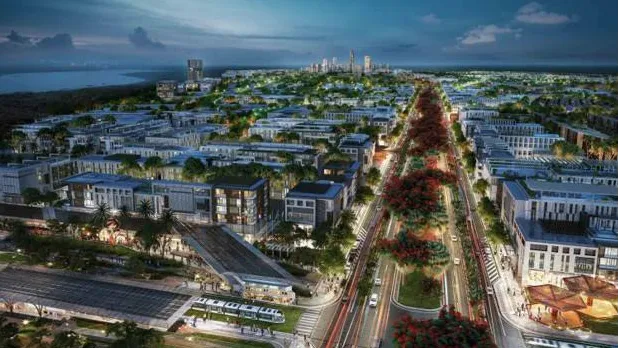
10. Labone, Accra
Labone reflects Accra’s upward cultural mobility. Once residential, it has evolved into a mixed-use neighbourhood where galleries, nightlife, and retail sit alongside daily life. Its momentum comes from local adoption rather than external branding.
Why it stands out
- Growing arts presence
- Expanding nightlife
- Central but adaptable location
| Category | Details |
|---|---|
| City | Accra |
| Known for | Bars, galleries |
| Best time | Evenings |
| Vibe | Confident, modern |
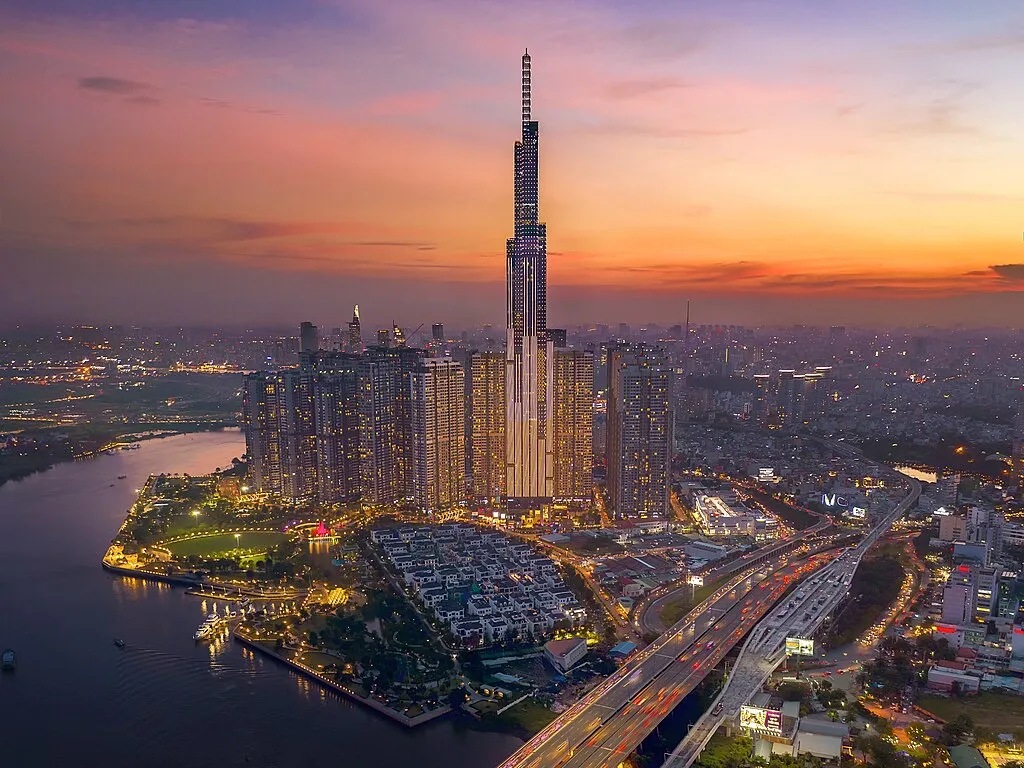
11. Nguyen Thai Binh, Ho Chi Minh City
Nguyen Thai Binh looks ordinary at street level, but much of its appeal is deliberately hidden. Behind workshops and colonial facades sit some of Ho Chi Minh City’s most ambitious dining and drinking spaces. The neighbourhood’s growing pull is evident in high-profile restaurants and bars relocating here from more established districts, drawn by lower rents and greater freedom.
Why it stands out
- High-end food behind low-key streets
- Emerging cocktail and speakeasy scene
- Growing cultural gravity
| Category | Details |
|---|---|
| City | Ho Chi Minh City |
| Known for | Restaurants, bars |
| Best time | Evening |
| Vibe | Discreet, evolving |
12. Anjos, Lisbon
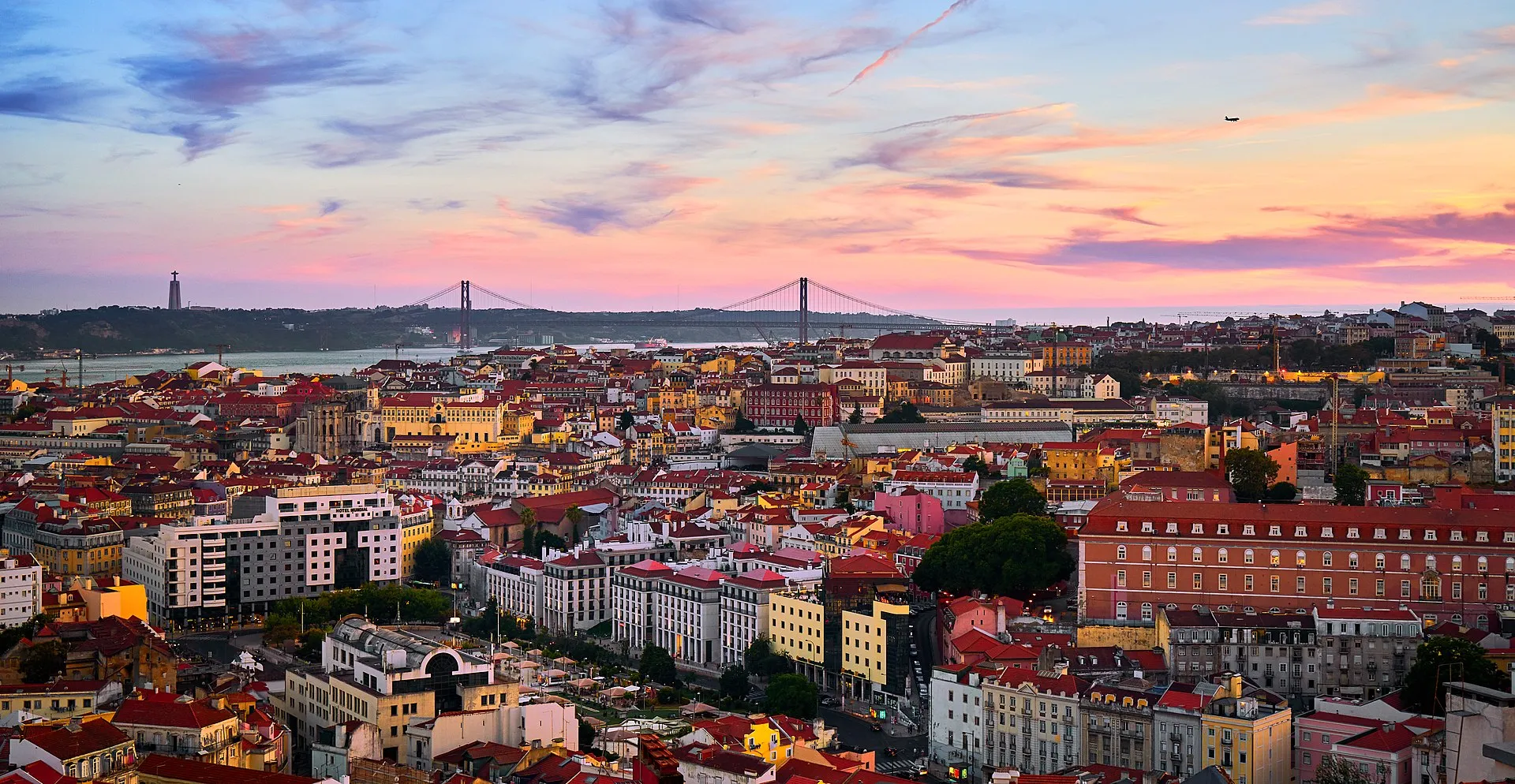
Anjos is a residential district shaped by everyday Lisbon life, now energised by independent retail and food culture. It avoids the over-polish of central neighbourhoods, instead favouring small businesses, casual dining, and creative shops. Its social life revolves around streets rather than landmarks.
Why it stands out
- Strong neighbourhood identity
- Independent boutiques
- Food-led social culture
| Category | Details |
|---|---|
| City | Lisbon |
| Known for | Cafés, shops |
| Best time | Late afternoon |
| Vibe | Lively, informal |
13. Digbeth, Birmingham
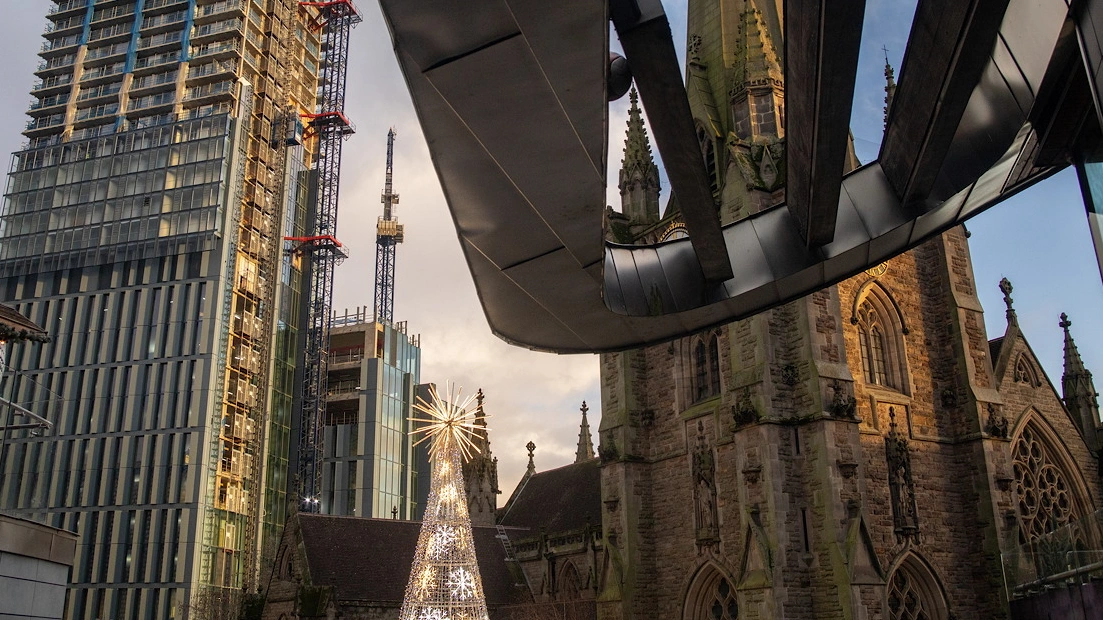
Digbeth is Birmingham’s most visually expressive neighbourhood, shaped by industrial infrastructure and street art. Long a creative enclave, it continues to absorb media, film, and cultural institutions, reinforcing its role as the city’s experimental core.
Why it stands out
- Reclaimed industrial spaces
- Strong creative economy
- Music and film presence
| Category | Details |
|---|---|
| City | Birmingham |
| Known for | Arts, nightlife |
| Best time | Night |
| Vibe | Industrial, creative |
14. Red Hook, New York City
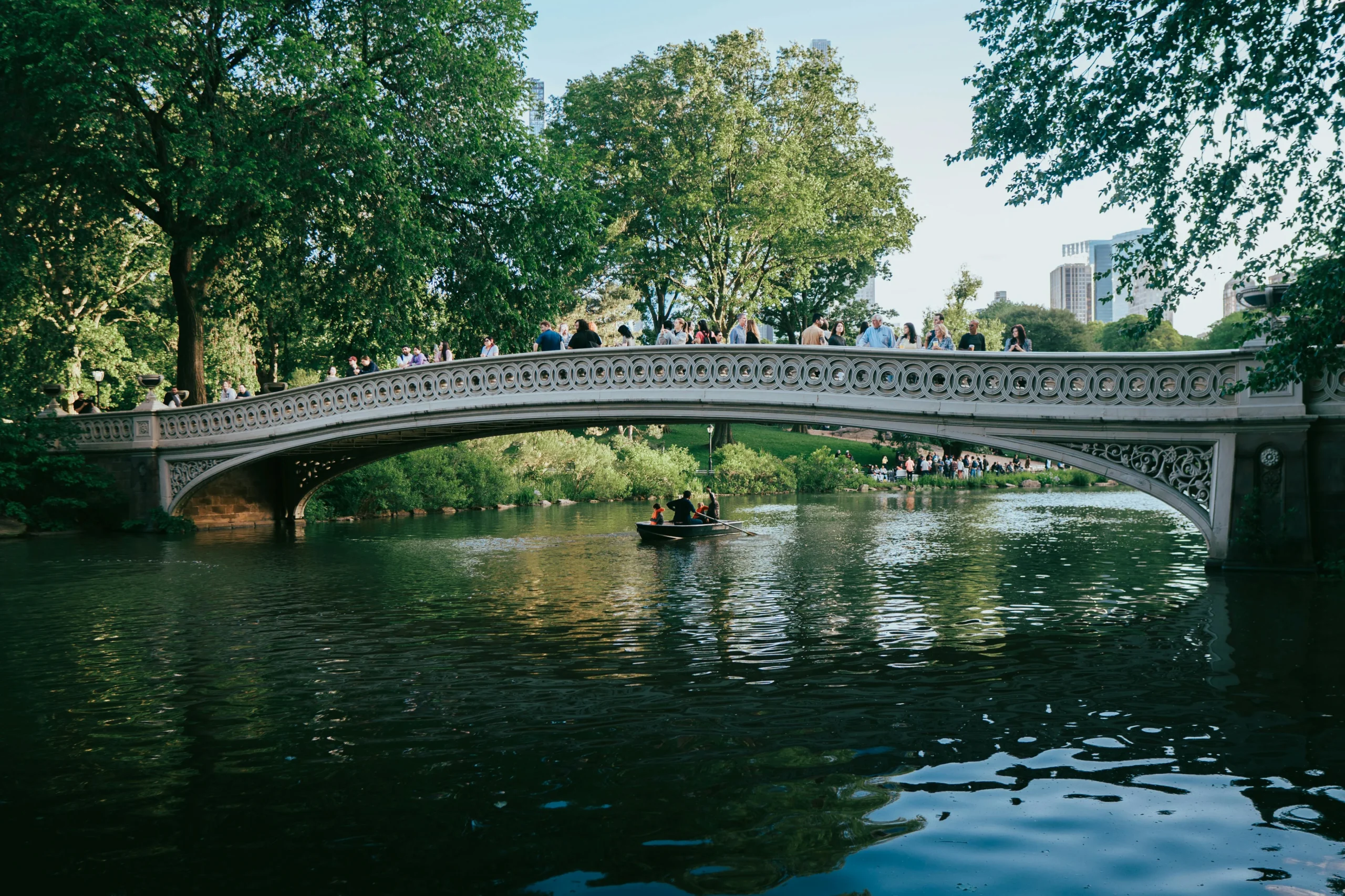
Red Hook feels geographically and culturally detached from much of Brooklyn, which is precisely its appeal. The waterfront setting, warehouse-scale spaces, and limited transit access have preserved its independent character while allowing cultural institutions to flourish.
Why it stands out
- Waterfront industrial heritage
- Independent arts institutions
- Strong local loyalty
| Category | Details |
|---|---|
| City | New York City |
| Known for | Art, food |
| Best time | Day to sunset |
| Vibe | Isolated, authentic |
15. Perpetuo Socorro, Medellín
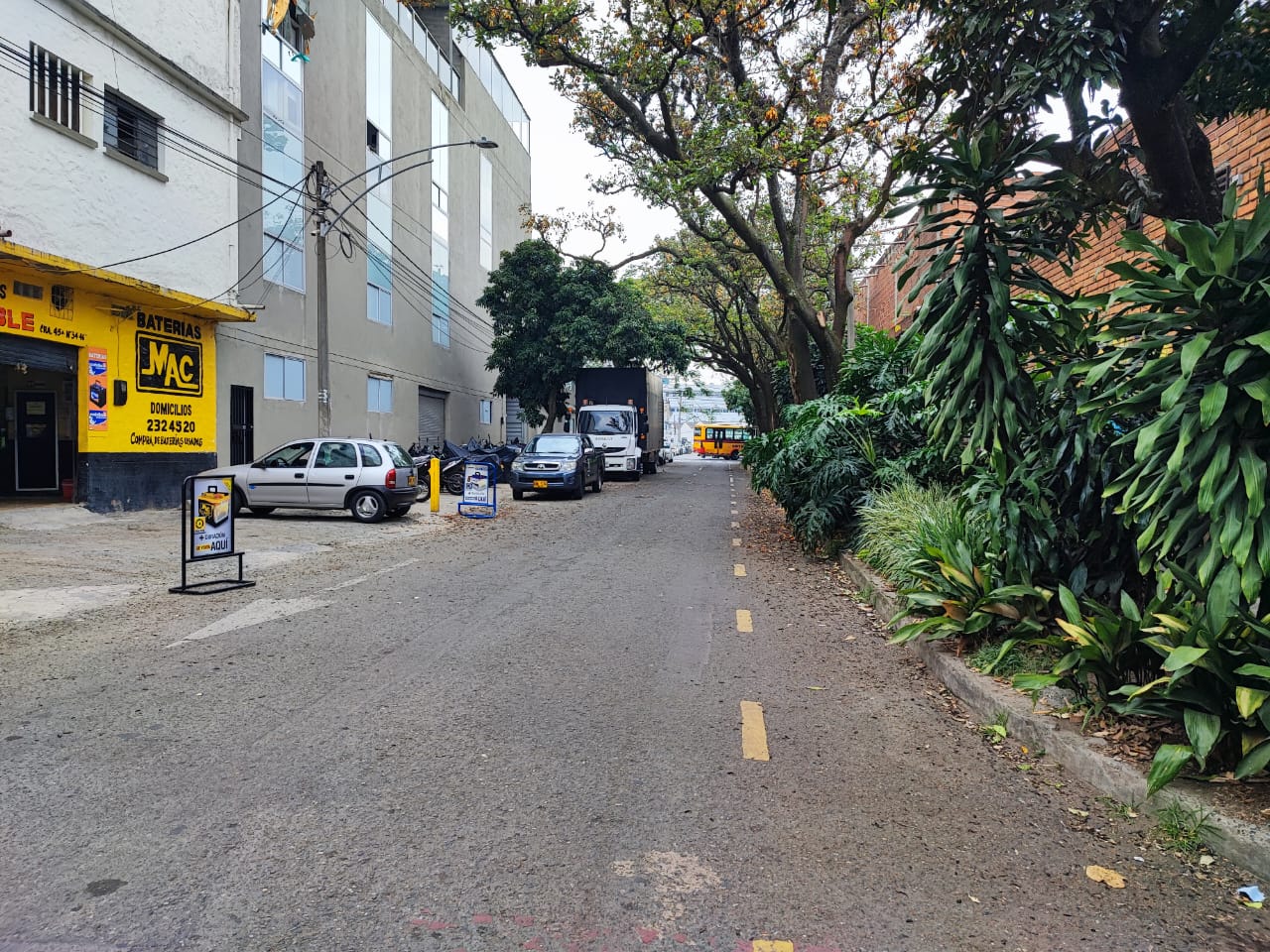
Perpetuo Socorro has transitioned from utility to creativity. What was once a service-driven district is now Medellín’s most experimental urban zone, combining design studios, galleries, and adaptive reuse projects. Residential life remains limited, but that is changing.
Why it stands out
- Creative-led regeneration
- Socially inclusive design
- Transitional urban model
| Category | Details |
|---|---|
| City | Medellín |
| Known for | Design, breweries |
| Best time | Evening |
| Vibe | Experimental |
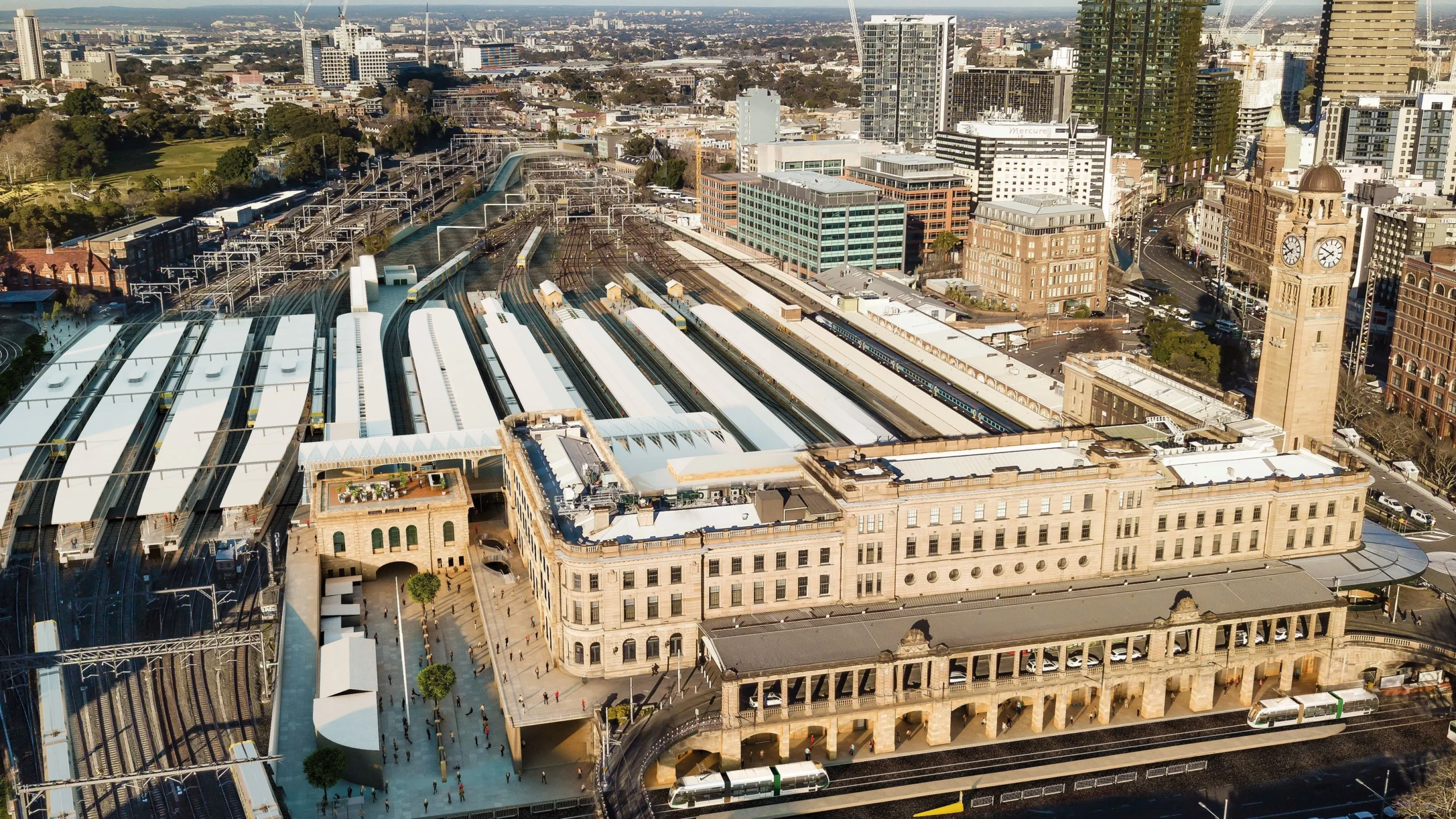
16. Burwood, Sydney
Burwood showcases Sydney’s cultural diversity more clearly than almost anywhere else in the city. Its food scene drives its popularity, supported by relaxed planning rules that encourage late-night activity. Daytime calm contrasts sharply with its evening energy.
Why it stands out
- Exceptional Asian food scene
- Active night economy
- Strong public spaces
| Category | Details |
|---|---|
| City | Sydney |
| Known for | Dining, nightlife |
| Best time | Night |
| Vibe | Energetic, diverse |
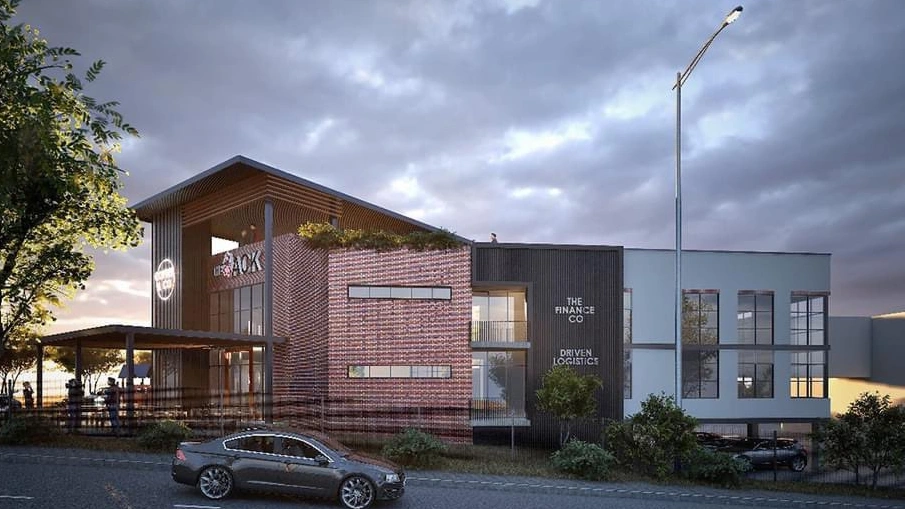
17. Linden, Johannesburg
Linden blends suburban calm with urban creativity. Tree-lined streets host cafés, bakeries, and small retail spaces that emphasise local production. Its appeal lies in lifestyle quality rather than spectacle.
Why it stands out
- Local-first businesses
- Strong café culture
- Community-driven growth
| Category | Details |
|---|---|
| City | Johannesburg |
| Known for | Food, coffee |
| Best time | Morning to evening |
| Vibe | Relaxed, refined |
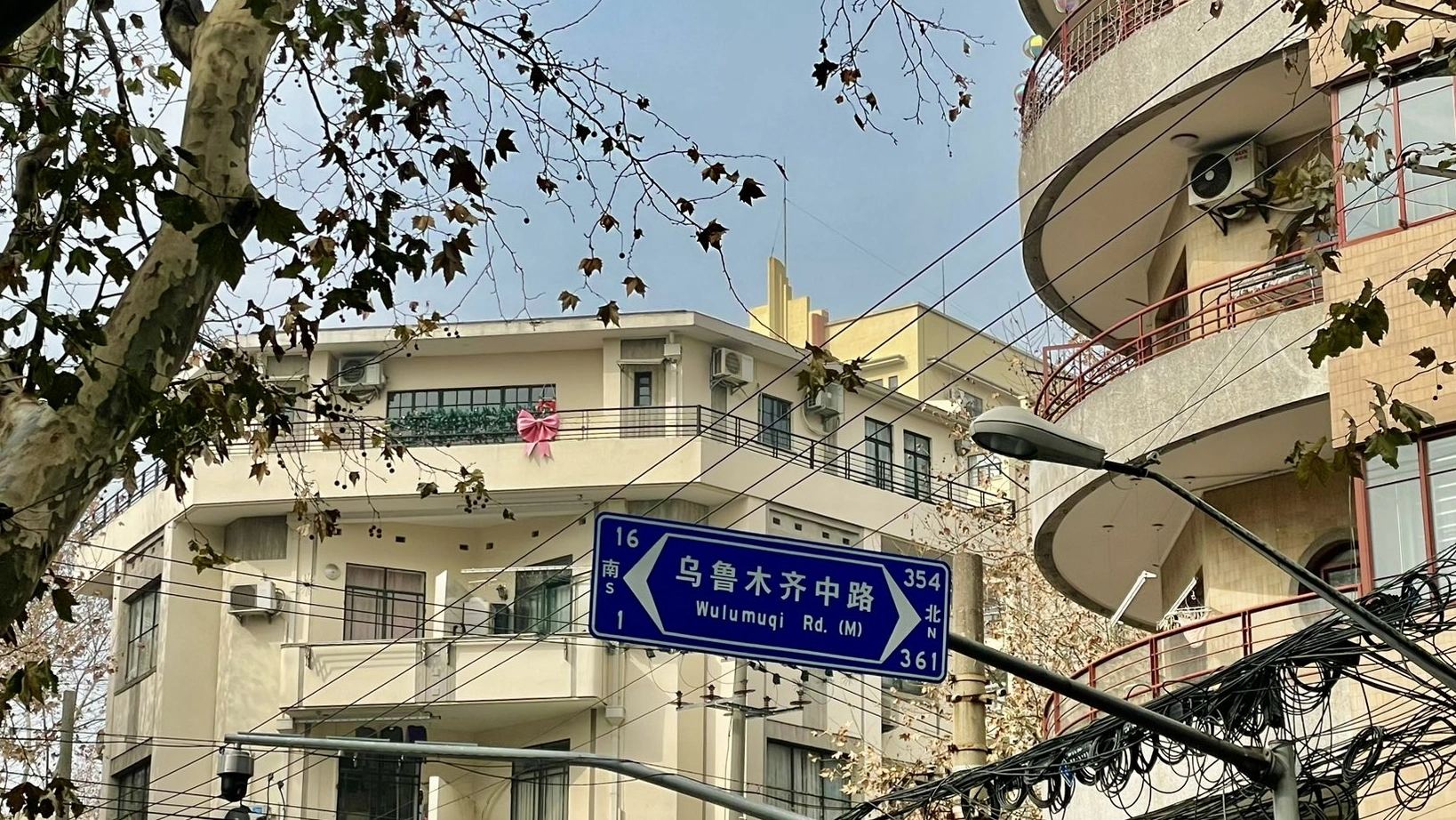
18. Former French Concession, Shanghai
The former French Concession remains Shanghai’s most liveable neighbourhood. Historic lane houses, walkable streets, and dense hospitality options create a balanced urban environment that appeals equally to residents and visitors.
Why it stands out
- Historic architecture
- Walkability
- Dense café and bar scene
| Category | Details |
|---|---|
| City | Shanghai |
| Known for | Cafés, heritage |
| Best time | Autumn |
| Vibe | Cultured, residential |
– Z
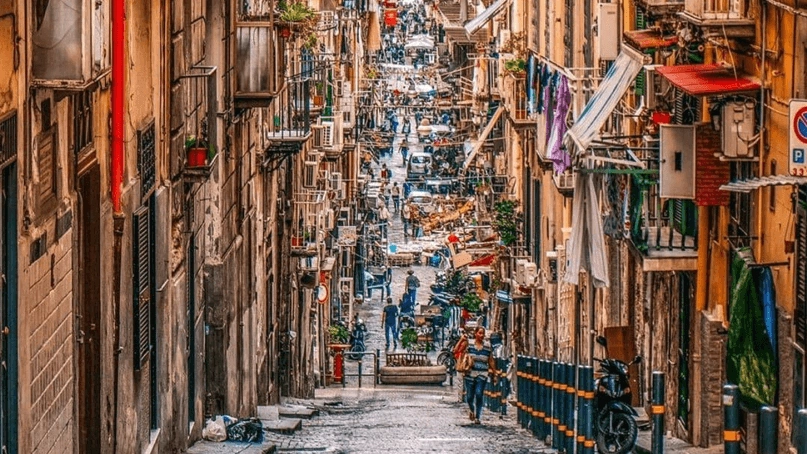
19. Quartieri Spagnoli, Naples
The Spanish Quarter is Naples in its most compressed form. Narrow streets, intense street life, and strong community ties define the area. Cultural renewal has introduced new dining and art spaces without erasing its working-class roots.
Why it stands out
- Dense urban fabric
- Strong local identity
- Growing creative scene
| Category | Details |
|---|---|
| City | Naples |
| Known for | Food, street life |
| Best time | Daytime |
| Vibe | Intense, authentic |
20. Bencoolen, Singapore
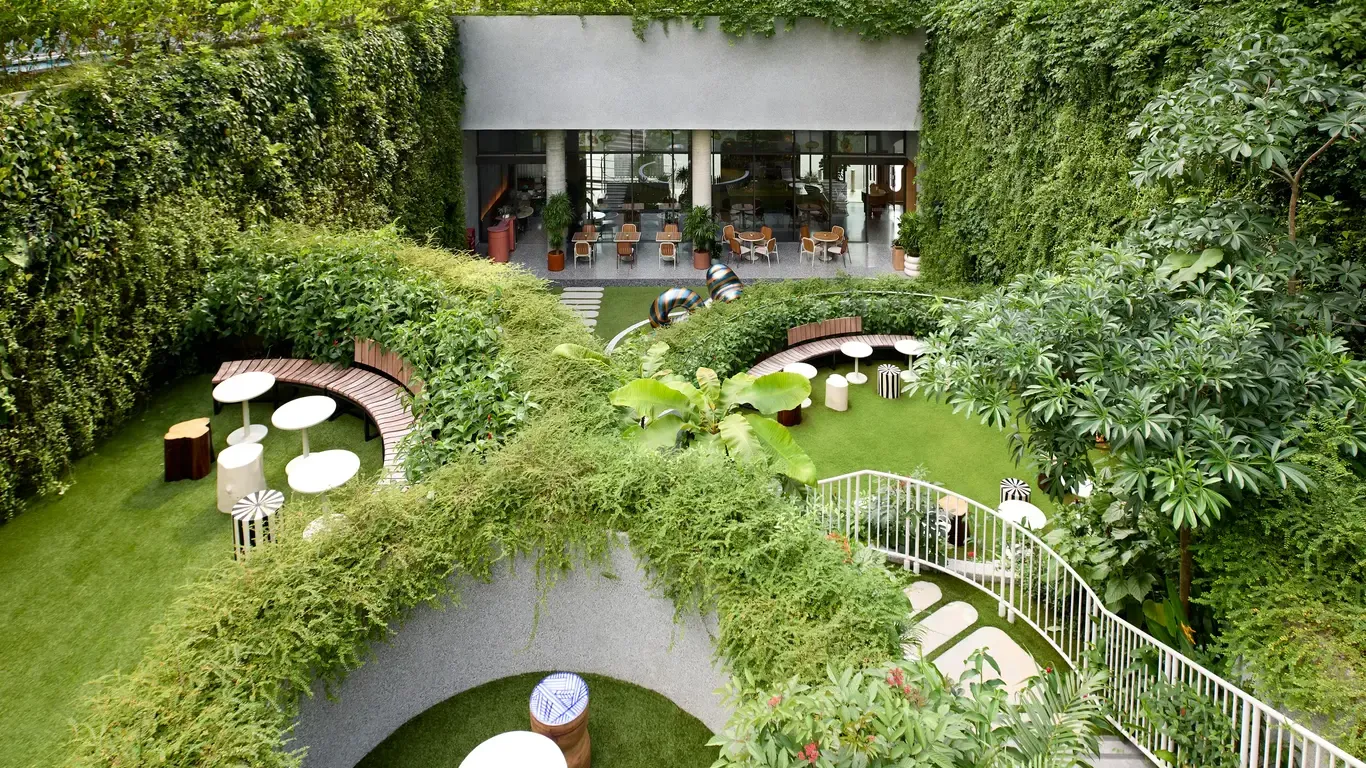
Bencoolen sits at the intersection of education, arts, and youth culture. Its layered buildings hide creative spaces, cafés, and nightlife venues that reward exploration. The area’s energy comes from students and cultural institutions rather than tourism.
Why it stands out
- Arts and education hub
- Hidden venues
- Strong youth presence
| Category | Details |
|---|---|
| City | Singapore |
| Known for | Arts, cafés |
| Best time | Evening |
| Vibe | Curious, eclectic |
21. Endoume, Marseille
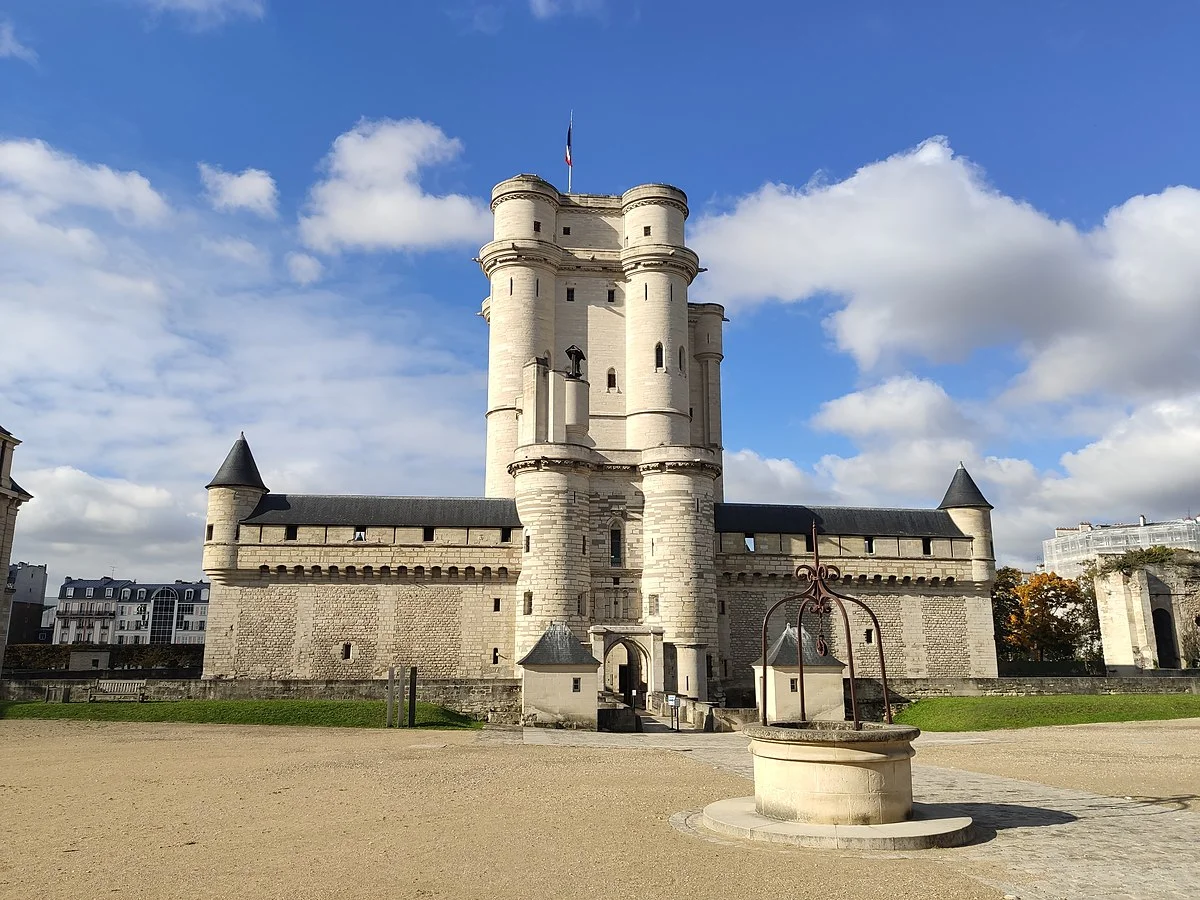
Endoume blends coastal geography with everyday Marseille life. Its steep streets lead to small harbours and swimming coves that function as social spaces as much as natural landmarks. The neighbourhood attracts both locals and visitors without losing its residential rhythm.
Why it stands out
- Direct access to the sea
- Walkable village feel
- Strong local food culture
| Category | Details |
|---|---|
| City | Marseille |
| Known for | Coves, seafood |
| Best time | Late spring |
| Vibe | Laid-back, coastal |
22. Plateau-Mont-Royal, Montréal
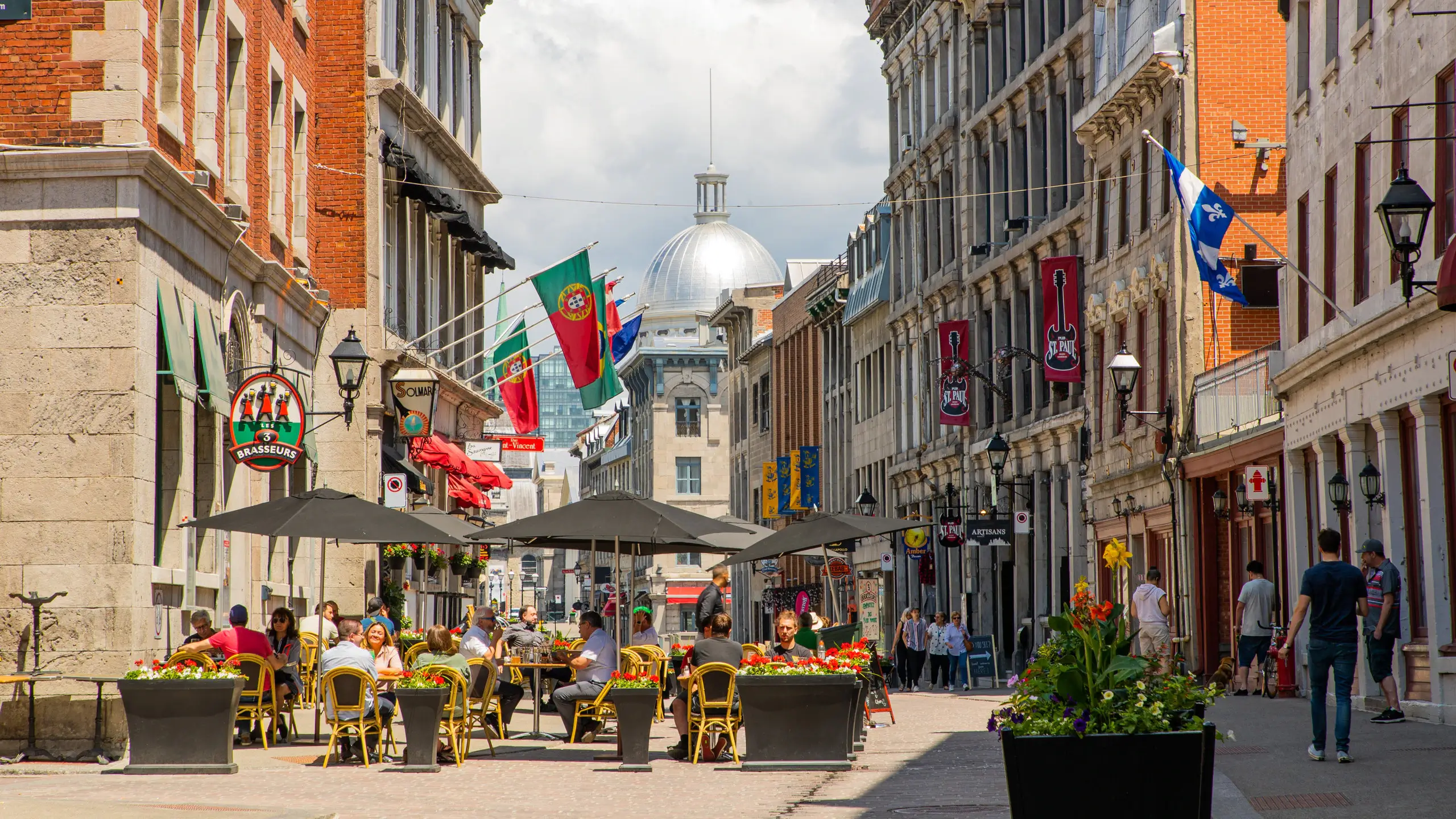
Plateau-Mont-Royal is Montréal’s social engine, defined by street-level activity and seasonal festivals. Its mix of cafés, music venues, and independent shops keeps the area active year-round, while pedestrianised streets enhance its communal feel.
Why it stands out
- Pedestrian-friendly design
- Strong nightlife
- Creative community
| Category | Details |
|---|---|
| City | Montréal |
| Known for | Bars, culture |
| Best time | Summer |
| Vibe | Social, expressive |
23. The Liberties, Dublin
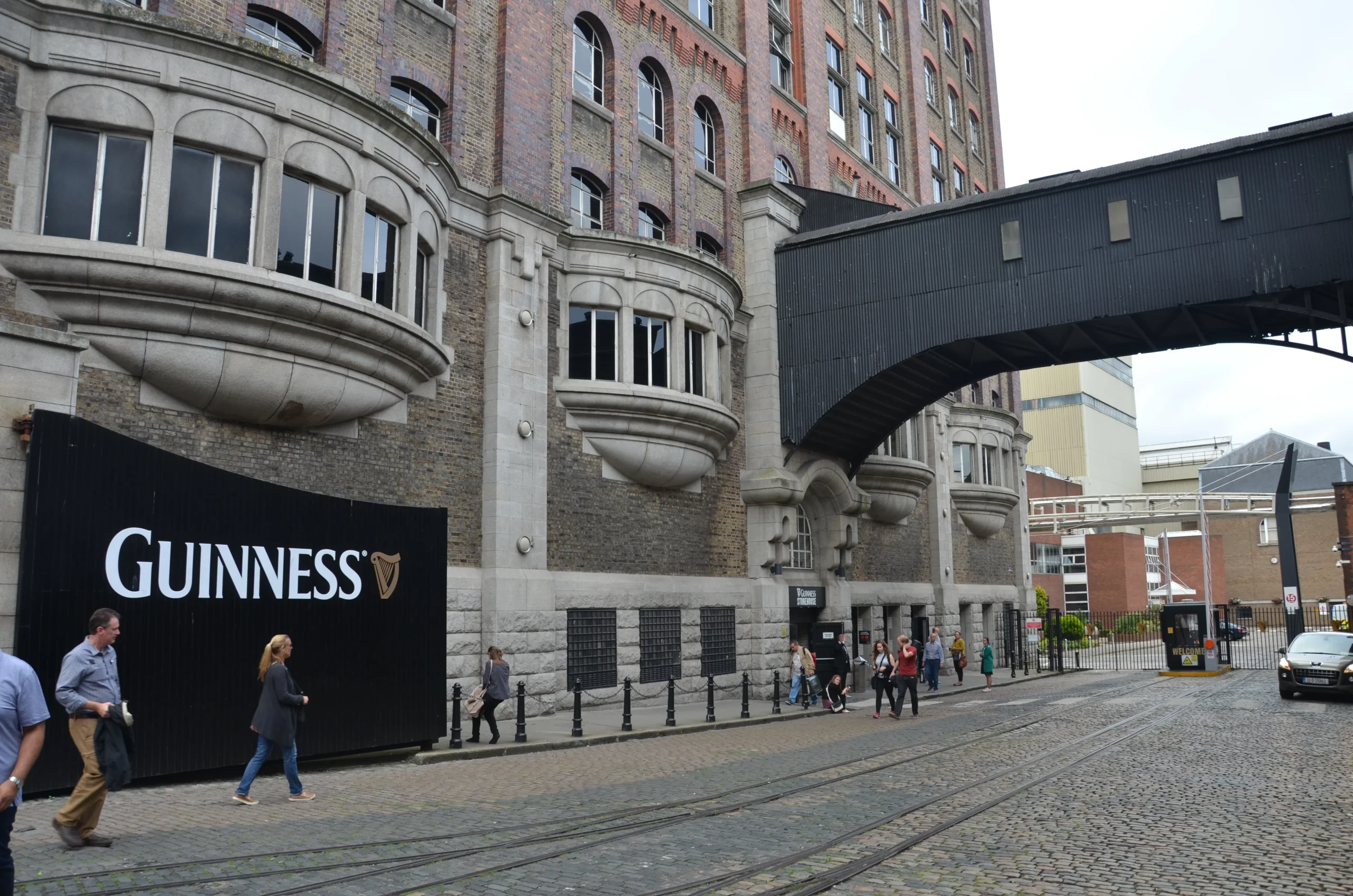
The Liberties combines deep historical roots with a new wave of hospitality and retail. Traditional institutions sit alongside modern bakeries, hotels, and fashion spaces, creating a layered neighbourhood that reflects Dublin’s changing identity.
Why it stands out
- Historic architecture
- New creative businesses
- Central but distinct
| Category | Details |
|---|---|
| City | Dublin |
| Known for | Food, history |
| Best time | Midday |
| Vibe | Transitional, lively |
24. North Melbourne, Melbourne
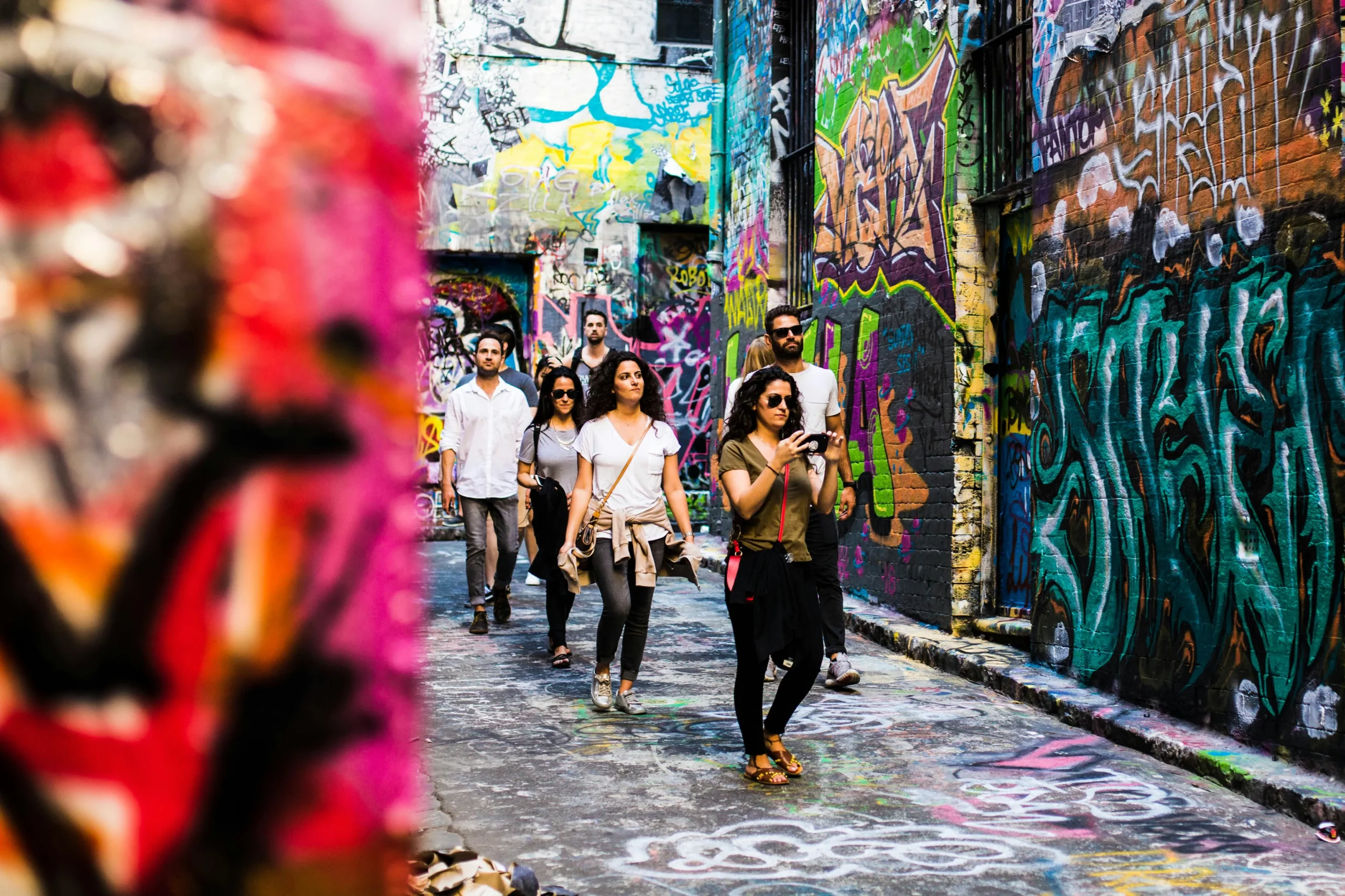
North Melbourne offers a village atmosphere just outside the city centre. Its diversity shapes the food scene, while galleries and markets anchor community life. The neighbourhood values continuity over constant reinvention.
Why it stands out
- Multicultural dining
- Strong local community
- Cultural venues nearby
| Category | Details |
|---|---|
| City | Melbourne |
| Known for | Cafés, markets |
| Best time | Weekend |
| Vibe | Neighbourly, relaxed |
25. Portales, Mexico City
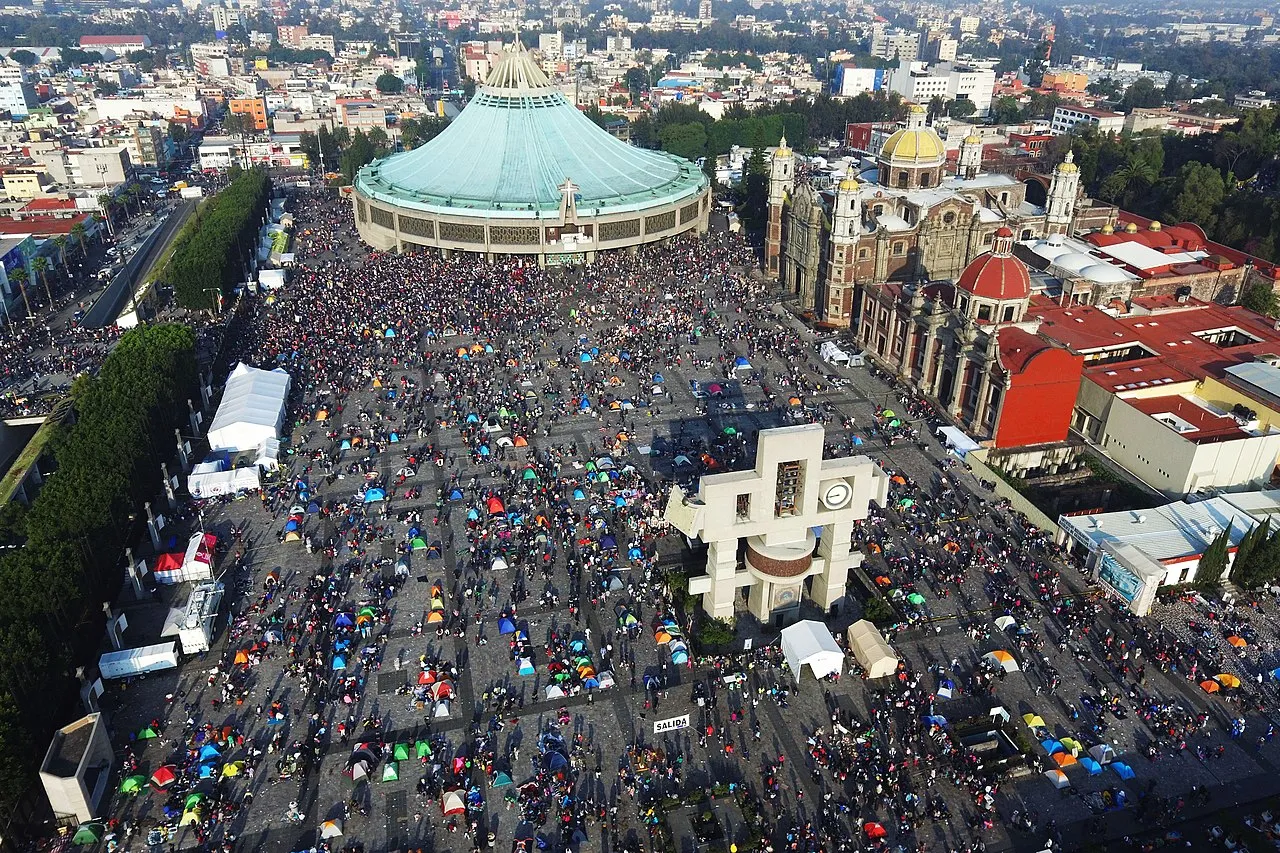
Portales appeals to residents seeking space, safety, and cultural continuity. It retains a mid-century identity, supported by markets, parks, and family-run businesses. Cultural infrastructure adds depth without overwhelming daily life.
Why it stands out
- Residential stability
- Local markets
- Accessible public spaces
| Category | Details |
|---|---|
| City | Mexico City |
| Known for | Parks, diners |
| Best time | Daytime |
| Vibe | Calm, community-focused |
26. Davenport, Toronto
Davenport sits between residential streets and industrial corridors, giving it flexibility for cultural reuse. Restaurants, breweries, and creative spaces have moved into former factories, creating an area defined by adaptation rather than redevelopment.
Why it stands out
- Warehouse conversions
- Strong food scene
- Independent nightlife
| Category | Details |
|---|---|
| City | Toronto |
| Known for | Dining, arts |
| Best time | Evening |
| Vibe | Adaptive, creative |
27. Little River, Miami
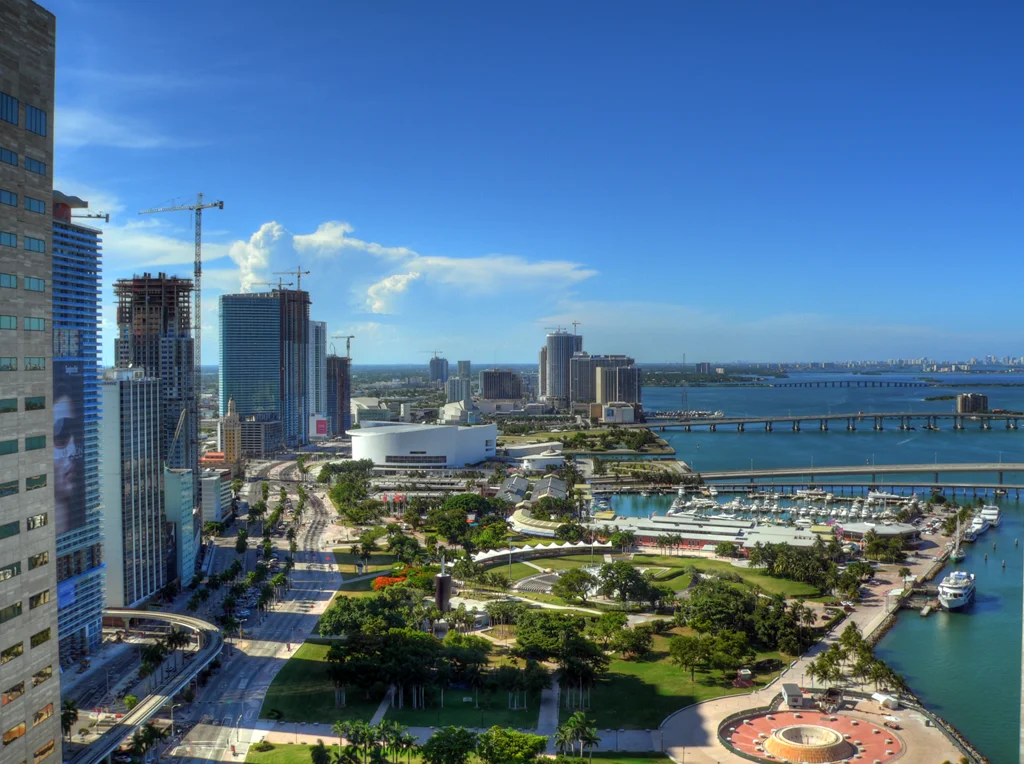
Little River’s appeal lies in its refusal to over-style itself. Industrial buildings house some of Miami’s most influential restaurants and cultural spaces, while new galleries continue to emerge. Growth remains organic.
Why it stands out
- Creative reuse of space
- Influential dining
- Strong art presence
| Category | Details |
|---|---|
| City | Miami |
| Known for | Food, galleries |
| Best time | Night |
| Vibe | Gritty, confident |
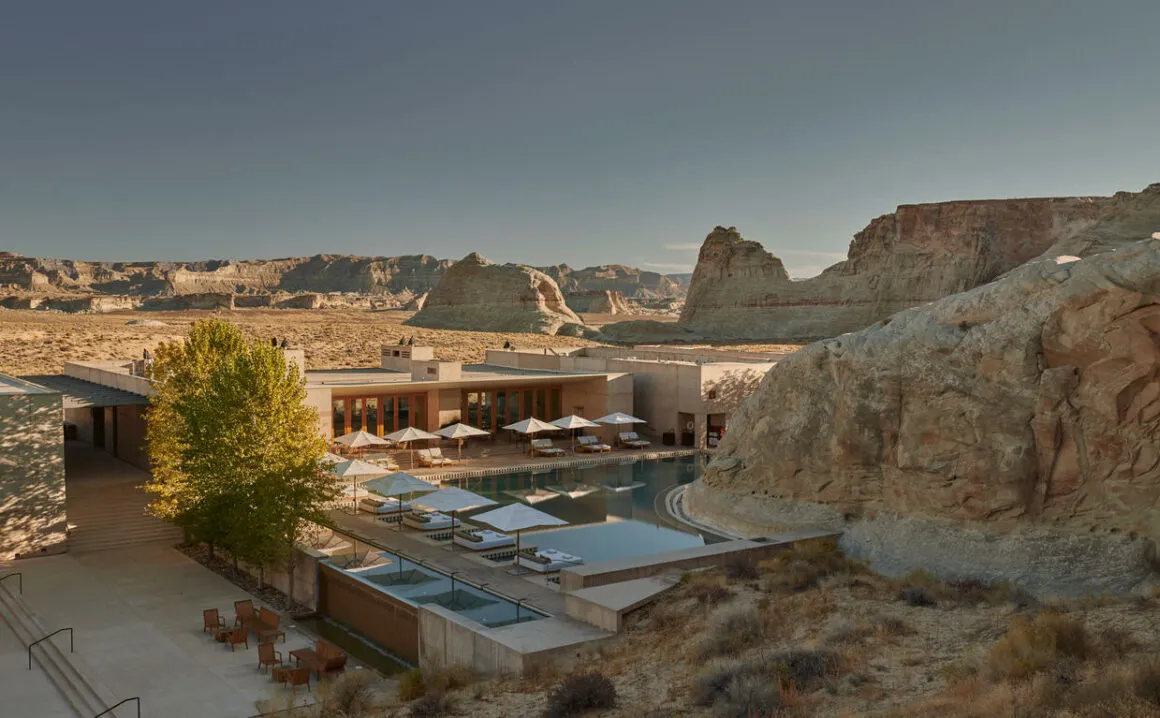
28. Kemang, Jakarta
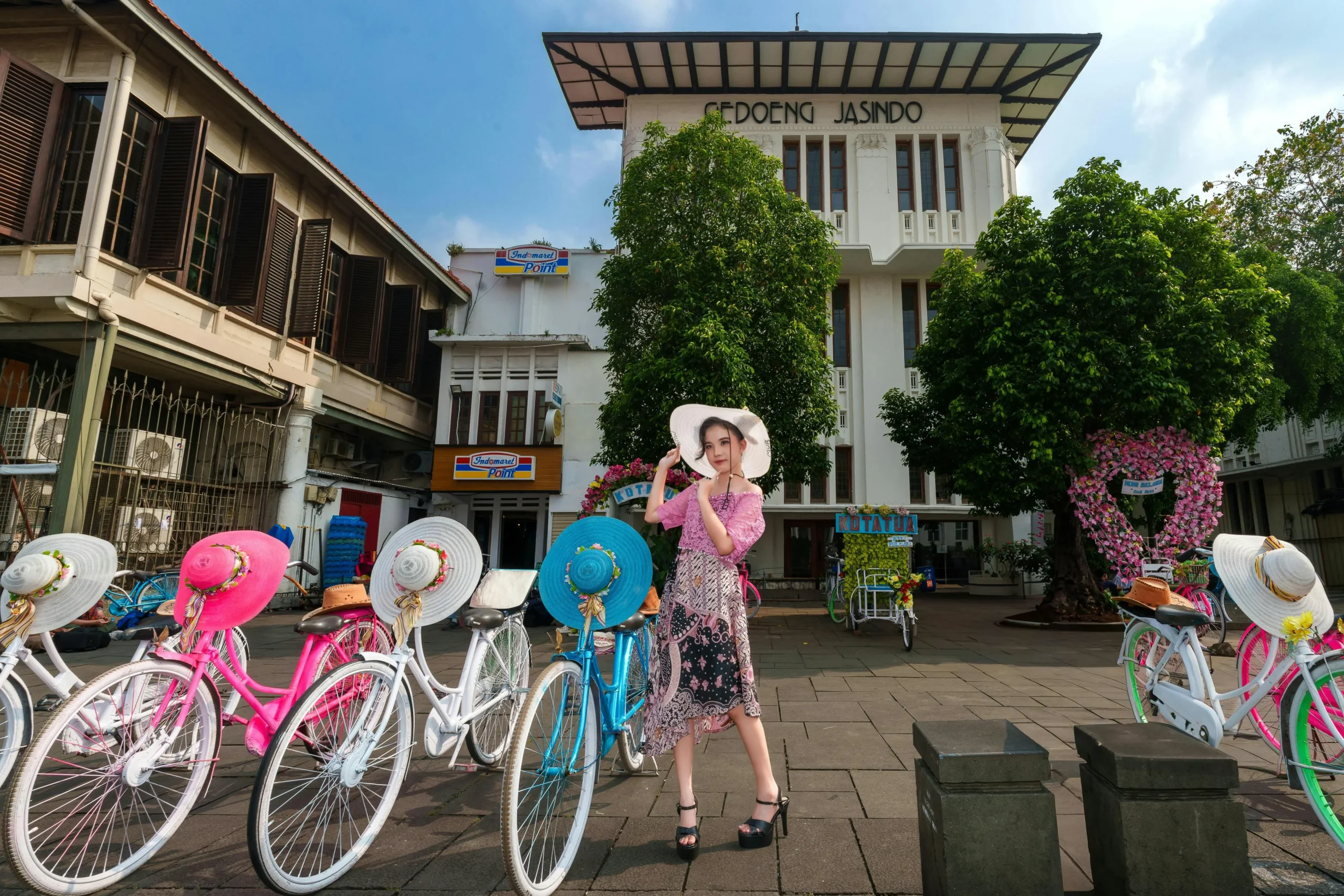
Kemang provides contrast to Jakarta’s commercial districts. Its scale, independent businesses, and relaxed nightlife attract residents seeking balance. Food culture remains central, supported by street vendors and casual bars.
Why it stands out
- Independent retail
- Street food scene
- Relaxed nightlife
| Category | Details |
|---|---|
| City | Jakarta |
| Known for | Cafés, bars |
| Best time | Evening |
| Vibe | Easygoing |
29. Botafogo, Rio de Janeiro
Botafogo is driven by momentum. Constant turnover in bars, restaurants, and galleries keeps the neighbourhood in flux. Its sidewalk culture blurs the line between dining and nightlife.
Why it stands out
- Constant cultural renewal
- Strong café scene
- High-quality dining
| Category | Details |
|---|---|
| City | Rio de Janeiro |
| Known for | Food, bars |
| Best time | Night |
| Vibe | Energetic |
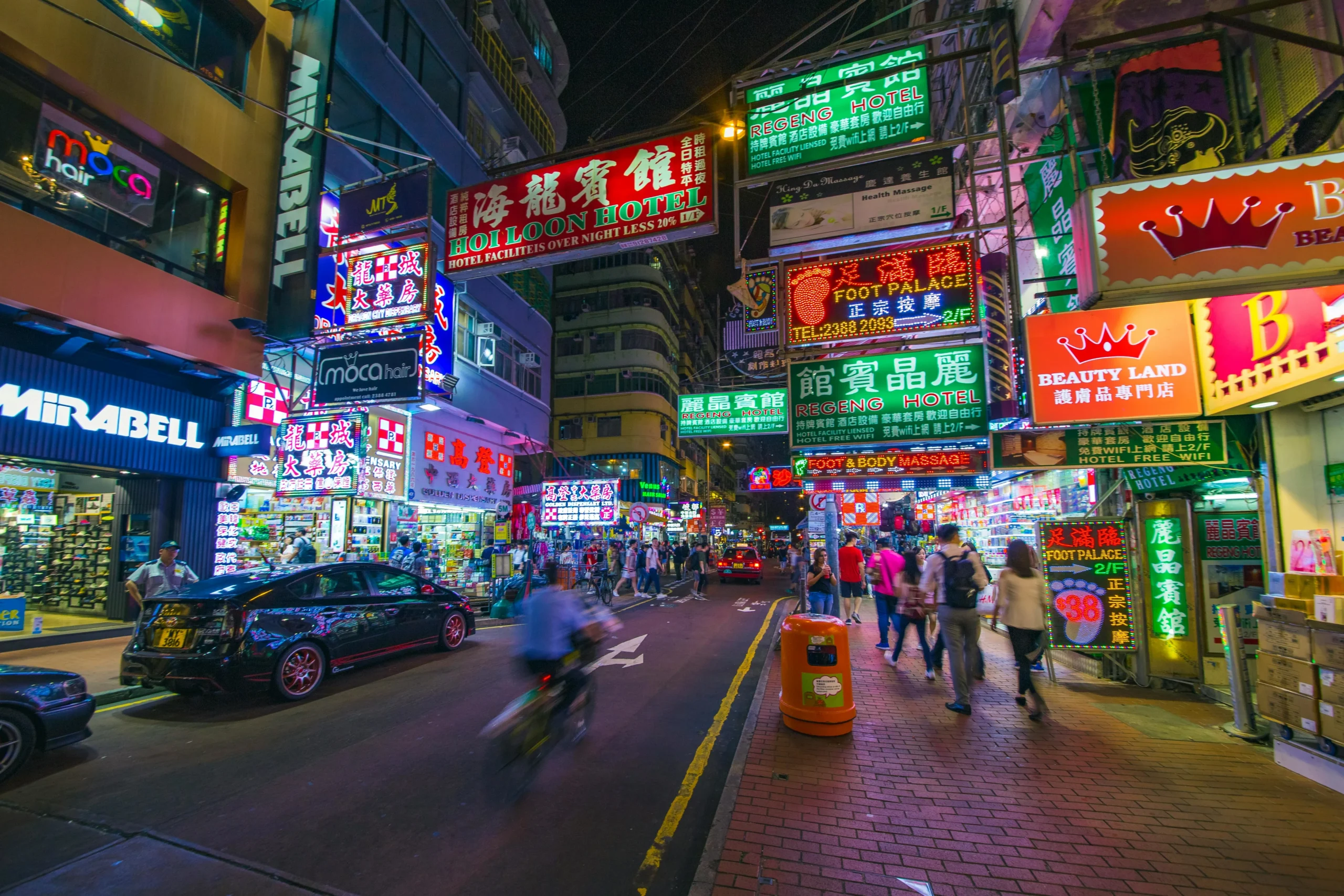
30. Sheung Wan, Hong Kong
Sheung Wan condenses Hong Kong’s history and present into a walkable area. Traditional trades operate alongside contemporary dining and nightlife, creating a layered urban experience close to the city’s core.
Why it stands out
- Historic continuity
- Dense cultural mix
- Central accessibility
| Category | Details |
|---|---|
| City | Hong Kong |
| Known for | Temples, bars |
| Best time | Late afternoon |
| Vibe | Layered, dynamic |
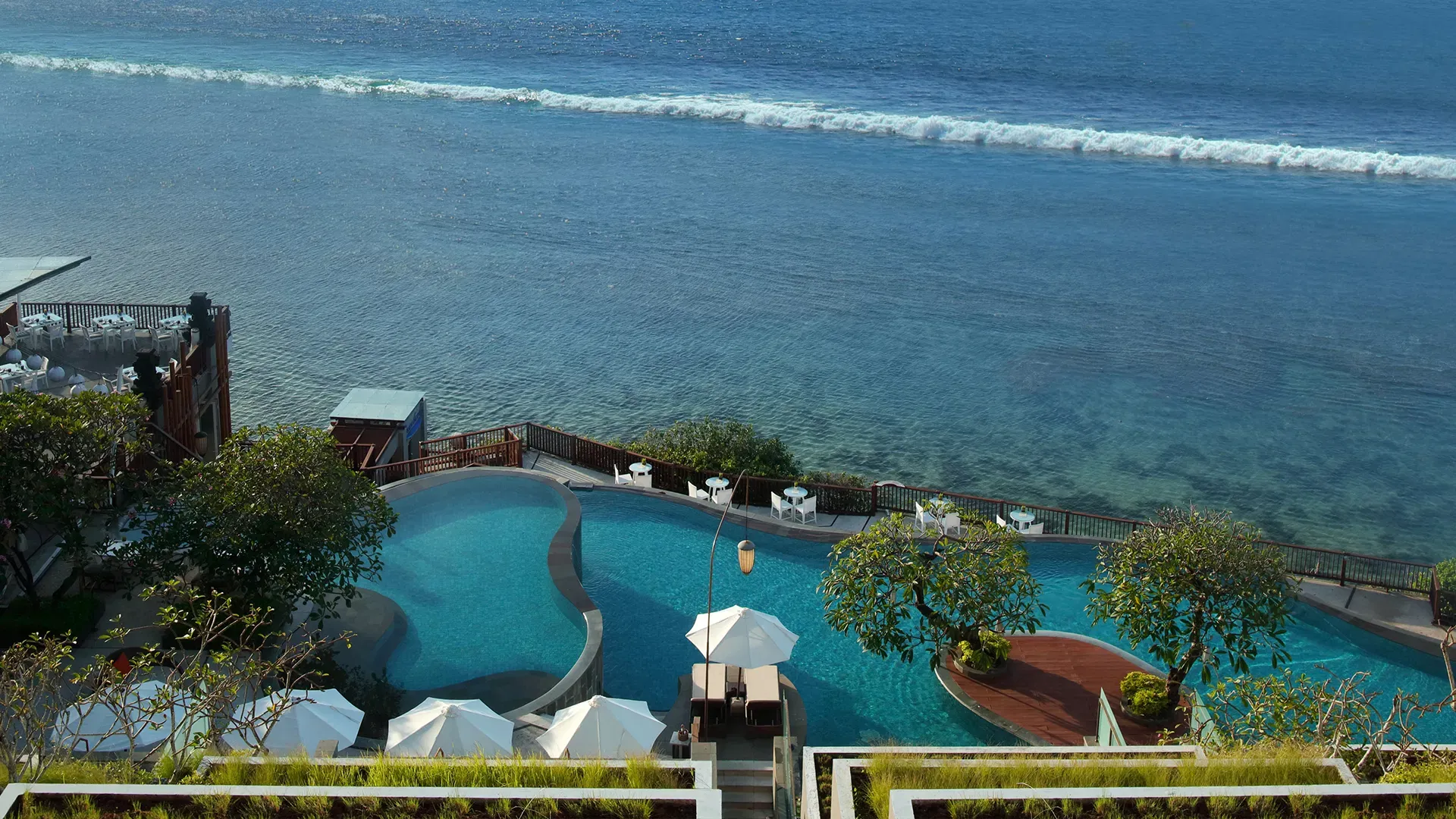
31. Barranco, Lima
Barranco is Lima’s creative heart, where art, dining, and nightlife intersect along walkable streets near the coast. Long known for its bohemian reputation, the neighbourhood now hosts globally recognised restaurants alongside galleries and historic homes. Despite its popularity, Barranco retains a sense of place rooted in local culture rather than spectacle.
Why it stands out
- Concentration of top-tier restaurants
- Strong arts infrastructure
- Coastal setting
| Category | Details |
|---|---|
| City | Lima |
| Known for | Art, dining |
| Best time | Sunset |
| Vibe | Cultural, refined |
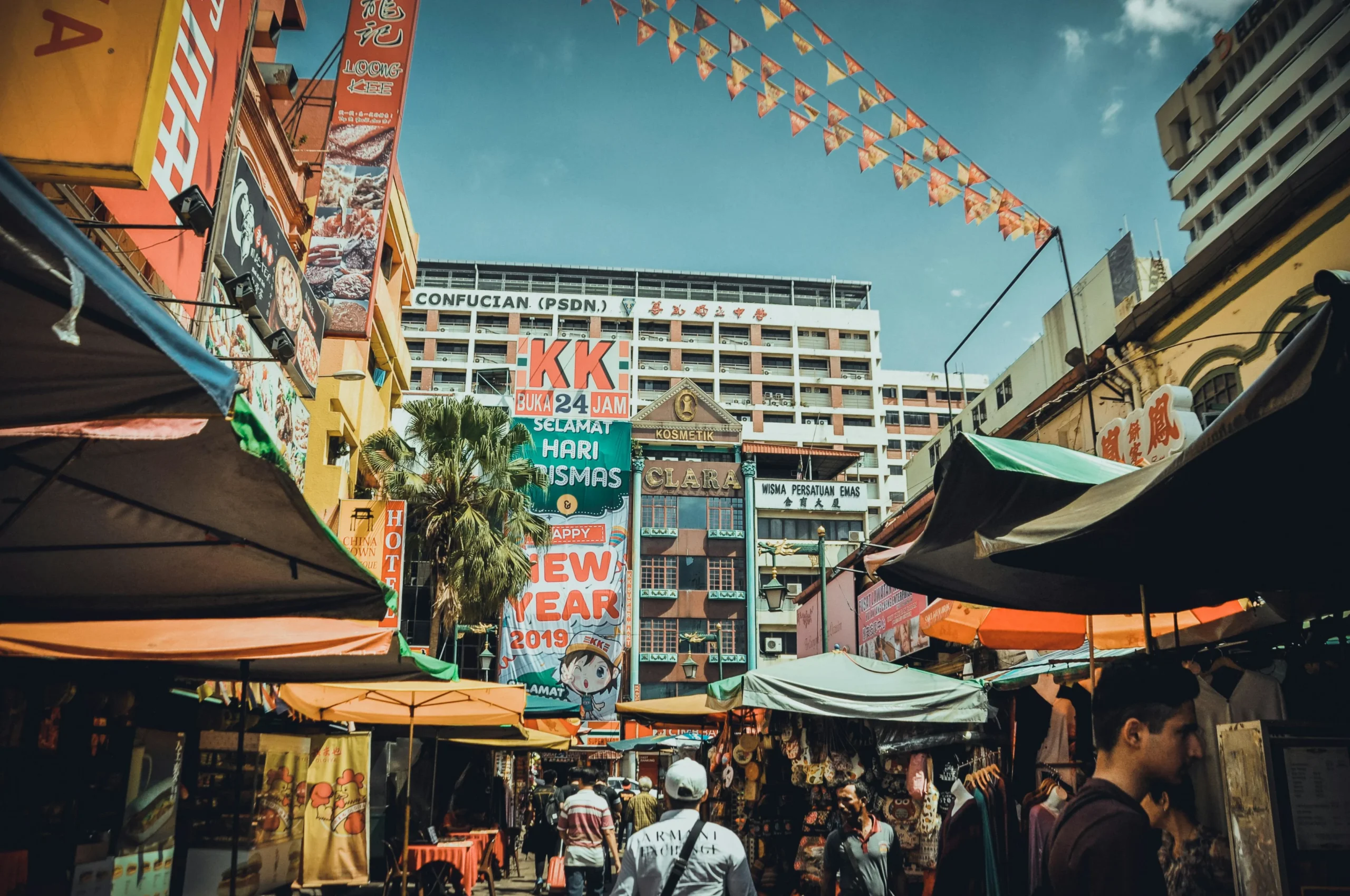
32. Mont Kiara, Kuala Lumpur
Mont Kiara functions as a lifestyle district rather than a traditional neighbourhood. International residents, design-led retail, and wellness spaces shape its identity. While modern in appearance, it retains access to local food culture and green spaces.
Why it stands out
- High liveability
- Diverse dining options
- Access to nature nearby
| Category | Details |
|---|---|
| City | Kuala Lumpur |
| Known for | Cafés, retail |
| Best time | Morning |
| Vibe | Polished, social |
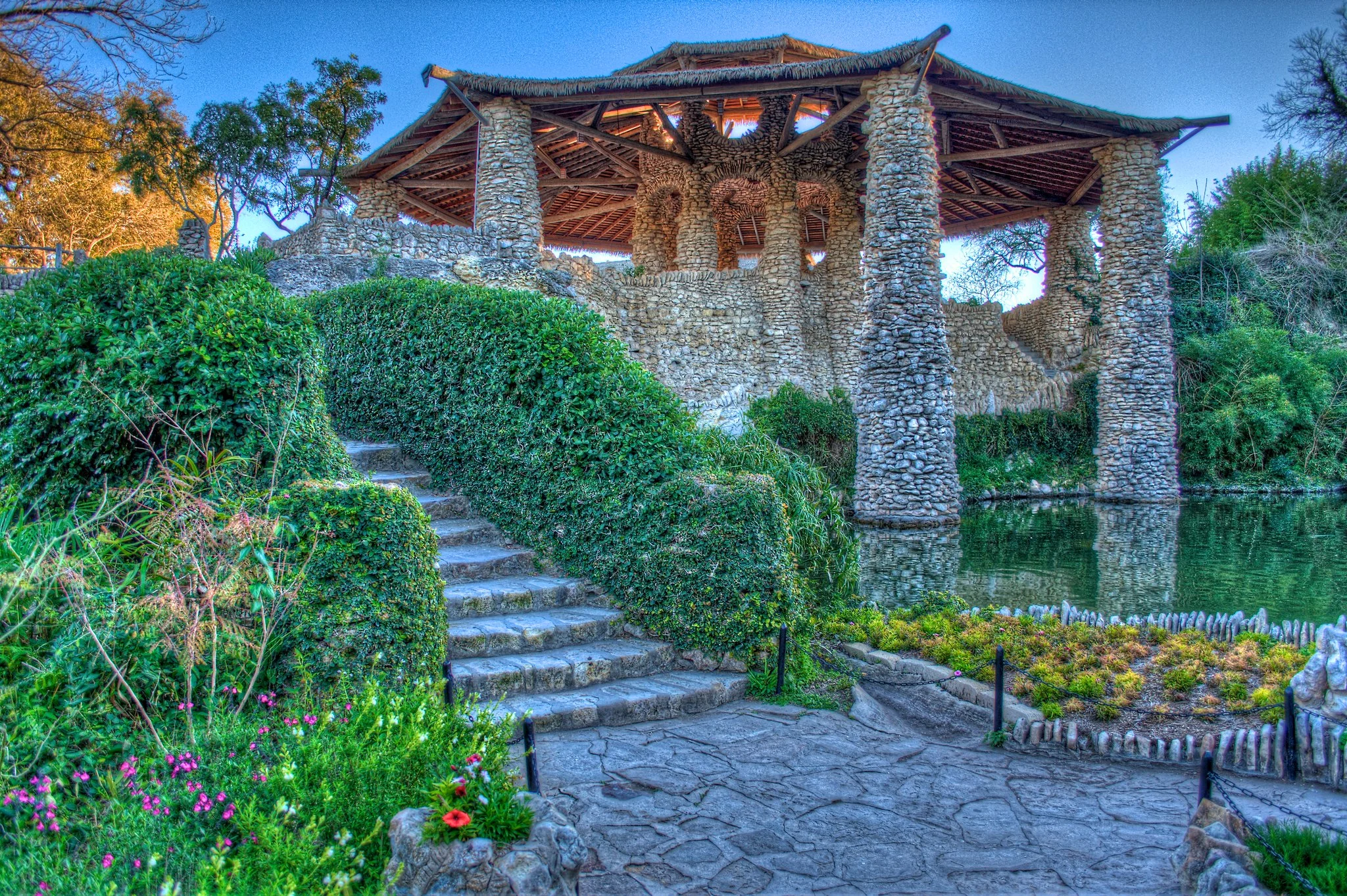
33. Clarksville, Austin
Clarksville reflects Austin’s tension between heritage and redevelopment. Historic homes coexist with new hospitality projects, while local businesses maintain continuity. Its location makes it both a retreat and a strategic base.
Why it stands out
- Historic significance
- Boutique dining
- Central location
| Category | Details |
|---|---|
| City | Austin |
| Known for | Restaurants, shops |
| Best time | Weekend |
| Vibe | Transitional |
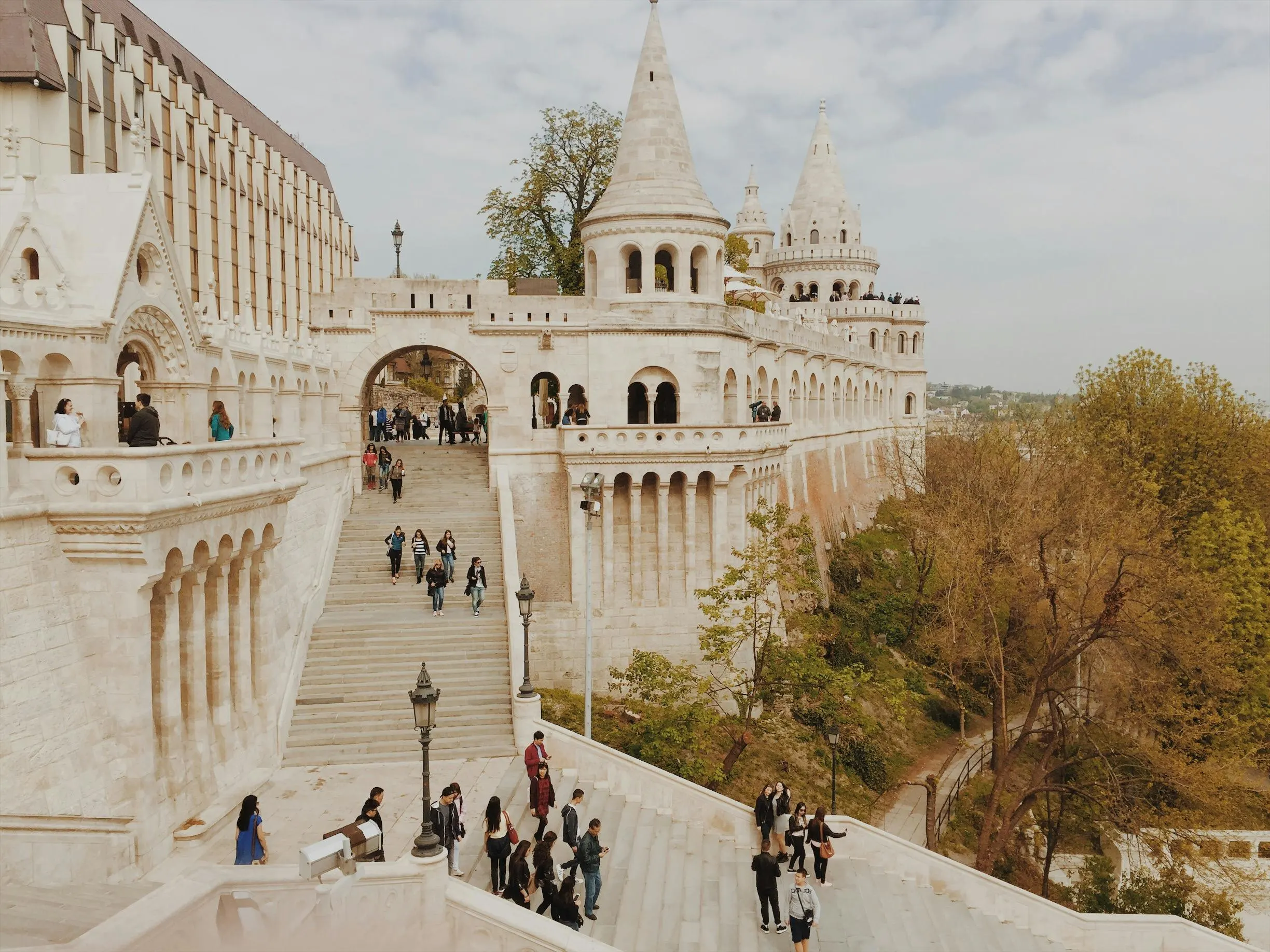
34. Margit-negyed, Budapest
Margit-negyed is Budapest’s newest cultural experiment, shaped by targeted urban revitalisation. New cafés, galleries, and restaurants sit beside remnants of earlier eras, producing a neighbourhood defined by contrast.
Why it stands out
- Cultural investment
- Emerging food scene
- Central positioning
| Category | Details |
|---|---|
| City | Budapest |
| Known for | Cafés, culture |
| Best time | Evening |
| Vibe | Emerging |
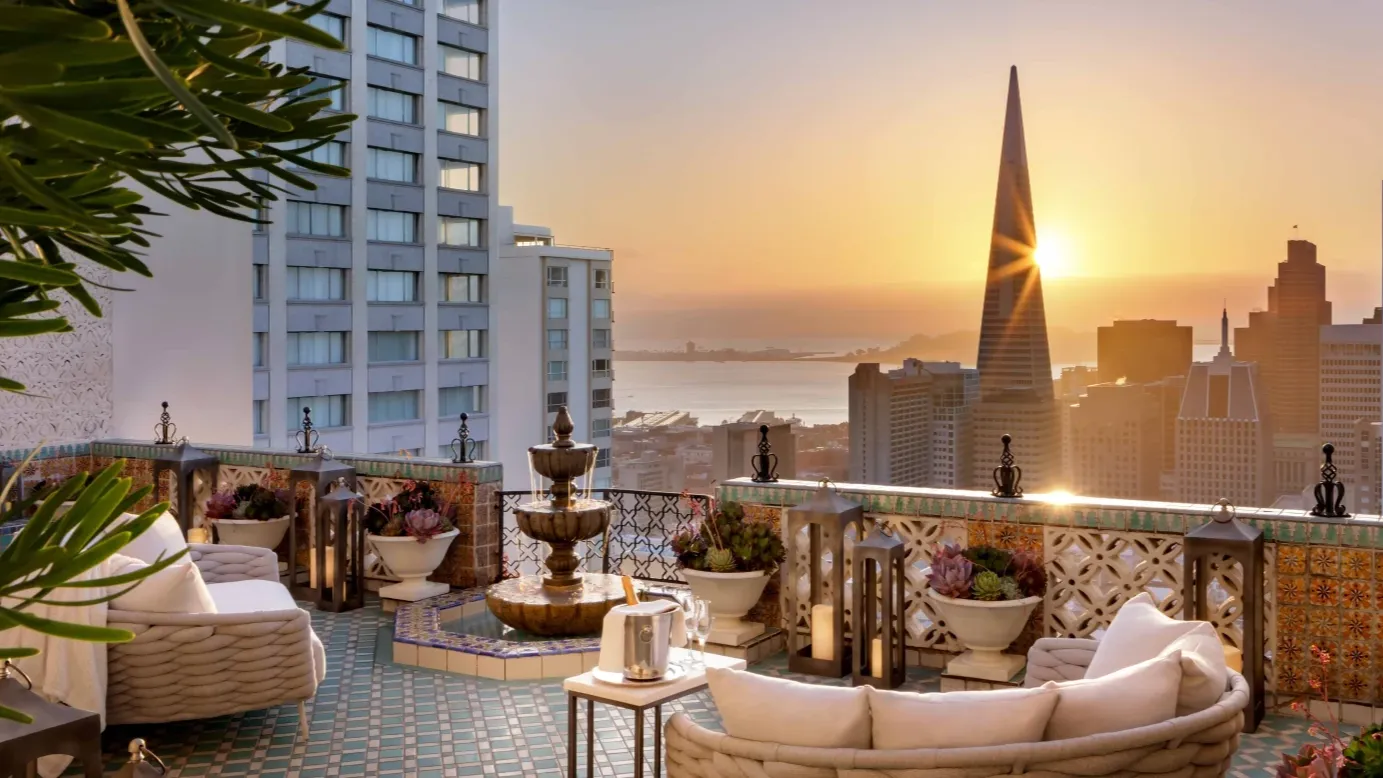
35. Glen Park, San Francisco
Glen Park prioritises landscape over nightlife. Anchored by a large canyon park, it offers a village-like atmosphere within San Francisco. Its appeal lies in nature access and community stability.
Why it stands out
- Large urban green space
- Residential character
- Scenic views
| Category | Details |
|---|---|
| City | San Francisco |
| Known for | Parks, local shops |
| Best time | Morning |
| Vibe | Calm, residential |
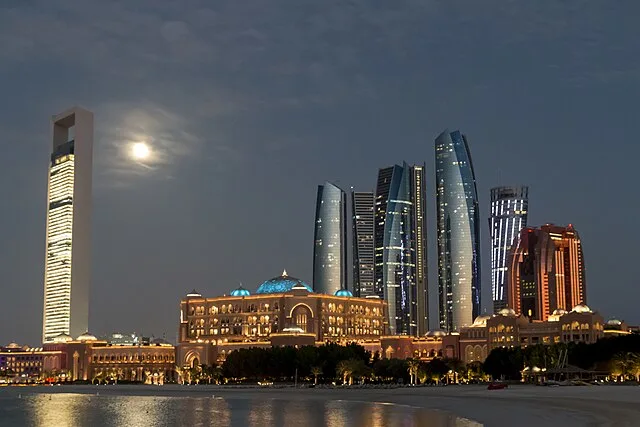
36. MiZa, Abu Dhabi
MiZa represents Abu Dhabi’s shift toward grassroots culture. Former warehouses now host exhibitions, food pop-ups, and creative retail. The neighbourhood’s identity is still forming, which adds to its appeal.
Why it stands out
- Adaptive reuse
- Growing arts scene
- Food-led development
| Category | Details |
|---|---|
| City | Abu Dhabi |
| Known for | Art, food |
| Best time | Evening |
| Vibe | Experimental |
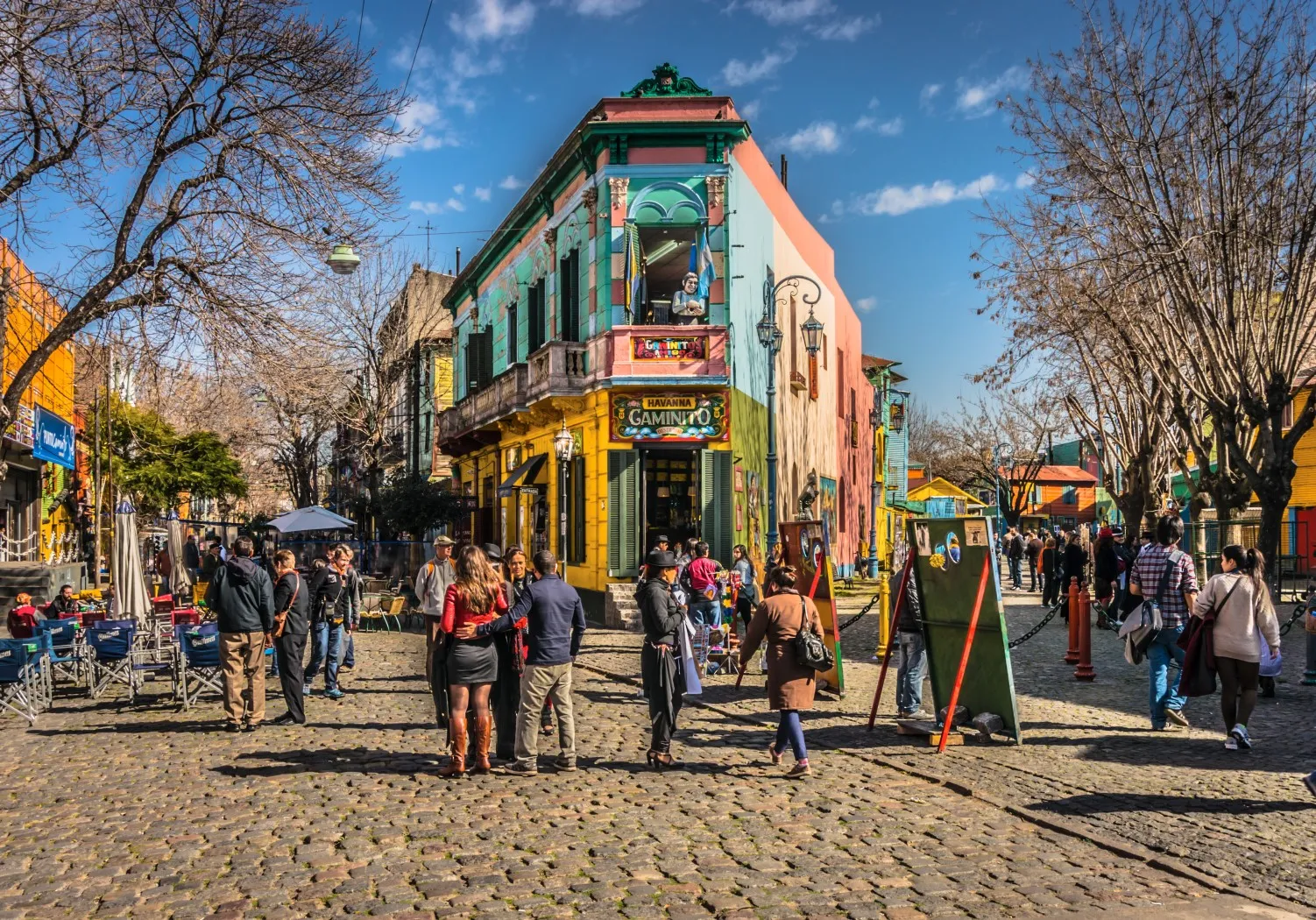
37. Villa Devoto, Buenos Aires
Villa Devoto balances elegance with everyday life. Its green spaces, historic cafés, and cultural institutions give it a slower pace than central Buenos Aires, while new restaurants bring renewed attention.
Why it stands out
- Garden-city layout
- Strong culinary growth
- Community focus
| Category | Details |
|---|---|
| City | Buenos Aires |
| Known for | Parks, dining |
| Best time | Spring |
| Vibe | Refined, relaxed |
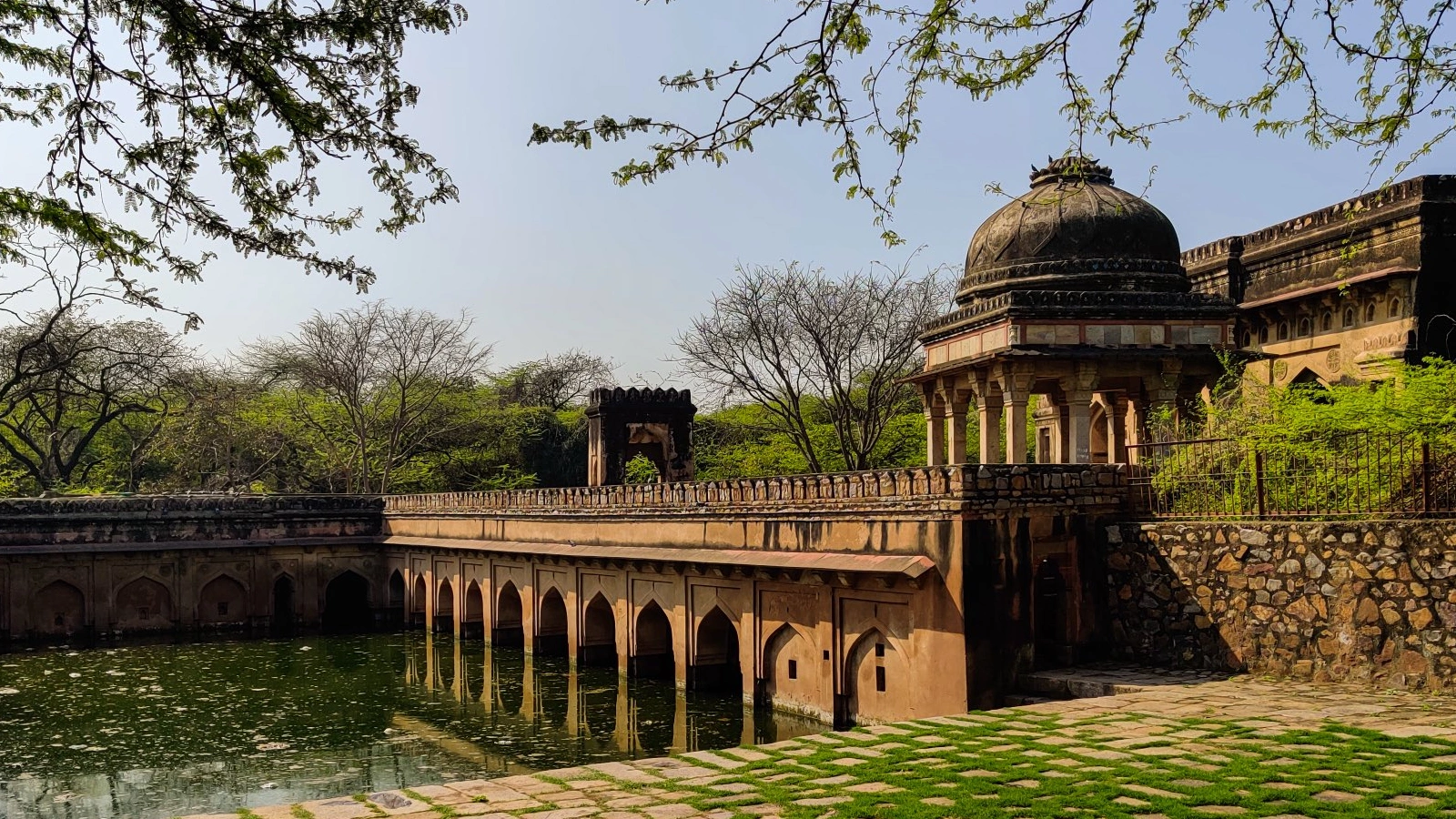
38. Mehrauli, Delhi
Mehrauli compresses centuries of history into a single neighbourhood. Ancient monuments, luxury dining, and residential life coexist within walking distance. Its cultural depth sets it apart from newer urban districts.
Why it stands out
- Historic landmarks
- High-end hospitality
- Mixed urban fabric
| Category | Details |
|---|---|
| City | Delhi |
| Known for | Heritage, dining |
| Best time | Autumn |
| Vibe | Historic, dynamic |
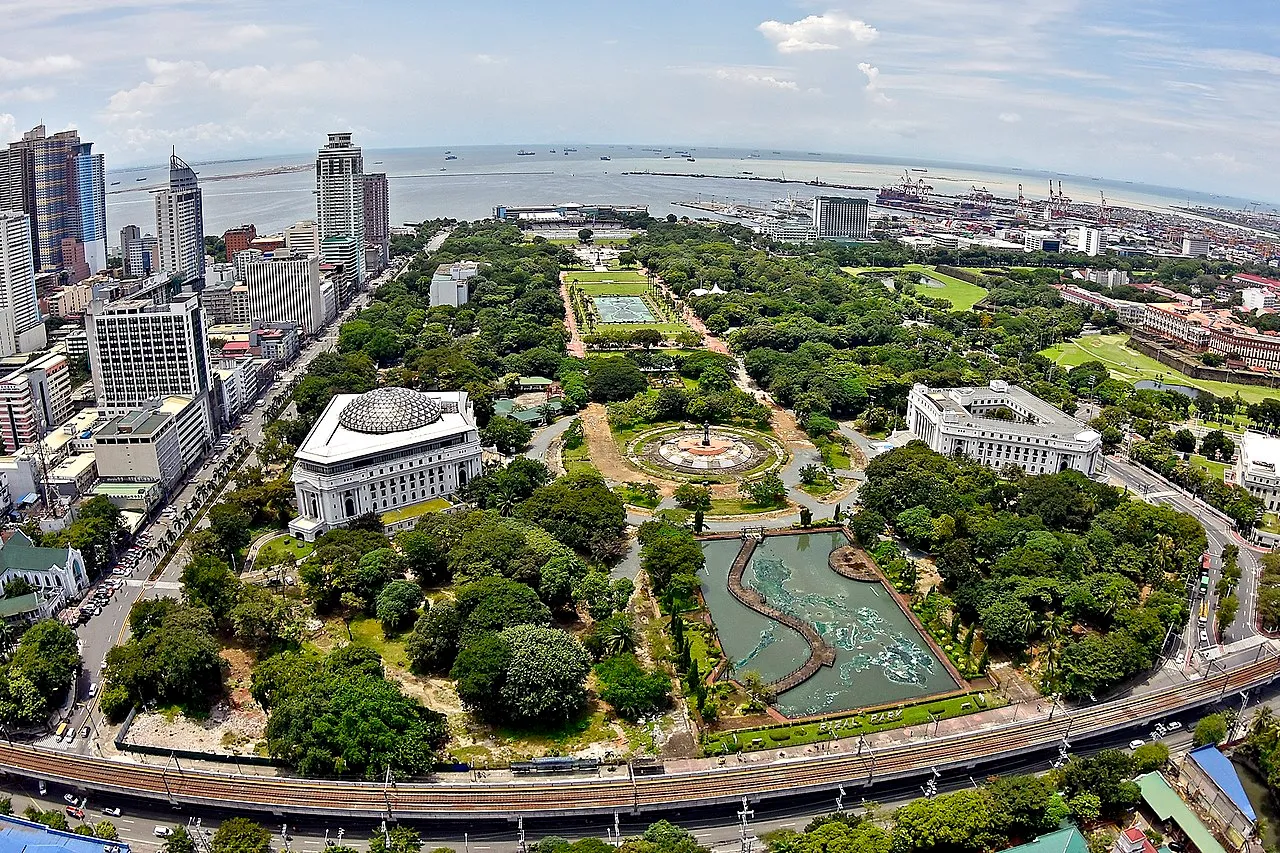
39. Poblacion, Metro Manila
Poblacion thrives on density and improvisation. Independent bars, restaurants, and art spaces occupy old buildings, driven by local initiative rather than planning. The neighbourhood transitions seamlessly from daytime cafés to late-night street food.
Why it stands out
- Organic growth
- Strong nightlife
- Compact walkability
| Category | Details |
|---|---|
| City | Metro Manila |
| Known for | Bars, food |
| Best time | Night |
| Vibe | Energetic, authentic |
Bottom line
Cool neighbourhoods rarely announce themselves. They emerge through daily use, creative risk-taking, and the slow accumulation of small, independent ideas.
Across these 39 districts, a shared pattern becomes clear: relevance comes from adaptability rather than scale.
Whether shaped by historic layers, post-industrial reinvention, or community-led change, each neighbourhood reflects how cities respond to social, cultural, and economic pressures in real time.
Stay tuned with us. Further, follow us on social media for the latest updates.
Join us on Telegram Group for the Latest Aviation Updates. Subsequently, follow us on Google News
