

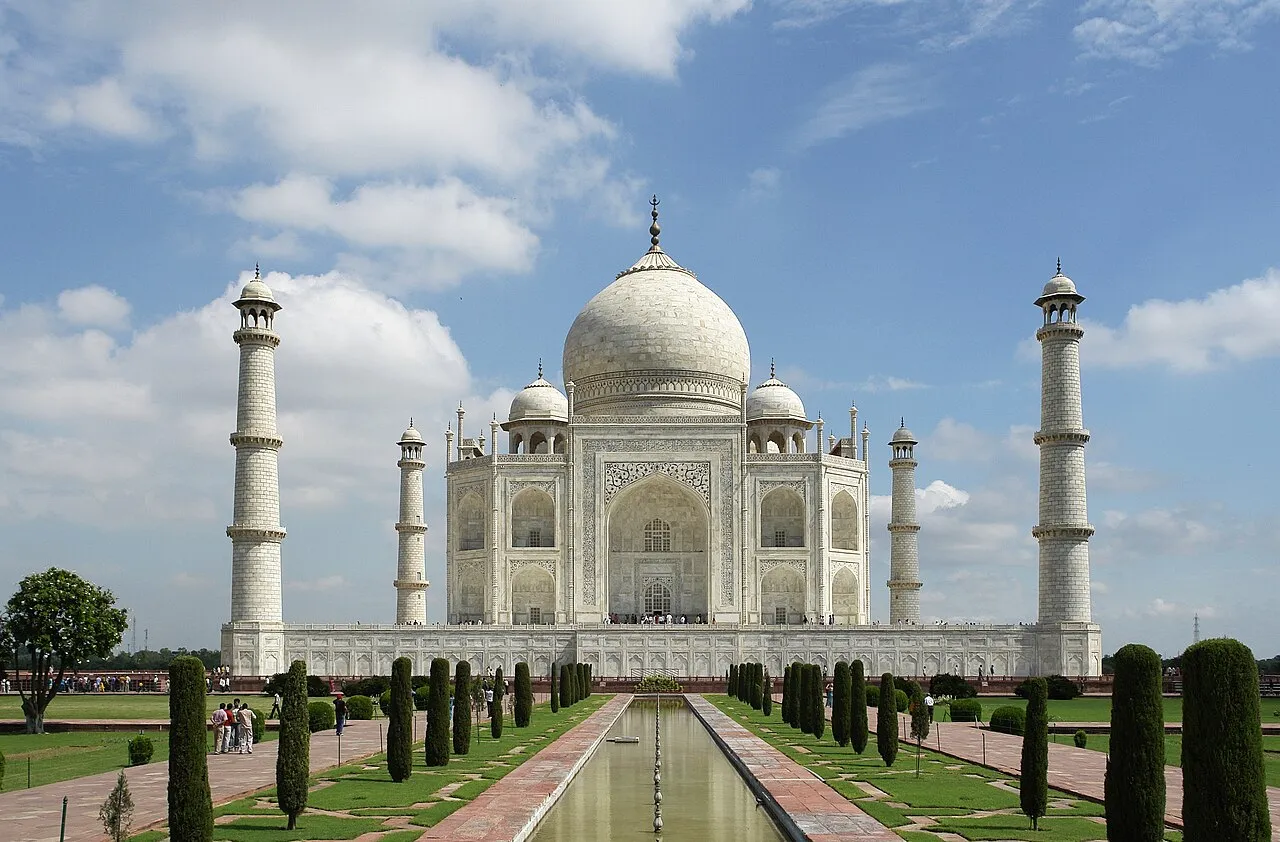
Architecture is one of humanity’s greatest artistic achievements. Unlike paintings or sculptures that are viewed from a distance, buildings become part of everyday life. They shape city skylines, preserve history, inspire visitors, and often tell stories that span centuries.
The world’s most beautiful buildings are not simply impressive because of their size or age; they combine remarkable design, cultural significance, engineering excellence, and emotional impact.
10 Most Beautiful Buildings in the World in 2026
In 2026, Time Out published its updated list of the world’s most beautiful buildings, celebrating structures that range from ancient wonders and religious landmarks to modern architectural masterpieces. The ranking showcases how beauty can take many forms, whether it is the perfect symmetry of a Mughal mausoleum, the dramatic lines of a Brutalist housing complex, or a futuristic art museum sitting among forested hills.
1. Taj Mahal, India
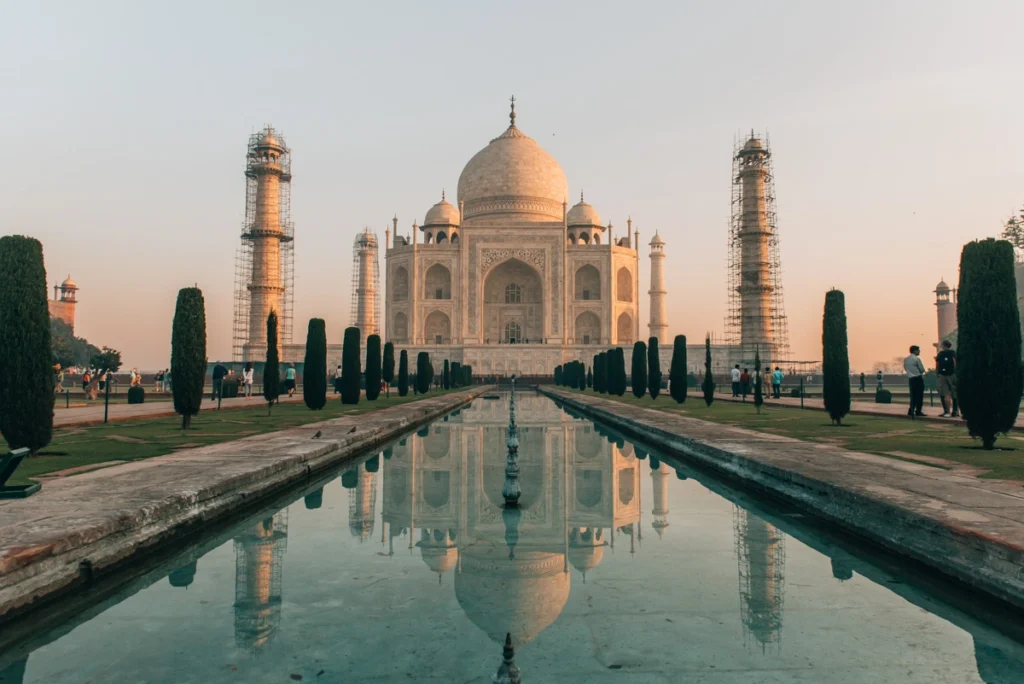
The Taj Mahal remains the world’s most beautiful building in 2026 and continues to captivate millions of visitors every year. Built between 1632 and 1653 by Mughal Emperor Shah Jahan in memory of his beloved wife Mumtaz Mahal, the monument is often regarded as the greatest expression of love ever created in stone.
Constructed from gleaming white marble, the Taj Mahal is celebrated for its perfect symmetry, intricate carvings, elegant gardens, and breathtaking reflection pools. Every element of the structure was designed to create harmony and balance.
What makes the Taj Mahal truly special is the emotional story behind it. More than just a mausoleum, it stands as a timeless symbol of devotion and architectural brilliance. Nearly four centuries after its completion, it continues to inspire travellers from around the world.
2. The Barbican Estate, United Kingdom
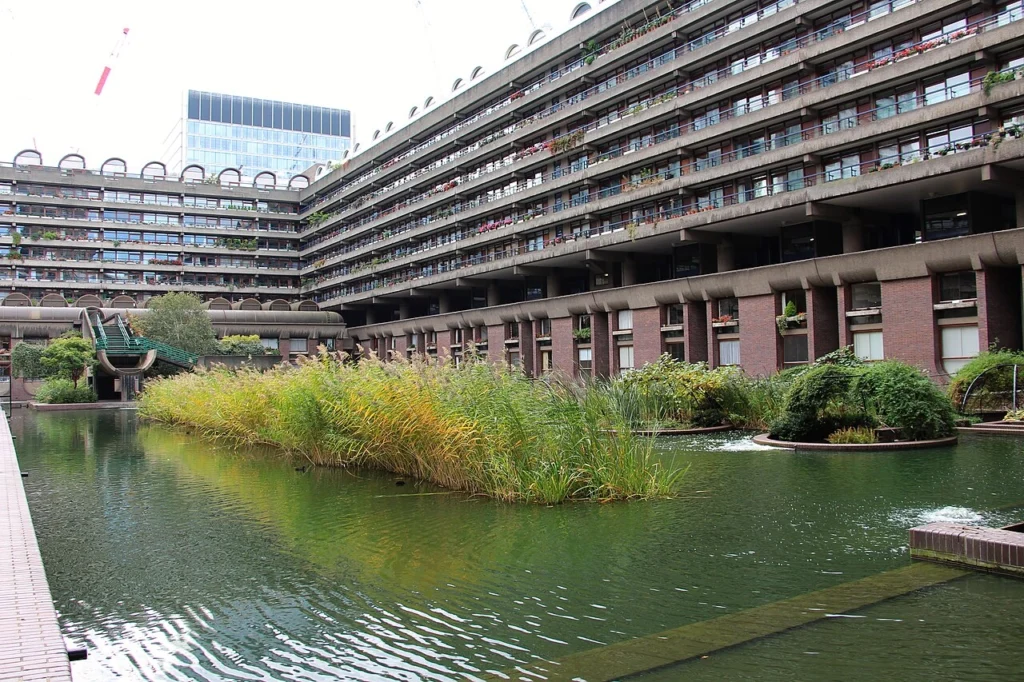
The Barbican Estate in London is perhaps the most surprising entry in the ranking.
A masterpiece of Brutalist architecture, the Barbican was built between 1965 and 1976 and remains one of the most ambitious urban development projects ever undertaken in Britain. While its raw concrete appearance divides opinion, architecture enthusiasts admire its bold vision, geometric design, and unique integration of housing, culture, and public spaces.
The estate includes residential towers, gardens, lakes, theatres, galleries, and performance venues. Its dramatic appearance creates a striking contrast against the surrounding cityscape.
Over time, the Barbican has evolved from a controversial development into one of London’s most iconic architectural landmarks.

3. Hallgrimskirkja, Iceland
Dominating the skyline of Reykjavik, Hallgrimskirkja is Iceland’s largest church and one of the most recognisable buildings in Northern Europe.
Designed by architect Gudjon Samuelsson, the church took more than four decades to complete. Its unique appearance was inspired by Iceland’s volcanic landscapes, particularly the basalt columns formed by cooling lava.
The towering structure resembles a rocket rising into the sky, yet it blends perfectly with Iceland’s dramatic natural environment. Inside, visitors find a minimalist interior that emphasises light, space, and simplicity.
Hallgrimskirkja demonstrates how architecture can reflect the geography and identity of an entire nation.
4. Sagrada Familia, Spain
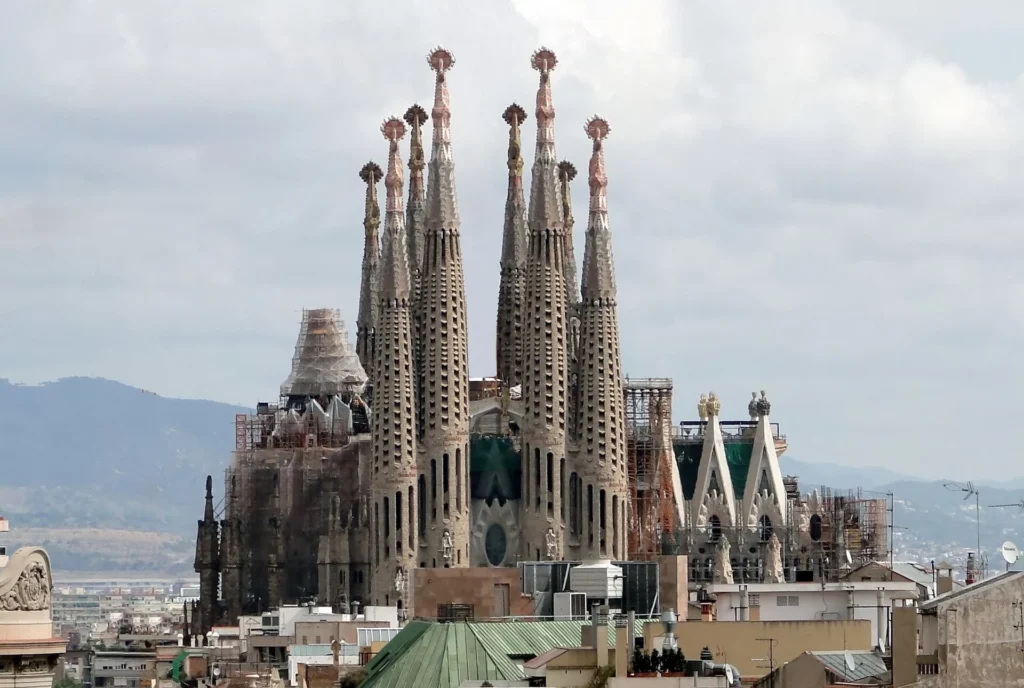
Few buildings have captured the world’s imagination quite like Barcelona’s Sagrada Familia.
Designed by Antoni Gaudi, construction began in 1882 and continued for more than 140 years. In 2026, the completion of the Tower of Jesus Christ brought the project closer than ever to its final vision.
The basilica combines Gothic and Art Nouveau influences in ways never seen before. Its exterior resembles a giant sculpture, while the interior is designed to feel like a forest of stone columns illuminated by colourful stained-glass windows.
Every corner reveals extraordinary detail and symbolism. The result is not just a church but one of the most ambitious architectural achievements in human history.

5. Museum SAN, South Korea
Museum SAN is one of the newest entries on Time Out’s list and represents modern architecture at its finest.
Located among the hills of South Korea’s Gangwon region, the museum was designed by celebrated Japanese architect Tadao Ando. The name SAN stands for Space, Art, and Nature, the three elements that define the visitor experience.
The museum is surrounded by sculpture gardens, water features, forests, and rolling hills. Minimalist concrete structures blend seamlessly into the landscape, creating a sense of tranquillity and reflection.
Rather than dominating its environment, Museum SAN works in harmony with nature, proving that modern architecture can be both innovative and peaceful.

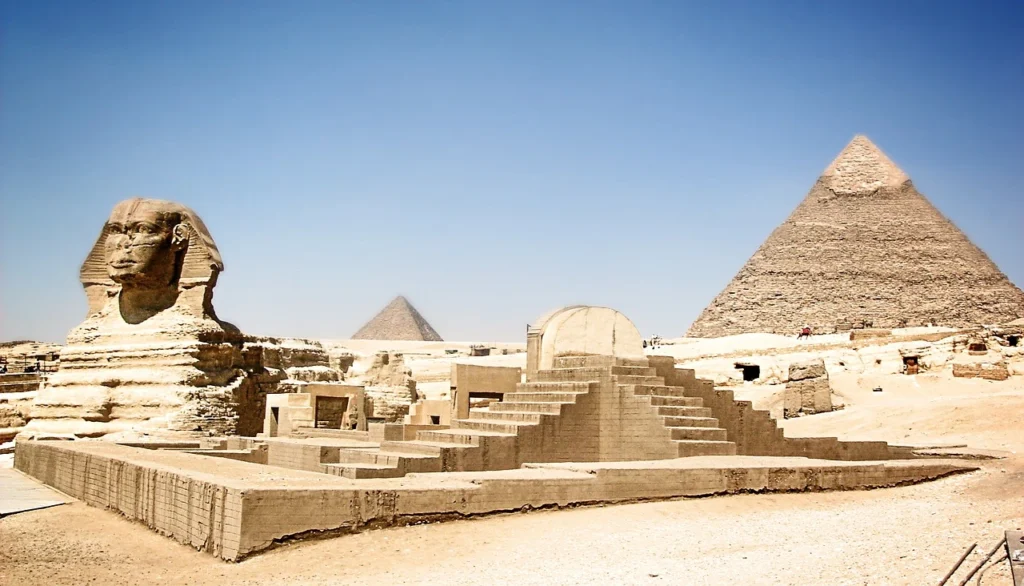
6. The Pyramids of Giza, Egypt
The Pyramids of Giza are among the oldest structures on this list and remain one of humanity’s greatest engineering achievements.
Constructed between 2550 and 2490 BC, the pyramids served as tombs for Egypt’s pharaohs and are the only surviving wonder of the ancient world. More than 4,500 years later, they continue to astonish visitors with their scale and precision.
The Great Pyramid stood as the tallest man-made structure on Earth for nearly four millennia. Even today, historians and engineers remain fascinated by the methods used to construct these colossal monuments.
Their beauty lies not only in their appearance but also in the mystery and ambition they represent.
7. Fallingwater, United States
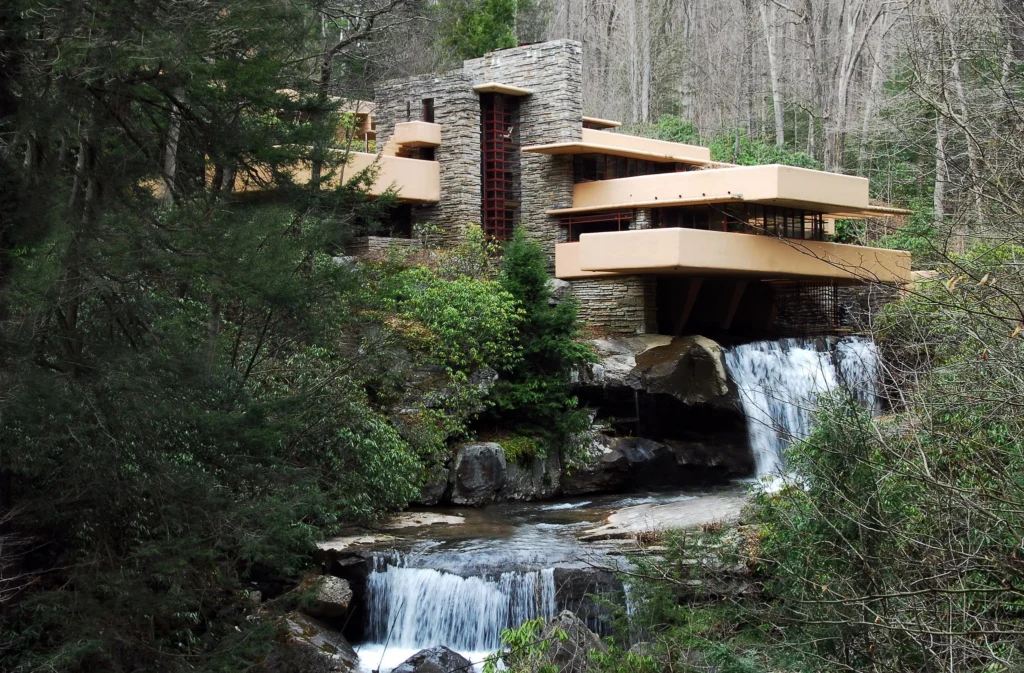
Designed by legendary architect Frank Lloyd Wright, Fallingwater is widely considered one of the greatest houses ever built.
Completed in 1939, the residence was constructed directly above a waterfall in Pennsylvania’s Bear Run Nature Reserve. Rather than simply overlooking nature, the building becomes part of it.
Cantilevered terraces extend over the flowing water, while natural stone elements blur the boundary between interior and exterior spaces. Visitors constantly hear the sound of the waterfall beneath the structure.
Fallingwater remains a landmark achievement in organic architecture and demonstrates how human creativity can complement the natural world.
8. Ad-Dayr (The Monastery), Petra, Jordan
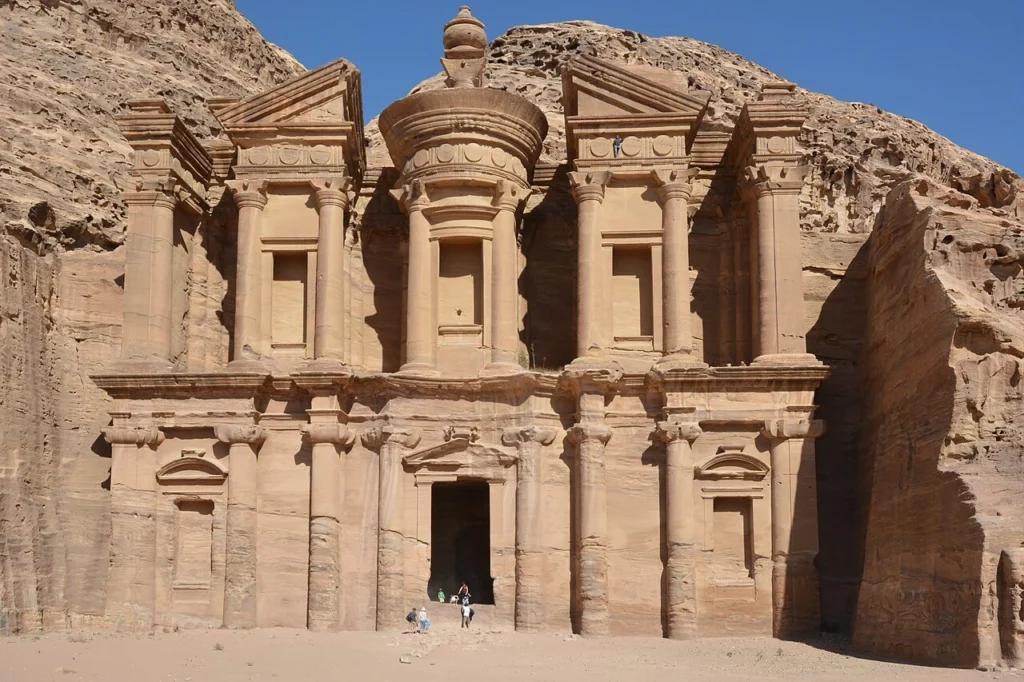
Hidden among the rose-coloured sandstone cliffs of Petra, Ad-Dayr is one of the most spectacular buildings ever carved from solid rock.
Built by the Nabataeans more than 2,000 years ago, the structure stands nearly 50 metres high and is reached by climbing hundreds of stone steps through the surrounding mountains.
Unlike many ancient monuments, Ad-Dayr feels integrated into its environment. The façade appears to emerge naturally from the cliff face itself.
Its remote location, monumental scale, and extraordinary craftsmanship make it one of the world’s most unforgettable architectural treasures.
9. Fondation Louis Vuitton, France
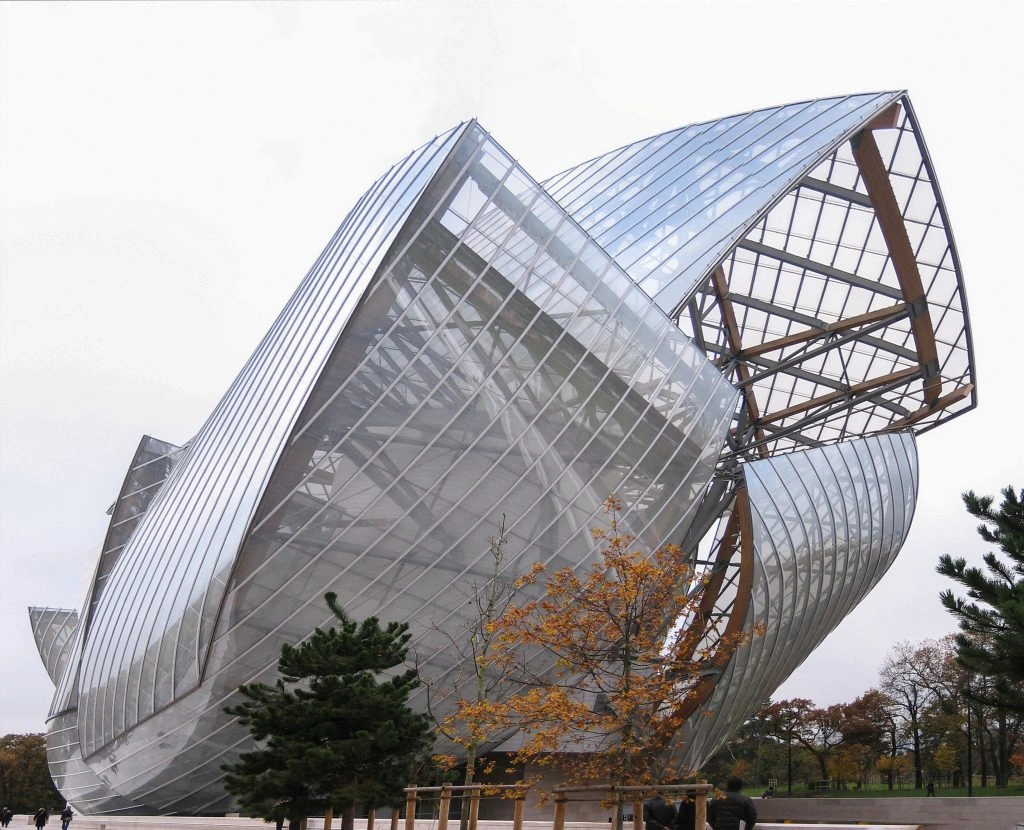
Paris is famous for historic architecture, but Fondation Louis Vuitton proves that contemporary design can be equally breathtaking.
Designed by renowned architect Frank Gehry, the building resembles a giant sailing ship made from glass. Its flowing curves and transparent surfaces create constantly changing reflections depending on the weather and time of day.
The museum houses contemporary art exhibitions, but the building itself is often regarded as the main attraction.
Fondation Louis Vuitton demonstrates how modern architecture can be both technologically advanced and visually stunning.
10. Trinity College Library, Ireland
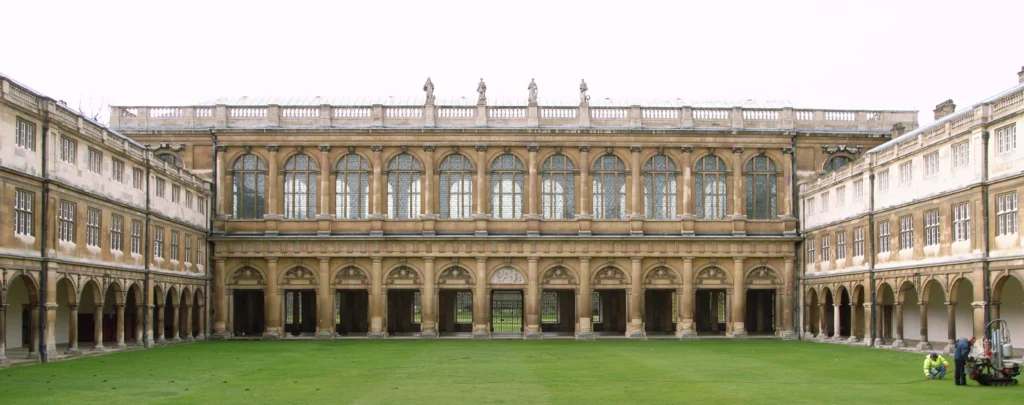
Completing the top ten is the magnificent Trinity College Library in Dublin.
The library’s famous Long Room is one of the most photographed interiors in the world. Lined with towering wooden shelves and historic busts, the hall creates an atmosphere that feels almost magical.
Founded in the sixteenth century, the library houses countless rare manuscripts and historical works, including the world-famous Book of Kells.
Its combination of history, scholarship, and architectural elegance makes Trinity College Library one of the most beautiful cultural landmarks on Earth.
What Makes a Building Beautiful?
The buildings on this list come from different eras, cultures, and architectural traditions, yet they share several common qualities:
- Exceptional craftsmanship.
- Innovative design.
- Strong cultural significance.
- Emotional impact.
- Harmony with their surroundings.
- Enduring visual appeal.
- Historical importance.
- Engineering excellence.
Whether ancient or modern, these structures continue to inspire millions because they represent the very best of human creativity.
Why Architecture Continues to Inspire
Great architecture does more than provide shelter. It tells stories, preserves heritage, reflects cultural values, and pushes the boundaries of what is possible.
The Taj Mahal tells a story of love. The Pyramids of Giza reflect ancient ambition. Sagrada Familia showcases artistic imagination. Fallingwater demonstrates harmony with nature. Together, these buildings remind us that architecture is one of humanity’s most enduring forms of expression.
Even centuries after their construction, they continue to attract visitors, influence designers, and shape how people experience the world.
Bottom Line
The Top 10 Most Beautiful Buildings in the World in 2026, according to Time Out, showcase the extraordinary diversity of human architectural achievement. Each building tells its own story while contributing to humanity’s shared artistic legacy, making them essential destinations for anyone who appreciates beauty, history, and design.
FAQs
The Taj Mahal in India was ranked as the world’s most beautiful building by Time Out in 2026.
The Pyramids of Giza are the oldest structures on the list, dating back more than 4,500 years.
Its perfect symmetry, exquisite marble craftsmanship, historical significance, and romantic origin story combine to create one of the most admired architectural masterpieces ever built.
Stay tuned with us. Further, follow us on social media for the latest updates.
Join us on Telegram Group for the Latest Aviation Updates. Subsequently, follow us on Google News
