

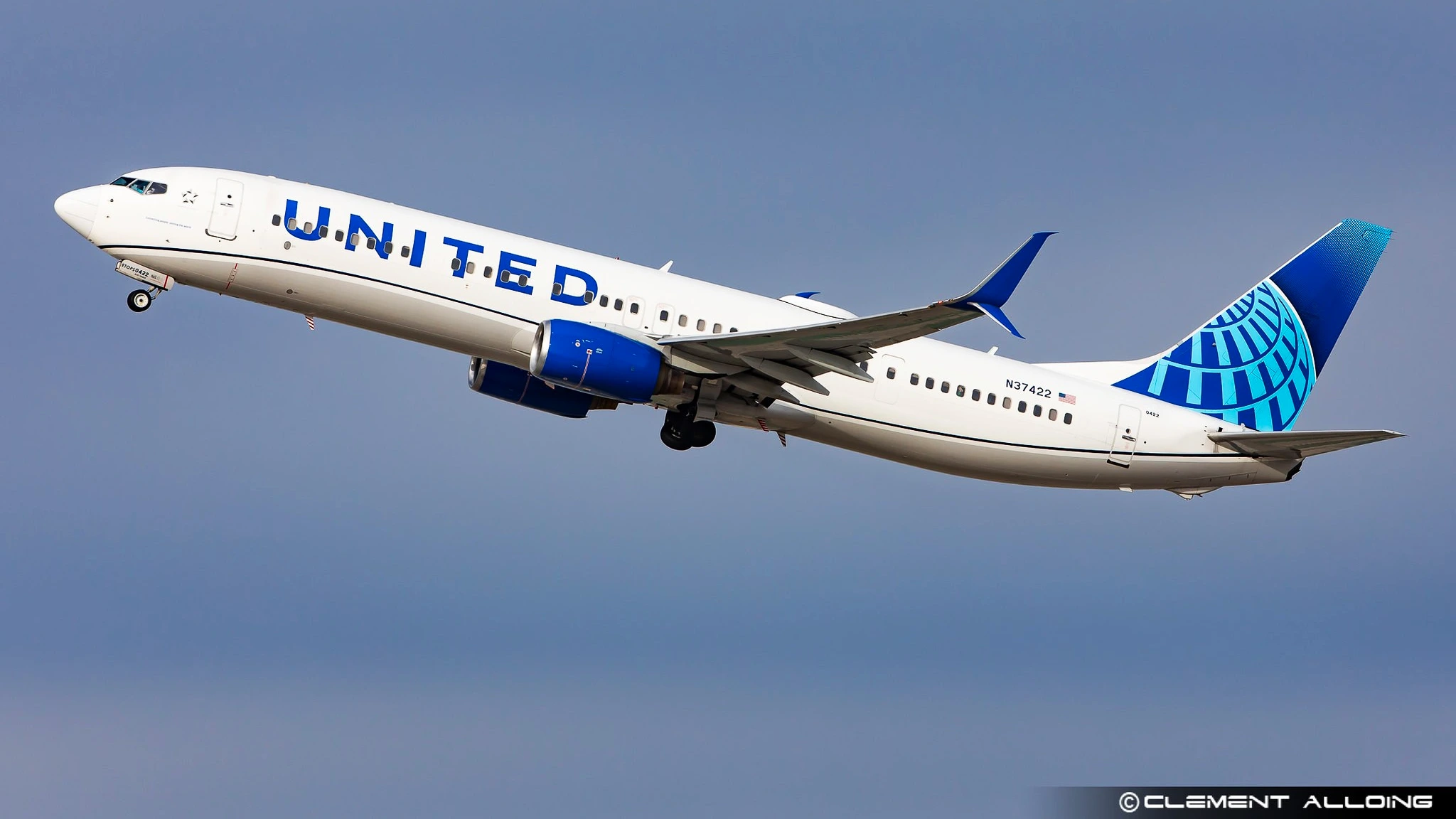
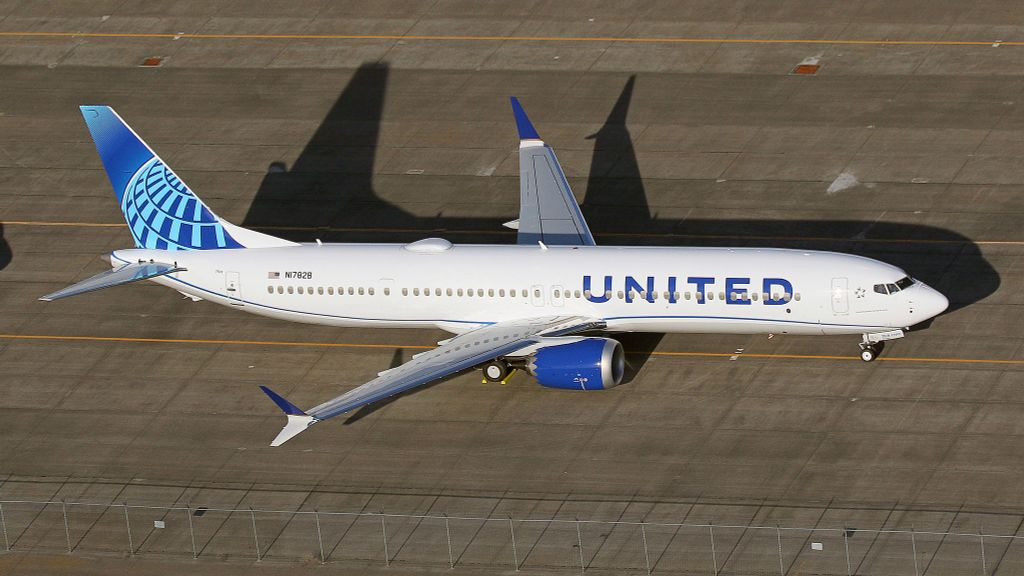
CHICAGO- United Airlines (UA) is holding hundreds of lie-flat business class seats intended for its Boeing 737 MAX 10 fleet, but the aircraft remains uncertified despite nearing approval. The seats may also face installation issues because of the MAX 10’s floor structure and mounting requirements.
The Boeing 737 MAX 10 was expected to support United’s premium narrowbody strategy on routes including Newark Liberty International Airport (EWR) to Los Angeles International Airport (LAX) and San Francisco International Airport (SFO) to Washington Dulles International Airport (IAD). Delayed certification has forced United to rethink how those aircraft and seats will be deployed.
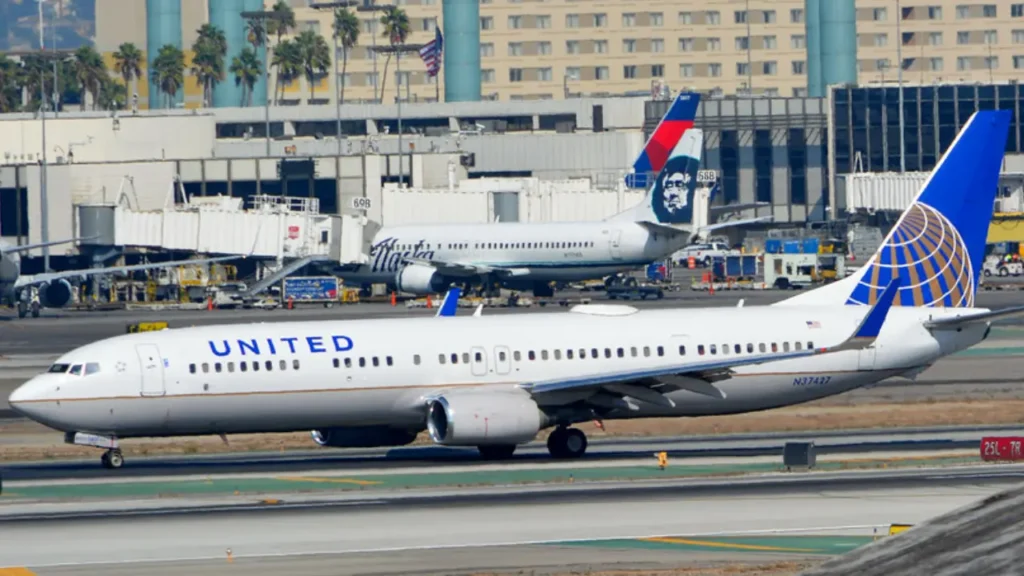
United’s MAX 10 Premium Cabin Plan Faces a New Problem
United Airlines became the launch customer for the Boeing 737 MAX 10 in 2017 after converting orders for 100 smaller MAX aircraft. Deliveries were originally expected to begin in 2020.
The airline had planned to use some MAX 10 aircraft for premium domestic routes where lie-flat business class seats could replace older Boeing 757 aircraft. In 2018, then-United President Scott Kirby said the airline was testing lie-flat seats for the aircraft.
The strategy was aimed at expanding premium service beyond existing transcontinental markets. Routes such as Newark to Los Angeles and San Francisco to Washington Dulles were among the markets considered for the aircraft.
The proposed configuration eventually developed into a dedicated premium subfleet featuring about 22 lie-flat seats with direct aisle access in a 1-1 arrangement. At one stage, United was expected to install the premium cabin on as many as 50 MAX 10 aircraft.
That would have required more than 1,100 seats before accounting for spare units.
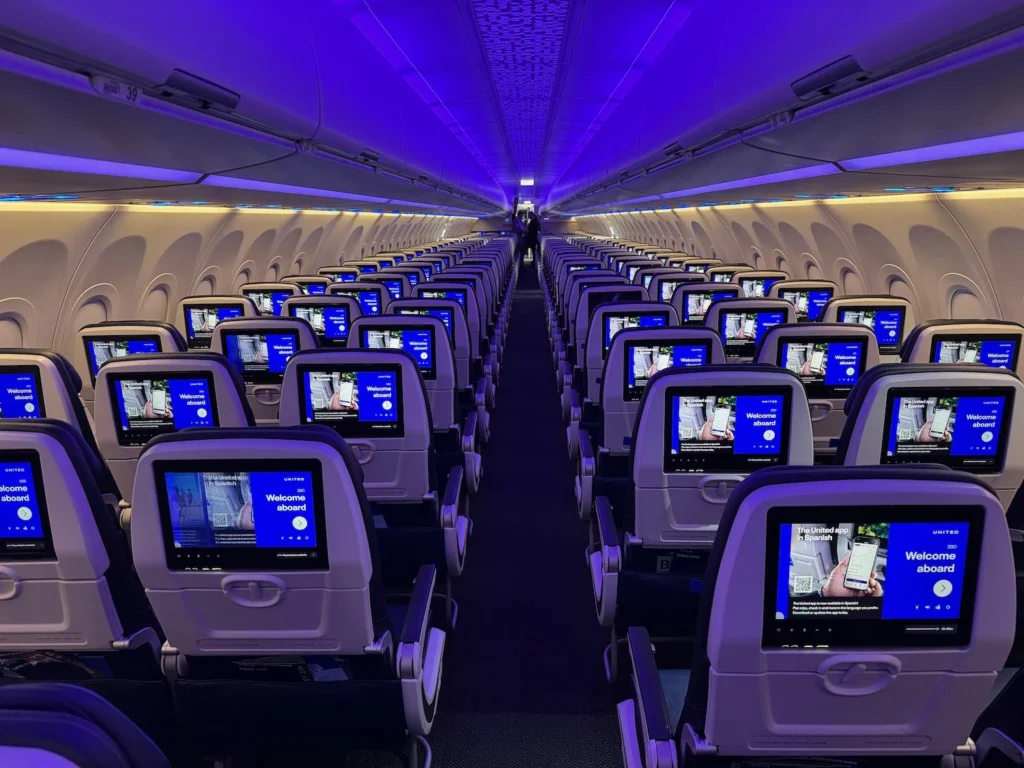
United’s Unused Seats Are Now Sitting in Storage
United CEO Scott Kirby recently told CNBC that the airline has a large number of lie-flat seats in storage because they do not fit other aircraft in the carrier’s fleet.
The issue is significant because aircraft seats are not interchangeable simply because two aircraft belong to the same general narrowbody category.
Seat installation depends on factors including seat-track locations, attachment points, floor structure, cabin curvature, electrical connections, monuments and the precise seat angle. Certification also applies to the complete installation rather than only the seat itself.
United therefore cannot simply transfer the MAX 10 seats to its Airbus narrowbody aircraft.
The airline has also shifted part of its premium transcontinental strategy toward the Airbus A321neo. United’s planned Coastliner aircraft will feature 20 Polaris suites, 12 Premium Plus seats and 129 economy seats.
The Coastliner program is expected to provide a higher-capacity premium configuration for selected long-distance domestic routes. United plans to have 40 of the first 50 aircraft flying by early 2028.
The stored MAX 10 seats reportedly do not fit that configuration.
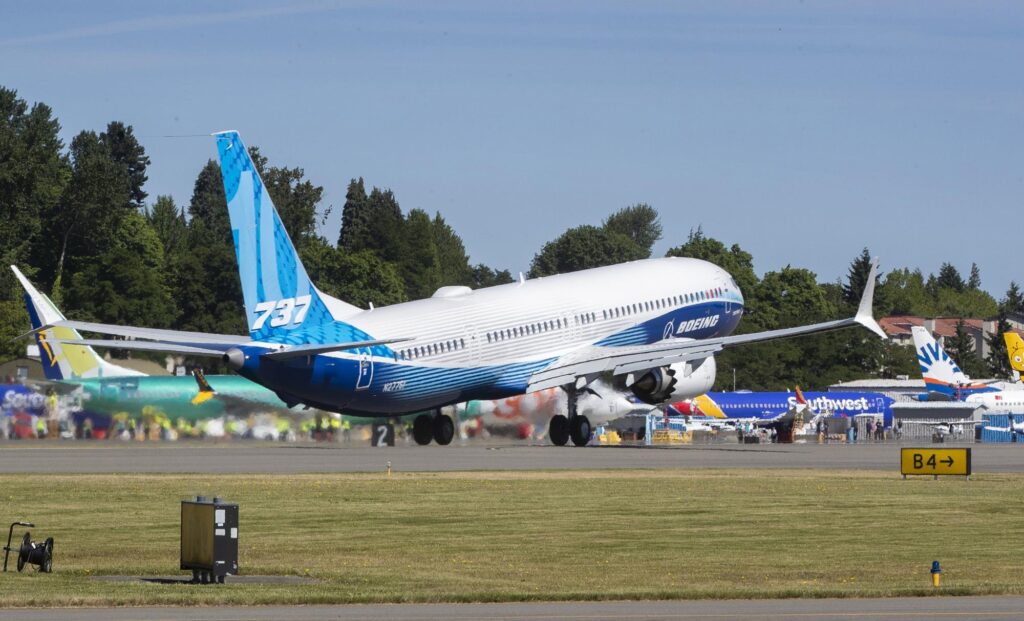
Boeing 737 MAX 10 Certification Has Taken Years
The MAX 10 program has faced repeated certification delays since its planned introduction in 2020.
Boeing completed the aircraft’s final planned certification flight on July 28, 2026, following 976 flights and more than 2,060 flight hours.
The smaller Boeing 737 MAX 7 received Federal Aviation Administration certification on August 3, including changes involving its engine anti-ice system and cockpit alerts. Similar changes are being incorporated into the MAX 10.
Boeing expects the MAX 10 to receive certification in 2026, with deliveries beginning in 2027.
WestJet is expected to receive its MAX 10 aircraft before United. United still has 167 MAX 10 aircraft on firm order, with its latest schedule calling for up to about 20 deliveries in 2027.
Most of United’s MAX 10 aircraft can use the airline’s standard domestic configuration. That layout is expected to include 20 first class recliners, 64 Economy Plus seats and 105 standard economy seats, View from the Wing reported.
Lie-Flat Seat Approval Does Not Guarantee MAX 10 Installation
The central issue involves the difference between certifying a seat and certifying its installation on a specific aircraft.
Reports indicate that United’s lie-flat seats have received FAA approval. However, the complete installation may require additional approval if the aircraft structure cannot support the seats in the proposed configuration.
A seat manufacturer can demonstrate that a seat meets applicable requirements for dynamic crash performance, restraints, and occupant injury protection. The aircraft manufacturer and airline must still demonstrate that the complete installed configuration meets structural and certification requirements.
That includes proving that the seat works correctly when attached to specific seat tracks and floor beams and installed at a particular angle within the aircraft cabin.
If reports about the MAX 10 installation are accurate, United and Boeing could need to consider several engineering changes. These could include revised fittings, additional load-spreading structures, seat relocation, a different seat angle, weight reductions or reinforcement of portions of the aircraft floor.
Each change could introduce additional engineering, testing and regulatory requirements.
MAX 10 Structure Creates a Weight Challenge
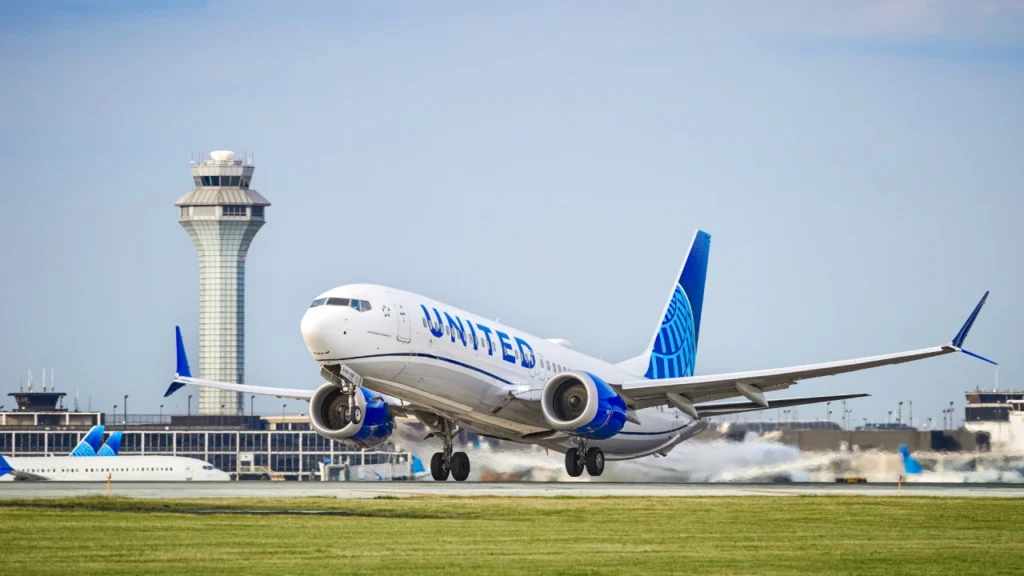
The Boeing 737 MAX 10 is the longest member of the MAX family. Its larger size increases the importance of managing structural weight.
Lie-flat business class seats are substantially more complex and heavier than conventional recliner seats. They also contain moving components and must withstand significant loads during an emergency landing.
During a forward-impact event, a heavy lie-flat seat can place substantial loads on its attachment points and the aircraft floor structure.
The MAX 10 uses lightweight structural materials to offset the weight associated with its larger size. If the existing floor beams or attachment points cannot accommodate the specific loading produced by United’s planned premium cabin, structural changes could become necessary.
The certification environment also adds complexity. Boeing’s MAX program has faced intense regulatory scrutiny since the aircraft was grounded, while the January 2024 door-plug incident involving an Alaska Airlines 737 MAX 9 increased attention on Boeing’s production and certification processes.
That does not establish that United’s seat installation will fail certification. It does mean that any structural modification would require careful engineering and regulatory review.
Other Boeing 737 MAX Aircraft Already Have Lie-Flat Seats
Lie-flat seating on a Boeing 737 MAX aircraft is not inherently impossible.
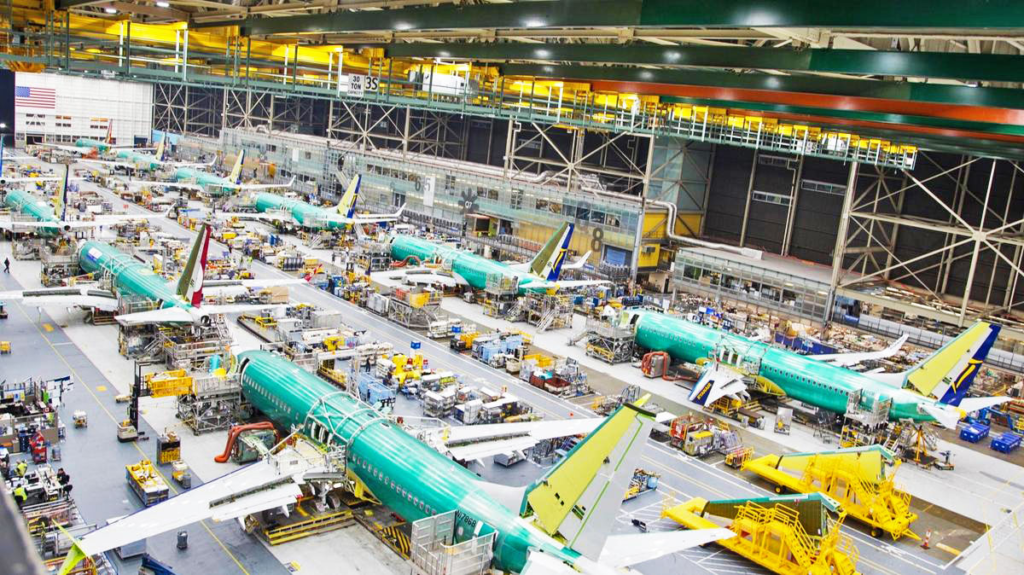
Flydubai and Copa Airlines already operate lie-flat products on smaller MAX variants. Thompson Aerospace also markets its VantageSOLO direct-aisle-access seat for Airbus A320-family and Boeing 737-family aircraft.
The reported United problem appears to concern the specific seat, cabin layout and method of transferring loads into the MAX 10 structure rather than the general concept of installing lie-flat seats on a MAX aircraft.
That distinction is important because an approved seat does not automatically qualify for every aircraft installation or cabin configuration.
United Could Be Forced to Rework Its Premium Strategy
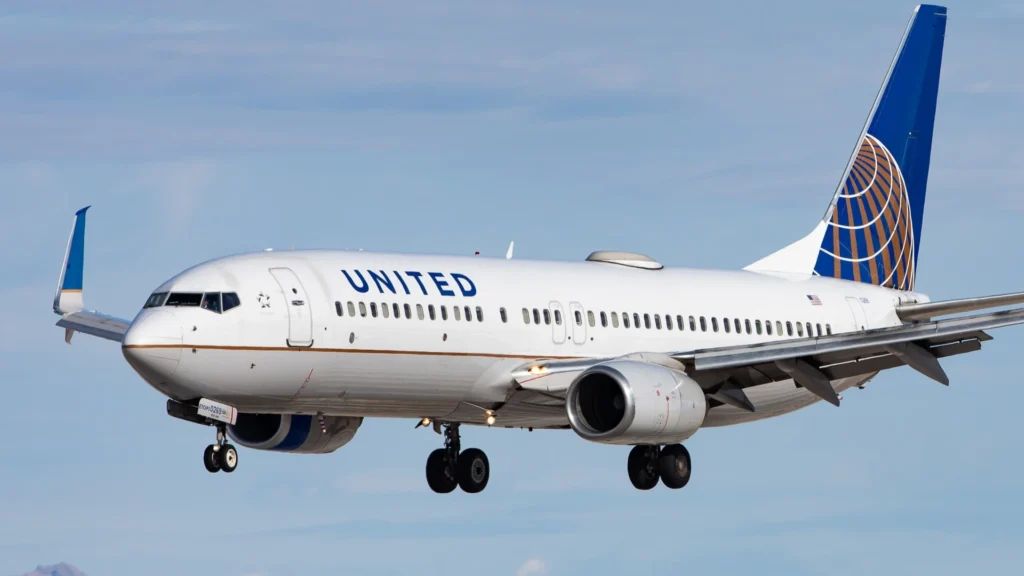
If the planned installation proves too expensive or difficult to certify, United could choose to operate most MAX 10 aircraft with its standard domestic cabin.
The airline could also explore changes to the lie-flat installation, including modifications that reduce structural loads or alter the seating position.
Another possibility would be using the MAX 10 for missions where a conventional domestic first class cabin provides the appropriate product. The aircraft’s range also limits its ability to replace aircraft intended for longer international missions.
United has already moved some premium growth toward the Airbus A321neo and A321XLR programs. That shift reduces the strategic need to make the MAX 10 perform every role originally envisioned for it.
The immediate challenge is therefore not simply getting the MAX 10 certified. United must also determine whether its original premium cabin concept can be economically and technically installed on the aircraft.
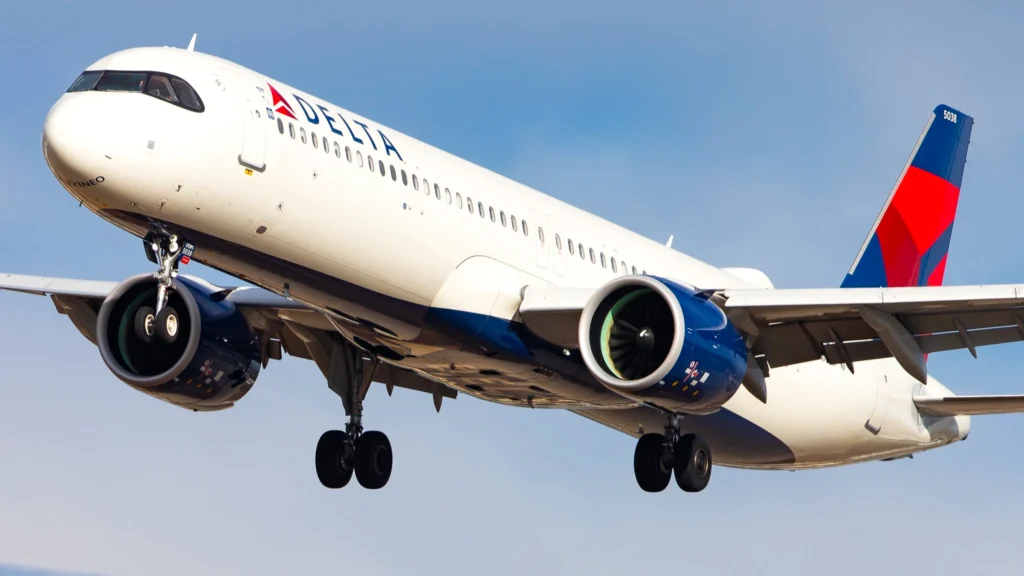
Delta’s A321neo Provides a Similar Certification Lesson
Delta Air Lines (DL) faced a related problem with its planned Airbus A321neo premium cabin.
Delta originally planned seven A321neos with 16 Delta One flat-bed suites, 12 Premium Select seats, 54 Comfort seats and 66 standard economy seats.
The airline intended to use Safran VUE suites for the premium cabin, but the seat did not receive certification as planned. The first aircraft intended for the configuration arrived in 2024 but could not enter service in its planned form.
Delta eventually replaced the unused premium cabin space with 44 domestic first class recliners across 11 rows. The temporary configuration allowed the aircraft to generate revenue on routes connecting Atlanta with Los Angeles, San Francisco, Seattle and San Diego.
Delta later moved away from the Safran VUE concept and selected the established Thompson VantageSOLO for its future premium product. The change pushed the intended premium configuration back by at least several years.
The United and Delta situations are not identical. Delta’s original seat faced a certification problem, while United’s seats are reportedly approved but may face a separate certification issue involving their installation on the MAX 10.
Both cases show how a delay or certification problem involving premium seats can affect aircraft deliveries, cabin plans and fleet deployment.
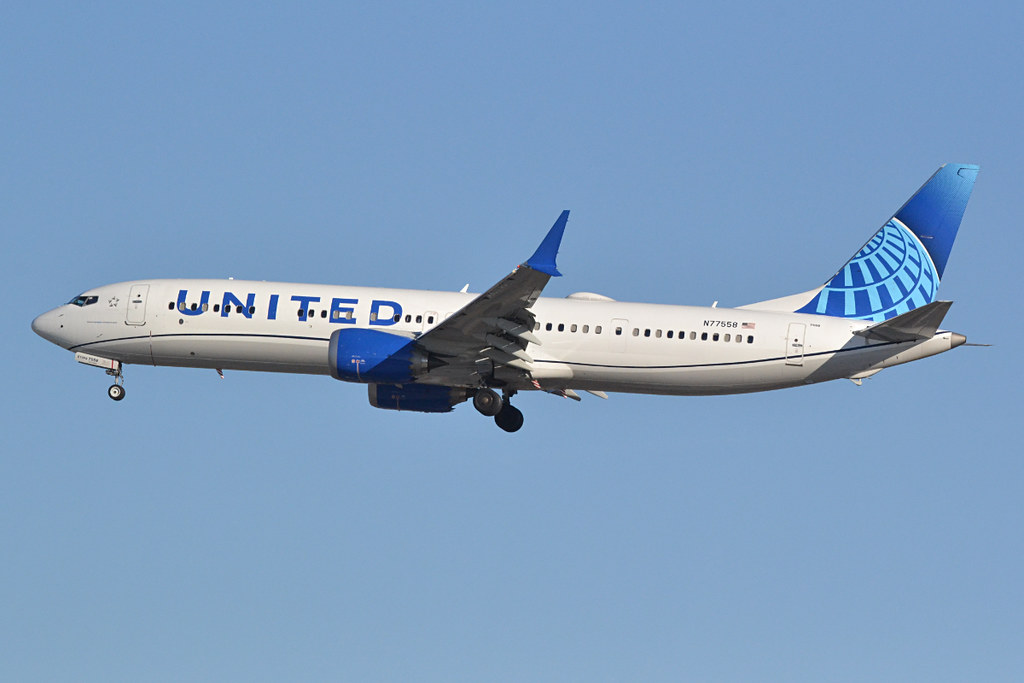
What Happens to United’s Stored Lie-Flat Seats?
United now faces a practical decision over seats that were purchased for a MAX 10 program that has been delayed for years.
The airline could continue working toward certification of the planned installation if the required engineering changes prove manageable. It could also modify the configuration or rely on standard domestic seats if the cost and complexity of the premium installation become too high.
The MAX 10 is finally approaching certification, but that milestone may not immediately resolve United’s premium cabin problem.
For United, the key question is no longer simply when the MAX 10 can fly. It is whether the airline can install the premium seats it originally designed for the aircraft without significant structural changes, additional certification work or an uneconomic modification program.
Stay tuned with us. Further, follow us on social media for the latest updates.
Join us on Telegram Group for the Latest Aviation Updates. Subsequently, follow us on Google News
