

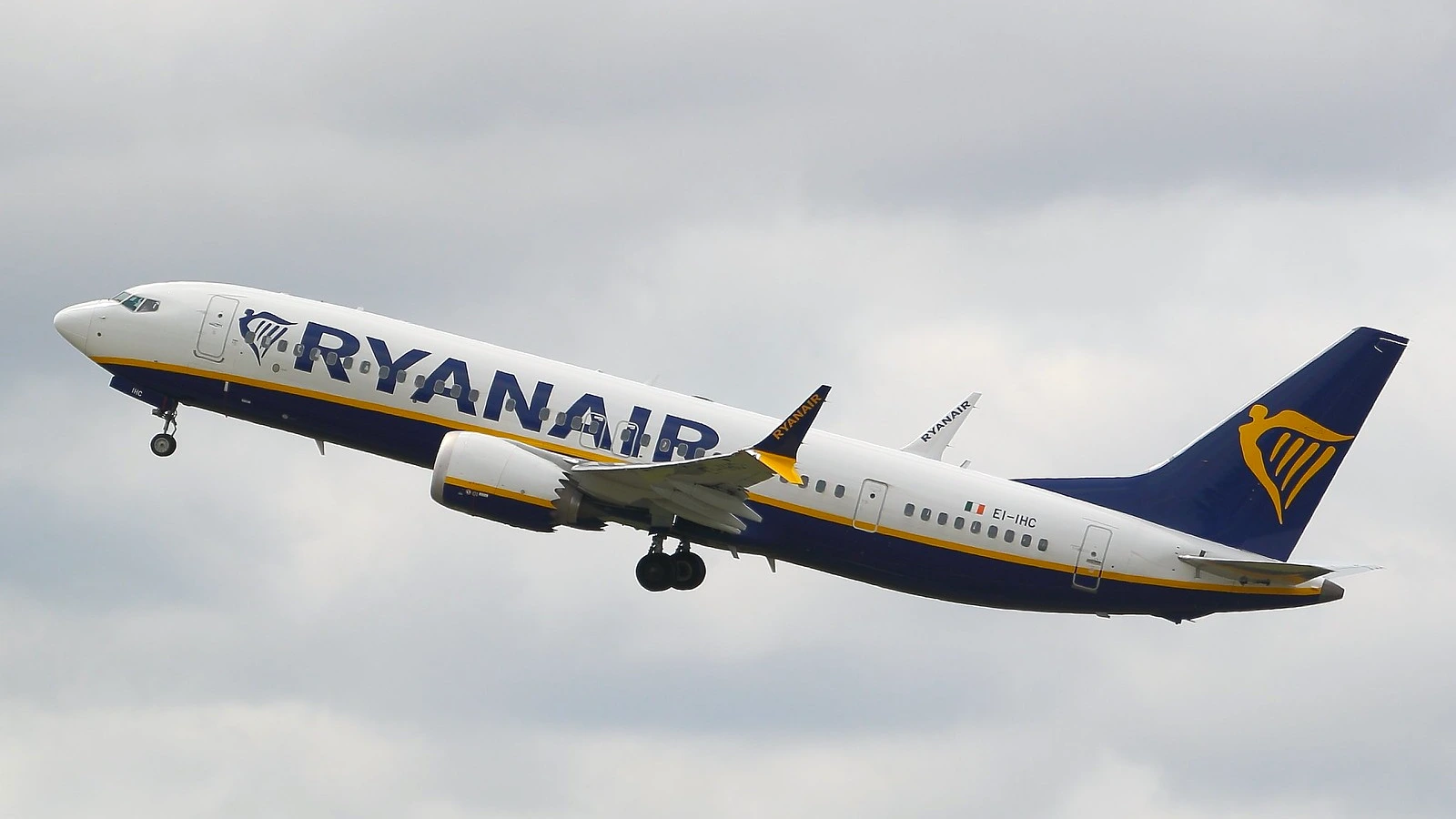
BIRMINGHAM- A Ryanair (FR) flight FR1121 from Birmingham Airport (BHX) to Tenerife South Airport (TFS) encountered severe turbulence on December 28, 2025, forcing an emergency return to Birmingham (BHX). Passengers reported being flung from their seats during the incident at 35,000 feet.
The event triggered a squawk 7700 emergency signal over Brittany, France, leading to injuries and medical assistance upon landing.
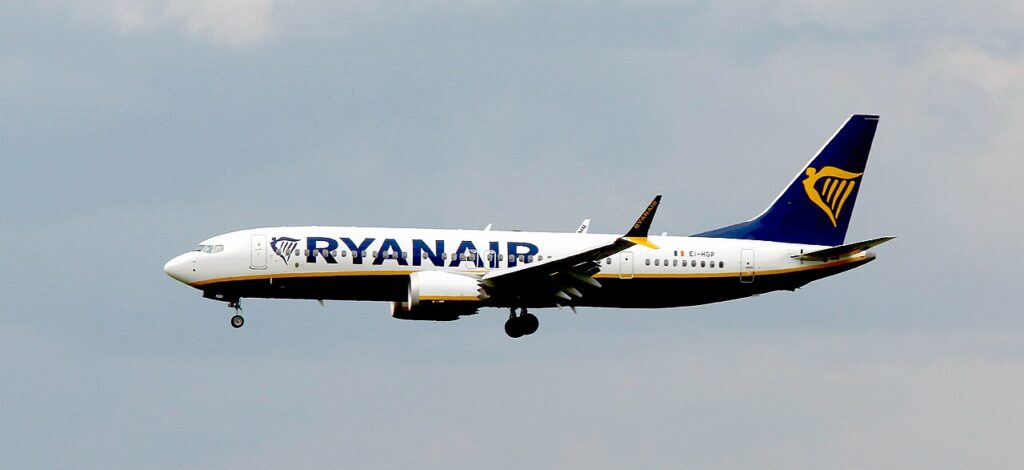
Ryanair Flight FR1121 Turbulence
The Ryanair flight with Boeing 737 MAX 8 aircraft departed Birmingham at around 14:50 on December 28 and climbed to 35,000 feet before experiencing significant turbulence while cabin service was underway. The crew issued an emergency signal and descended to 10,000 feet before returning to Birmingham.
The crew with over 10 years of experience called it unprecedented. Some passengers mentioned possible wake turbulence from another aircraft ahead, though unconfirmed. The pilot announced encountering turbulence from a plane 7 miles ahead in one report.
Passengers reported sudden lateral movement and a sharp descent. Some travellers were lifted from their seats during the turbulence. The aircraft landed safely back at Birmingham approximately 92 minutes after departure and was met by medical teams at a remote stand.
Several passengers described the event as sudden and unexpected, stating that the aircraft shifted quickly from side to side before descending. One traveller reported that the event caused psychological distress despite being physically unharmed. Cabin crew advised that such turbulence was rare in their experience.
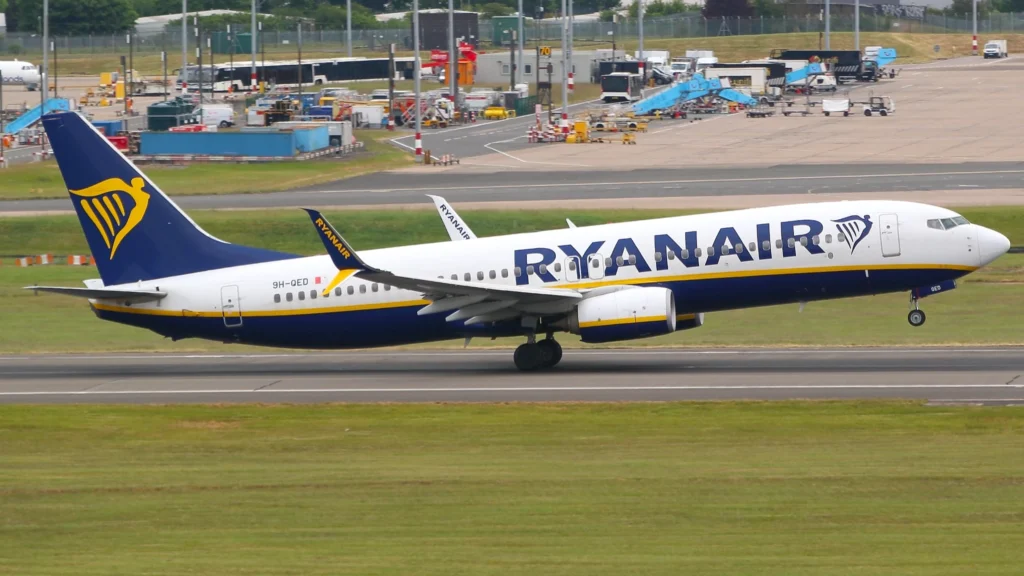
Official Remarks
Ryanair confirmed the flight FR1121 returned to Birmingham due to air turbulence. Passengers disembarked, and a small number received medical support. The aircraft later departed again for Tenerife at 21:06 local time to complete the scheduled service.
Standard safety protocols were followed, including controlled descent and return to the departure airport.
The use of a precautionary emergency signal ensured appropriate ground response on arrival. Aviation authorities and the airline recorded the event, which aligns with procedures for in-flight turbulence incidents.
Reports confirm multiple injuries occurred as service trolleys were in use and seatbelts were possibly unfastened. The aircraft underwent standard checks before continuing.
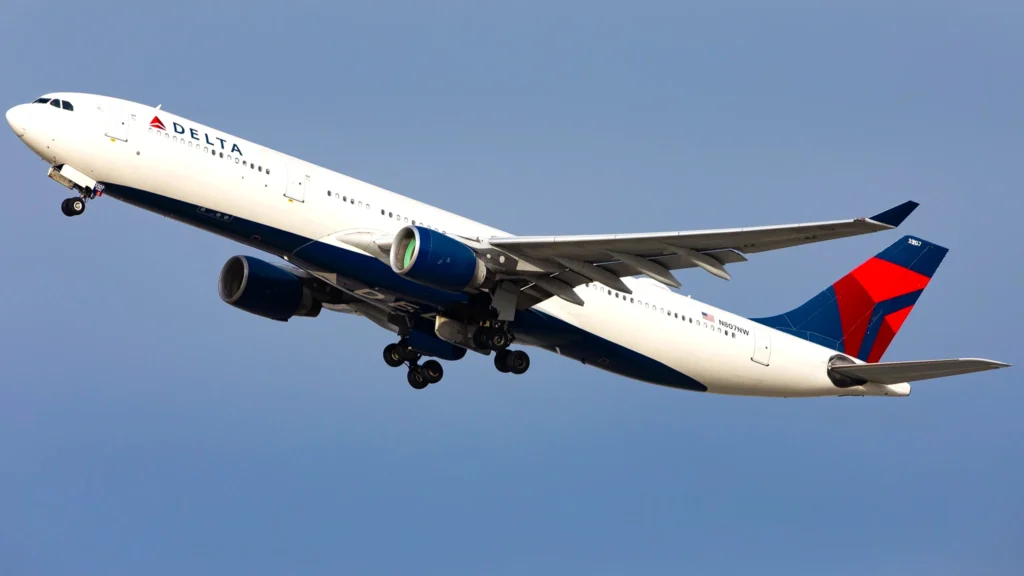
Similar Incident
Delta Air Lines (DL) flight DL56 from Salt Lake City International Airport (SLC) to Amsterdam Airport Schiphol (AMS) diverted to Minneapolis–St. Paul International Airport (MSP) after encountering severe turbulence during cruise.
The Airbus A330-900 landed safely at MSP with medical teams on standby. Twenty-five passengers were taken to nearby hospitals for treatment following the incident.
Delta Flight Diverted After Turbulence
Delta flight DL56 departed Salt Lake City at 16:30 local time on July 30, 2025. Around two hours into the nine-hour journey, the crew reported significant turbulence and rerouted to Minneapolis, where the aircraft landed safely at 19:45 local time.
The flight carried 275 passengers and 13 crew members. Upon landing, emergency responders boarded the aircraft to assess injuries. The Airbus A330-900 operating the service, registered N422DZ, is around 3 years old and powered by Rolls-Royce Trent 7000 engines.
Flight tracking data shows DL56 departed Salt Lake City at 22:45 UTC and arrived in Minneapolis at 00:51 UTC. Medical personnel transported 25 passengers to local hospitals for further evaluation. The remainder of the passengers disembarked normally.
Delta confirmed safety remains its highest priority and noted its Care Team is supporting those onboard with onward travel and welfare arrangements.
Understanding Severe Turbulence Risks
Severe turbulence produces forces strong enough to lift unrestrained passengers from their seats. While modern aircraft such as the Airbus A330-900 are engineered to withstand these conditions, injuries typically occur when seatbelts are not fastened.
The National Transportation Safety Board reports more than 200 serious turbulence injuries in the United States since 2009. Although rare compared to global flight volumes, several thousand turbulence events are recorded worldwide each year.
Stay tuned with us. Further, follow us on social media for the latest updates.
Join us on Telegram Group for the Latest Aviation Updates. Subsequently, follow us on Google News
