

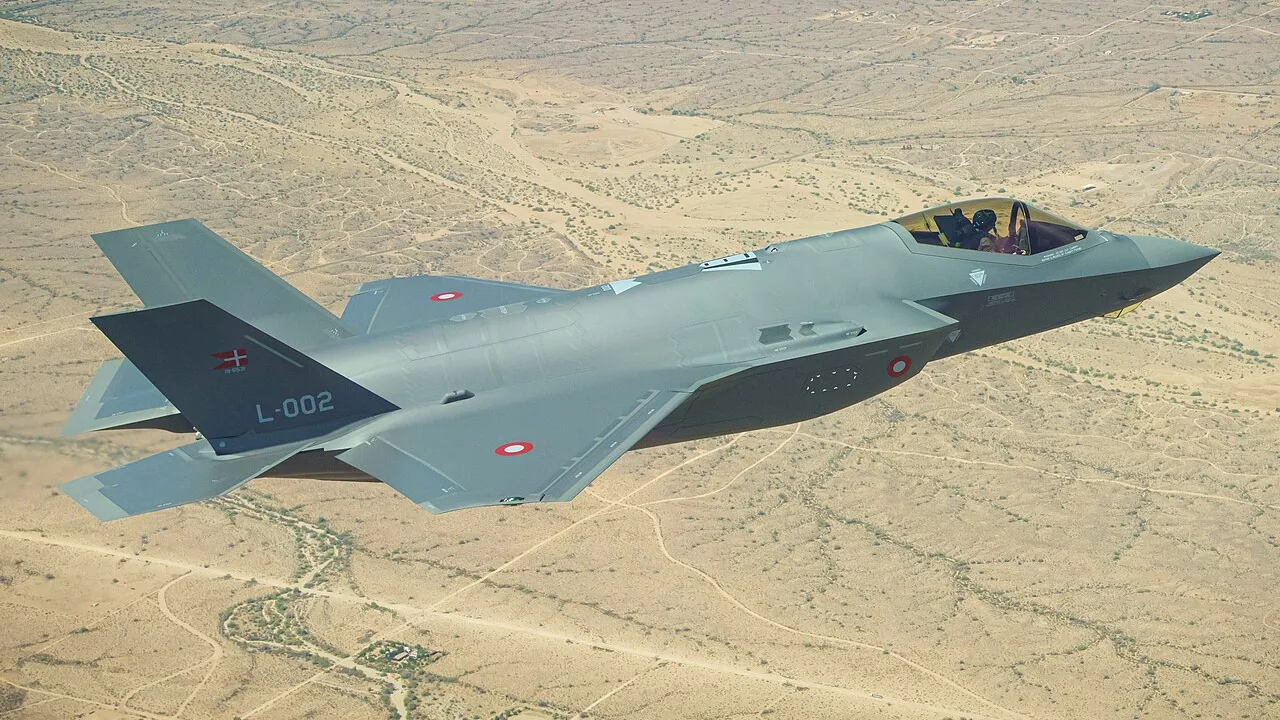
The United States stands at the center of modern air combat innovation as the F-35 Lightning II reshapes how fighter pilots detect threats and select weapons in real time.
Developed under a program led by Fort Worth near Dallas–Fort Worth International Airport (DFW), the aircraft reflects a broader US defense ecosystem supported by major aviation hubs and carriers such as American Airlines (AA), which routinely serves the region.
The F-35’s combat logic does not rely on pilot instinct alone. Instead, it uses artificial intelligence-driven systems that continuously analyze sensor data, rank threats, and recommend the most effective response while ensuring the pilot retains full authority over weapon release.
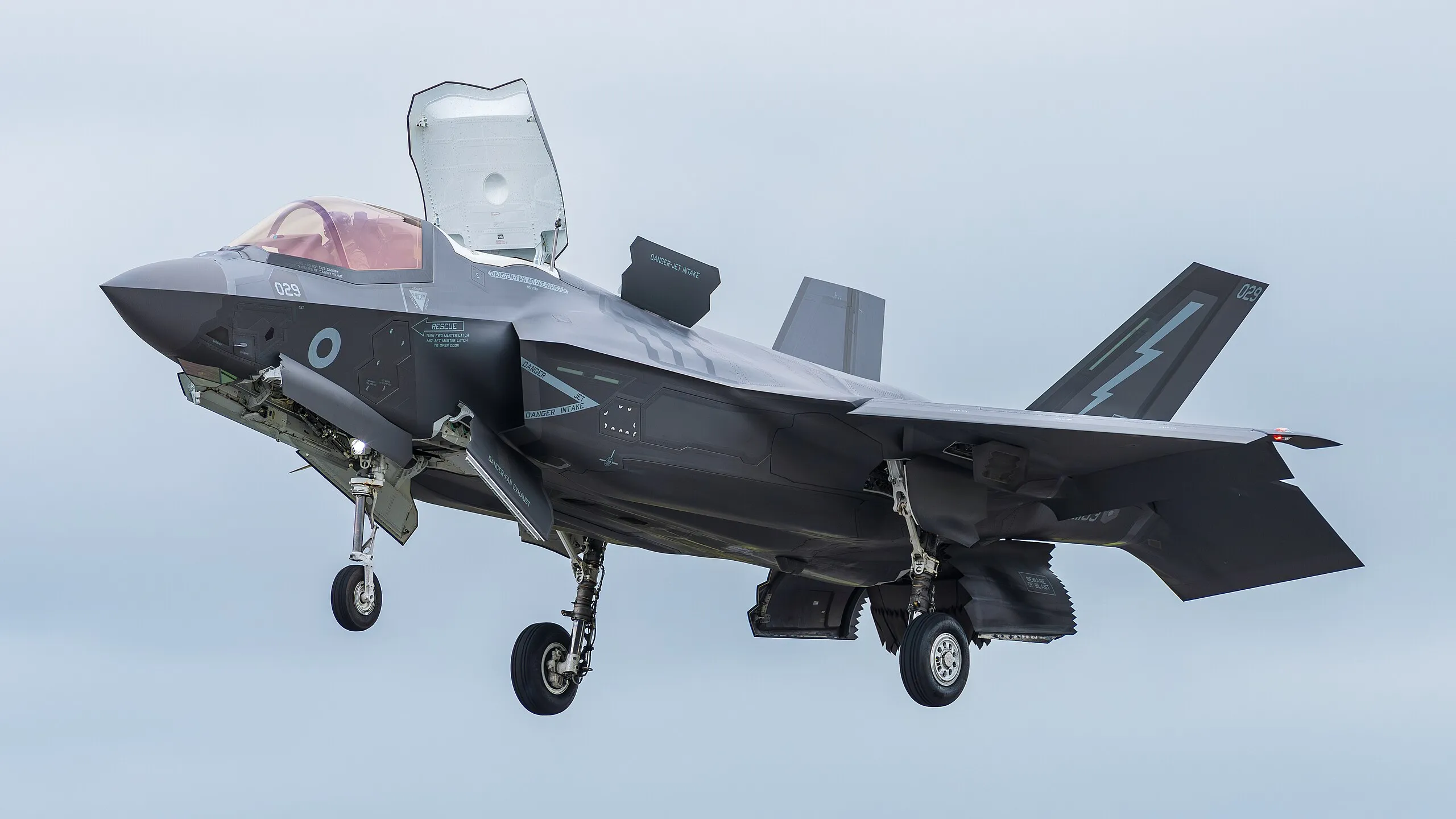
https://commons.wikimedia.org/wiki/File:RAF_Lockheed_Martin_F-35A_Lightning_II_ZM163_Royal_International_Air_Tattoo_2024_01.jpg
F-35 Weapons Firing System
At the core of the F-35’s decision-making process is an automated threat evaluation system.
The aircraft assigns each detected target a numerical threat value between zero and one, allowing onboard computers to rank dangers from most to least critical.
This assessment considers factors such as target speed, distance, altitude, closing rate, and electronic warfare capability.
By converting raw data into ranked priorities, the system gives pilots a clear engagement order within seconds of detection.
The threat list updates continuously as conditions change. This allows the aircraft to respond dynamically if a low-risk contact suddenly becomes an immediate danger.
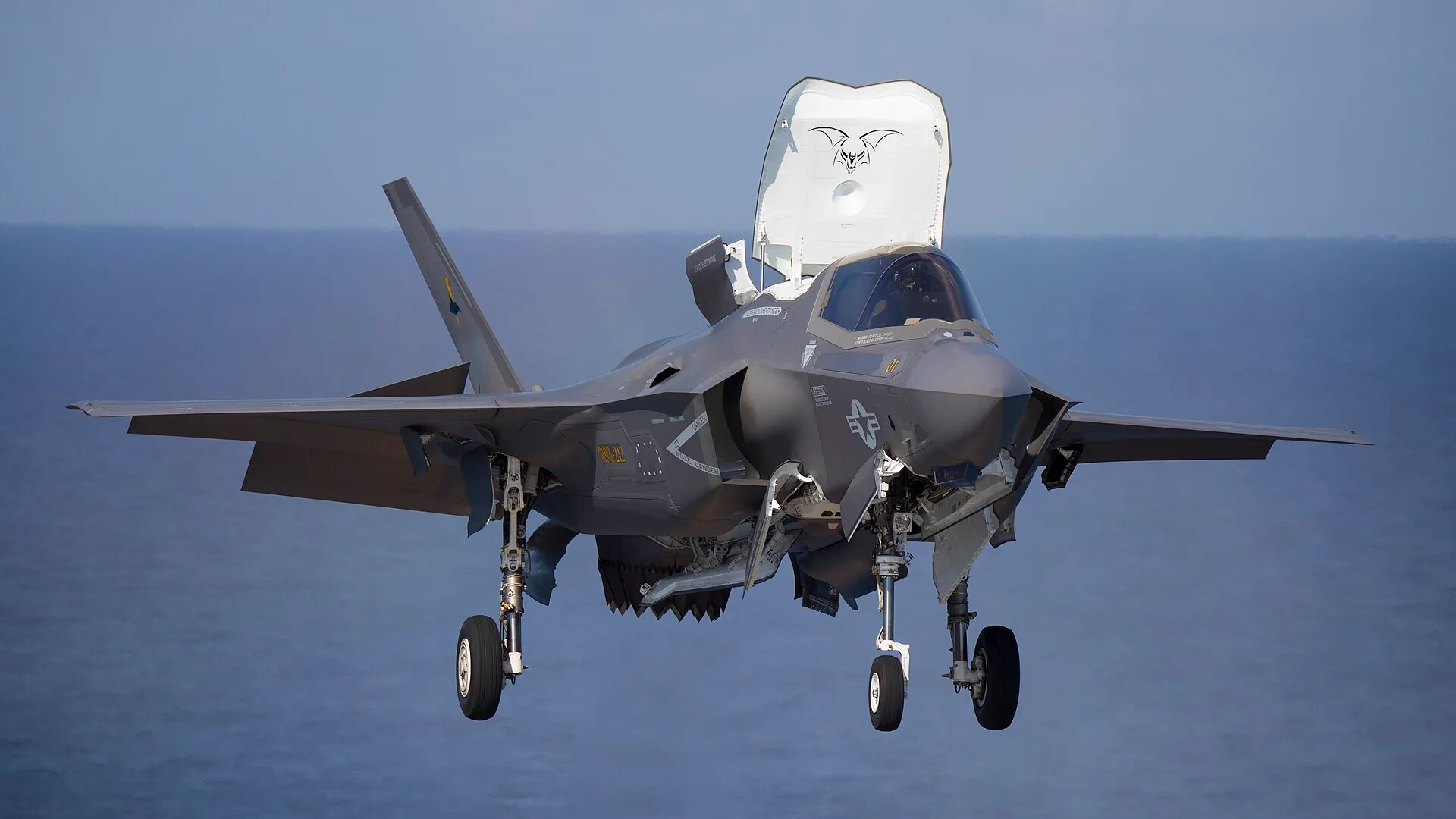
Sensor Fusion Weapons
The F-35’s ability to recommend the right weapon depends on its advanced sensor fusion architecture. Radar, infrared, electro-optical, and electronic warfare inputs merge into a single, unified picture rather than separate displays.
For long-range engagements, the system typically prioritizes the AIM-120 AMRAAM missile.
Its beyond-visual-range capability allows the aircraft to strike fast-moving threats at distances exceeding 100 miles while remaining outside hostile airspace.
In close-range combat, the aircraft shifts recommendations toward the AIM-9X Sidewinder. The infrared-guided missile excels in within-visual-range encounters and remains effective despite electronic interference or limited visibility.
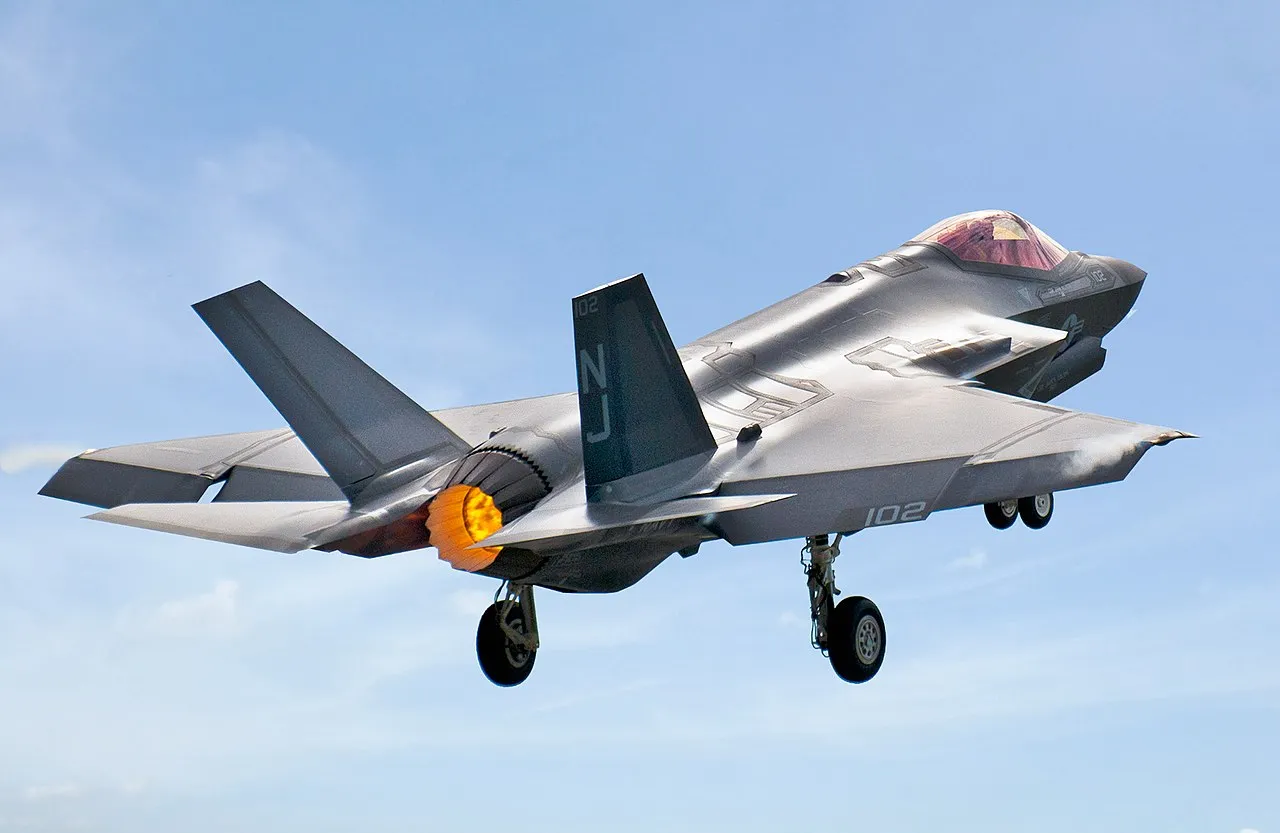
Pilot Control Loop
Despite heavy automation, the F-35 follows a human-on-the-loop design philosophy.
The helmet-mounted display presents threat rankings and weapon suggestions directly in the pilot’s field of view, reducing reaction time.
The system may also recommend non-kinetic responses. In some cases, electronic warfare jamming offers a higher success probability than firing a missile, particularly against radar-guided threats.
Gun use remains the final option. The internal 25-millimeter cannon activates only in extreme close combat or when missile inventories are exhausted, and the pilot alone decides when to fire.
Bottom Line
The F-35 does not autonomously choose to fire weapons, but it radically reshapes how those choices are made.
By combining AI-driven threat evaluation, sensor fusion, and real-time weapon recommendations, the aircraft gives pilots faster and better-informed options while keeping humans firmly in control of lethal decisions.
Stay tuned with us. Further, follow us on social media for the latest updates.
Join us on Telegram Group for the Latest Aviation Updates. Subsequently, follow us on Google News
