

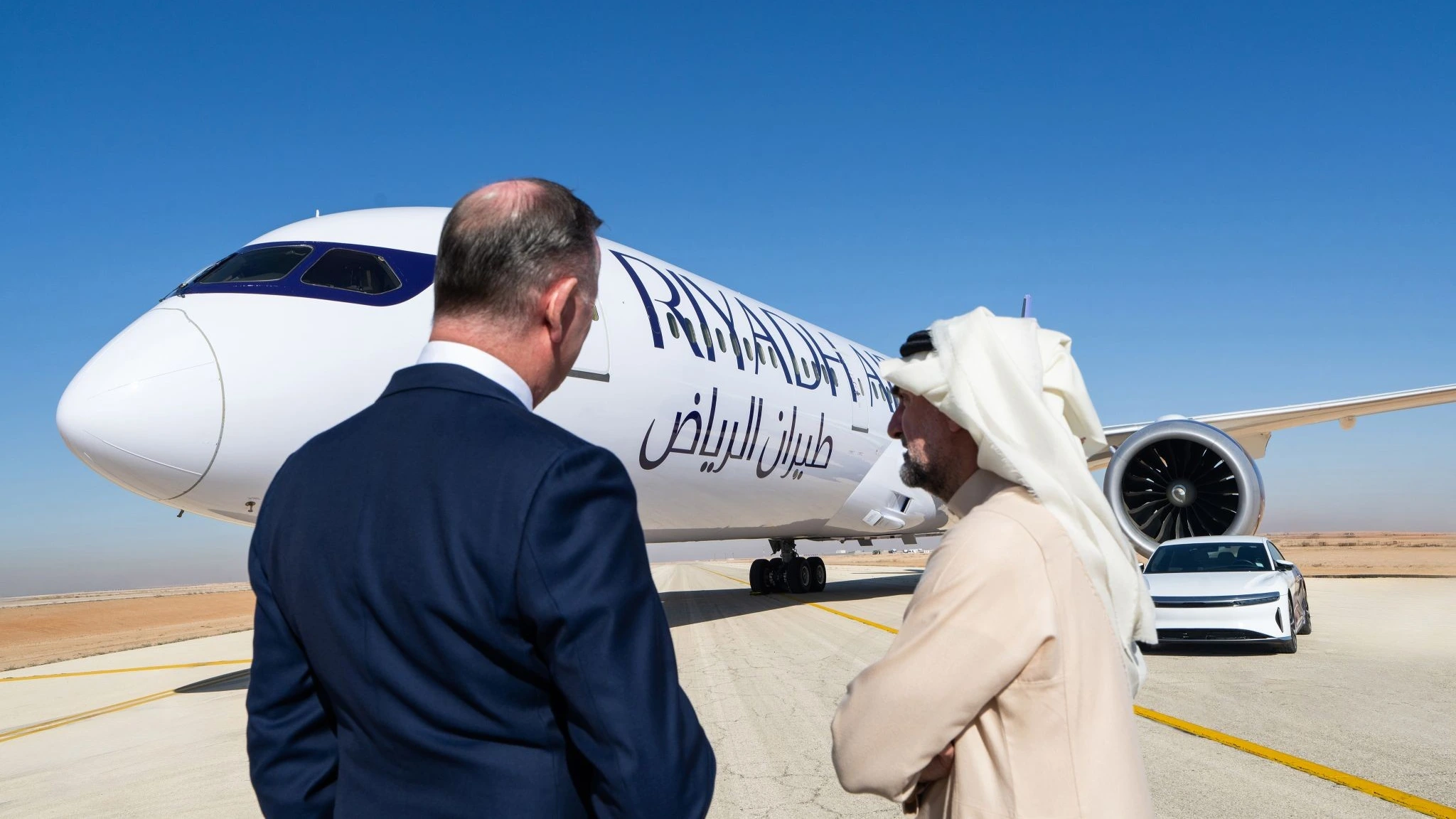
RIYADH- Saudi Arabia continues to restrict public access to alcohol, yet policy shifts now signal a controlled easing of rules that could eventually affect Riyadh Air (RX) operations at King Khalid International Airport (RUH).
Saudia (SV) is still expected to follow a conservative model, while Riyadh Air aims to position itself as a premium global airline from Riyadh (RUH), even as alcohol remains restricted within the Kingdom and on its national carriers.
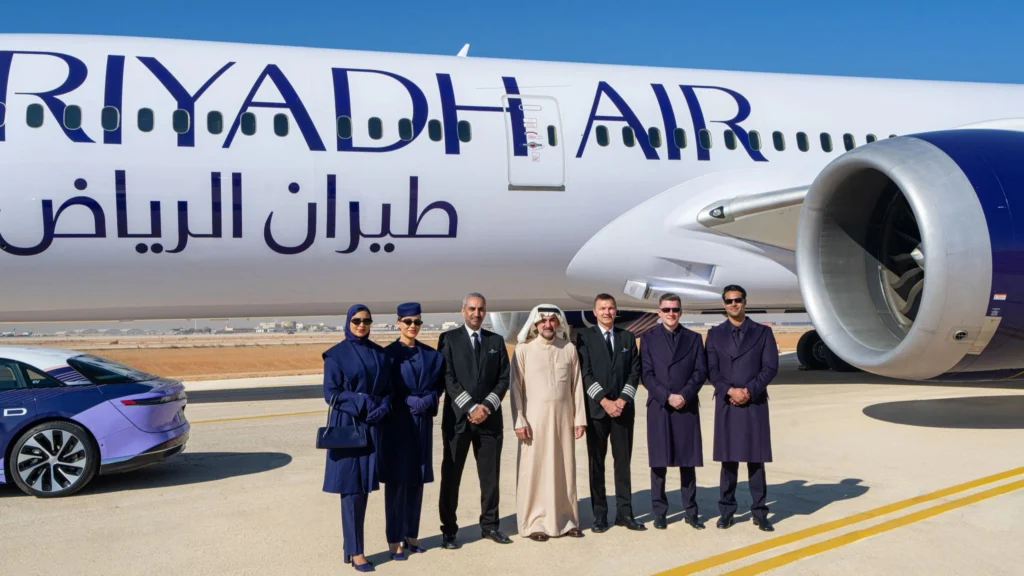
Will Riyadh Air Serve Alcohol?
Saudi Arabia has not legalized alcohol for the general public. Importation remains banned, and hotels and restaurants cannot serve it. However, the country opened a restricted alcohol shop in the Diplomatic Quarter in Riyadh (RUH) nearly two years ago.
Initial access applied only to non-Muslim diplomats, but controlled eligibility was later expanded to select skilled non-Muslim expatriates. Additional limited outlets are expected in Dhahran (DHA) for Aramco staff and Jeddah (JED) for diplomats.
Foreign airlines may carry alcohol onboard, but typically suspend service while flying in Saudi airspace. National airlines, including Riyadh Air and Saudia (SV), remain subject to the alcohol ban.
Future developments could include controlled duty-free access for international transit passengers and restricted licensing in designated zones. These changes would make it operationally easier for a Riyadh-based airline to match global premium service standards without breaching national rules, ViewfromtheWing highlighted.
Link to Aviation and Vision 2030
Saudi Arabia’s Vision 2030 strategy aims to diversify the economy and grow tourism, supported by a major aviation expansion plan. Riyadh Air intends to serve long-haul international markets from Riyadh (RUH) using a full-service model.
Competing premium airlines traditionally offer curated wine and spirits programs, so the ongoing alcohol restrictions require alternative approaches such as elevated non-alcoholic beverage menus, premium mocktails, and enhanced soft-product design.
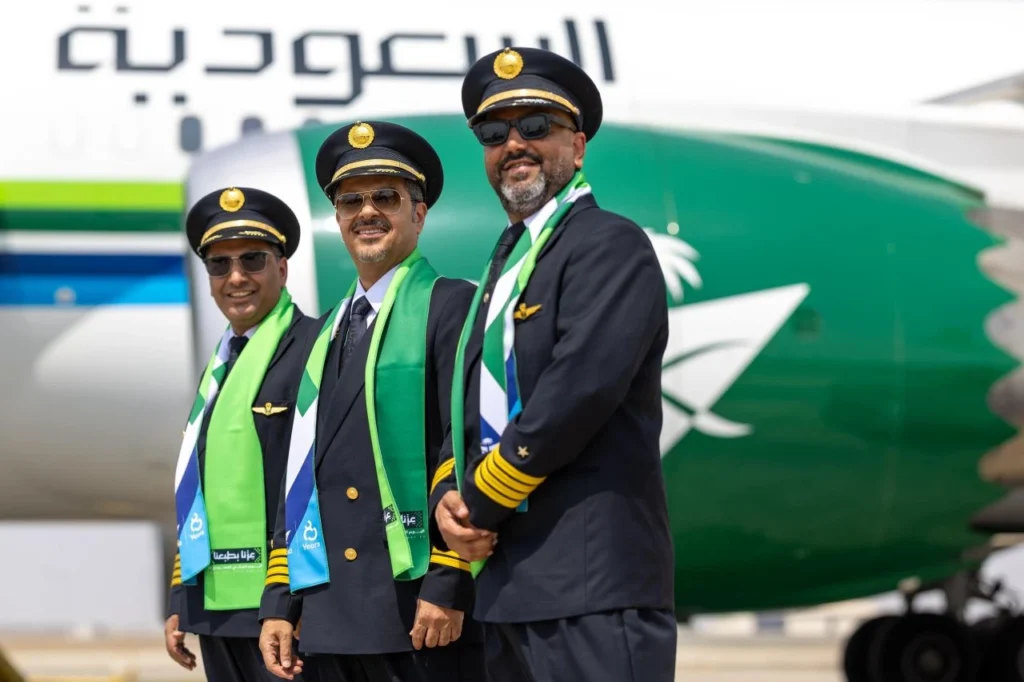
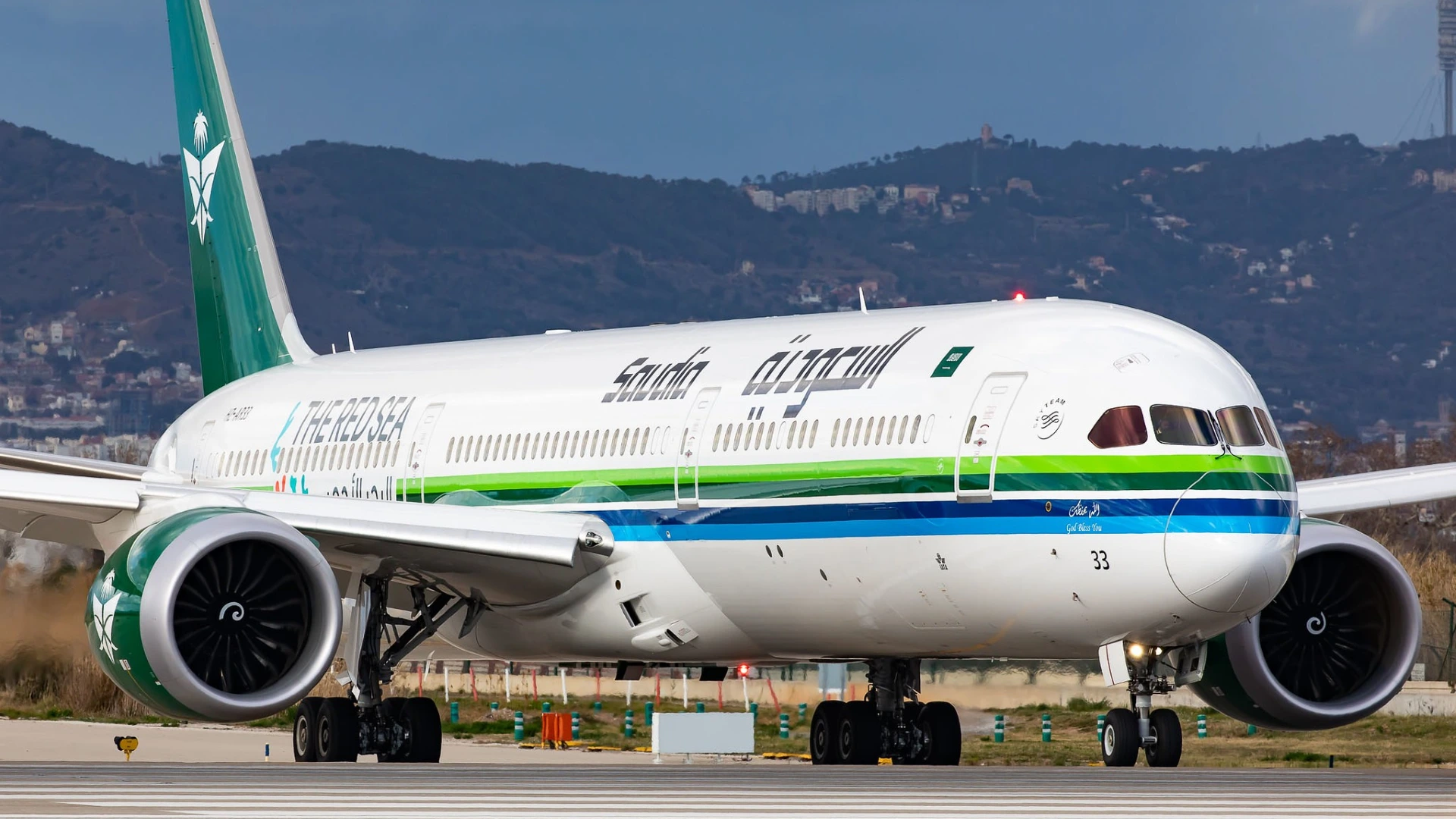
Saudia (SV) continues to align closely with conservative norms and religious tourism demand, while Riyadh Air is positioned to attract global business and leisure travelers. Both airlines remain bound by the alcohol prohibition unless future policy changes occur.
Legal Framework and Penalties
Alcohol possession, production, or consumption by the general public remains illegal. Penalties may include fines, detention, deportation for expatriates, and other legal action depending on circumstances.
Diplomatic personnel are exempt only within controlled supply programs subject to strict registration and regulation.
Current Status and Clarity on Timelines
The first restricted alcohol outlet opened in early 2023. Riyadh Air was announced in 2023 and plans to begin commercial service by mid-decade. Government statements continue to affirm that alcohol will not be broadly introduced, including during major future events.
Any future change would likely follow a staged rollout beginning with diplomats, expanding to expatriates, and remaining outside general retail and hospitality sectors.
Saudi Arabia remains officially alcohol-free for the general public. However, limited and controlled access for diplomats and select expatriates signals a gradual regulatory evolution.
Why Saudi Arabia Banned Alcohol?
One historic incident in Jeddah in 1951 reshaped social law inside the country. The fallout from a diplomatic killing triggered a sweeping ban on alcohol that still defines national policy.
The story traces how the actions of a Saudi prince and the death of British Vice-Consul Cyril Ousman led King Abdulaziz to outlaw alcohol entirely. Even as Riyadh (RUH) and other cities expanded globally, the prohibition stayed in place as a defining legal and cultural measure.
How a Single Incident Triggered a National Policy Shift
The modern alcohol ban began with an event in 1951 at the Jeddah home of British Vice-Consul Cyril Ousman. A young Saudi prince, Mishari bin Abdulaziz, had been drinking and became aggressive toward a visiting English guest. When Ousman intervened and refused to serve more alcohol, the prince reacted angrily and left.
The following day, the prince returned, still intoxicated and demanding both access to alcohol and the guest. When Ousman again refused, the prince opened fire, killing him and injuring his wife. The killing caused a diplomatic scandal and embarrassed the royal family, exposing how alcohol within elite circles could spark volatile behavior.
King Abdulaziz ordered the prince’s arrest and initially allowed the widow to determine the method of execution. She chose compensation instead of death. The king later commuted the sentence to imprisonment and monthly lashes, concluding that imported social habits, including drinking, had helped cause the tragedy.
By 1952, the king issued a decree banning the import, sale, and consumption of alcohol nationwide. Remaining supplies disappeared, and employees of the Arabian-American Oil Company saw the final rationing of alcohol as the country moved into full prohibition.
Alcohol in Arabia Before the Ban
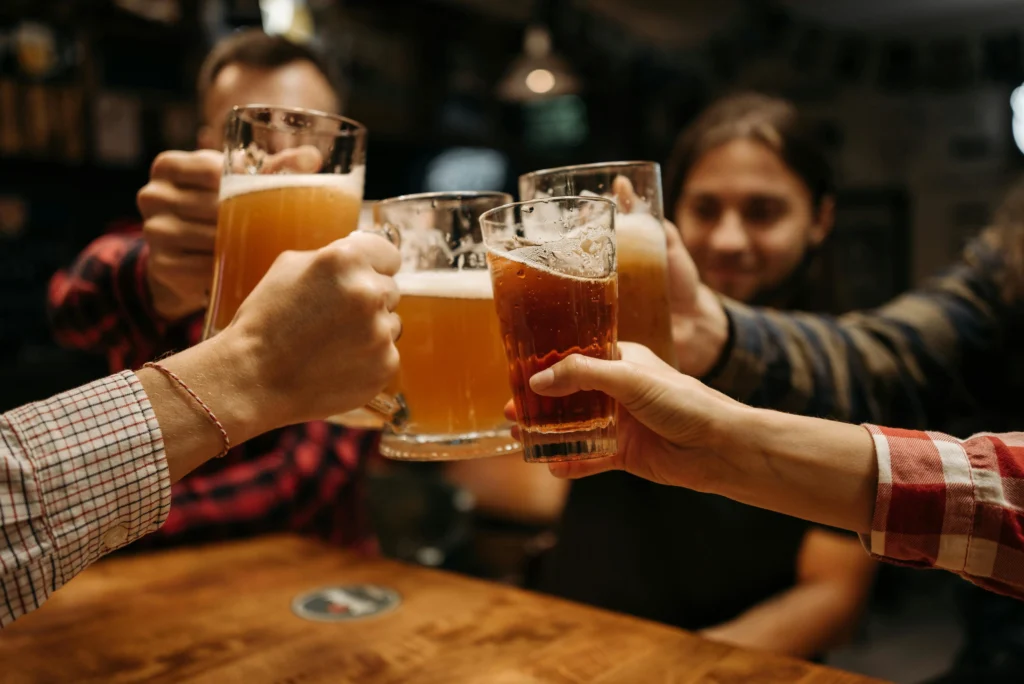
Historical records show that alcohol existed in parts of Arabia before 1952. Wine was consumed in certain pre-Islamic communities, including Christian populations, and early literature referenced drinking culture. After Islam’s rise, intoxicants were religiously prohibited, although real-world enforcement varied.
In the early 20th century, as Saudi Arabia interacted more with foreign powers and oil companies, limited alcohol consumption resurfaced inside diplomatic and expatriate settings. It remained tolerated rather than accepted.
For over seven decades, alcohol remained illegal for citizens and foreigners within Saudi Arabia. Penalties ranged from imprisonment to lashes, and foreigners risked deportation. Despite strict enforcement, black markets developed, relying on smuggling, home brewing, and diplomatic imports.
Stay tuned with us. Further, follow us on social media for the latest updates.
Join us on Telegram Group for the Latest Aviation Updates. Subsequently, follow us on Google News
