

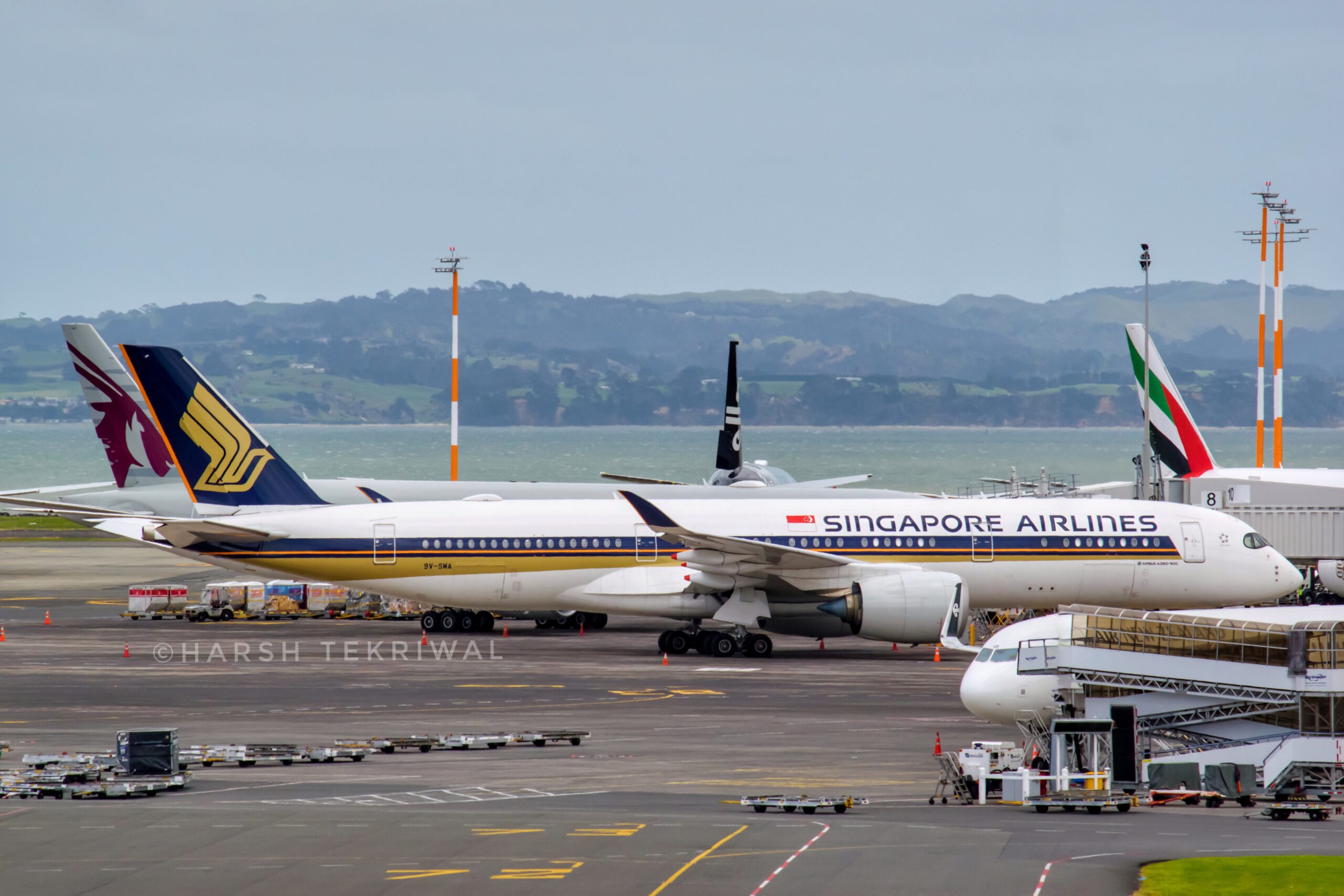
SINGAPORE- Passengers on Singapore Airlines (SQ) or SIA faced two days of disruption in New York after repeated delays on the ultra-long-haul service from Newark Liberty International Airport (EWR) to Changi Airport (SIN). The flight was first held due to severe winter weather and then grounded again because of technical and baggage system issues.
The carrier confirmed that Flight SQ21, operating from Newark (EWR) to Singapore (SIN), was pushed back twice, leaving 151 travelers unable to depart as planned.
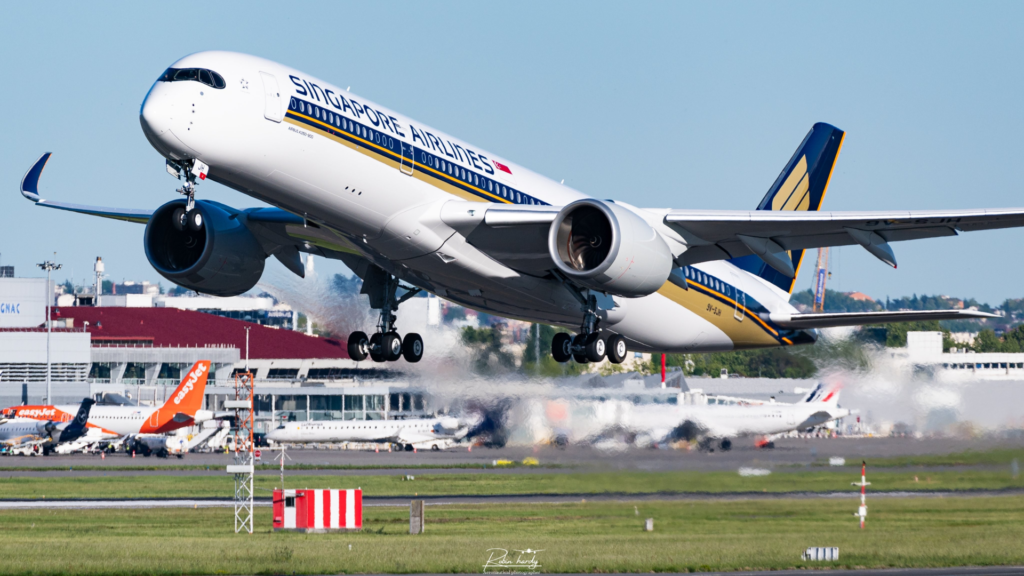
Singapore Airlines 151 Passengers Stranded
The airline reported that SQ21 was set to leave Newark on December 14 at 9.35 am local time, but was postponed when winter weather and a temporary runway closure for de-icing caused widespread disruption.
Newark recorded almost 500 delays and more than 200 cancellations that day following the season’s first major snowfall.
All passengers were asked to disembark and were given meal vouchers and hotel accommodation. The flight was renumbered to SQ9021 and rescheduled for December 15 at 12.35 pm.
The second attempt to depart failed when an airport baggage handling fault and a nose wheel issue on the Airbus A350-900 were identified.
The airline stated that a spare part was required and additional repair support was needed, which forced another delay.
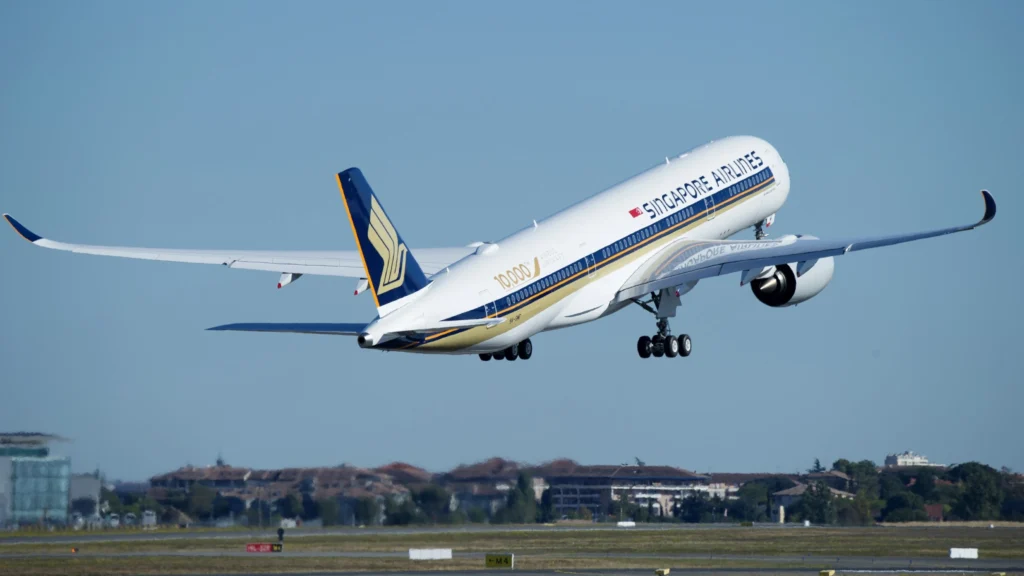
Passenger Support and Rebooking Efforts
Singapore Airlines arranged additional hotel stays and meal vouchers for affected travelers. The carrier also rebooked customers on alternative connections where possible.
SQ9021 is now planned to depart on December 16 at 9.35 am local time with an estimated arrival in Singapore on December 17 at about 4.40 pm.
One traveler described frustration over limited updates. After the first delay, passengers were transported to a hotel, but the bus broke down en route, and rooms were initially unavailable. Food was arranged later in the day through vouchers.
During the second delay, ground staff discovered two damaged tyres, and only one spare was on hand locally. Another tyre had to be transferred from John F Kennedy International Airport. Travelers spent three hours onboard before being asked to leave the aircraft without further immediate information.
The sequence of delays reflected a mix of severe weather, airport infrastructure issues, and technical findings during pre-departure checks. These conditions underscore the challenges of operating ultra-long-haul flights during the winter months when aircraft availability and airport systems face added strain, Straits Times reported.
Similar Incident
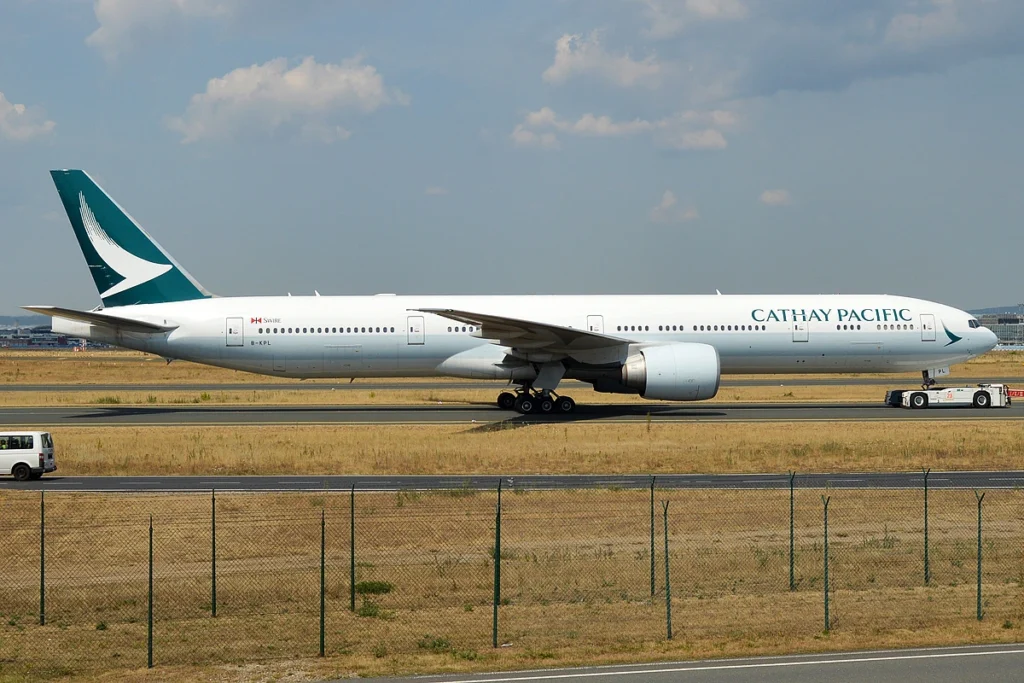
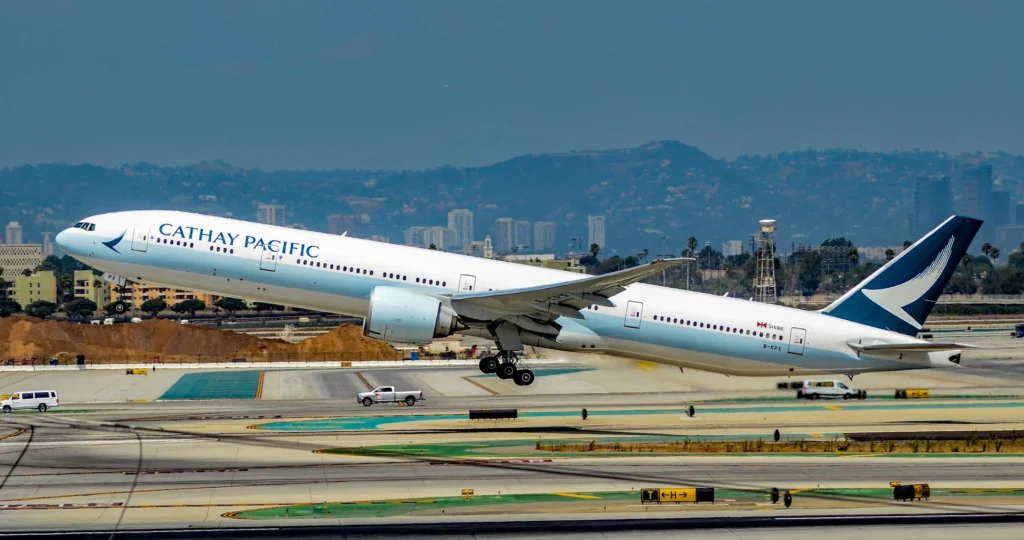
Cathay Pacific (CX) passengers faced major disruption after flight CX883 from Los Angeles (LAX) to Hong Kong (HKG) diverted to Taipei Taoyuan Airport (TPE) and remained on the aircraft for nearly 11 hours.
The Boeing 777 spent more than 28 hours from departure to final arrival, creating one of the airline’s longest unscheduled operational events.
Severe Weather Forces Diversion and Prolonged Delay
Cathay Pacific (CX) flight CX883 left Los Angeles International Airport (LAX) on August 4 with 294 passengers bound for Hong Kong International Airport (HKG).
The flight neared its destination but aborted landing due to extreme weather tied to a rare Black rainstorm warning. Heavy rainfall disrupted airport operations, prompting a diversion to Taiwan Taoyuan International Airport (TPE).
The aircraft landed safely and was assigned a remote stand away from the terminal. Passengers were not permitted to deplane, and reports suggested the airline cited regulatory and insurance limitations. Access to water and food was limited as the layover extended through the night.
Timeline of the Diversion and Delay
The flight timeline shows how the disruption unfolded. CX883 began taxiing at LAX at 07:30 UTC, then later aborted its approach to Hong Kong at 21:40 UTC. The aircraft touched down in Taipei at 23:32 UTC and remained parked for nearly 11 hours.
Cathay Pacific had to replace both cockpit and cabin crews to meet duty time rules. Relief crews were flown in to operate the final sector.
The aircraft finally departed Taipei at 09:44 UTC on August 5 and reached Hong Kong at 11:37 UTC. A journey scheduled for 13 hours grew to nearly 28.
Passenger Experience and Welfare Concerns
Passengers described rising discomfort during the extended confinement. With no option to leave the aircraft, limited onboard services, and minimal communication, frustration increased.
The situation highlighted gaps in policies governing international diversions.
When flights divert to foreign airports, airlines must comply with local regulations about passenger processing, immigration, and insurance. These constraints may restrict deplaning even when safety is not at risk.
Regulatory Questions and Industry Reaction
Cathay Pacific has yet to release a detailed explanation regarding the prohibition on deplaning in Taipei. Industry analysts note that while diversions are routine, long onboard holds are not.
This incident has revived debate about the need for clearer global standards on passenger rights during diversions. Aviation experts argue that better coordination between airlines, airports, and regulators could reduce passenger hardship in similar cases.
