

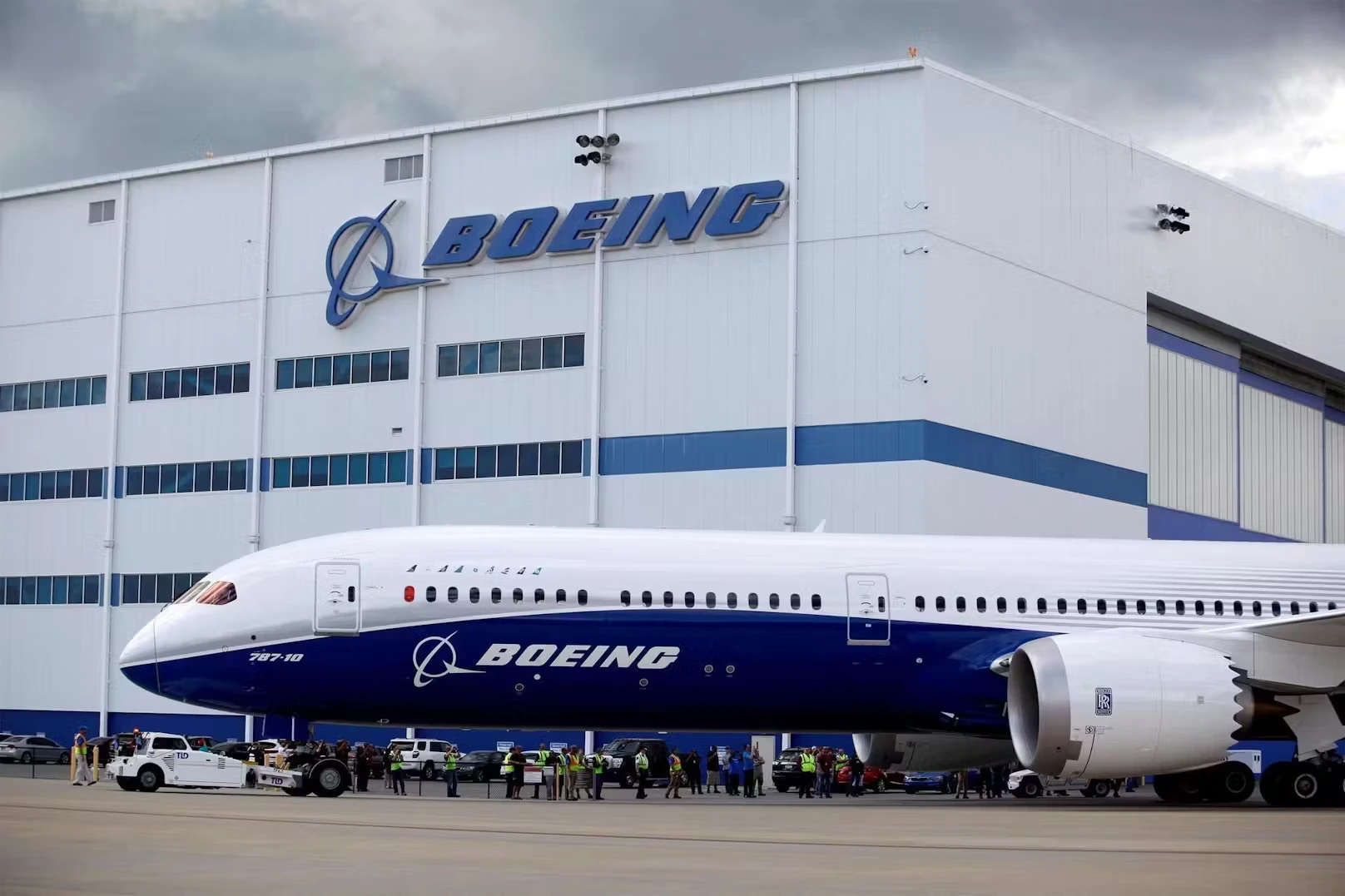
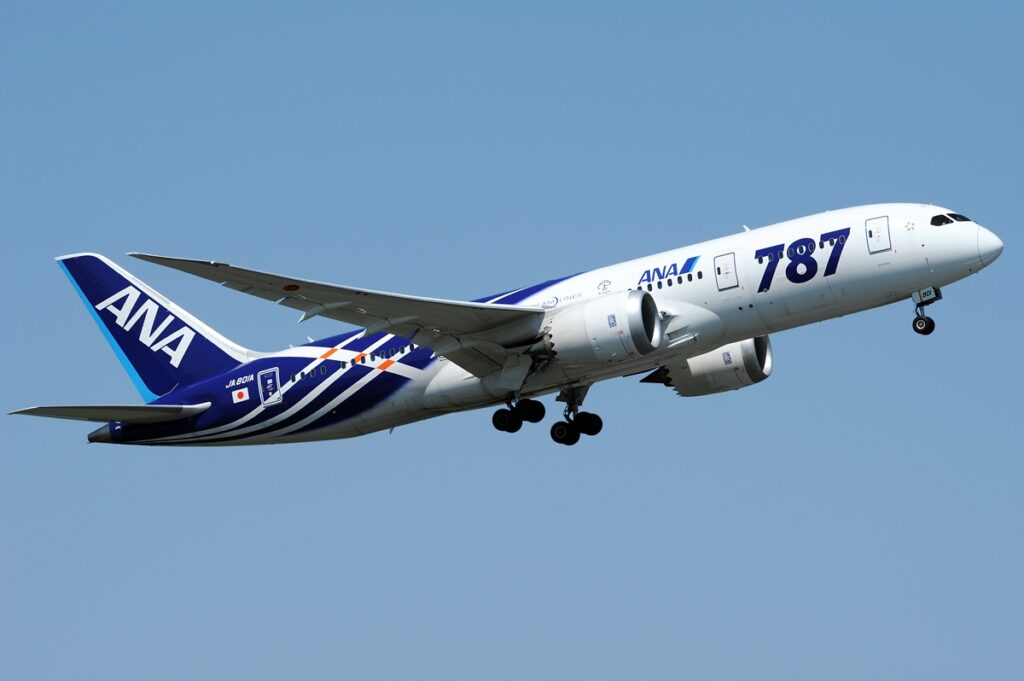
ARLINGTON- Boeing has marked 15 years of the 787 Dreamliner since the aircraft received US type certification on August 26, 2011. All Nippon Airways (NH) received the first 787 on September 26, 2011, with entry into service following on October 26, 2011.
Since certification, Boeing has expanded the 787 into a 3 model widebody family and continued updating the program based on airline requirements and fleet experience.
The aircraft has carried more than 1 billion passengers and helped airlines open more than 540 new nonstop routes that were not previously served.
Boeing 787 Program Continues to Evolve
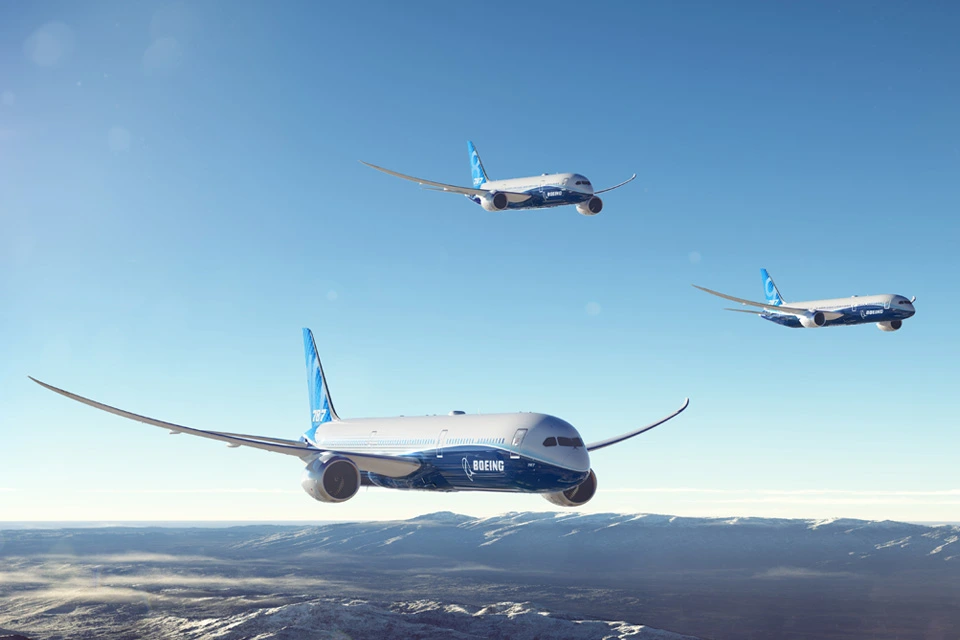
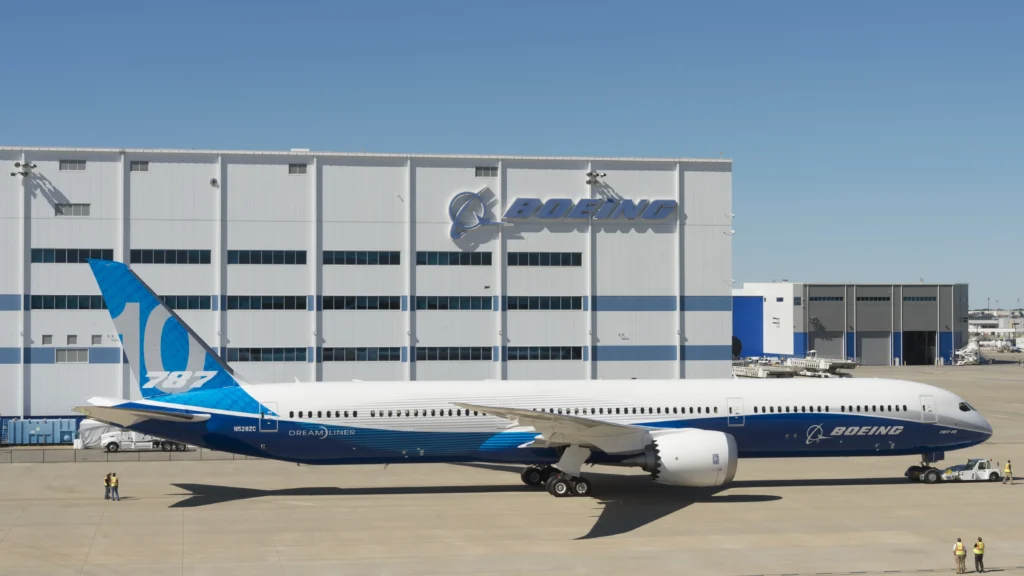
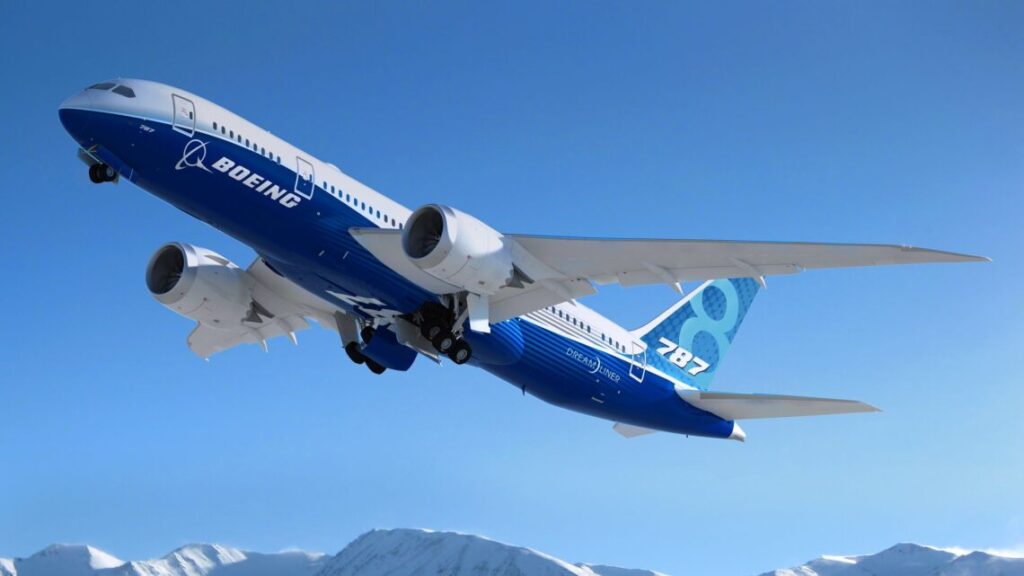
The 787 program has developed from the original 787-8 into a wider family comprising the 787-8, 787-9 and 787-10.
Boeing began working on the later variants around the time the original aircraft was nearing certification, allowing the company to extend the platform rather than treat the first model as the final form of the program.
Tyler Savell, now a 787 engineering leader, joined Boeing as a Systems Integration intern a few months before certification.
He recalled the anticipation surrounding certification because it would clear the way for the first deliveries, while development work on the 787-9 and 787-10 was already underway.
Fifteen years later, Savell is part of the leadership developing the next generation of employees who will support the program. His career progression reflects the longer-term development of the 787 and the workforce behind it.
787 Family Expands the Original Platform
The 787-8 established the foundation of the Dreamliner family. Boeing then added the 787-9 and 787-10 to provide airlines with different combinations of capacity, range and operating flexibility.
The program’s development has also relied on lessons from the growing in-service fleet. John Murphy, the 787 chief project engineer, said Boeing has continued to listen to airline customers and apply that knowledge to improve the aircraft.
The approach has kept the original platform relevant as airlines have adjusted their networks and mission requirements.
The result is a 787 family designed to support a broad range of long-haul operations rather than a single aircraft mission.
Fuel Efficiency and Nonstop Routes
The 787 was developed around a combination of fuel efficiency, advanced materials and long-range capability. Boeing says the 787 family provides up to 25% better fuel efficiency than the airplanes it typically replaces.
The aircraft’s operational flexibility has also affected airline network planning. Boeing says the 787 has carried more than 1 billion passengers and helped airlines open more than 540 new nonstop routes that were previously unserved.
Boeing’s current 787 program figures list more than 1.3 billion passengers flown and more than 540 new nonstop routes.
The composite airframe is another defining part of the program. Boeing says the aircraft’s composite structure and fuel efficiency established a new benchmark for advanced materials and manufacturing.
Higher Takeoff Weight Adds More Flexibility
The latest major capability improvement involves increased maximum takeoff weight for the 787-9 and 787-10.
The Federal Aviation Administration certified the increased maximum takeoff weight in 2026, giving airlines the option to carry more payload or operate longer routes.
All 787-9 and 787-10 aircraft assembled as of December 2025 are structurally capable of the higher weight. However, the certified operating weight is designated for each individual aircraft.
Because that certification can affect airport fees and route planning, airlines can choose to activate the higher capability at delivery or at a later stage.
The approved increase provides a different benefit for each model. For the 787-9, the roughly 10,000 pound increase can provide about 3 metric tons of additional payload or more than 300 nautical miles of additional range.
For the 787-10, the roughly 14,000 pound increase can provide about five metric tons of additional payload or more than 400 nautical miles of additional range.
Boeing developed the higher-weight capability in response to airline requirements. Some operators wanted greater range from the 787-10, while others wanted more payload capability from the 787-9 with corresponding range trade-offs.
Customer Demand Drives Continued Investment
The 787 has become Boeing’s bestselling passenger widebody aircraft in history, according to the company. Strong customer demand is also driving investment in the program and its production system.
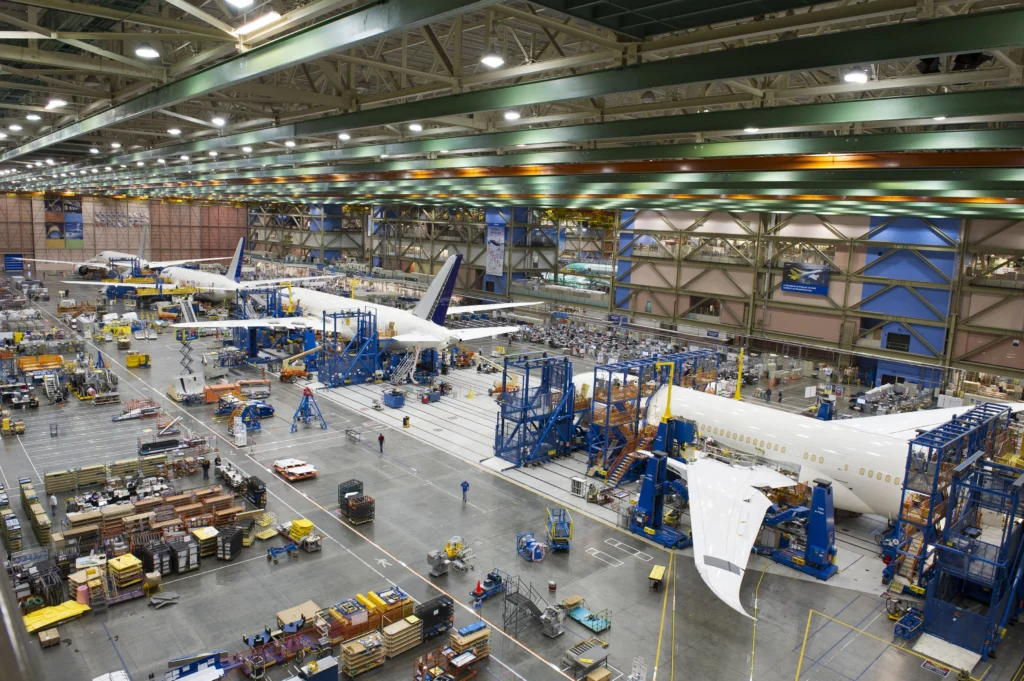
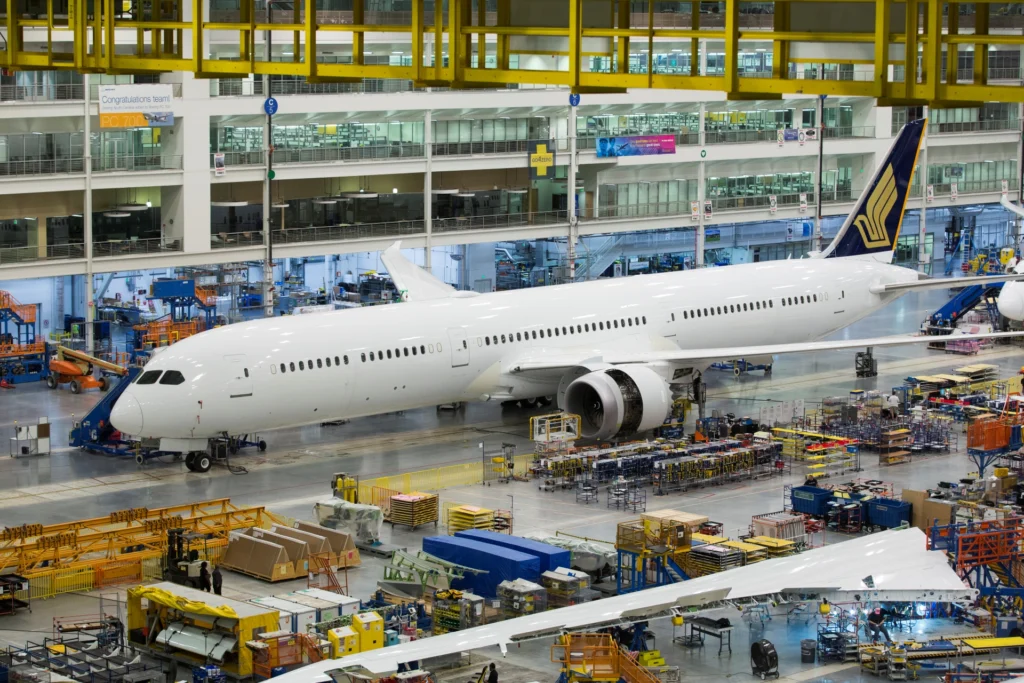
Boeing is expanding its 787 production footprint and capabilities to support higher production rates and future customer demand.
Scott Stocker, vice president and general manager of the 787 program, said the expansion reflects the opportunity that remains for the aircraft and the need to prepare the program for its next phase.
The investment extends the program’s evolution beyond aircraft performance. Boeing is also developing the manufacturing capacity and workforce needed to sustain the 787 program as customer requirements continue to change.
ANA Delivery Started Commercial Service
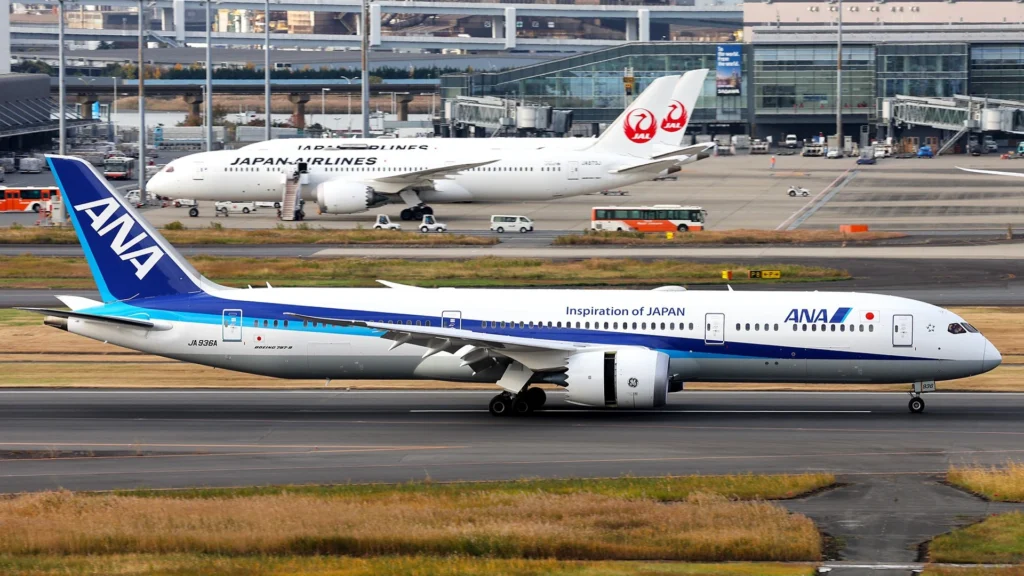
Type certification on August 26, 2011, cleared the 787 for commercial airline operations. Boeing delivered the first aircraft to All Nippon Airways one month later, on September 26, 2011, and ANA began operating the aircraft commercially on October 26, 2011.
The first delivery marked the transition from certification and flight testing to worldwide airline service. Since then, Boeing has expanded the program into three passenger variants and delivered more than 1,250 787s worldwide as of March 2026.
End of Test Program Era
The 15-year milestone also comes after the retirement of ZA004, the last 787-8 test airplane. Boeing says ZA004 made its final flight on February 11, 2026, after nearly 16 years of service in the flight-test program.
ZA004 entered the flight-test program on February 24, 2010, registered as N7874. During its test career, the aircraft completed more than 670 flights, logged more than 2,250 flight hours and visited more than 30 airports.
Its work included the 1,000th 787 flight in 2011, certification support for Rolls-Royce 787 engine variants, the testing of more than 25 technologies as Boeing’s second ecoDemonstrator in 2014, and validation of power-distribution software following an in-flight electrical incident that had paused the flight-test program.
ZA004’s retirement closed an important part of the development story, but Boeing said some of its components will continue to support training, research, replacement and spare-part needs.
Boeing 787’s Next 15 Years
The 787’s development since 2011 has followed a consistent model: build on the original aircraft, apply experience from airline operations and introduce capabilities that address customer requirements.
The 787-9 and 787-10 expanded the family’s role, while the increased maximum takeoff weight adds further payload and range flexibility. Continued production investment and workforce development are now supporting the next phase of the program.
Fifteen years after certification, the 787 remains an active Boeing widebody program rather than a static design. Its next stage will continue to depend on aircraft development, airline demand, production capability and the engineers supporting the program.
Stay tuned with us. Further, follow us on social media for the latest updates.
Join us on Telegram Group for the Latest Aviation Updates. Subsequently, follow us on Google News
