

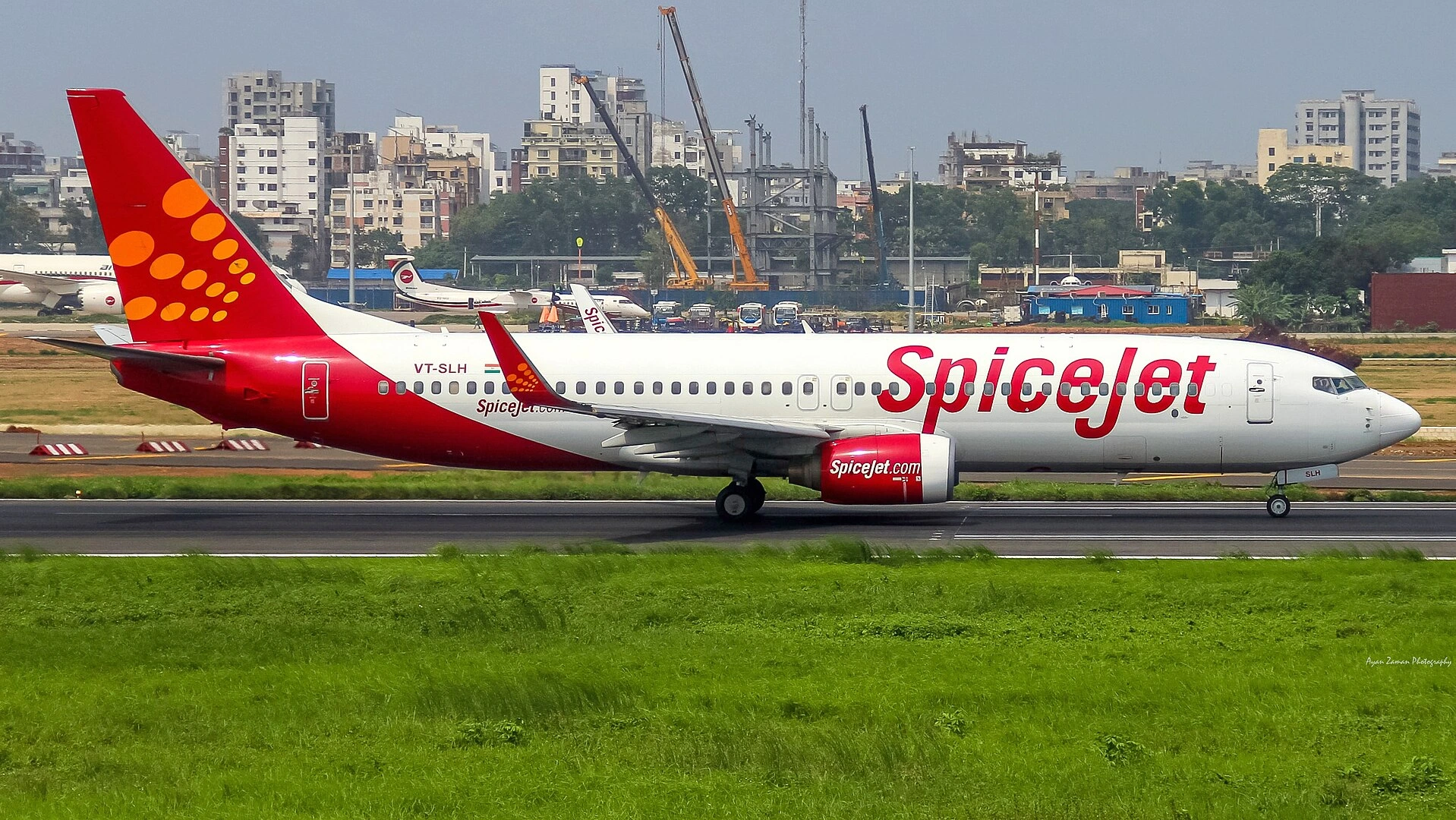
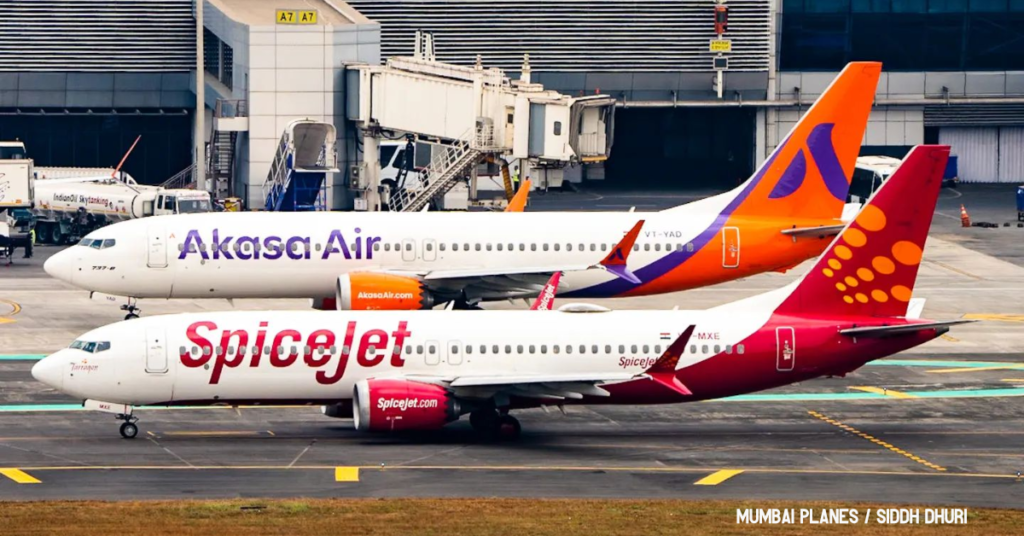
DELHI- SpiceJet (SG) confirmed the induction of two additional Boeing 737 aircraft into its fleet. The move was completed just days before IndiGo (6E) began facing widespread operational disruptions that triggered nationwide cancellations and regulatory intervention.
The aircraft were deployed into commercial service on November 26 and 29 after completing all approvals, and they now operate on high-demand international and domestic routes. These include Delhi–Bangkok, Ahmedabad–Dubai, and Ahmedabad–Kolkata, strengthening connectivity through key hubs such as Delhi (DEL) and Ahmedabad (AMD).
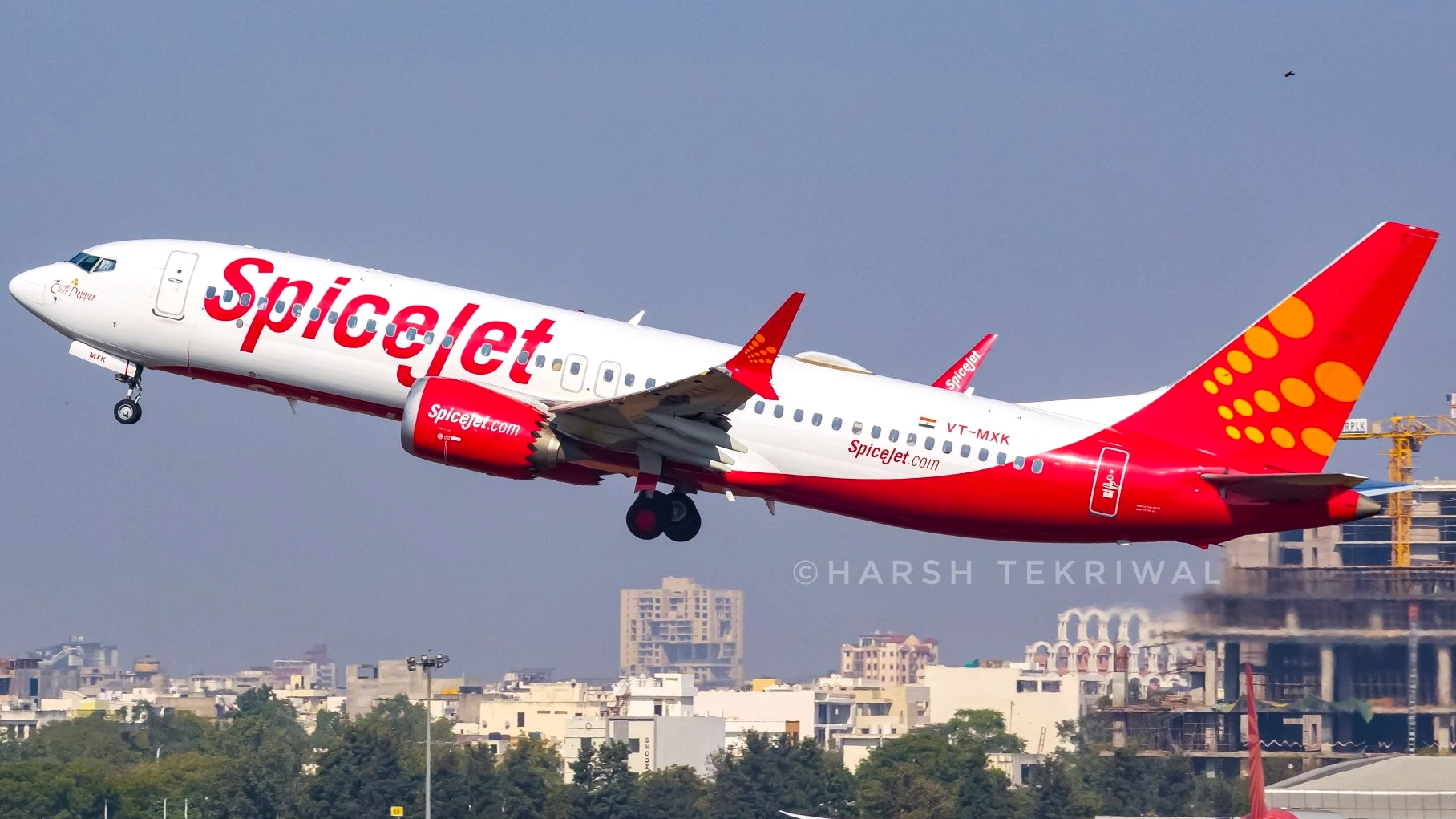
SpiceJet Fleet Expansion
SpiceJet said the new additions reflect a calibrated approach to restoring capacity and improving on-time performance. The inductions, completed before IndiGo’s ongoing crisis, arrived at a time when the market expects airlines to absorb demand during the peak travel season.
Both aircraft joined operations without delay, which the airline attributed to proactive planning.
According to the carrier, the new jets will support route stability and reduce pressure on existing aircraft during congested travel windows.
The company added that its strategy focuses on building a resilient fleet while keeping operating costs in check.
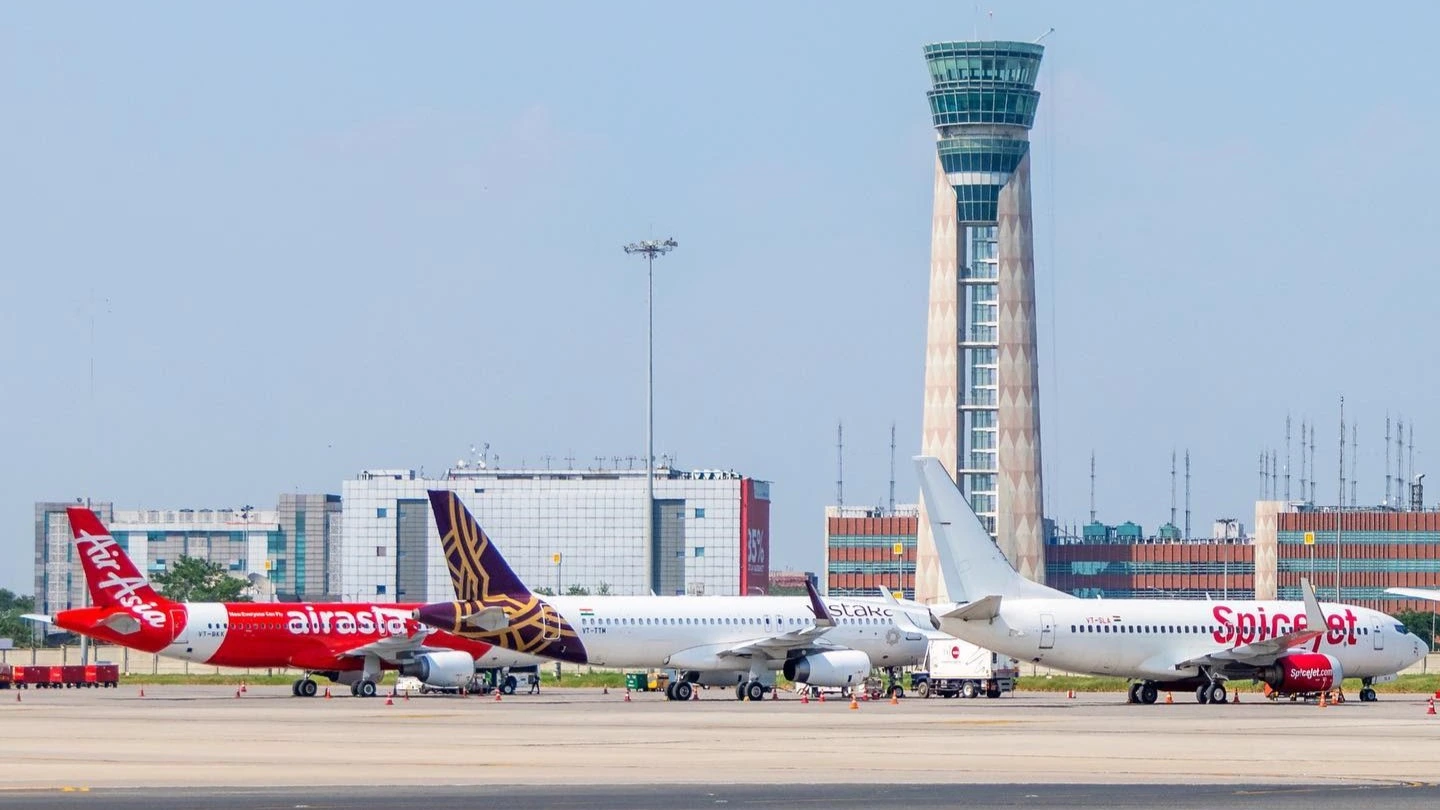
Impact of the IndiGo Crisis
IndiGo’s operational meltdown has reshaped the industry’s short-term landscape. The Directorate General of Civil Aviation ordered the airline to cut 5 percent of its schedule following more than 5,000 cancellations since December 2, affecting an estimated 600,000 passengers.
Authorities are preparing to reassign around 110 daily flights to other carriers and may impose further cuts depending on crew availability.
Regulators are also examining IndiGo’s manpower planning, readiness for duty-time rules and response to winter disruptions.
Market value losses have intensified pressure on IndiGo, with parent InterGlobe Aviation shedding 8.7 percent, marking its sharpest fall since early 2022. The seven-day decline has erased nearly USD 4.5 billion.
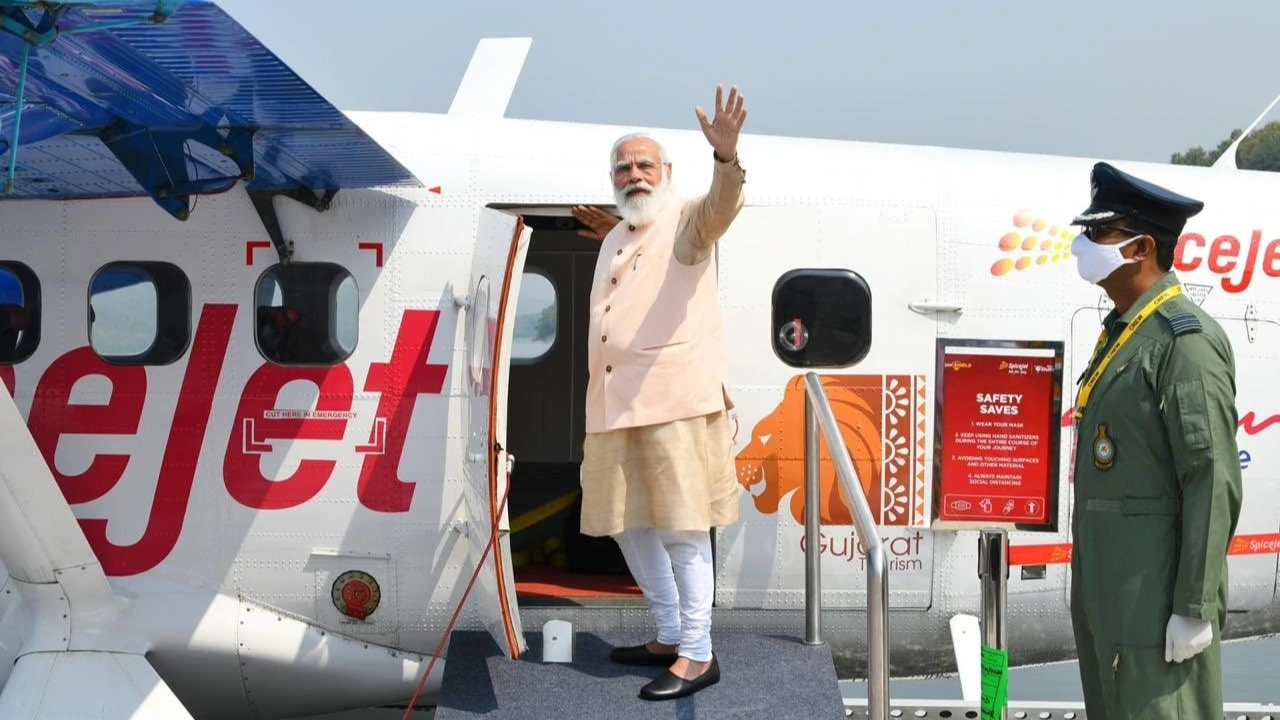
Government Push on Capacity
To stabilise operations, the government directed Air India (AI), SpiceJet and Akasa Air (QP) to increase capacity across affected routes.
Air India deployed wide-body jets on select domestic sectors to accommodate stranded passengers, while temporary fare caps were introduced to prevent price escalation.
For sectors up to 500 km, fares cannot exceed ₹7,500, whereas longer routes such as Delhi–Mumbai are temporarily limited to ₹15,000.
The civil aviation minister emphasised stronger oversight and indicated that strict action may follow if IndiGo is found responsible for operational lapses.
Airports, particularly Delhi’s Terminal 1, experienced heavy congestion, unclaimed baggage stacks and long queues as passengers sought alternatives following mass cancellations.
Bottom Line
SpiceJet’s fleet expansion, executed ahead of IndiGo’s disruptions, provides the airline with a timely advantage in a strained market.
The addition of two Boeing 737s strengthens network reliability, supports rising seasonal demand and allows the carrier to capture reallocated traffic.
As capacity pressures persist across India’s aviation sector, SpiceJet’s measured inductions reinforce its position during a volatile period for the industry.
Stay tuned with us. Further, follow us on social media for the latest updates.
Join us on Telegram Group for the Latest Aviation Updates. Subsequently, follow us on Google News
