

GENEVA– The International Air Transport Association (IATA) released its newest financial outlook, signaling that carriers will deliver a combined net profit of USD 41 billion in 2026, matching the 3.9% margin projected for 2025.
The forecast shows that airlines are strengthening resilience even as operating conditions remain uneven. With passenger numbers projected to reach 5.2 billion in 2026, airlines are benefiting from sustained demand and high load factors. The industry is also taking advantage of steady macroeconomic conditions, including stable GDP growth and easing inflation.
Aviation’s Profit Outlook
IATA expects operating profit to climb to USD 72.8 billion in 2026, improving from USD 67 billion in 2025 as revenues rise to USD 1.053 trillion.
The net profit per passenger is forecast at USD 7.90, which remains below the 2023 peak but aligns with 2025 results. Load factors will continue to set records, reaching 83.8% due to tight global capacity and slow aircraft deliveries.
Return on invested capital is estimated to hold at 6.8%, still short of the industry’s weighted average cost of capital.
This gap demonstrates a long-term challenge, as airlines generate high economic value yet often fail to earn returns comparable to suppliers such as engine and avionics manufacturers.
Revenue Trends in Aviation
Passenger ticket revenue is expected to rise 4.8% to USD 751 billion, supported by a nearly 5% expansion in revenue passenger kilometers.
Yields are forecast to remain stable as airlines balance demand with constrained supply. Cargo revenue is projected to reach USD 158 billion, driven by strong e-commerce flows and semiconductor shipments that continue to support AI-driven industries.
Ancillary revenue will increase to USD 145 billion, representing nearly 14% of total airline income. These gains reflect the growing role of paid add-ons, flexible travel options, and premium service upgrades across markets.
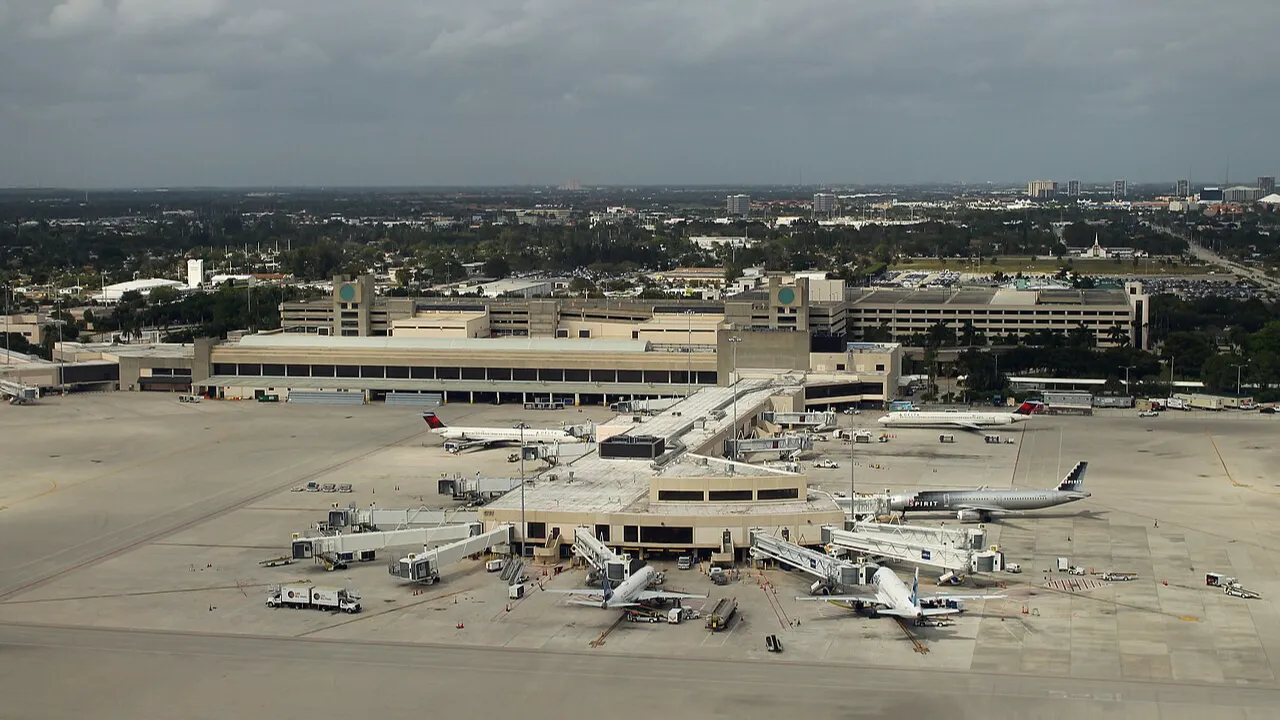
https://commons.wikimedia.org/wiki/File:Palm_Beach_International_Airport_-_Concourse_C_Aerial.jpg
Cost Pressures
Fuel costs are expected to ease slightly to USD 252 billion in 2026 due to lower crude prices, though jet fuel will not fall as sharply because of a widening crack spread.
Non-fuel costs, however, will continue rising as labor, maintenance, and leasing expenses increase. Labor costs now account for 28% of total expenses, driven by strong wage growth and ongoing training demands.
Sustainable Aviation Fuel procurement and CORSIA-related compliance are also adding costs.
The industry expects to use 2.4 million tonnes of SAF in 2026, representing 0.8% of total fuel consumption but contributing significantly to incremental spending.
Bottom Line
The 2026 outlook confirms that airlines are entering a phase of steady, but not spectacular, profitability. This table summarizes public opinion data from an IATA survey, showing how travelers view the role of the global airline industry.
| Survey Metric | Percentage |
|---|---|
| Air connectivity is critical to the economy | 90% |
| Air travel has a positive impact on societies | 88% |
| Global air transport network contributes to UN SDGs | 82% |
| Public cares about the success of the aviation industry | 83% |
Strong demand, record load factors, and stable revenue streams are supporting margins, yet the industry still faces structural challenges, including stagnant returns on capital, supply chain bottlenecks, and rising regulatory burdens.
Despite these issues, airlines continue to deliver economic value and maintain confidence among travelers, who overwhelmingly view air travel as essential and beneficial.
Stay tuned with us. Further, follow us on social media for the latest updates.
Join us on Telegram Group for the Latest Aviation Updates. Subsequently, follow us on Google News
