


ABU DHABI- Etihad Airways (EY) cancelled 2 scheduled services between Abu Dhabi and Bahrain on July 16 after an early morning flight was forced to return to its point of departure.
The flight turned back due to the closure of Bahrain International Airport as the US-Iran war escalated across the Gulf.
Flight EY647, which departed Zayed International Airport (AUH) for Bahrain International Airport (BAH), turned back to Abu Dhabi in the early hours of Thursday. The carrier then cancelled both the outbound and return flights for the day.
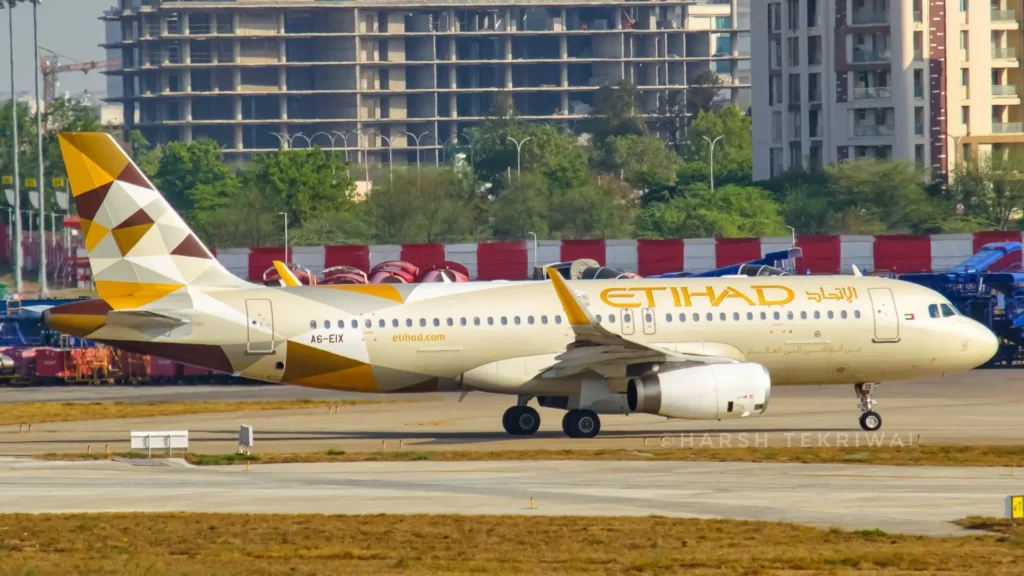
Etihad Halts Abu Dhabi to Bahrain Operations
Etihad confirmed that flight EY647 returned to Abu Dhabi after Bahrain Airport closed amid the escalating US-Iran war.
The airline cancelled the outbound EY647 service from Abu Dhabi to Bahrain along with the return EY648 flight from Bahrain to Abu Dhabi, both scheduled for the same day.
The Abu Dhabi-based carrier stated in an operations update that it is monitoring the situation and will continue to provide updates to affected passengers.
Etihad apologised for the disruption, saying the “safety and comfort of our guests and crew are our number one priority.”
Etihad typically operates up to 5 non-stop flights each day in both directions between Abu Dhabi and Bahrain, though schedules vary by season and day of the week.
According to Gulf News, Etihad’s booking platform showed that the remaining flights for the day would operate as scheduled.
The cancellations added to a widening pattern of schedule changes across the Middle East. Several airlines have adjusted operations as regional aviation continues to absorb the effects of the conflict involving Iran, the United States, and Israel.
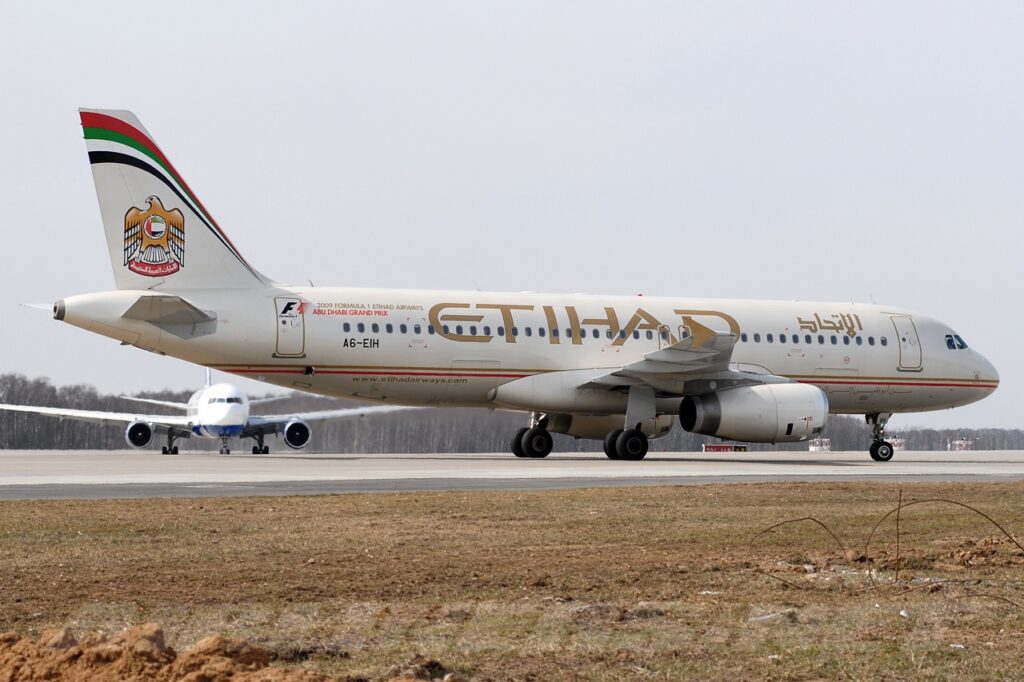
Wider Impact on Bahrain Air Traffic
Flight tracking data from Flightradar24 showed that several flights operating to and from Bahrain were affected in the early hours of July 16.
A Fly Jinnah (9P) flight was diverted to Dammam (DMM), while an Air India (AI) service from Kozhikode (CCJ) was delayed.
Bahrain’s Interior Ministry activated warning sirens and urged citizens and residents to stay calm and move to the nearest safe place.
The latest events added to a growing list of delays, diversions, and cancellations across the region as carriers adjusted operations in response to the changing security situation.
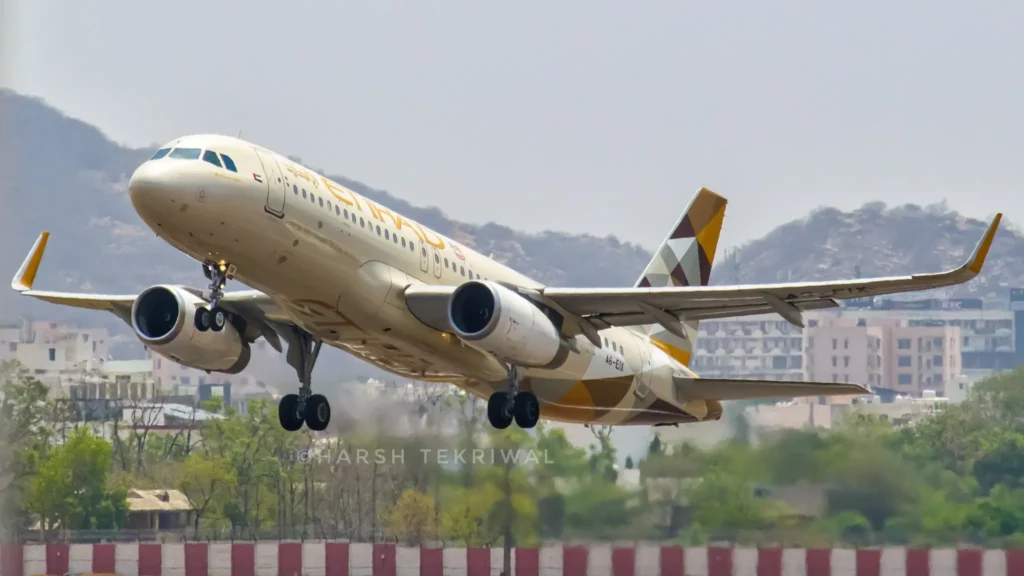
Airspace Warnings Add Operational Pressure
The disruption followed heightened aviation warnings across the Gulf. The European Union Aviation Safety Agency advised operators not to fly in the Bahrain flight information region, and it extended caution to neighbouring states including Kuwait, Qatar, Oman, and the UAE.
The primary risk cited was missile and drone activity linked to the wider Iran conflict.
The renewed pressure on Bahrain followed coordinated missile and drone attacks that Iran launched against Bahrain, Qatar, the United Arab Emirates, and Kuwait on July 12, 2026.
Bahrain hosts major United States military infrastructure, including the US Navy’s Fifth Fleet, which placed the kingdom and its airport under heightened security.
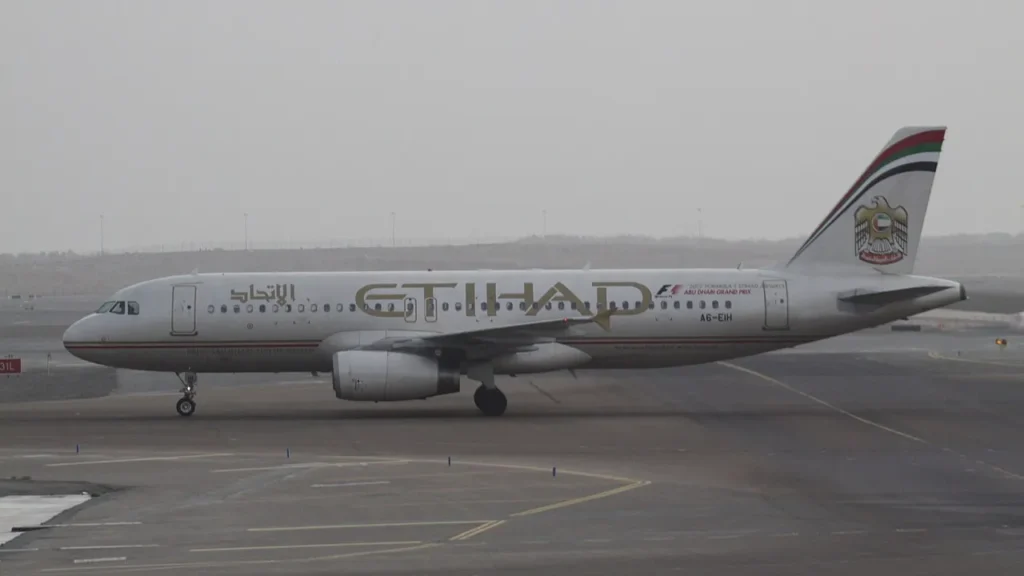
Background to the Escalation
The UAE strongly condemned the renewed hostile attacks by Iran targeting Bahrain, Kuwait, and Jordan.
The 2026 Iran War escalated drastically after the complete collapse of the mid-June interim ceasefire agreement.
Regional reports stated that hostilities reignited after Iran’s Islamic Revolutionary Guard Corps (IRGC) targeted commercial vessels in the Strait of Hormuz.
Those reports said US President Donald Trump then declared the peace memorandum void, reinstated a naval blockade on Iranian ports, and ordered further airstrikes.
Stay tuned with us. Further, follow us on social media for the latest updates.
Join us on Telegram Group for the Latest Aviation Updates. Subsequently, follow us on Google News
