

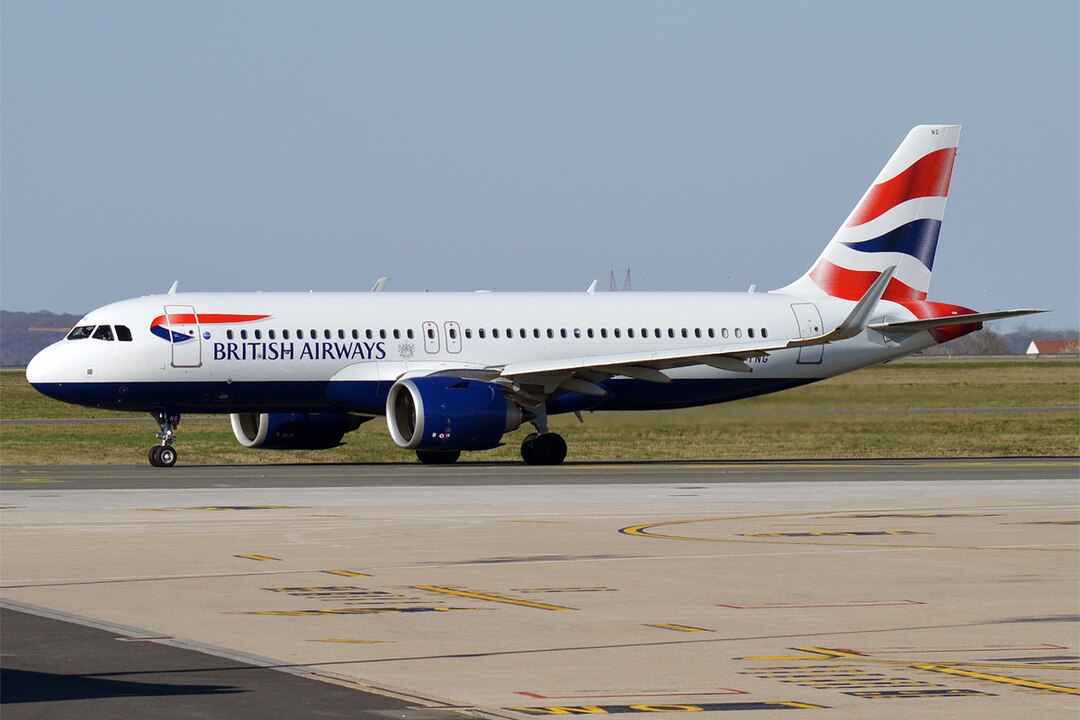
EDINBURGH- British Airways (BA) flight operations at Edinburgh Airport (EDI) were briefly disrupted after a London-bound aircraft returned shortly after departure due to a technical issue.
Operations at Edinburgh Airport were suspended for around 40 minutes as ground teams cleared the runway and completed safety checks before reopening.
British Airways Emergency Landing at Edinburgh
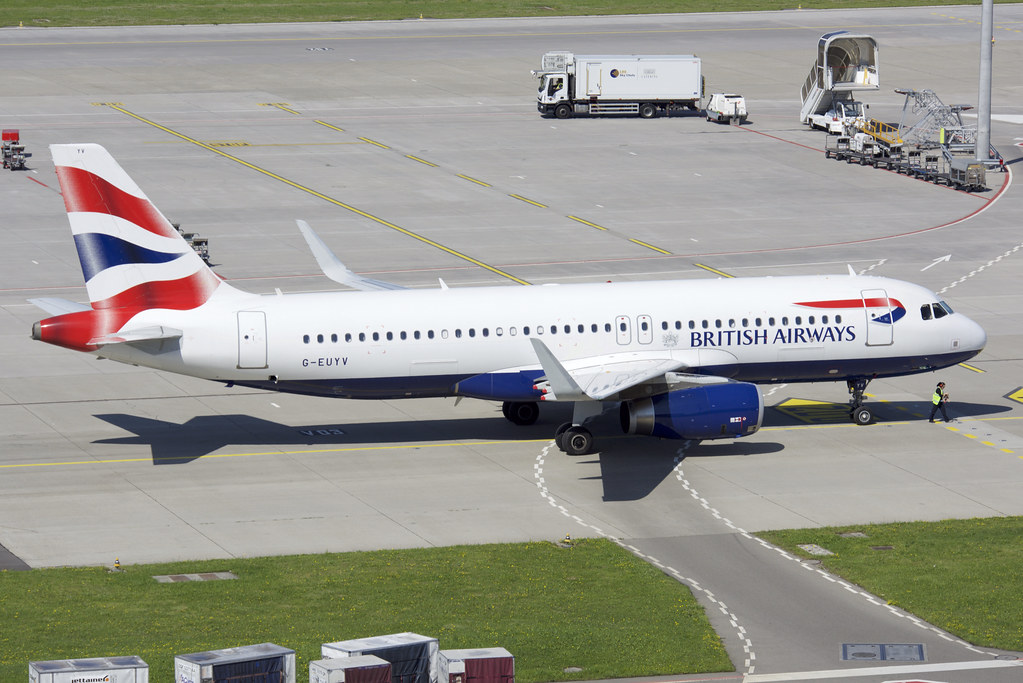
The Flight data confirms British Airways flight BA1443, scheduled from Edinburgh to London Heathrow (LHR), turned back shortly after takeoff. The Airbus A320 departed Edinburgh at 11.13 am for the planned ninety-minute flight.
Soon after departure, the flight crew identified a technical issue and transmitted the internationally recognized 7700 emergency squawk code. This signal informs air traffic control that the aircraft requires immediate priority handling. The aircraft landed safely back at Edinburgh, with no reported injuries.
Edinburgh Airport confirmed at 1.10 pm that all arrivals and departures were suspended while emergency and operational teams responded. The aircraft remained on the runway until it was safely towed to a stand by the airline’s handling agent.
Passengers were transported back to the terminal by coach as inspections were carried out. Airport authorities emphasized that the suspension was precautionary and driven by established safety protocols.
Operations resumed once the runway was fully cleared and checks were completed.
Statements From Airport and Airline
In a follow-up update, Edinburgh Airport stated that safety remains its highest priority and thanked passengers for their patience during the disruption. The airport also acknowledged the coordinated response by its operational teams.
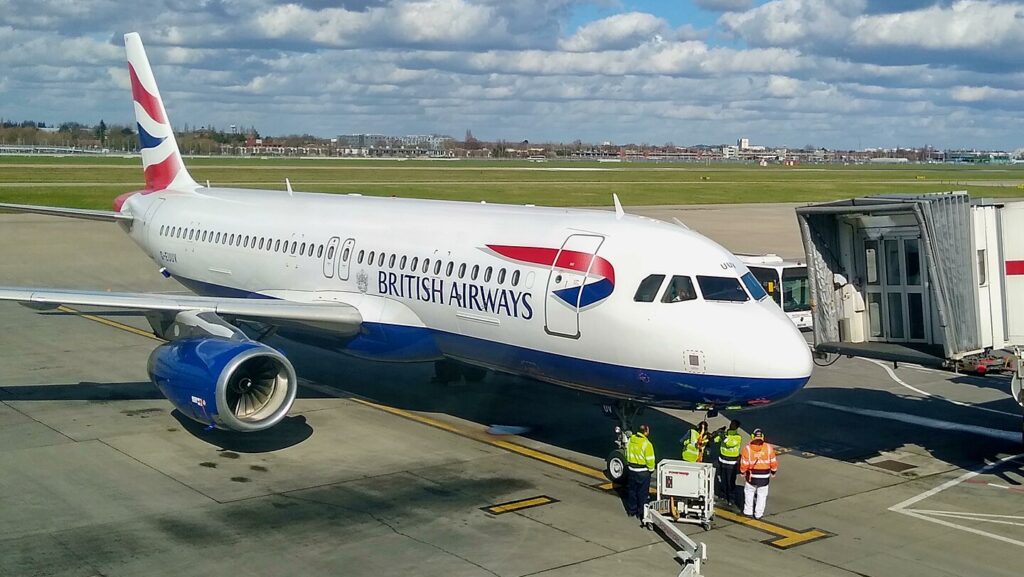
British Airways confirmed that the aircraft returned to Edinburgh after pilots detected the technical issue shortly after takeoff. The airline apologized to passengers and said efforts were underway to rebook affected travelers as quickly as possible.
Second Disruption Within a Week
This incident marks the second operational suspension at Edinburgh Airport in one week. On Friday, all flights were halted due to a localized air traffic control IT issue.
At that time, the airport advised passengers to contact their airlines directly for updated flight information. Airport officials clarified that the outage was limited and not part of a wider system failure.
Similar Incident
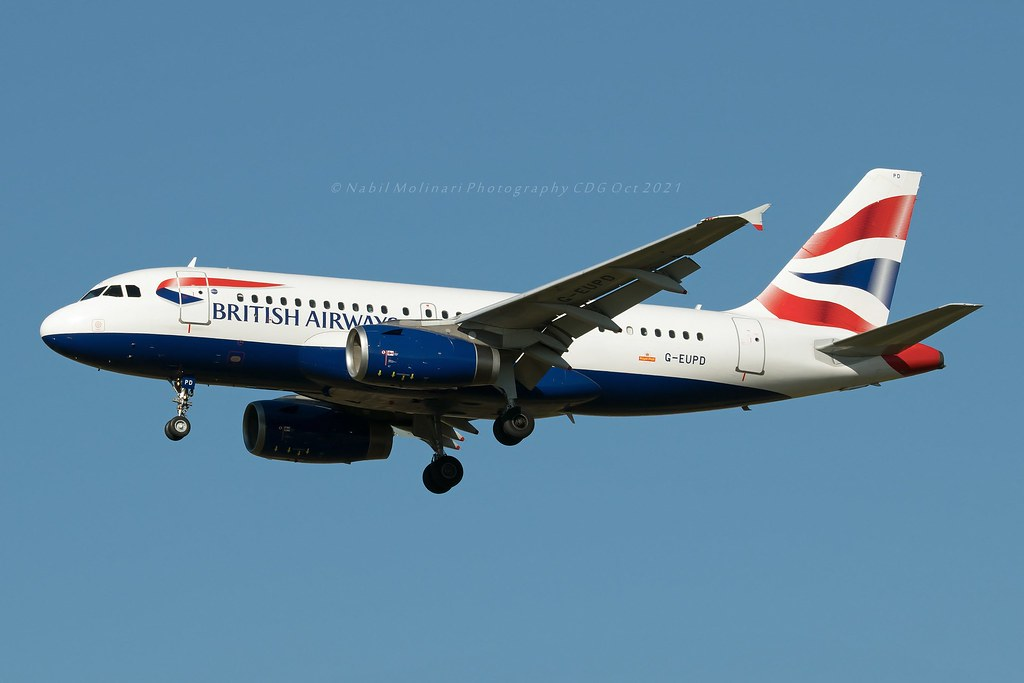
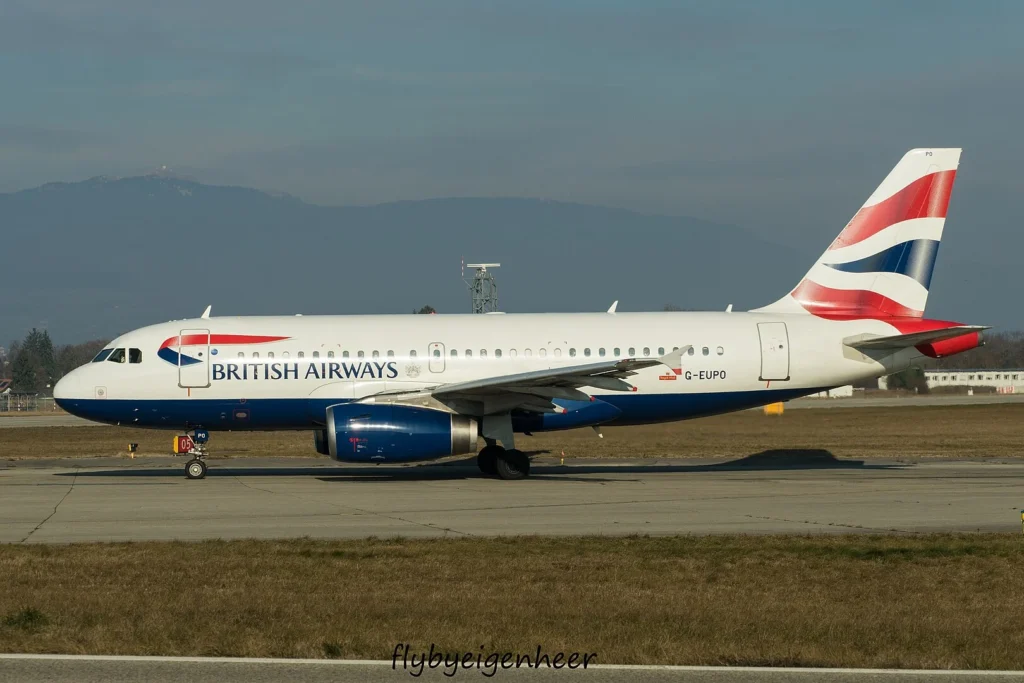
British Airways (BA) flight BA1410 diverted to Manchester after declaring an in-flight emergency during a scheduled service from London Heathrow to Belfast City.
The Airbus A319 operating the flight landed safely, with emergency procedures followed and no injuries reported. The disruption led to delays and triggered passenger rights considerations under UK law.
Emergency Diversion on UK Domestic Route
British Airways flight BA1410 departed London Heathrow at 08:05 BST on July 26, 2025. Around 30 minutes after takeoff, cockpit indicators suggested a possible cabin depressurisation.
The flight crew followed standard safety procedures and transmitted squawk code 7700, signalling a general emergency to air traffic control.
The Airbus A319 entered a brief holding pattern to allow air traffic coordination before diverting north to Manchester Airport.
The airport was selected due to its operational readiness and emergency response capability. The aircraft landed without further incident, and all passengers disembarked normally after arrival at the gate.
Aircraft Type and Incident Assessment
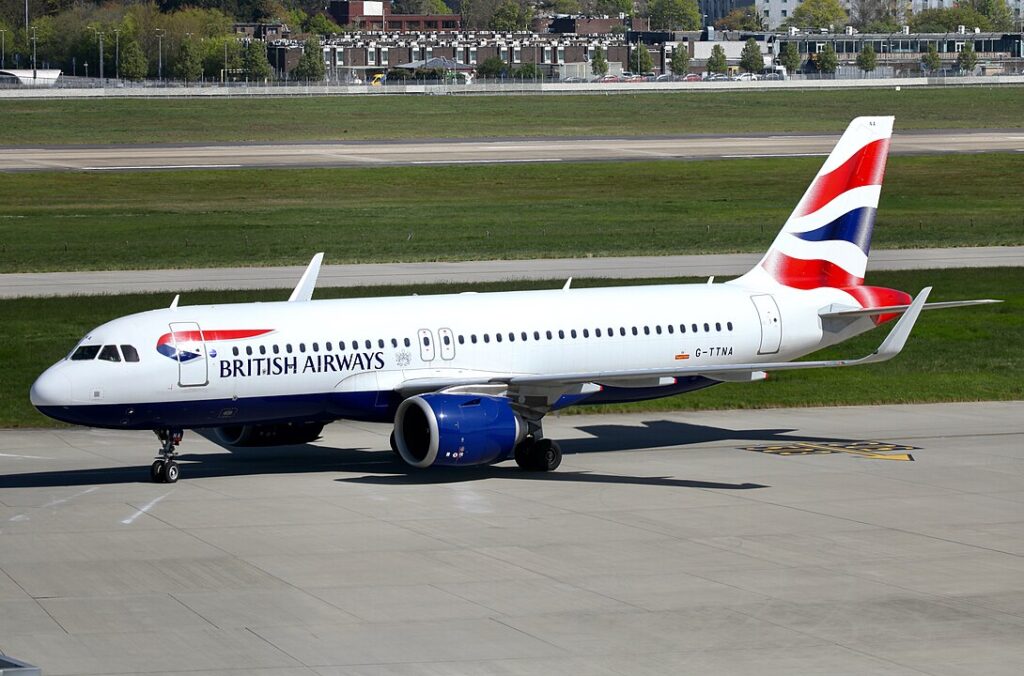
The flight was operated by an Airbus A319, a narrow-body aircraft commonly used by British Airways on short-haul routes within the UK and Europe. The model typically carries around 130 passengers, depending on cabin configuration.
Initial technical assessments indicated a faulty sensor as the probable cause of the warning. The sensor may have incorrectly detected a cabin pressure issue, prompting a precautionary response. British Airways engineering teams carried out detailed system checks before approving further operations.
Ground Handling and Passenger Reaccommodation
Emergency crews and ground staff were positioned during landing as a precaution. After inspection, passengers were escorted to the terminal while the aircraft remained grounded for engineering evaluation.
The diversion caused a delay of approximately three hours. British Airways arranged a replacement aircraft so passengers could continue their journey to Belfast City later the same day, limiting further operational disruption.
Passenger Rights Under UK Aviation Rules
Passengers affected by diversions or extended delays may be eligible for compensation under UK air passenger legislation, which closely aligns with EU Regulation 261/2004.
Eligibility generally depends on three factors. The delay at the final destination exceeds three hours, the cause being within airline control, and travel booked under a single reservation. Technical issues such as mechanical or sensor faults typically qualify, while weather or security-related events may not.
Compensation levels are distance-based.
- Short-haul flights under 1,500 km may qualify for up to £220, reduced if advance notice is provided.
- Medium-haul flights between 1,500 and 3,500 km may qualify for up to £350, subject to similar conditions.
Passengers are also protected in cases of short-notice cancellations, significant rerouting, or missed connections when responsibility rests with the airline.
Stay tuned with us. Further, follow us on social media for the latest updates.
Join us on Telegram Group for the Latest Aviation Updates. Subsequently, follow us on Google News
