

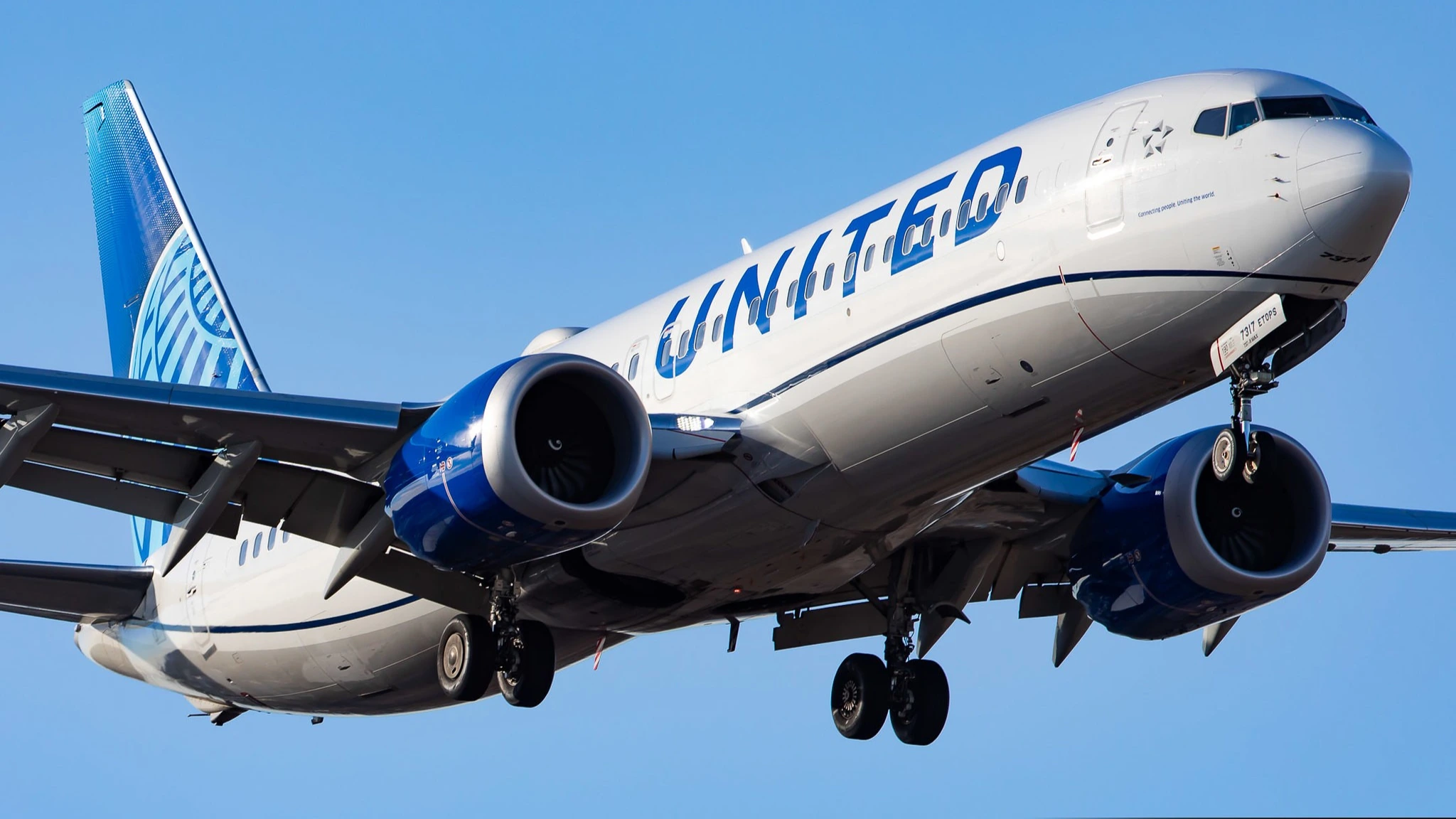
Many airlines comparing new narrowbody aircraft evaluate the price of the Boeing 737 MAX against the Airbus A321neo, especially at major aviation hubs such as Seattle–Tacoma International Airport (SEA) and Frankfurt Airport (FRA).
These decisions shape long-term fleet planning and determine where capacity aligns with expected passenger demand.
Fleet managers weigh both models on economic and performance grounds, with purchase cost a defining factor.
While the two aircraft compete directly in the same market segment, their list prices, discounts, and configuration expenses influence which model better fits an airline’s network and financial strategy.
Boeing and Airbus Narrowbody Pricing
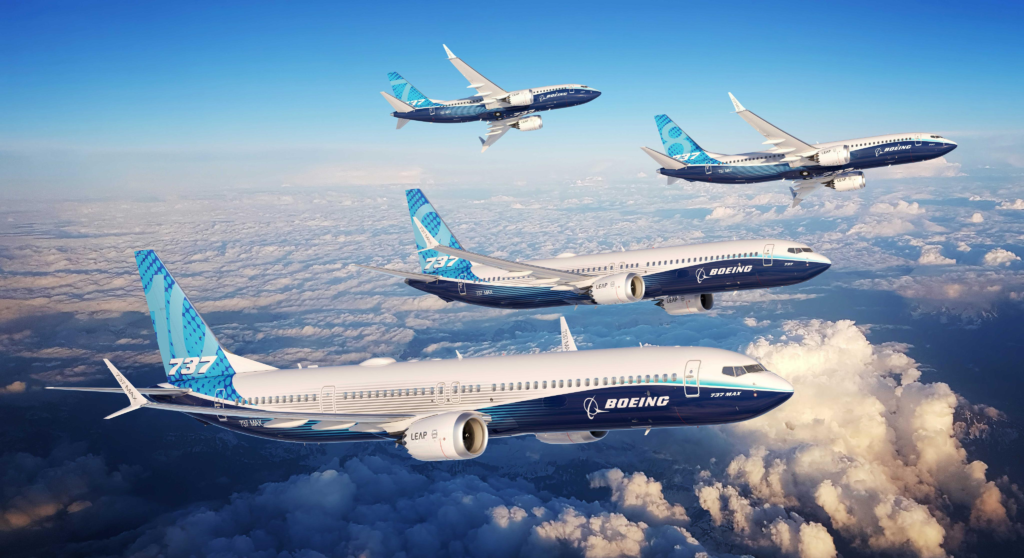
The Boeing 737 MAX and Airbus A321neo represent the most heavily compared single-aisle aircraft in commercial aviation.
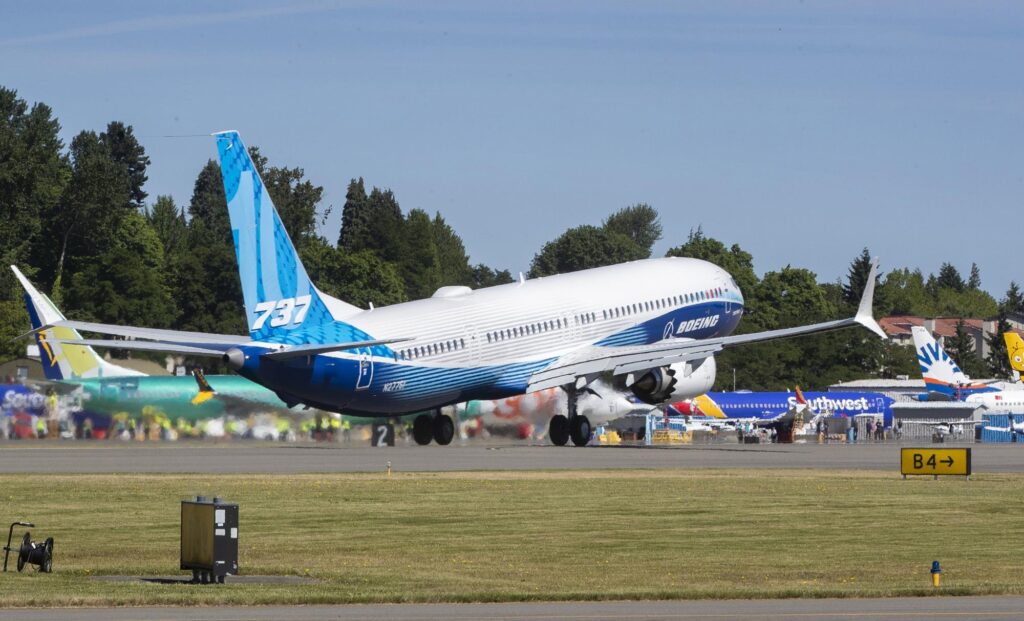
List pricing forms a foundation for cost evaluation—the Boeing 737 MAX 10 lists at approximately $135.9 million, according to Statistica.
The aircraft measures 143 ft 8 in (43.8 m), seats up to roughly 230 passengers, and offers a range of about 3,100 nautical miles (5,740 km).
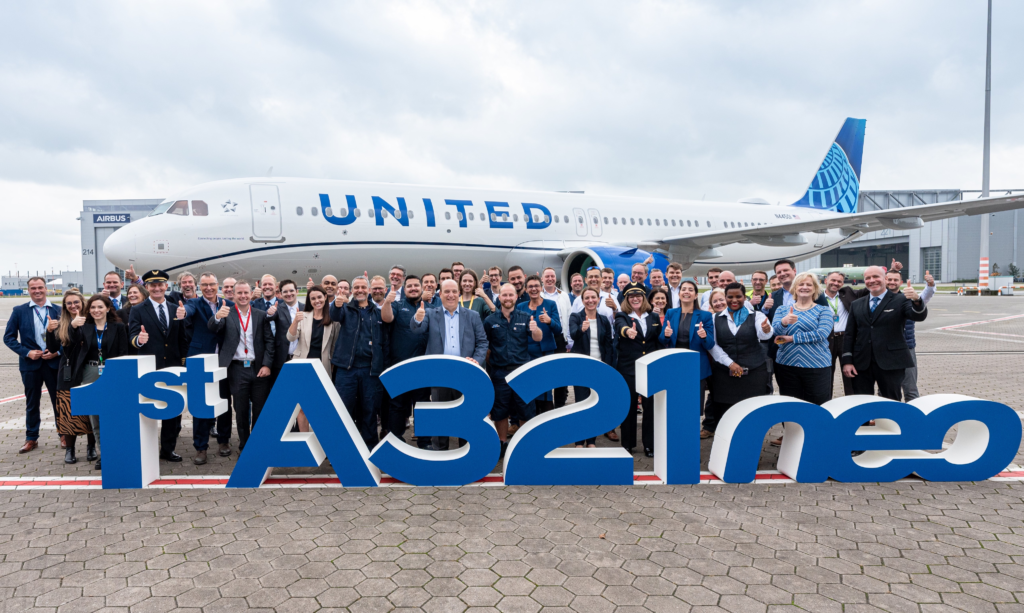
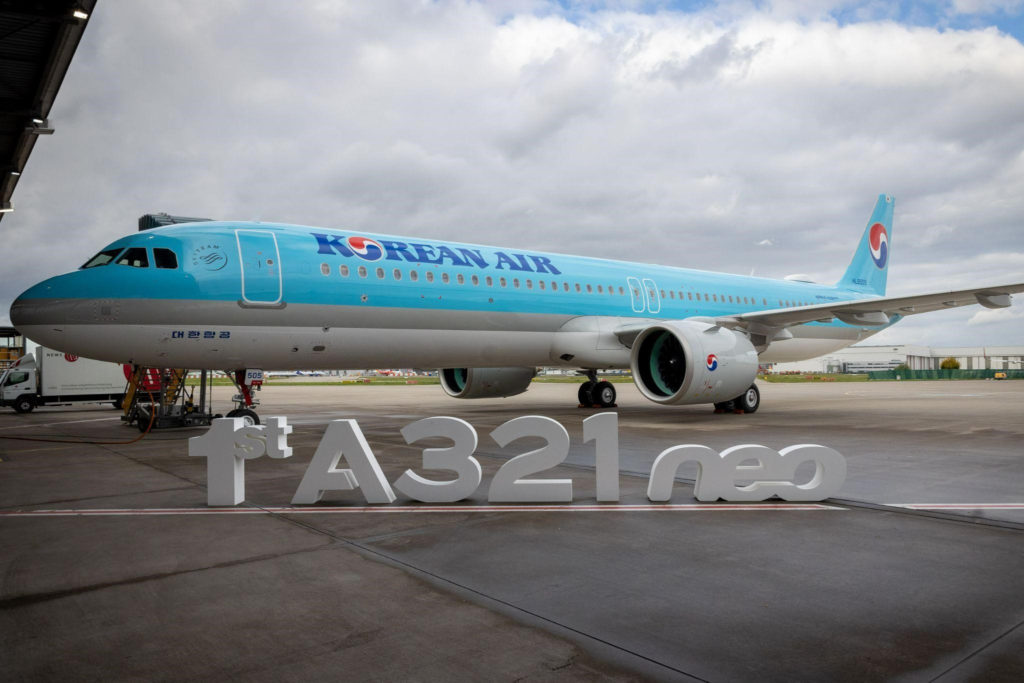
The Airbus A321neo lists at $129.5 million and measures 146 ft (44.51 m), seating 180–220 passengers in a typical two-class layout or up to 244 passengers in dense configuration, with a maximum range of about 4,000 nautical miles (7,400 km).
Reported by Simple Flying, these published figures illustrate the narrow price gap between both manufacturers’ top-tier narrowbody offerings.
Pricing scales downward through each family in a predictable order. In the 737 MAX lineup, the MAX 9 lists at $128.9 million and the MAX 8 at $121.6 million.
The Airbus A320neo and A319neo follow similar pricing logic, listed at $110.6 million and $101.5 million.
This tiered structure enables airlines to match aircraft size to route demand while maintaining pilot, parts, and maintenance commonality.
Acquisition Cost and Discounting
List prices do not reflect final transaction figures. Most airlines negotiate substantial concessions, particularly when placing bulk orders, purchasing multiple variants, or maintaining long-term contracts with a manufacturer.
Research shared by Wired indicates that the Airbus A321neo may reach real delivered pricing near $110 million after discounts.
When similar concession levels apply to both manufacturers, the street price of a discounted A321neo can become comparable to that of a discounted 737 MAX variant, meaning acquisition decisions depend less on list price and more on delivery timelines, total ownership cost, and operational fit.
How Layout and Performance Affect Price
The final cost of any commercial aircraft varies significantly based on configuration. High-density layouts with minimal galleys cost less than premium heavy configurations that include additional lavatories, business class seating, in-flight entertainment screens, cabin partitions, and specialized overhead bins.
Airlines requesting distinctive interior lighting schemes, branded seat fabrics, or custom service equipment incur further expense.
Beyond the cabin, technical upgrades influence pricing. Optional avionics packages, added communications equipment, satellite connectivity solutions, and airline-specific safety features increase cost.
Performance-related changes, including higher maximum takeoff weight, additional fuel tanks, or reinforced landing gear, require extra engineering work and raise the final delivery price.
These enhancements allow airlines to operate longer missions, increase payload flexibility, or serve high-demand markets.
Impact of Pricing on Airline Fleet
Aircraft pricing affects when and how airlines expand fleets. A lower-priced model can accelerate network growth or support early retirement of fuel intensive older aircraft.
A higher priced model with greater range and seating can open new city pairs and increase revenue potential when demand supports it. Seasonal demand also influences fleet composition.
Some carriers prioritize smaller models to optimize winter routes while deploying larger aircraft during peak travel periods.
Discounts play a strategic role. A manufacturer offering aggressive pricing may shift interest toward an aircraft an airline did not initially prioritize.
Negotiating leverage increases when orders span multiple aircraft types or include options for long term follow on deliveries, supporting long-range fleet flexibility rather than short-term purchases based on list price alone.
Why Published Aircraft Costs Should Not Be Treated as Exact
Neither manufacturers nor airlines consistently disclose final transaction costs, making list prices primarily reference points rather than verified sales figures.
Many published A321neo prices originate from 2018 and do not reflect inflation, currency shifts, or current supply chain conditions.
Additional features, avionics, bespoke interiors, and performance options can raise the price of either aircraft by tens of millions of dollars.
For these reasons, cost comparisons between the Boeing 737 MAX and Airbus A321neo provide meaningful trends but not definitive values.
Stay tuned with us. Further, follow us on social media for the latest updates.
Join us on Telegram Group for the Latest Aviation Updates. Subsequently, follow us on Google News
