

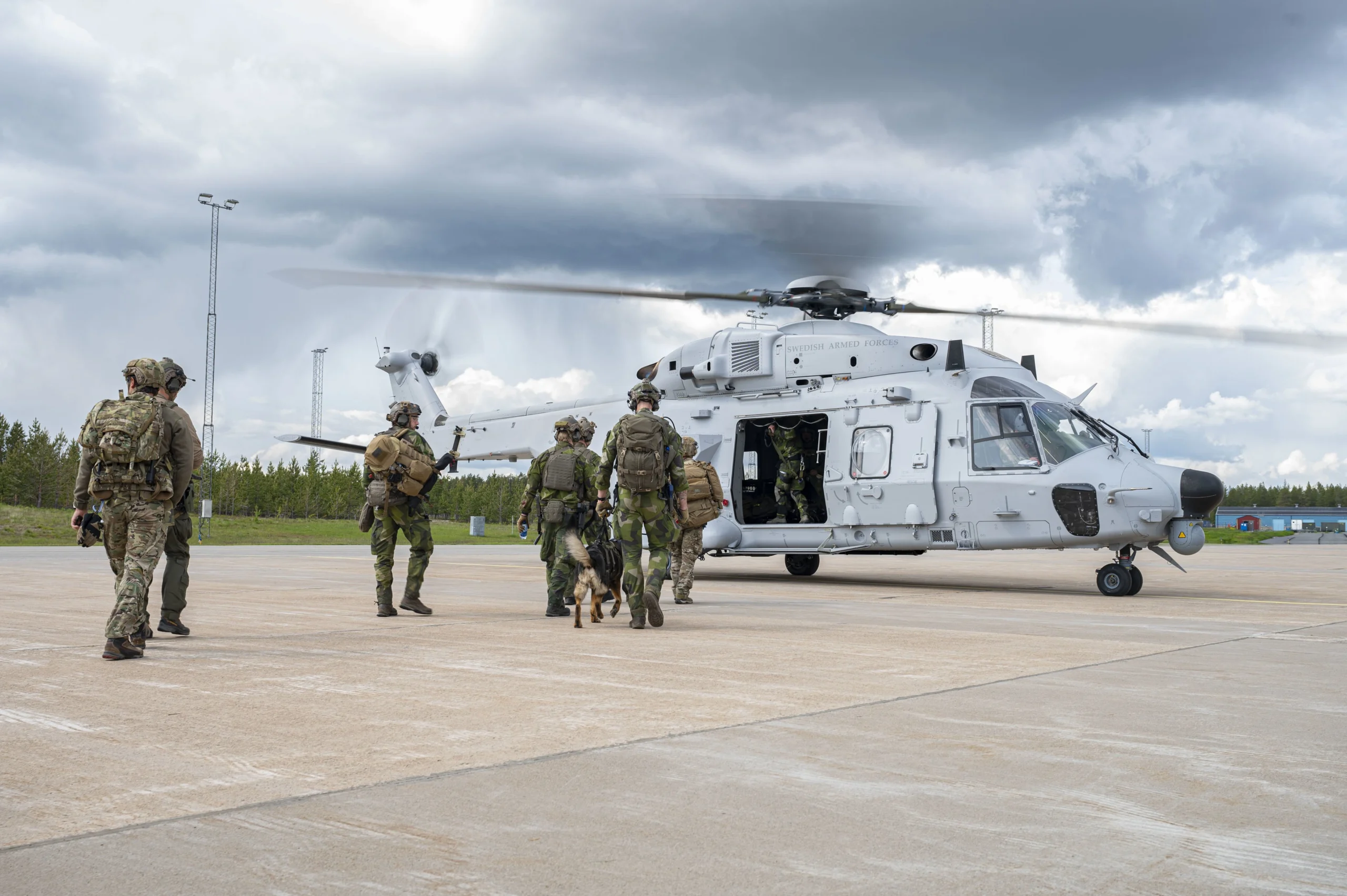
WASHINGTON- The United States is moving away from several elements of its earlier force-restructuring effort as the US Air Force shifts focus under its new leadership. Although the update does not involve carriers such as American Airlines (AA) or airports like Washington Dulles (IAD), the aviation community is closely watching the organizational changes.
The new adjustments were confirmed after Air Force Secretary Troy Meink and Chief of Staff Gen. Ken Wilsbach issued a revised directive outlining which initiatives will continue and which will be discontinued. Their announcement marks a clear shift from the reoptimization blueprint introduced by former leaders last year.
US Air Force Retains Core Initiatives
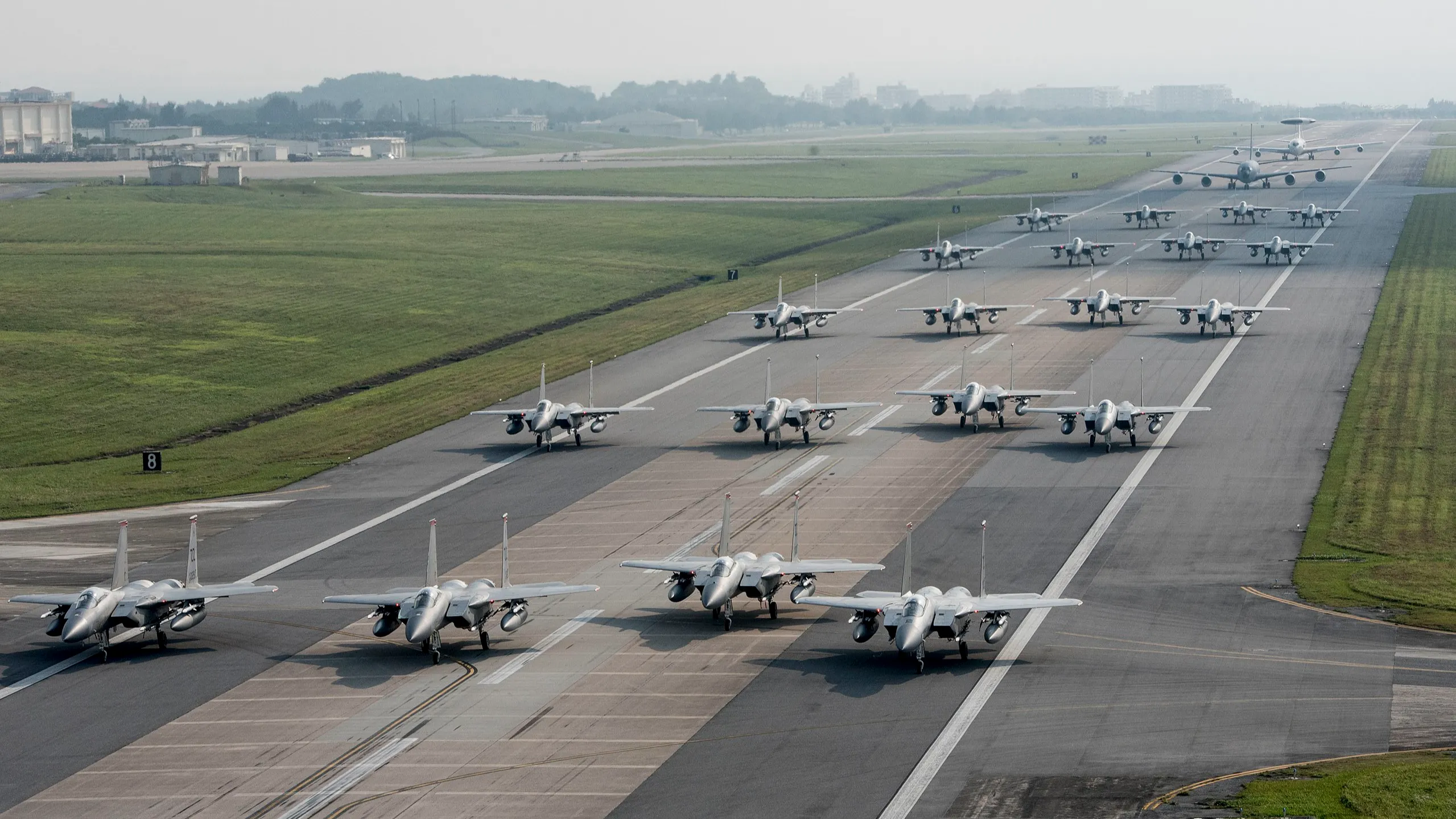
Meink and Wilsbach said major components of the earlier plan will remain in effect, particularly those tied to readiness and rapid response.
Large-scale exercises, warrant officer programs, and short-notice unit inspections will continue to move forward. These initiatives aim to strengthen the Air Force’s ability to prepare for high-intensity conflicts.
The service has also reaffirmed its commitment to the multi-capable airmen concept. Under this model, airmen receive training outside their usual specialties so they can take on essential tasks during operations in remote or contested environments.
Leaders say this flexibility will be critical if forces must sustain missions without external support.
Additionally, the warrant officer program will continue to expand. More than 100 warrant officers have joined in the past year, and the Air Force expects more recruitment to support cyber and information technology requirements.
Initiatives Being Dropped
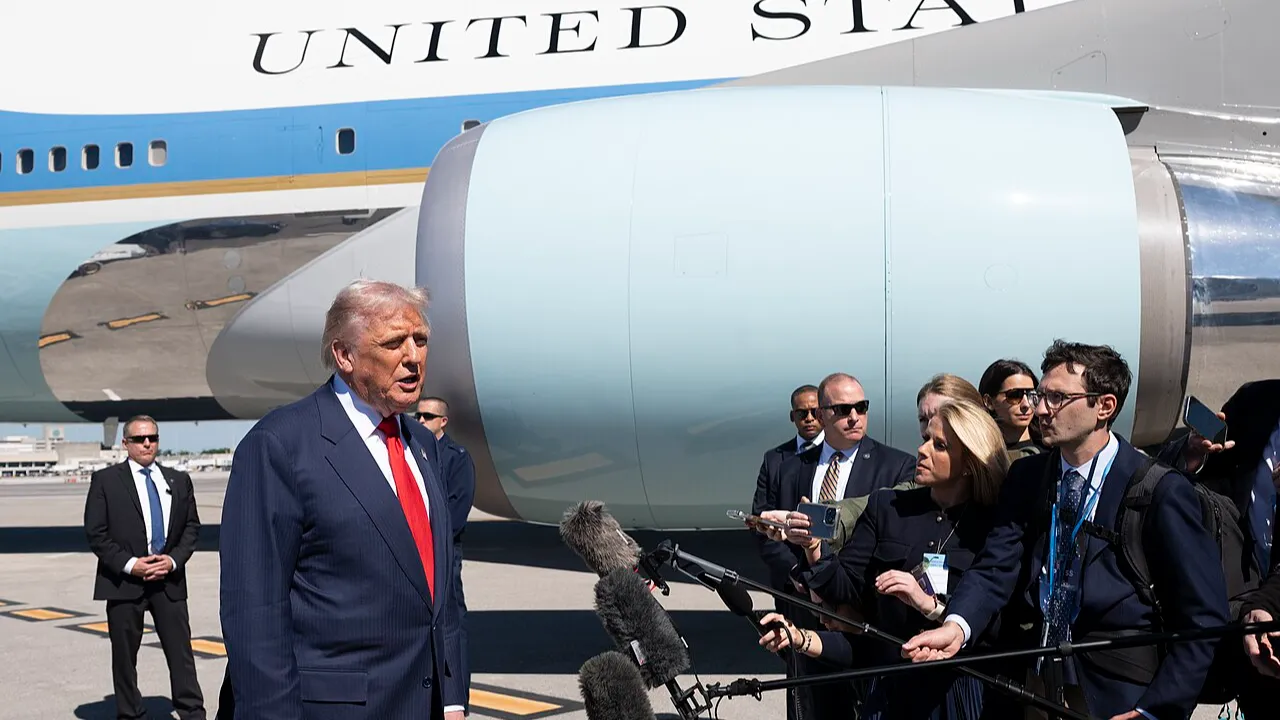
Several structural changes proposed under the previous administration have now been shelved. Plans to reorganize Air Education and Training Command into a new Airman Development Command have been halted.
The Air Force said this move would have created unnecessary disruption without offering clear advantages.
Another major shift involves the Integrated Capabilities Command, which was intended to consolidate long-term capability planning.
The service has already confirmed that this effort is canceled, and its provisional functions will instead be absorbed into a redesigned Air Force Futures office by next April.
The service is also abandoning its previous proposal to reorient Air Combat Command.
ACC will continue managing fighter and combat aircraft operations using its traditional structure, maintaining its long-established mission of organizing, training and equipping combat-ready forces.
Adjustments to Wing Structure
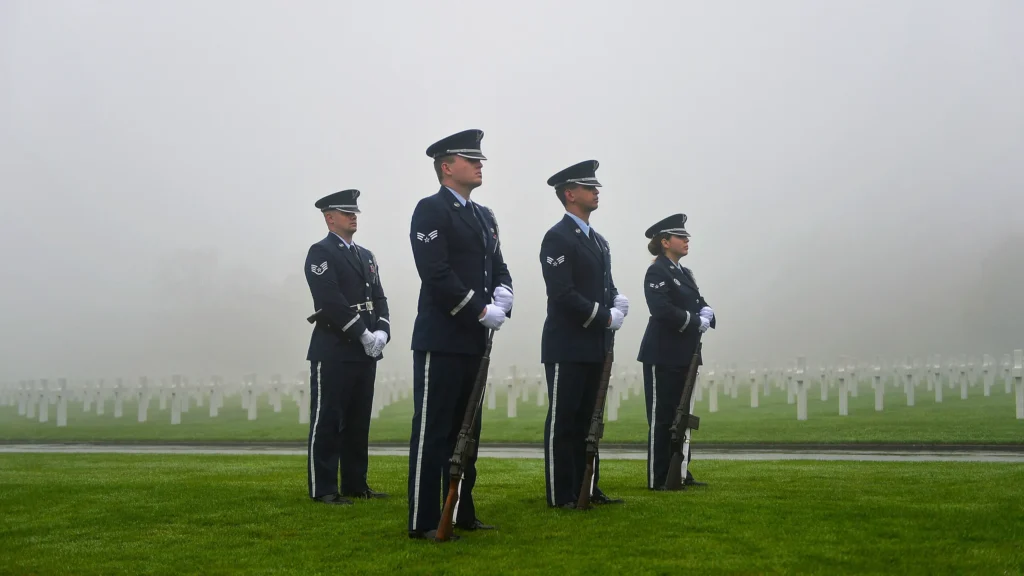
The Air Force stressed that it will not stand up new air base wings under the updated plan. Wings that were already activated will remain, and the Air Expeditionary Wing 2.0 framework will stay in place.
This model allows a single wing to lead command-and-control and base support tasks during deployments, while bringing in personnel from other wings as needed.
Officials emphasized minimizing change fatigue as a major priority. Leaders want commanders to focus on operational readiness and mission success rather than organizational uncertainty.
The adjustments are meant to ensure stability while preserving elements that improve lethality and resilience.
Bottom Line
The US Air Force has scaled back several reforms from last year while keeping initiatives that strengthen readiness and operational flexibility.
With major restructuring plans now canceled, the service aims to reduce disruptions and maintain focus on preparing forces for future high-end conflict.
Stay tuned with us. Further, follow us on social media for the latest updates.
Join us on Telegram Group for the Latest Aviation Updates. Subsequently, follow us on Google News
