

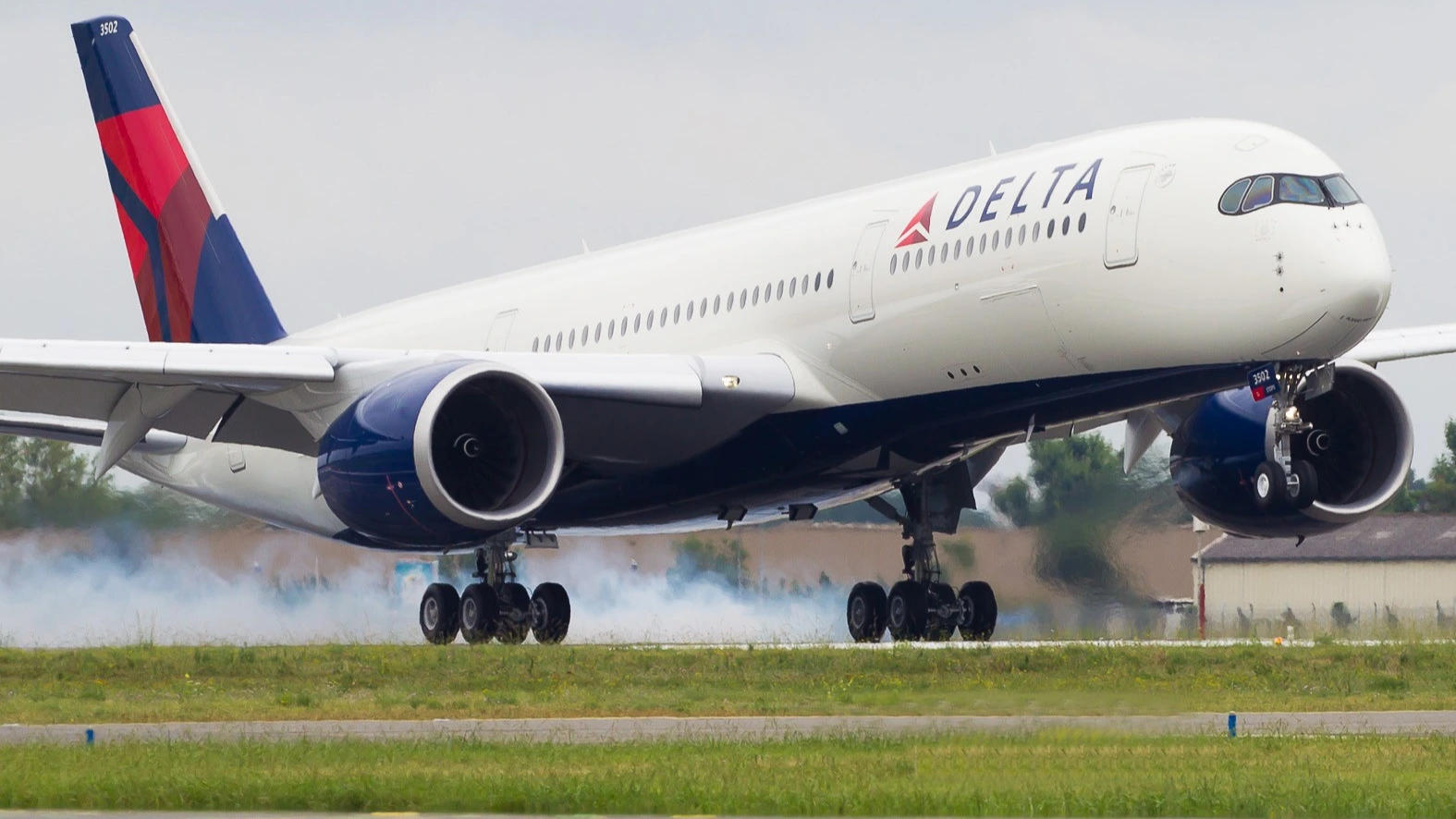
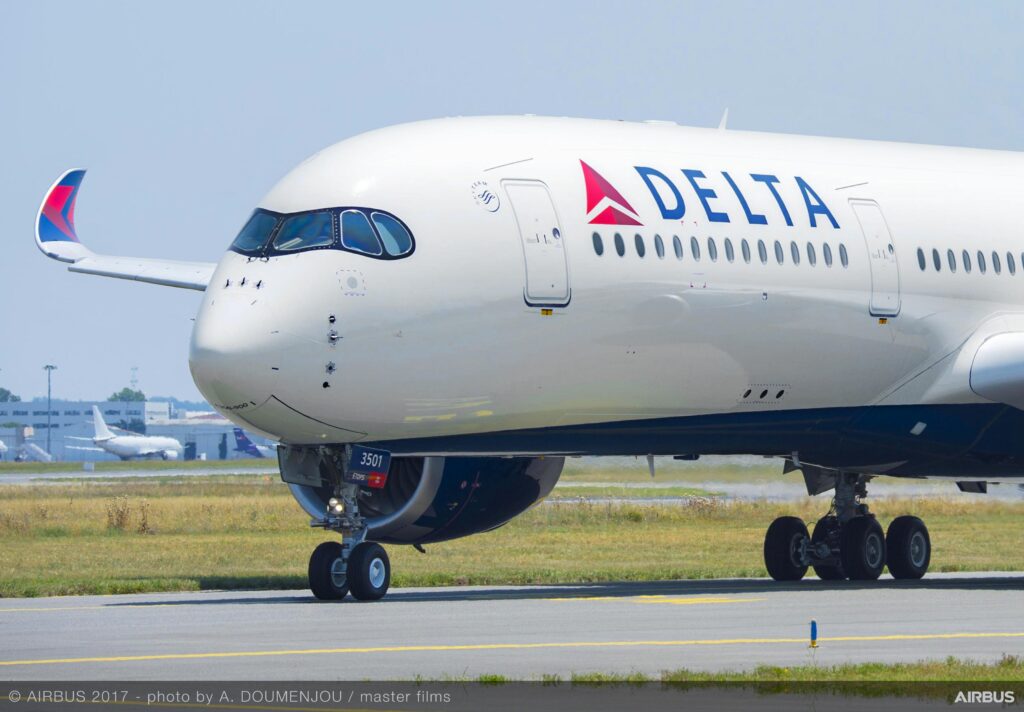
ATLANTA- Delta Air Lines (DL) launches its inaugural nonstop flight DL11 from Los Angeles (LAX) to Melbourne (MEL) on an Airbus A350-900. The service marks Delta’s first entry into Victoria and uses flight numbers that honor local tram routes.
A water cannon salute and tarmac welcome by local indigenous dancers greet the arrival, signaling a record summer with over 2.5 million international passengers expected at Melbourne Airport (MEL) in December and January.
Delta’s Historic Melbourne Launch
Delta Air Lines (DL) lands flight DL11 from Los Angeles International Airport (LAX) at Melbourne Airport (MEL) on an Airbus A350-900.
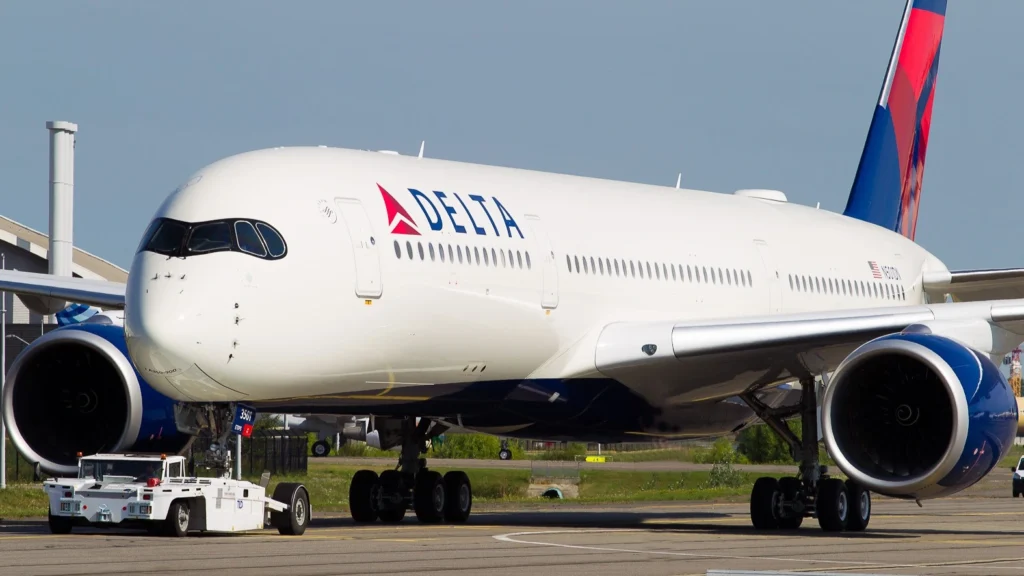
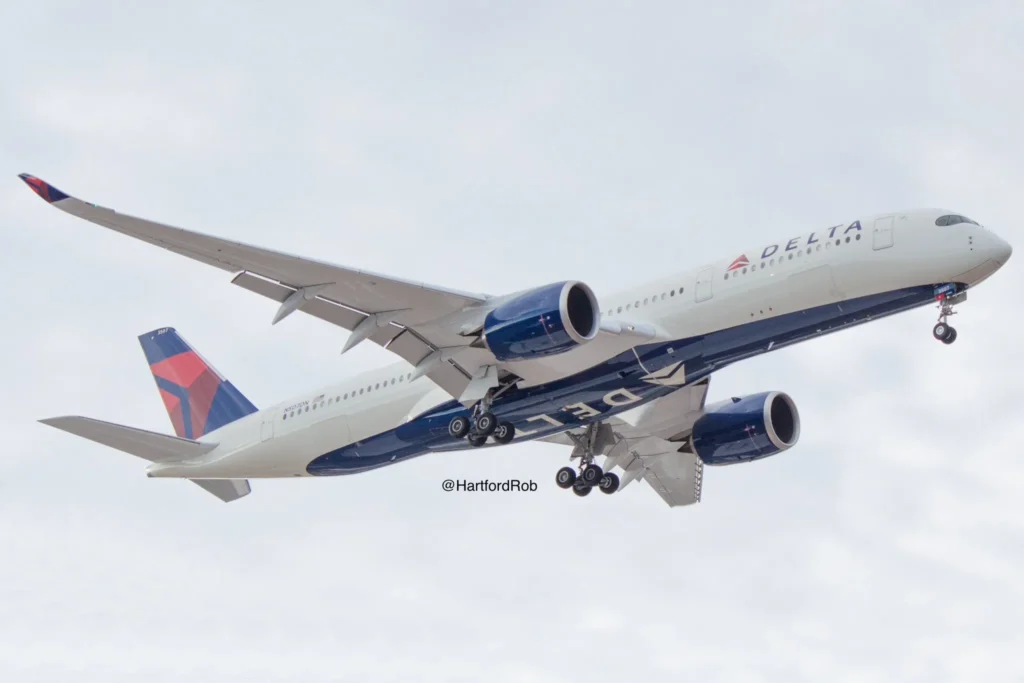
The aircraft carries 275 seats in 4 classes, including 40 Delta One suites. Delta operates the first nonstop A350 service between Melbourne and the United States, with 3 weekly flights.
Inbound flight DL11 and outbound DL12 honor Melbourne tram routes 11 and 12. These trams serve St Kilda, Collins Street, Spring Street, Brunswick Street, and Victoria Street.
The route connects to Delta’s Los Angeles hub, where the airline leads as the largest premium carrier and links to over 40 US cities.
The Airbus A350-900 delivers long-haul efficiency with reduced fuel use. Delta equips it with Delta One suites, Premium Select, Delta Comfort+, and Main Cabin sections.
This configuration suits the 15 hour Pacific crossing for business and leisure passengers.
Boost to Tourism and Trade
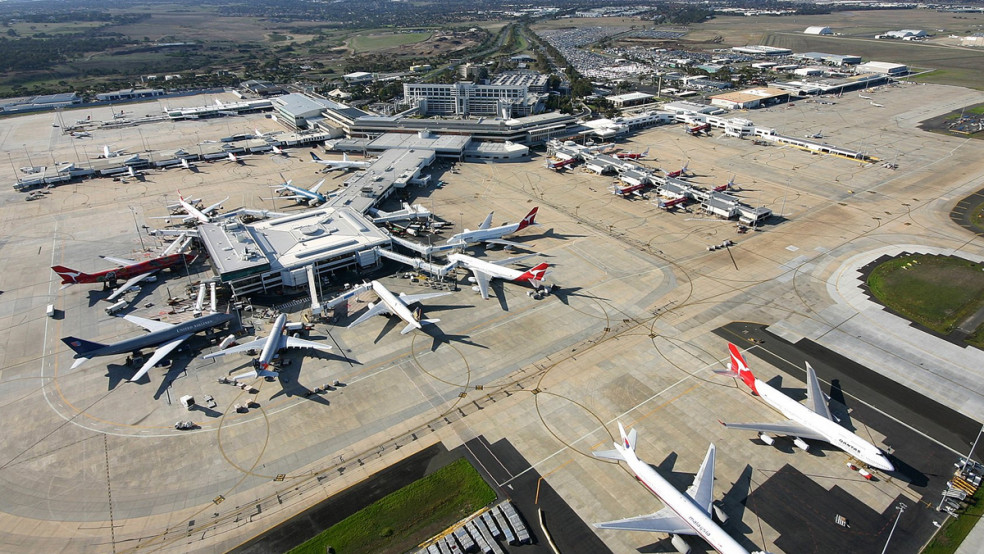
Melbourne Airport projects 7 million total travelers in December and January, including over 2.5 million international passengers.
Delta’s flights add hundreds of weekly visitors to Victoria. The service supports tourism, dining, and hospitality sectors.
North America stands as a key market. Delta’s route map presence draws more U.S. tourists to enter Australia via Melbourne.
The Los Angeles Rams play at the Melbourne Cricket Ground starting in 2026. Delta’s capacity helps Victoria capture NFL exposure benefits.
The link eases Victorian business ties with trading partners. Families gain simpler access to Disneyland and North American ski fields.
CEO Insights on Growth
Melbourne Airport CEO Lorie Argus calls the launch exciting for businesses and travelers. “Delta is one of the largest airlines in the world, and its network opens up incredible opportunities for trade and travel in both North and South America,” she states.
“This new service will help bring hundreds of extra visitors to our state each week, which will help support Victoria’s world-class tourism, dining and hospitality venues,” Argus adds.
“North America is an incredibly important market for us, and we know that simply by being on Delta’s route map, more American tourists will be inclined to make Melbourne their first stop in Australia.”
Future Infrastructure
To support peak passenger volume, Melbourne Airport encourages travellers to plan, book parking online, and allow extra time to reach the terminal and secure a car space.
Infrastructure planning continues to focus on long-term growth driven by expanding international routes such as Delta’s.
The airport’s third runway project, due for completion in 2031, is designed to provide future capacity to support additional aircraft movements and sustained demand.
Melbourne Travel Guide
Melbourne stands out as one of Australia’s most engaging cities thanks to its mix of culture, urban parks, food, and coastal access. Visitors find a city that balances creative energy with a relaxed pace.
This guide outlines the top attractions, day trips, practical travel tips, costs, and useful planning details that help travelers navigate the city with confidence.
Exploring Melbourne in Depth
Melbourne offers a wide range of activities that cater to travelers who enjoy culture, nature, food, and history. The city’s layout makes it simple to combine major attractions with quieter green spaces and coastal escapes. Each neighborhood adds something distinct, and many highlights sit within easy reach of the central district.
The Great Ocean Road remains one of the most popular excursions from Melbourne. The route features dramatic cliffs, coastal viewpoints, and the 12 Apostles limestone stacks. Most visitors book full-day tours since the area is 275 kilometers from the city, though road trips across several days provide a fuller experience.
Within the city, parks and gardens shape the local lifestyle. Fitzroy Gardens dates back to the mid nineteenth century and reflects Victorian design with tree lined paths and quiet lawns. The Royal Botanic Gardens covers over 80 acres and includes more than fifty thousand plants from Australia and abroad. Both parks offer free entry and regular guided walks.
St Kilda Beach draws crowds for sunset views, open breezes, and a chance to see the local penguin colony near the pier. Queen Victoria Market remains a major landmark with food halls, produce stalls, and weekend vendors that attract locals and visitors alike.
Cultural Highlights and Local Experiences
Melbourne’s cafe culture remains a core part of daily life. Cafes like Terror Twilight, Auction Rooms, and Little Rogue show the city’s focus on quality coffee and relaxed community spaces. Guided cafe and coffee tours are available for travelers interested in the city’s longstanding connection to coffee culture.
The nearby wine regions offer another popular outing. The Mornington Peninsula and Yarra Valley host vineyards known for cool climate wines. Day trips start from the city and include tastings and transport.
St Kilda also serves as one of Melbourne’s busiest nightlife districts. Bars, clubs, beachside venues, and live music create an energetic scene that attracts both locals and travelers.
Outdoor film screenings in the Royal Botanic Gardens run through the summer. Visitors can bring their own food and drinks and enjoy movies under the night sky.
City Landmarks and Museums
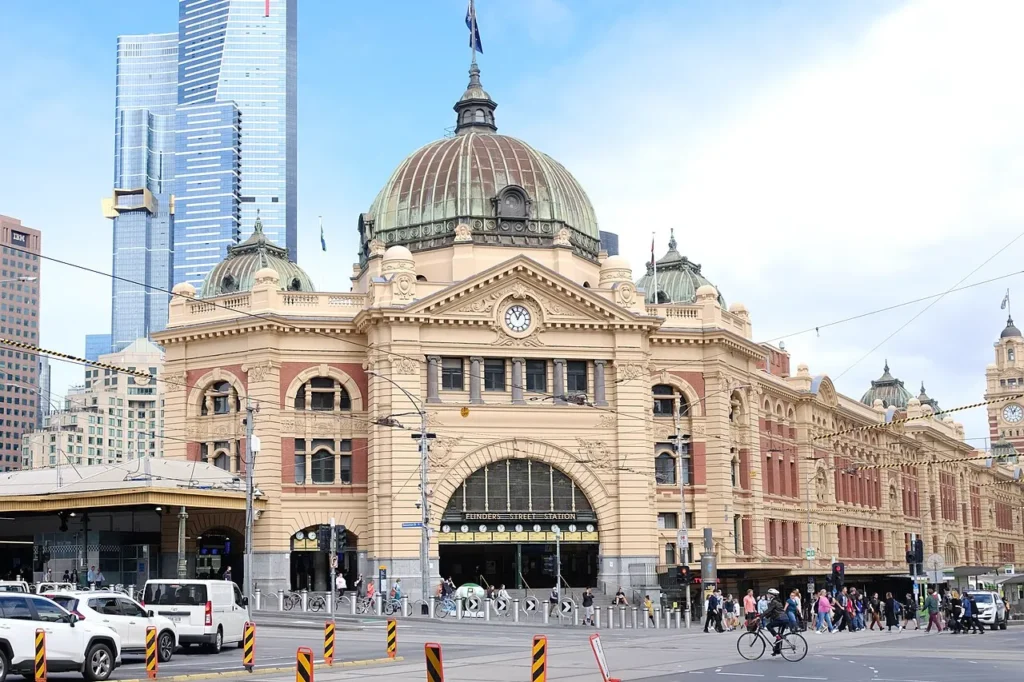
Flinders Street Station, built in the 1850s, remains one of the most recognizable structures in Melbourne. It serves thousands of daily commuters and stands opposite Federation Square, which hosts frequent events, restaurants, and open seating along the Yarra River.
The National Gallery of Victoria houses more than seventy thousand works and draws millions of visitors every year. Admission to the main galleries is free. The State Library of Victoria features historic reading rooms, exhibitions, and architecture that attracts researchers and travelers alike.
Other notable sites include Como House and Gardens, the Immigration Museum, and the Melbourne Museum with its dedicated section on Aboriginal culture.
Day Trips and Festivals
Phillip Island sits a few hours from Melbourne and is known for its penguin parade, seal colonies, and koala sanctuary. While day trips are possible, overnight stays offer a less rushed experience.
Melbourne hosts major events throughout the year, including the Comedy Festival, the Melbourne Cup, and the Moomba community festival. Seasonal parades, fireworks, and outdoor concerts add to the city’s annual rhythm.
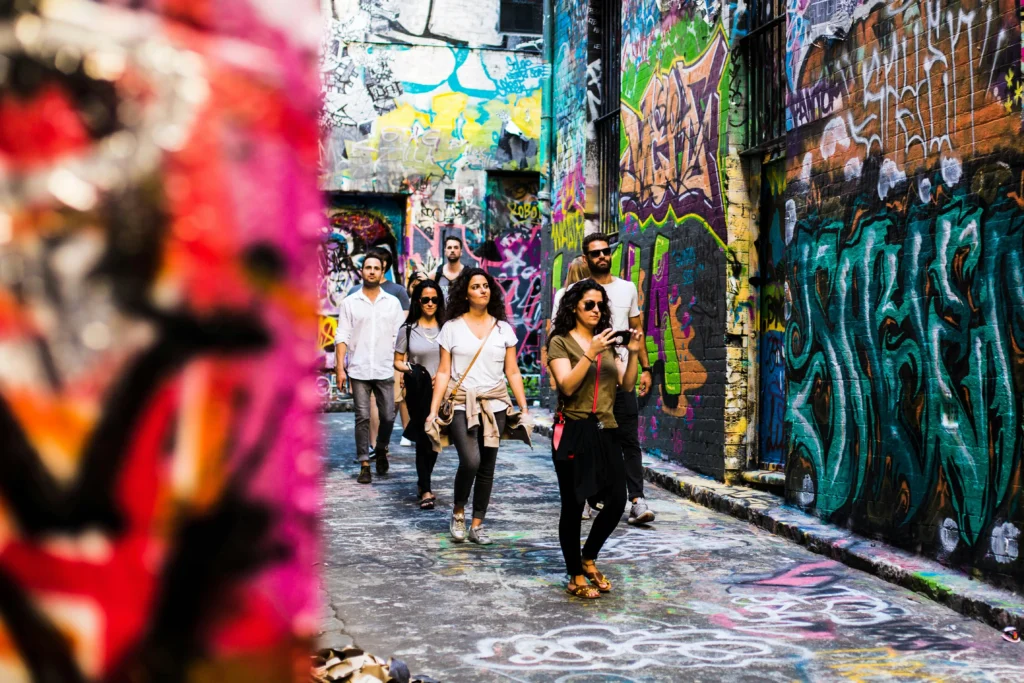
Street art tours led by local artists help visitors understand the creative culture that shapes Melbourne’s laneways. The Koorie Heritage Trust offers guided walks that highlight Aboriginal history and cultural significance across the region.
Safety and Practical Guidance
Melbourne is considered a safe destination for all types of travelers. Common urban precautions apply, such as watching valuables in crowded areas and staying aware during late-night outings.
Summer temperatures can become high, so hydration and sun protection are essential. Wildlife risks mainly apply outside the city, and immediate medical care is required for any bites or stings.
Visitors can use the emergency number 000 for police, fire, or medical response. Travel insurance is recommended due to potential costs associated with illness or cancellations.
Where to Stay
Melbourne features a wide range of budget options, including Bayside House, Flinders Backpackers Melbourne, and The Nunnery. Midrange and upscale travelers often stay at City Limits Hotel Apartments, Ovolo South Yarra, or The Victoria Hotel. Airbnb is widely available for private rooms and apartments.

Travel Costs
Accommodation ranges from 38 to 70 AUD for hostel dorms, 115 to 200 AUD for budget hotels, and more than 300 AUD for luxury hotels. Food prices vary from 12 to 20 AUD for takeaway meals to 55 to 75 AUD for midrange restaurant dining.
Backpackers generally spend around 120 AUD per day, midrange travelers about 250 AUD, and luxury travelers 500 AUD or more.
Money Saving Tips
Travelers can reduce daily expenses by cooking at hostels, filling reusable water bottles, taking advantage of free walking tours, and using the free City Circle tram. Booking tours as packages, redeeming hotel points, or staying with locals through hospitality networks can also reduce costs. The Melbourne City Card helps visitors plan to see multiple attractions.
Getting Around
The city’s public transport system includes buses and trams, with single rides costing between 3.30 and 5.30 AUD depending on zones. The myki card is required outside the Free Tram Zone, which covers most major sites in the CBD.
Bike rentals are available for about 30 AUD per day. Uber generally offers lower prices than taxis. Car rentals start around 40 AUD per day for visitors planning day trips beyond Melbourne.
Best Time to Visit
Melbourne offers activities year-round, but the most comfortable weather comes during March to May and September to October. Summer from December to February remains the busiest season. Winter is cooler and wetter but offers lower prices and fewer crowds.
Stay tuned with us. Further, follow us on social media for the latest updates.
Join us on Telegram Group for the Latest Aviation Updates. Subsequently, follow us on Google News
