


BEIJING— Rising geopolitical tensions between China and Japan have disrupted winter travel plans and redirected a large segment of Chinese outbound tourists. Airlines such as Korean Air (KE) and Asiana Airlines (OZ) are preparing to capture this demand shift as travelers look for alternatives to Japan.
Chinese authorities recently advised airlines to provide refunds for Japan-bound tickets, prompting hundreds of thousands of travelers to reconsider their plans. The shift coincides with capacity expansion moves by Korean carriers at Incheon (ICN), where routes to China are regaining profitability after a slow pandemic recovery.
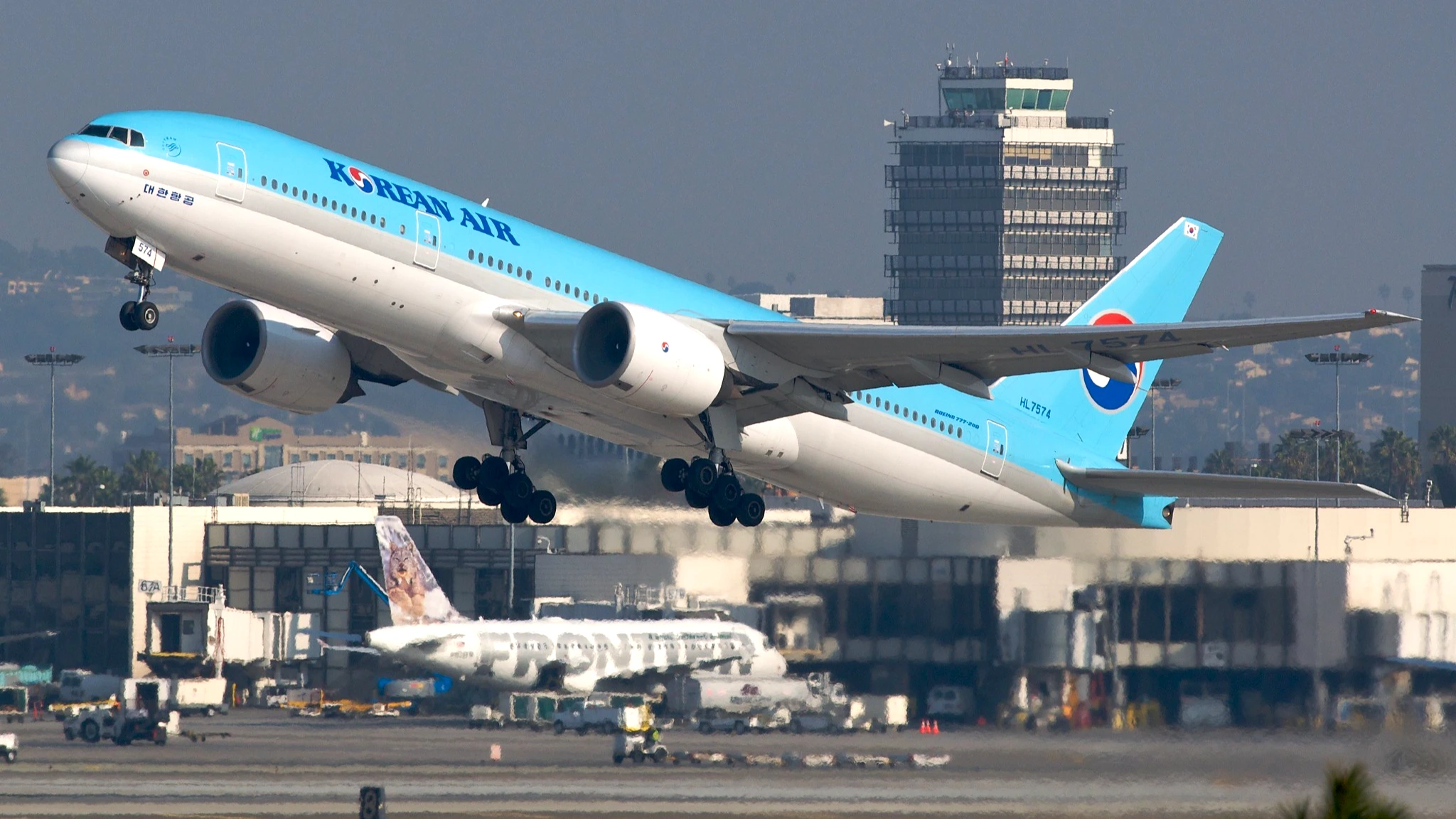
South Korea Attracting Chinese Travelers
The dispute between Beijing and Tokyo intensified after a political statement from Japan, prompting China to issue a travel warning in mid-November.
This triggered a sudden demand redirection, with Chinese travel platforms reporting a spike in searches for Korea, Thailand, Russia, and Southeast Asian destinations.
Data from Qunar showed that Korea became the most searched overseas destination among Chinese travelers for the weekend of Nov. 15.
It led in flight ticket payments and search volume, surpassing Japan for the first time in months and closely followed by Thailand, Hong Kong, Malaysia, Singapore, Vietnam, and Indonesia.
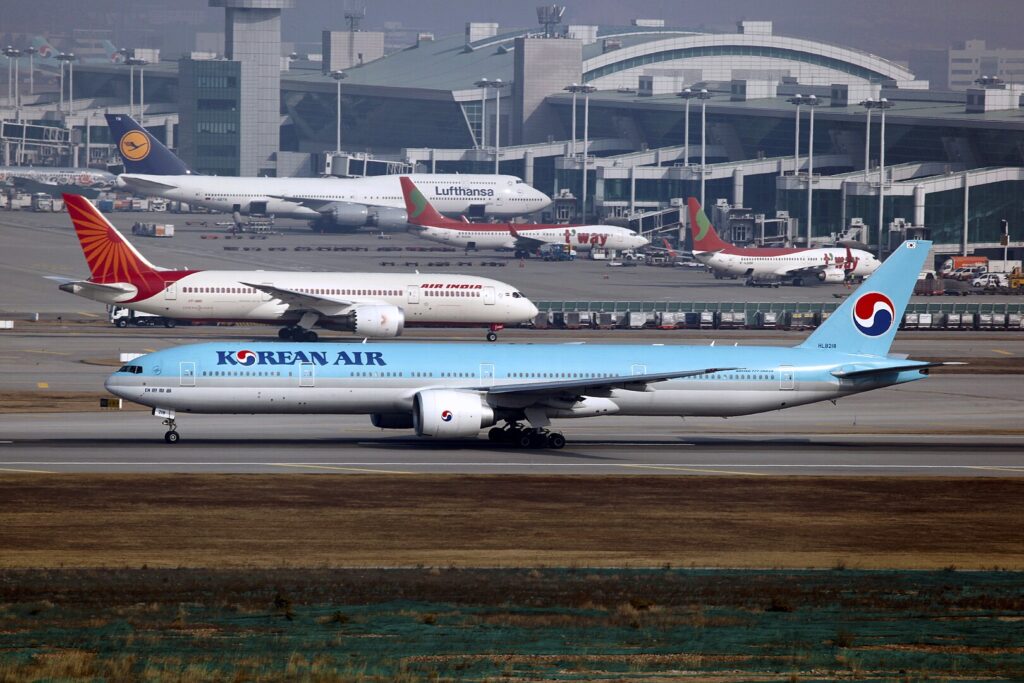
Airline and Cruise Response
Korean carriers moved quickly to adjust capacity as interest in China–Korea routes increased. Korean Air increased its Incheon–Fuzhou service to four weekly flights, while Asiana Airlines plans to operate 165 weekly flights to China by March.
Travel industry officials noted that flights to China generate stronger yields than services to Japan, giving carriers an incentive to support the shift.
Hotel booking data further reinforced the shift. Tongcheng Travel reported that bookings for Korea surged more than 240 percent year-on-year in the last two weeks of November, according to Korea Times.
Bookings for Southeast Asia rose by over 100 percent, while Germany and Spain experienced increases beyond 300 percent compared to the previous year.

Competition Among Destinations
Although Korea has gained momentum, travel agencies say Chinese tourists now have an unusually diverse list of alternatives.
Visa-free access continues to draw travelers to Thailand, Singapore, Malaysia, and Egypt, while Russia has become increasingly popular after introducing visa-free entry for stays up to 30 days.
Chinese media reported that searches for Russian destinations increased sharply after the new policy took effect.
Qunar also revealed that Thailand remains the top destination for the winter holiday period from Jan. 15 to Feb. 10, 2026, with Russia recording a 1.5-times year-on-year increase in flight bookings.
Agents in Korea noted a modest rise in winter bookings following the China–Japan tensions, though not at the level seen in Southeast Asia or Russia.
They attributed this to Korea’s seasonality and the availability of other attractive winter destinations, including Harbin, Russia’s major cities, and various European countries.
Meanwhile, Korean tourism officials said interest from Shanghai remains strong. Travelers cite proximity and duty-free shopping as major advantages.
However, Korea’s visa policy continues to pose a barrier because only group tours qualify for visa-free entry, discouraging individual travelers from making last-minute changes.

Bottom Line
China’s diplomatic dispute with Japan has reshaped regional travel flows, boosting demand for Korea while simultaneously strengthening competitors such as Thailand and Russia.
Although Korean carriers have expanded capacity and seen a surge in flight searches and hotel bookings, Korea must contend with a wide range of visa-free destinations that remain more convenient for Chinese tourists.
The coming months will determine whether Korea can maintain this momentum or lose market share to more accessible regional rivals.
Stay tuned with us. Further, follow us on social media for the latest updates.
Join us on Telegram Group for the Latest Aviation Updates. Subsequently, follow us on Google News
