

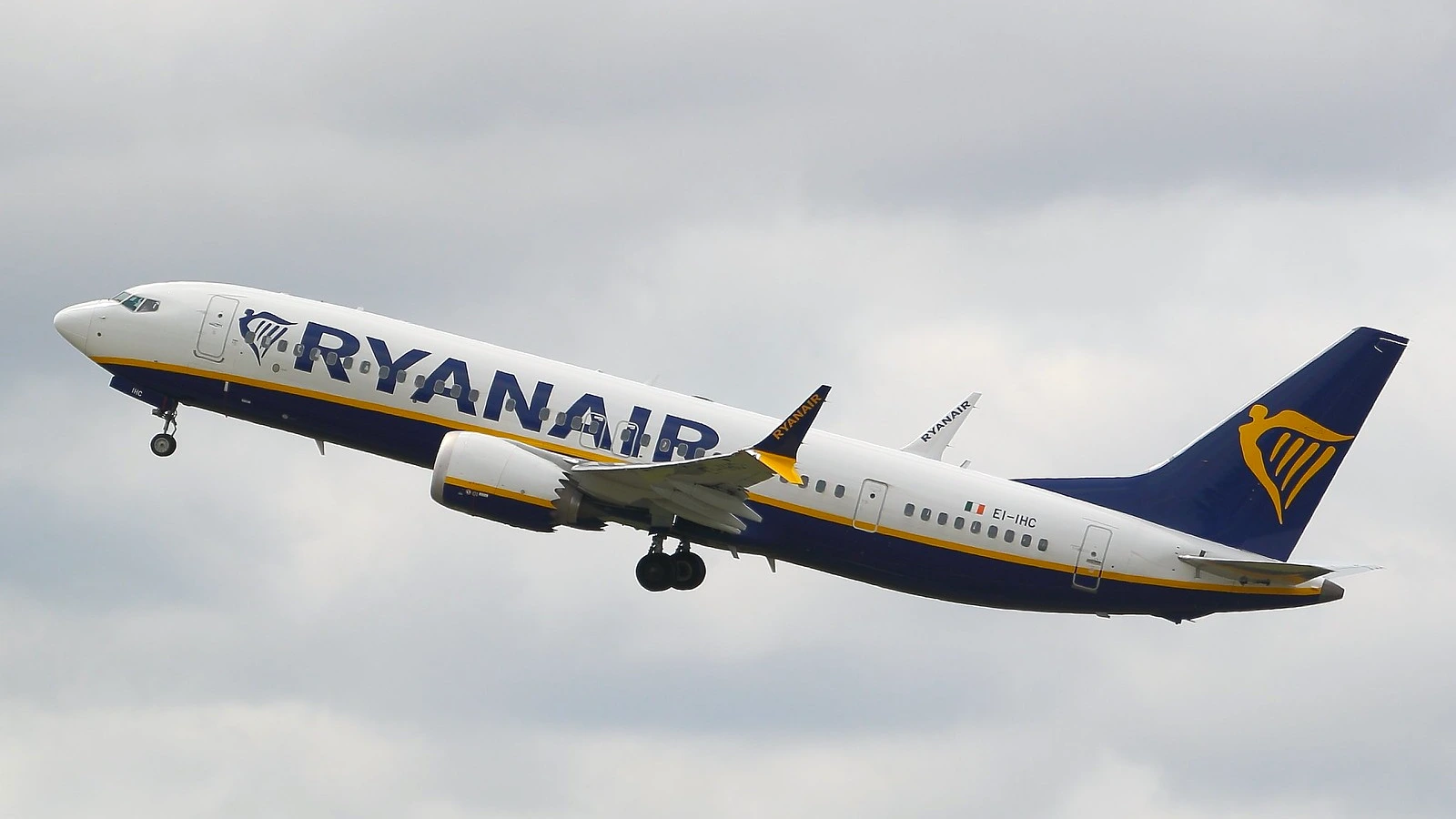
LONDON— Ryanair (FR) chief executive Michael O’Leary has sharply criticised the UK’s current economic direction, warning that Britain faces long-term stagnation under Prime Minister Sir Keir Starmer and Chancellor Rachel Reeves.
Speaking ahead of the Government’s upcoming Budget, he argued that the administration’s plan to raise taxes risks undermining competitiveness at a time when airlines already face rising costs.
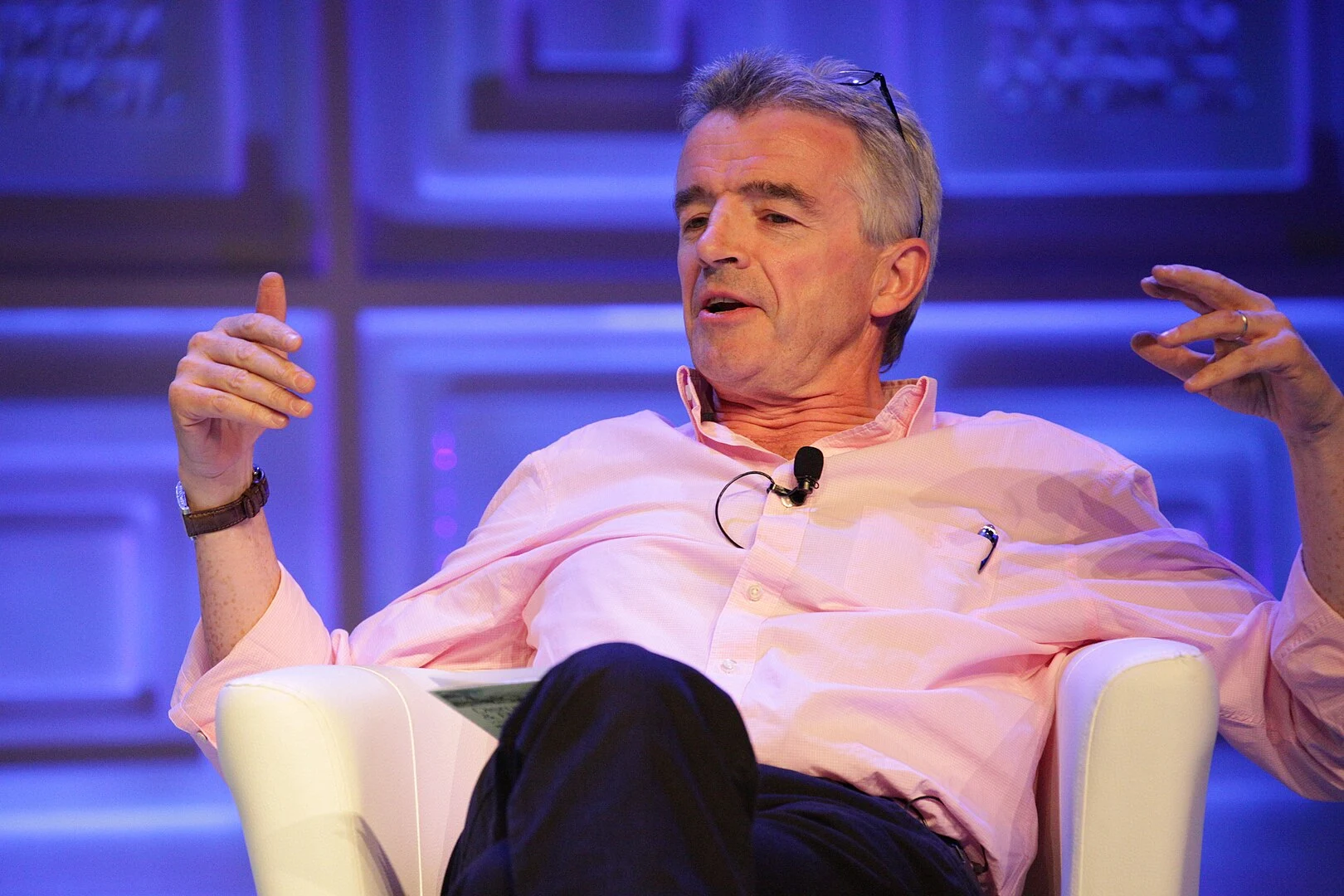
Ryanair CEO on UK Aviation Decline
The Ryanair chief reiterated that APD remains among the highest passenger taxes in Europe and warned that another increase would push airlines to reassign capacity to more favourable markets.
He emphasised that regional airports would suffer the most, as higher fees diminish passenger demand and limit route expansion.
O’Leary argued that sustained increases in operational costs run counter to the Government’s stated ambition to promote economic growth.
He said the UK risks losing connectivity if taxation continues to rise while other European nations lower or remove environmental and aviation-related charges.
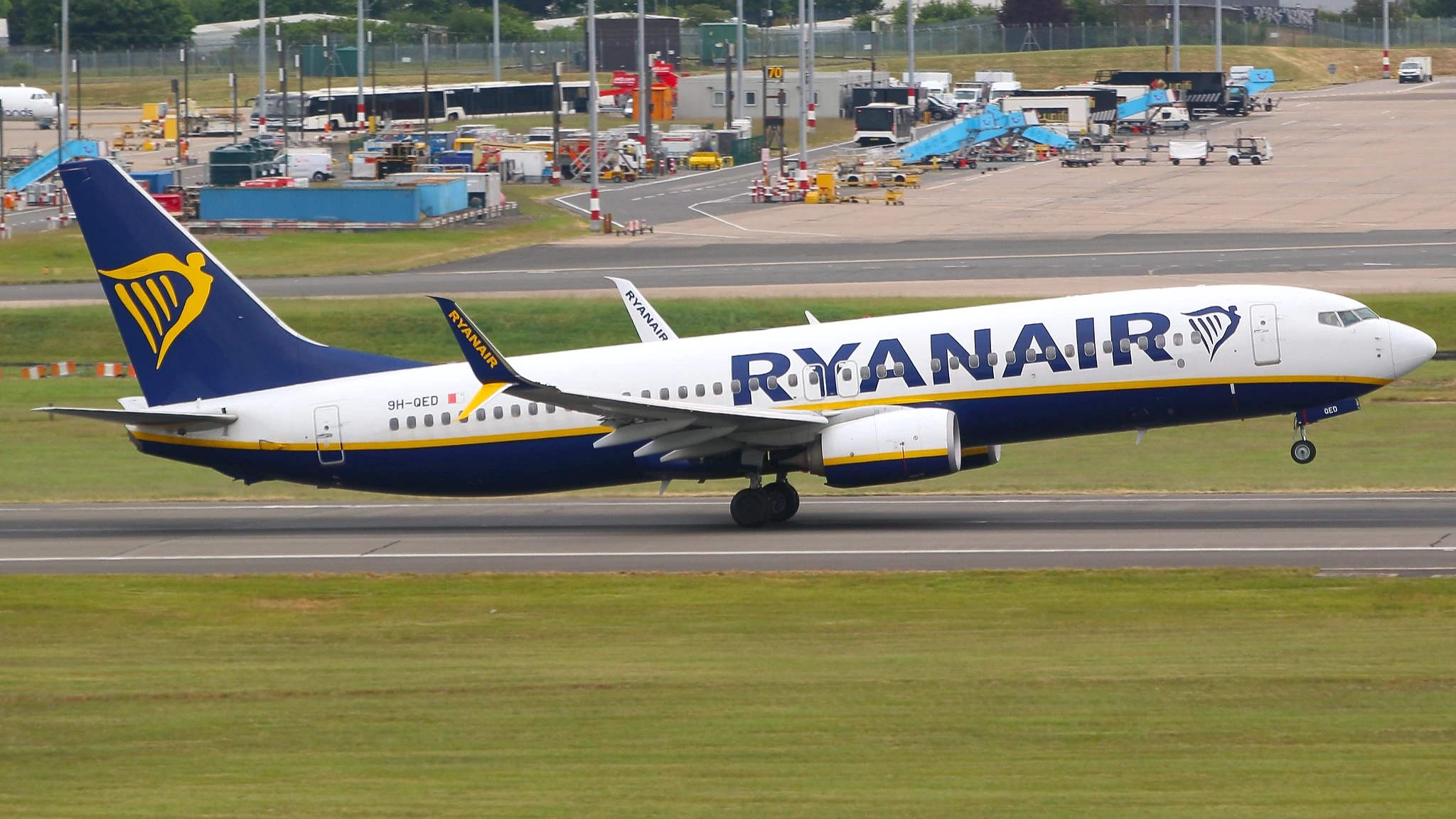
He highlighted that Ryanair currently plans to base none of its incoming 300 Boeing aircraft in the UK, citing what he described as an unfriendly tax regime.
The airline expects to carry 207 million passengers this financial year, supported by strong summer bookings and rising demand across continental Europe.
Labour policy criticism
In his remarks, O’Leary said Labour’s fiscal strategy threatens economic stability.
He argued that the Government’s decision to approve pay increases in publicly funded sectors while facing a significant budget shortfall undermines its promise of responsible economic management.
He stated that the Chancellor’s plan to fill an estimated £30 billion gap through increased taxation would suppress productivity and discourage investment.
According to him, true economic expansion requires targeted tax cuts rather than broader increases in levies such as APD.
The Ryanair boss also criticised the Labour leadership for abandoning its pre-election growth narrative.
He said he had previously supported the party’s economic approach but “lost confidence” after it conceded to union demands and signaled higher taxation for higher-earning households.
Impact on regional aviation
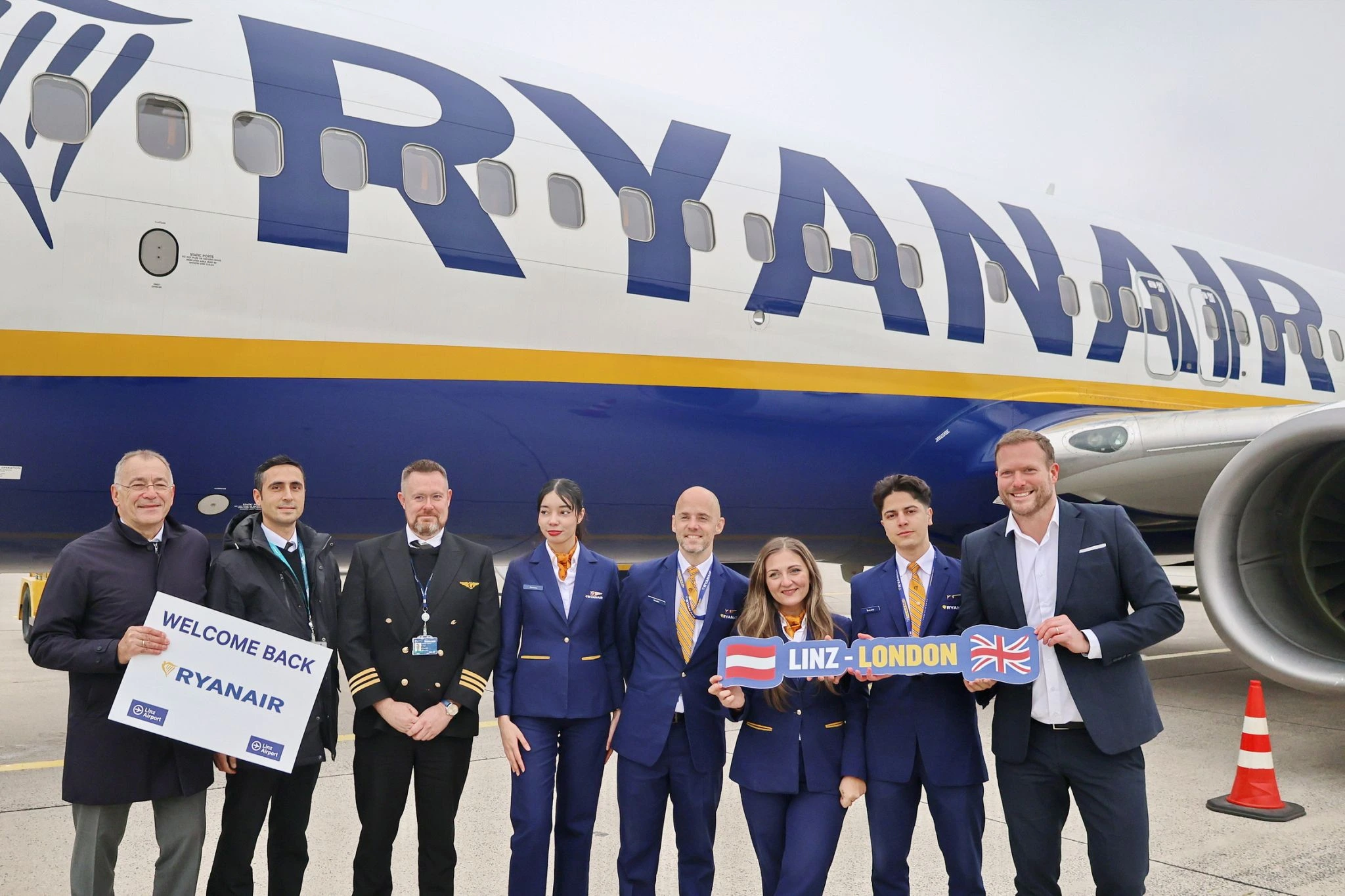
O’Leary warned that the consequences of this policy path will be most visible outside London.
While the capital’s aviation market may remain resilient due to strong demand, smaller cities depend heavily on low-cost carriers to sustain connectivity.
He noted that airlines will naturally pivot to markets like Italy or Sweden, where governments are reducing aviation taxes to stimulate traffic and tourism.
This shift, he said, will weaken the UK’s position as a competitive gateway for travel and cargo.
The Ryanair chief added that confidence among businesses across the aviation and travel sectors is eroding, with operators expecting future tax increases to become a recurring theme under the current administration.
Bottom Line
Michael O’Leary’s latest comments reflect growing tension between UK policymakers and major airline operators as the country prepares its next Budget.
With concerns centred on the sustainability of APD and broader fiscal pressures, the debate highlights the delicate balance between generating revenue and supporting aviation recovery.
As airlines continue to evaluate fleet deployment and route networks, the Government’s tax policy will remain a decisive factor in Britain’s future competitiveness.
Stay tuned with us. Further, follow us on social media for the latest updates.
Join us on Telegram Group for the Latest Aviation Updates. Subsequently, follow us on Google News
