

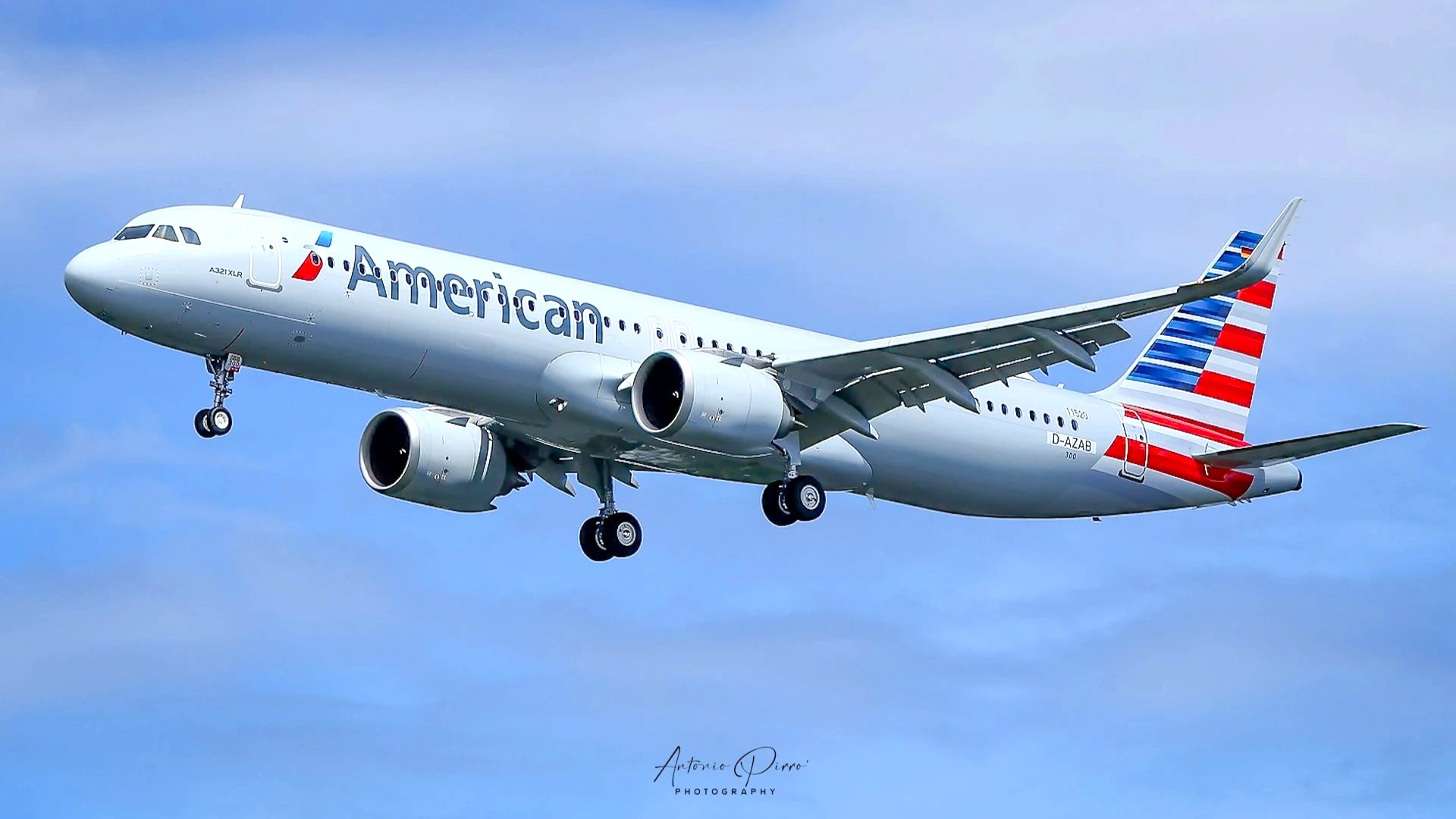
FORT WORTH- American Airlines (AA) bid its new Airbus A321XLR strategy can narrow the competitive gap with Delta Air Lines (DL) in financial performance and passenger preference.
The carrier will debut the A321XLR on the New York JFK (JFK) to Los Angeles (LAX) route before expanding to international operations.
Delta remains the strongest performer in the US airline sector, but American aims to close the margin through aircraft modernization, increased premium seating, credit-card revenue growth, and improved debt management.
Both airlines discussed these strategies with investors during recent conferences.
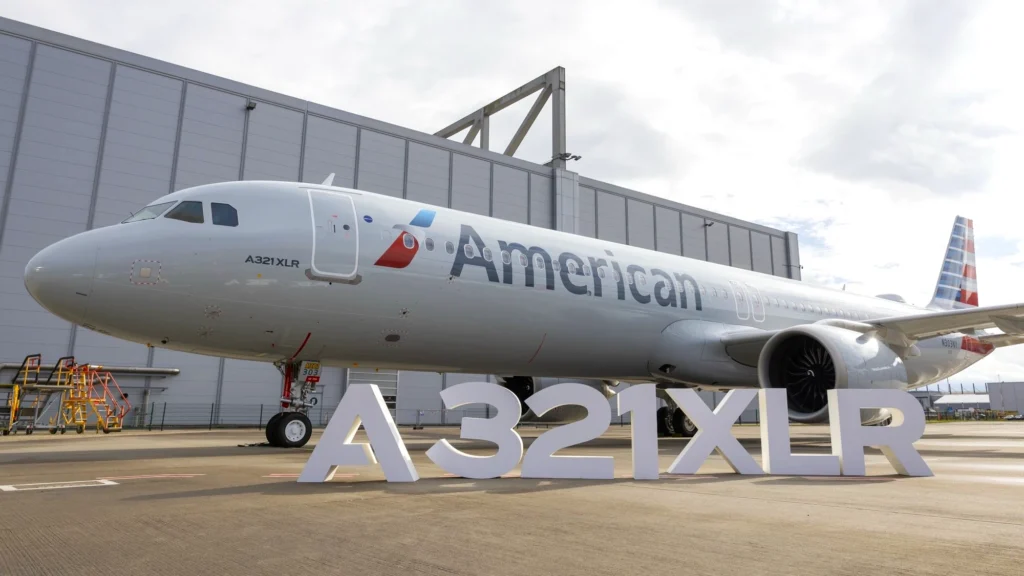
American Airlines A321XLR Bid
Delta continues to lead the US airline industry in profitability and premium economics. At a Morgan Stanley conference, Delta CEO Ed Bastian stated that Delta and United generate 100 percent of the industry’s total profit, with Delta representing more than half of that figure despite operating only 20 percent of US airline seats.
He noted that 15 percent of Delta’s profit goes to employee profit sharing and emphasized United’s effort to emulate Delta’s operating model.
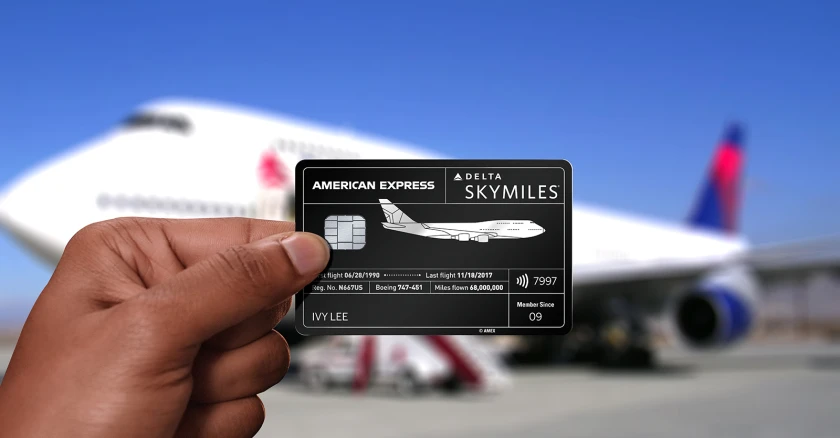
Delta’s long-standing partnership with American Express is a core revenue engine. The partnership evolved over four decades from competing for cardholder ownership to focusing on expanding the total value of the customer base.
Today, 30 percent of US consumers’ spending on American Express cards is connected to Delta, which reinforces Delta’s leadership in premium loyalty value.
Reported by Forbes, Delta also expects to reduce its debt from about $15 billion to roughly $10 billion by 2026 and direct its $3 billion to $5 billion annual free cash flow toward investment and shareholder returns.
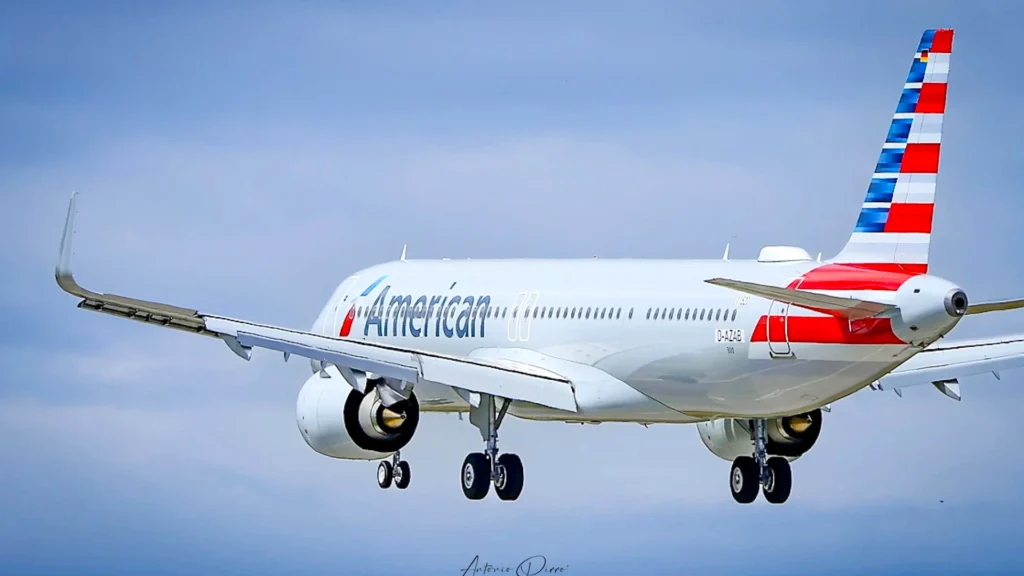
American’s Financial Strategy
American acknowledges that it trails Delta in profitability and loyalty monetization but is executing a plan aimed at gaining meaningful ground starting in 2026.
Through the third quarter, American generated $1.7 billion in free cash flow and holds approximately $36 billion in debt, with a target of reducing debt below $35 billion by the end of 2027.
CFO Devon May told investors at a Goldman Sachs conference that improvements in fleet quality, hub performance, premium cabin mix, and loyalty program monetization will drive margin gains.
American is restructuring its seating strategy after a decade of incremental investment in premium cabins, airport clubs, and loyalty fields that did not maximize revenue.
The airline now seeks to increase premium seating by 20 percent and lie-flat seating by 50 percent by 2030.
American’s fleet profile supports this push: its average aircraft age is around 14 years, one year younger than Delta’s and two years younger than United’s.
The carrier already operates 67 Boeing 787s, expects 20 more by the end of the decade, and holds options for an additional 25 to 30 units.
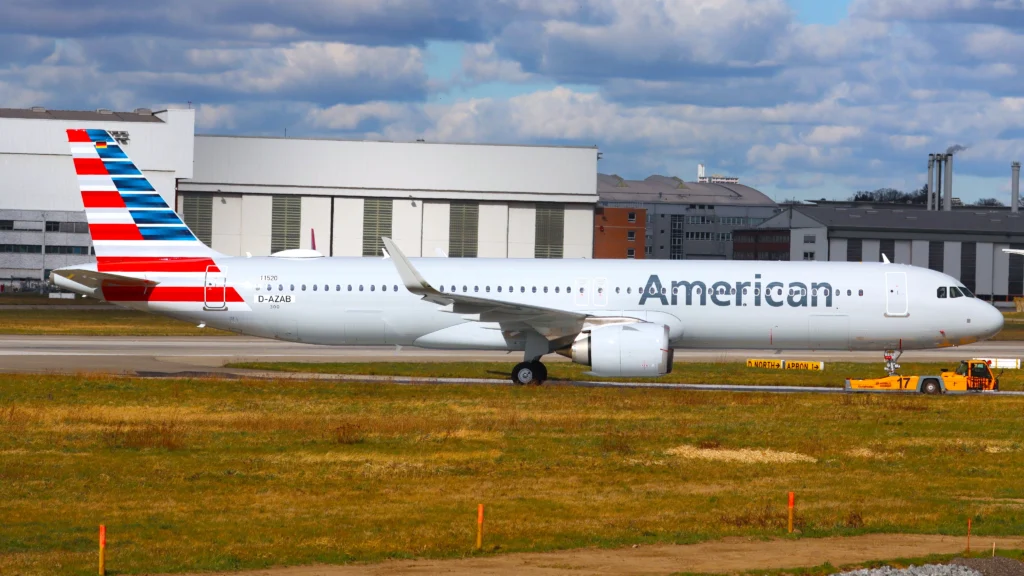
Airbus A321XLR Route and Cabin Expansion
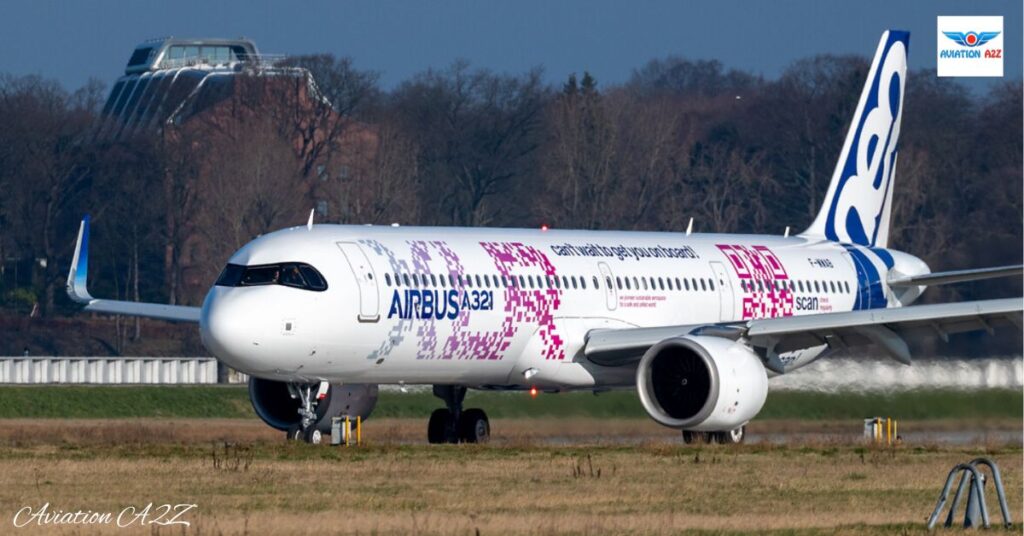
The Airbus A321XLR is the focal point of American’s reconfiguration program. Delivered in October, the aircraft has 3 cabins, including 20 lie-flat suites, 12 premium economy seats, and 123 coach seats.
American will be the first airline to operate the A321XLR commercially when it launches JFK to LAX service on December 18.
International expansion will follow, beginning with New York JFK to Edinburgh, Scotland in March.
By the end of 2026, 15 to 16 A321XLRs are expected to be in service, supporting American’s effort to encourage travelers to choose narrow-body flights for transatlantic travel.
Loyalty Economics and Credit Card Pivot
American anticipates strong future loyalty revenue tied to its upcoming Citibank-exclusive credit card agreement, which begins in 2026.
The new structure removes Barclays as a co-issuer and enables Citibank to fully scale its competitive loyalty offerings against American Express (Delta) and Chase (United).
Credit card remuneration currently generates about $4.5 billion annually, and American expects that number to rise to $10 billion annually by the end of the decade if adoption and spend rates track projections.
Future Outlook
While American does not expect to match Delta’s profit margin in 2025, the airline views 2026 as a critical momentum year.
Leadership believes that the combination of modern aircraft, a higher share of premium seats, expanded loyalty economics, and careful debt reduction will strengthen long-term margin performance.
The execution results, particularly around the A321XLR rollout and Citibank partnership, will determine how quickly American closes the gap with Delta.
Stay tuned with us. Further, follow us on social media for the latest updates.
Join us on Telegram Group for the Latest Aviation Updates. Subsequently, follow us on Google News
