

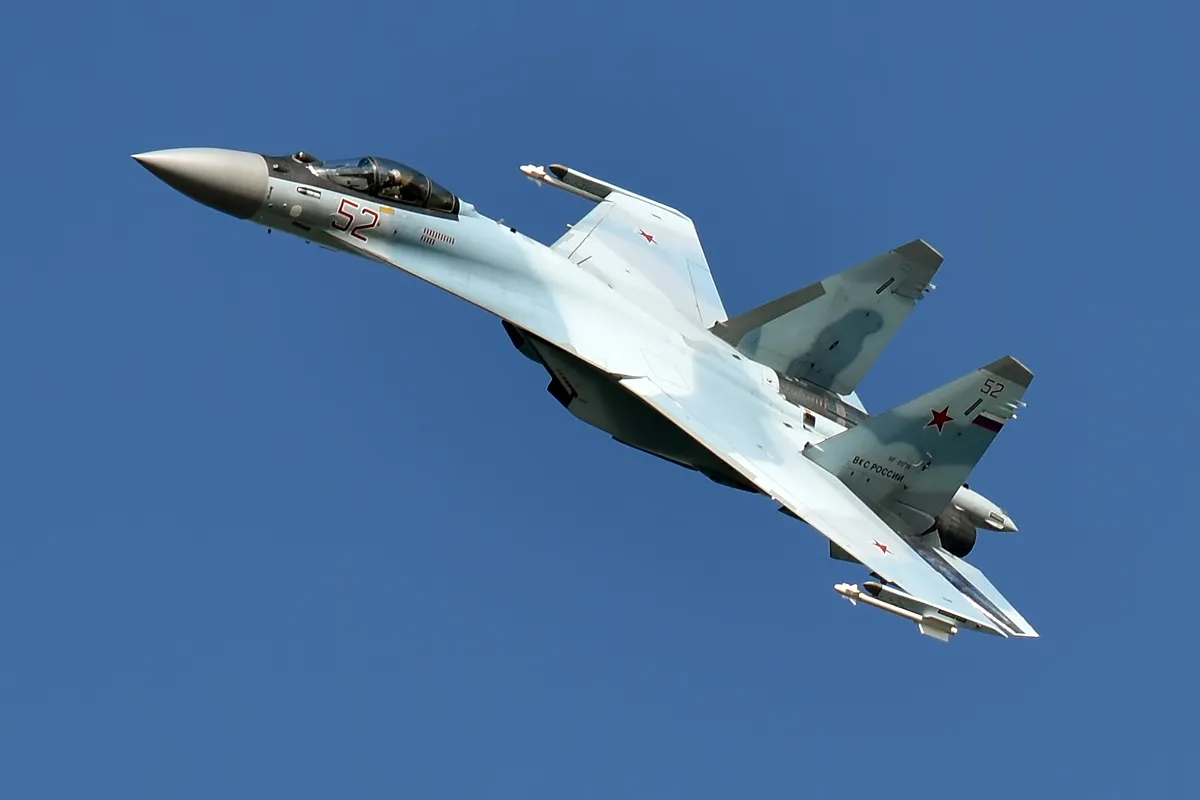
TEHRAN- Iran Air (IR) and Tehran Imam Khomeini International Airport (IKA) anchor the country’s aviation identity, but the wider security picture now dominates strategic discussions. Iran is preparing for a rapid rearmament effort that could reshape the regional balance of power.
The government is exploring advanced purchases from Russia and China while facing revived UN sanctions that restrict the transfer of major weapons systems. The scope of these ambitions signals a decisive push to rebuild capabilities damaged during Israel’s 12-day campaign in June.
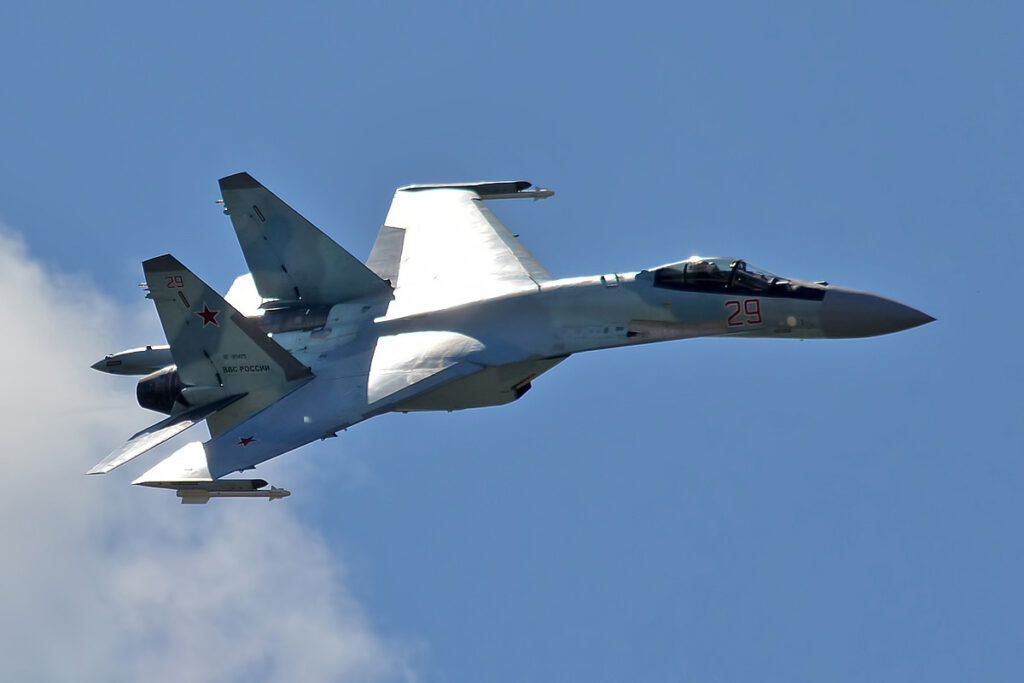
Iran to Buy Su-35 Jets
Iran aims to acquire a new generation of fighter aircraft, long-range air defence systems, and improved missile technology.
Analysts view this pivot as a direct response to recent battlefield losses, which revealed gaps across Iran’s air defence network and aviation assets.
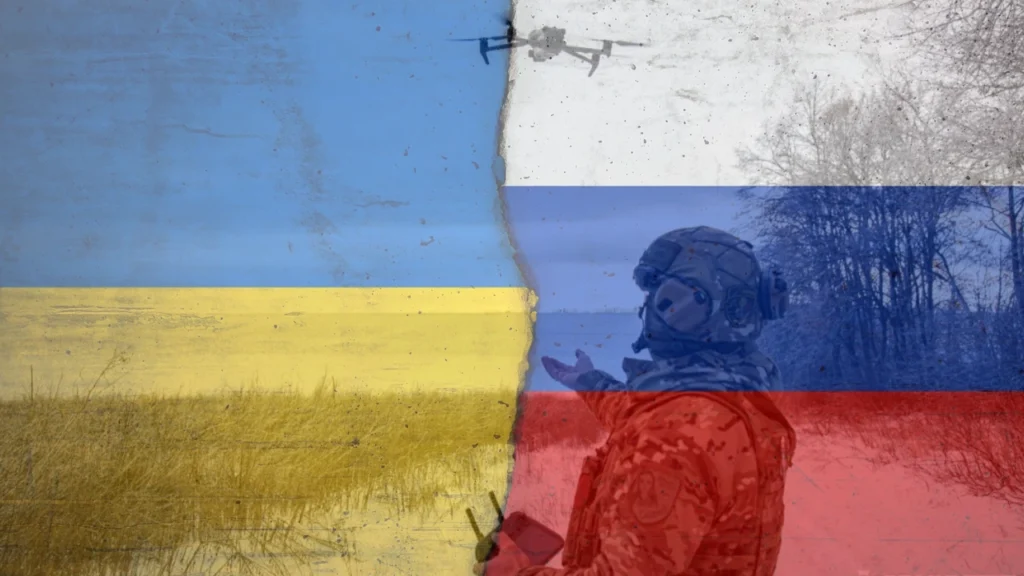
Discussions with Moscow are central to the strategy, with Tehran seeking equipment that has been tested in the Ukraine conflict, The National reported.
Plans for Advanced Combat Aircraft
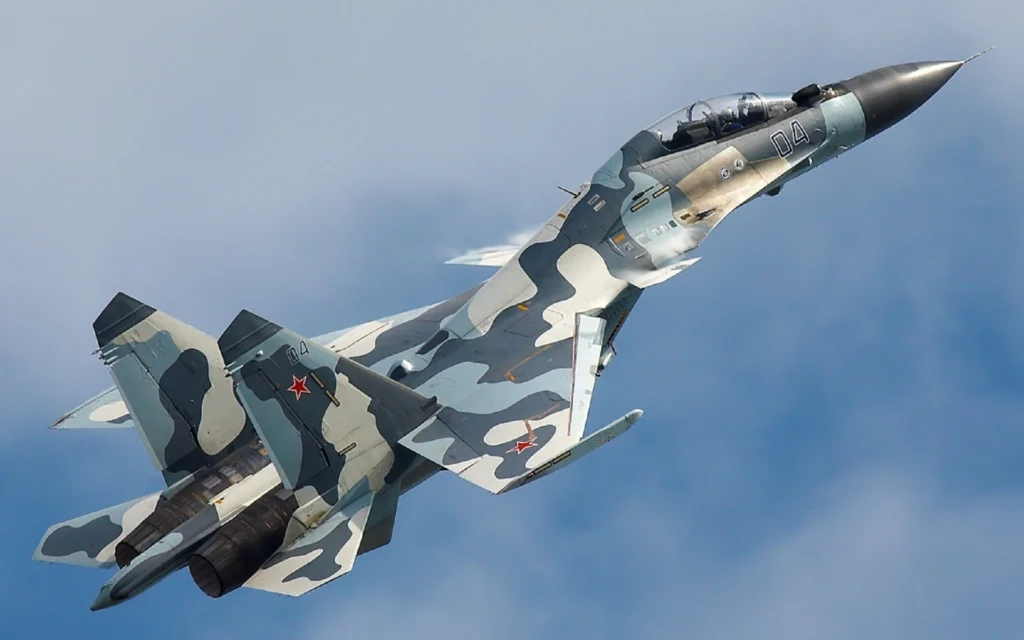
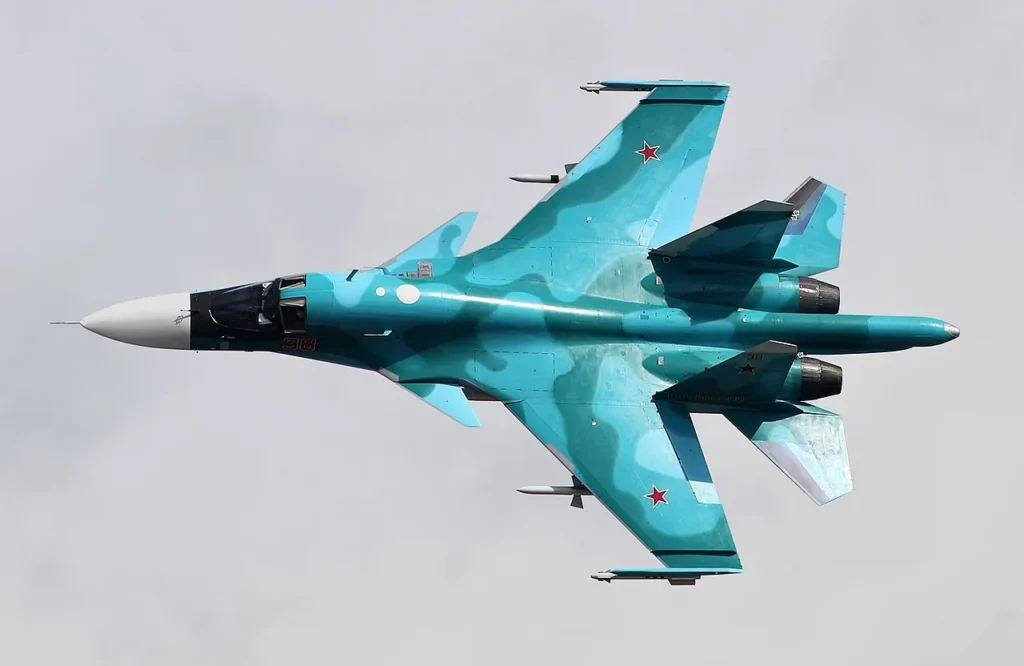
A key priority is the Sukhoi Su-35, a multirole fighter often placed in the 4.5 generation category. The aircraft’s radar and weapons management suite would allow Iran to detect aircraft at distance and conduct multiple engagements.
When paired with the R37M air-to-air missile, the platform could challenge Israeli aircraft, aerial tankers, and reconnaissance operations over long ranges.
Training is a limiting factor. Iran has not operated a modern fighter fleet for decades, which means pilot conversion and operational readiness could take several years. Many pilots would rely on instruction in Russia before the aircraft could be used effectively.
Air Defence Systems Under Consideration
Tehran is examining options for long-range and medium-range surface-to-air missile systems. The S400 stands out for its extended detection and interception range. Its battle-tested performance in Ukraine gives it a significant advantage over Iran’s current inventory.
If transferred, the system would complicate Israeli planning, especially for refueling aircraft that operate near Iranian airspace. The Buk M3 provides another potential upgrade, offering improved radar, speed, and hit probability at a lower cost.
Russia’s production surge during the Ukraine war has created a surplus that could benefit Iran if political conditions allow exports. These systems reflect a wider shift in Russian technology, with software and radar algorithms refined through combat experience.
Growing Missile and Drone Ambitions
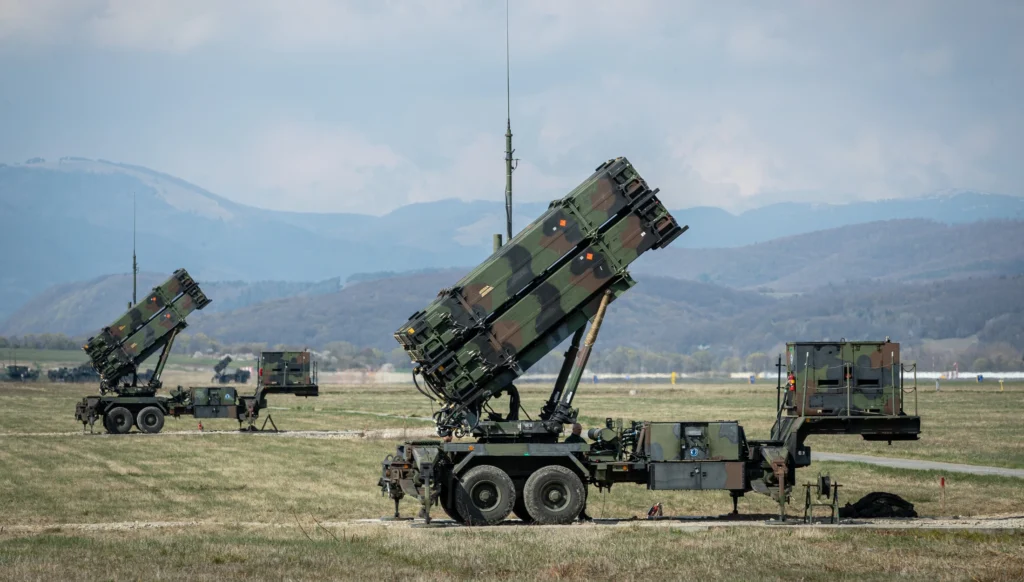
Iran remains committed to advancing indigenous missile design. The Khorramshahr series and the hypersonic Fattah 1 are key areas of focus. Israeli officials worry that Russian cooperation could enhance guidance accuracy and evasion capabilities against systems like Patriot, which have shown reduced effectiveness in Ukraine.
Drones represent another area of acceleration. Iran supplied thousands of Shahed 136 units to Russia, and Russian factories now produce large volumes using Iranian know how.
If Moscow shares updated production and guidance practices, Iran’s UAV capabilities could improve both in scale and effectiveness.
Regional Implications
Israel’s operations in June highlighted vulnerabilities in Iran’s air defence grid, but they also demonstrated the volume of missiles and drones Iran can deploy.
Even with interception losses, the scale of fire placed pressure on Israeli defences. Gulf states share similar concerns as Iran seeks to refine tactics and upgrade systems through foreign support.
Tehran now faces a window of uncertainty as diplomatic negotiations remain stalled. If sanctions enforcement weakens, Iran could secure advanced systems that reshape its deterrence posture.
Stay tuned with us. Further, follow us on social media for the latest updates.
Join us on Telegram Group for the Latest Aviation Updates. Subsequently, follow us on Google News
