

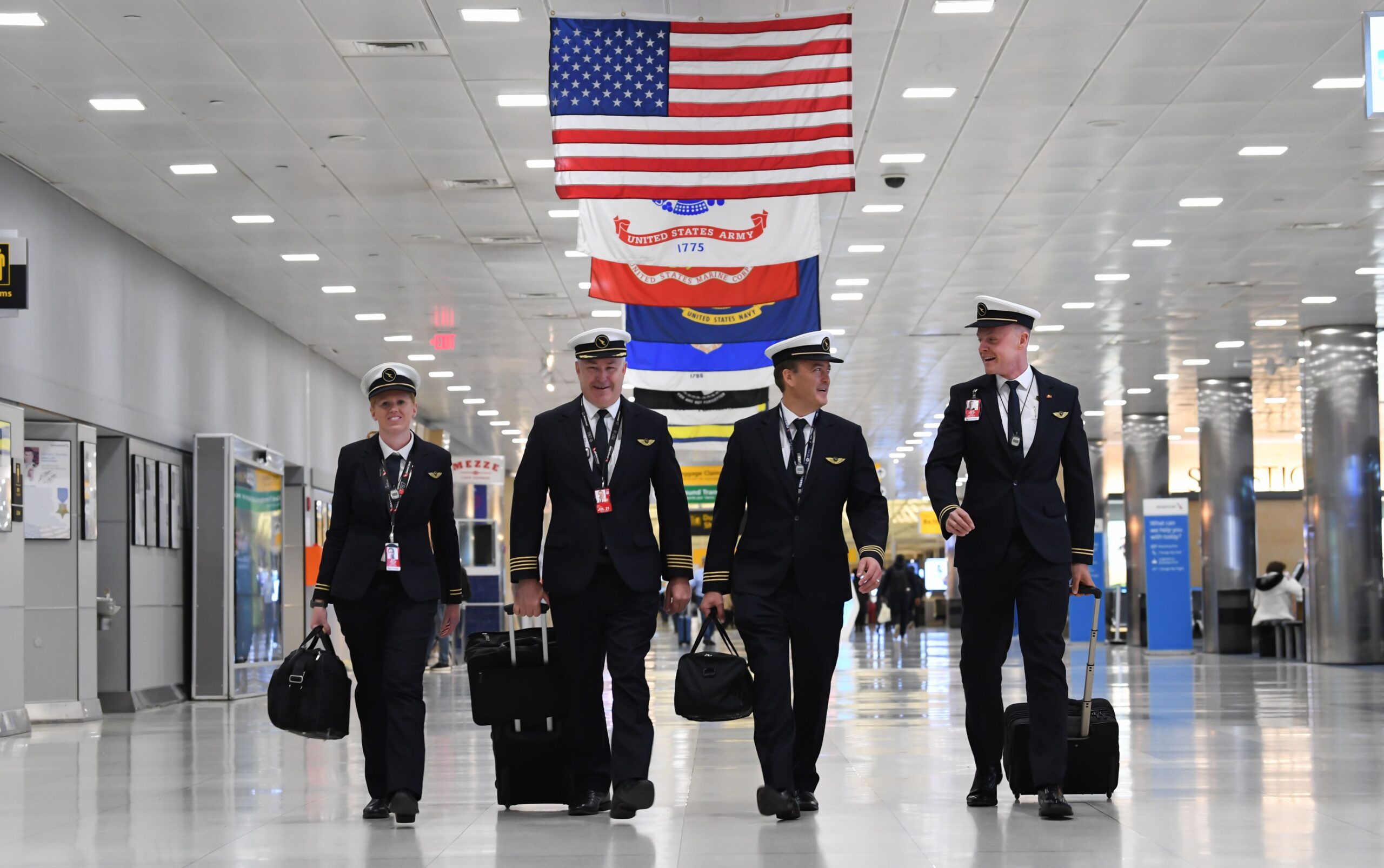
Being an airline pilot still sounds like a dream job. You travel the world, wear that sharp uniform, and command millions of dollars’ worth of machinery thousands of feet above the ground. But behind the glossy image, the job looks very different depending on where you work.
In both the United States and Europe, pilot pay varies a lot — not just because of airline size or experience, but because of how each region’s aviation industry is built. American pilots fly in a system shaped by decades of competition and deregulation, while Europe’s aviation scene is still tied to government rules and legacy carriers.
And while U.S. pilots have recently enjoyed huge pay raises, European pilots often face slower career growth and steeper costs just to get started.
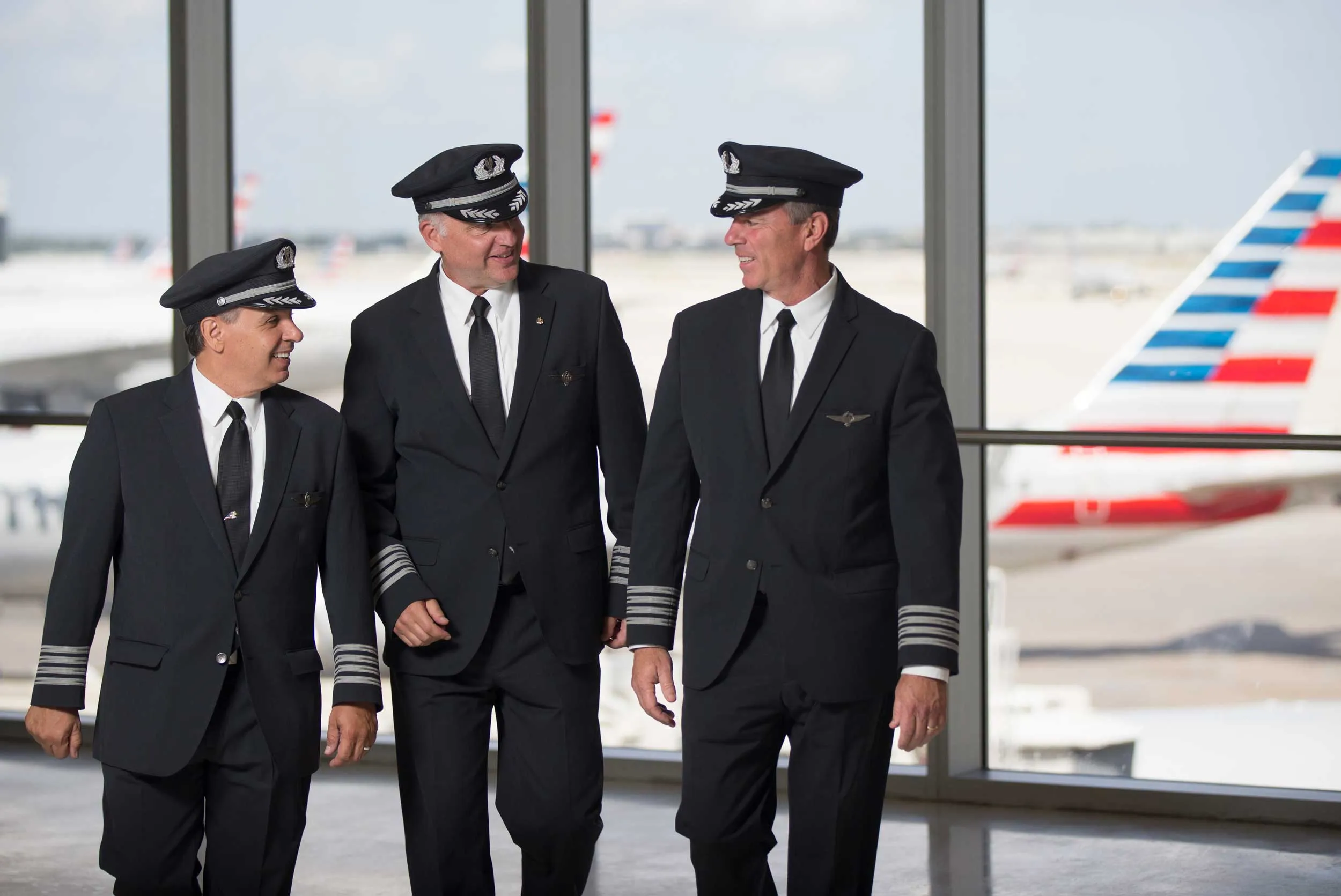
Becoming a Pilot in the US vs Europe
Before a pilot can even touch the controls of a commercial jet, they have to invest serious money in training.
In the U.S., becoming a commercial pilot typically costs between $80,000 and $100,000 and takes a few years of intense flight training. Pilots must also rack up at least 1,500 flying hours to qualify for their Airline Transport Pilot (ATP) license — the final step before joining an airline.
Europe’s route is a little different. Many students go through “integrated” training programs that combine all the licenses into one long course. These programs usually take 18 to 24 months and cost around €80,000–€120,000, but that’s not the end of it.
Many airlines also ask new pilots to pay for a “type rating” — a certificate to fly a specific aircraft type — which can add another €20,000–€30,000 to the bill.
That means most young pilots start out with big loans. And while American pilots can earn while they build flight hours by teaching others, European pilots often don’t have that same opportunity.
ALSO READ: American Airlines Pilot Salary in 2025

First Paychecks Compared
Once they finally land a job, starting pay can feel underwhelming.
In the United States, new first officers at smaller regional airlines make around $55,000 to $85,000 a year, though the ongoing pilot shortage has caused wages to climb quickly. A captain at one of the major airlines — Delta, United, or American — can make $300,000 or more once they’ve built experience.
In Europe, first officers generally earn less at the beginning, between €35,000 and €50,000 annually at budget airlines like Ryanair or Wizz Air.
Pay rises faster in high-cost countries such as Switzerland, where first officers can make over €100,000, but overall, salaries remain lower than in the U.S.
Part of that gap comes from stronger unions in America, which have helped pilots negotiate better pay and contracts. European pilots’ unions vary by country — strong in Germany or France, weaker in Eastern Europe — leading to big differences even within the same continent.
ALSO READ: JetBlue Pilot Salary in 2025

The Climb To Captain
Pay really takes off once a pilot becomes a captain. In the U.S., airlines are desperate for experienced pilots. Many regionals now offer signing bonuses up to $100,000, and promotions come faster than before — sometimes in just two years.
Top captains flying long-haul jets like the Boeing 777 or Airbus A350 can make $400,000–$420,000 a year, not counting extra perks like profit sharing and retirement benefits.
European captains earn well, too, but generally less. A long-haul captain at Lufthansa, Air France, or British Airways earns between €200,000 and €270,000 per year. Captains at low-cost airlines usually take home €120,000–€180,000, though their schedules are often more predictable.
ALSO READ: United Airlines Pilot Salary in 2025

Lifestyle And Taxes Matter Too
Of course, salary isn’t everything. What really counts is how much you get to keep — and the kind of life you live.
U.S. pilots benefit from lower taxes, especially in states like Florida or Texas, where there’s no state income tax. But they often face higher healthcare costs and fewer vacation days. European pilots pay more taxes, but they get free healthcare, longer paid leave, and more stable retirement systems.
That means while an American captain might take home more money, a European pilot might enjoy a more balanced life with better social benefits.
Bottom Line
As global air travel rebounds, demand for pilots is rising everywhere. Simple Flying reports Boeing and Airbus expect the world will need over 600,000 new pilots by 2040. That means both the U.S. and Europe will likely see pay continue to grow.
But the race isn’t equal. The U.S. market moves fast, driven by competition and union pressure. Europe’s change will probably come slower — though as younger pilots push for fairer contracts and better work conditions, the gap may start to close.
In the end, being a pilot is still one of the most respected jobs out there. Whether you’re flying across the Atlantic or hopping between European cities, one thing’s clear: life in the cockpit may not always be glamorous, but it’s always in demand.
Stay tuned with us. Further, follow us on social media for the latest updates.
Join us on Telegram Group for the Latest Aviation Updates. Subsequently, follow us on Google News
