

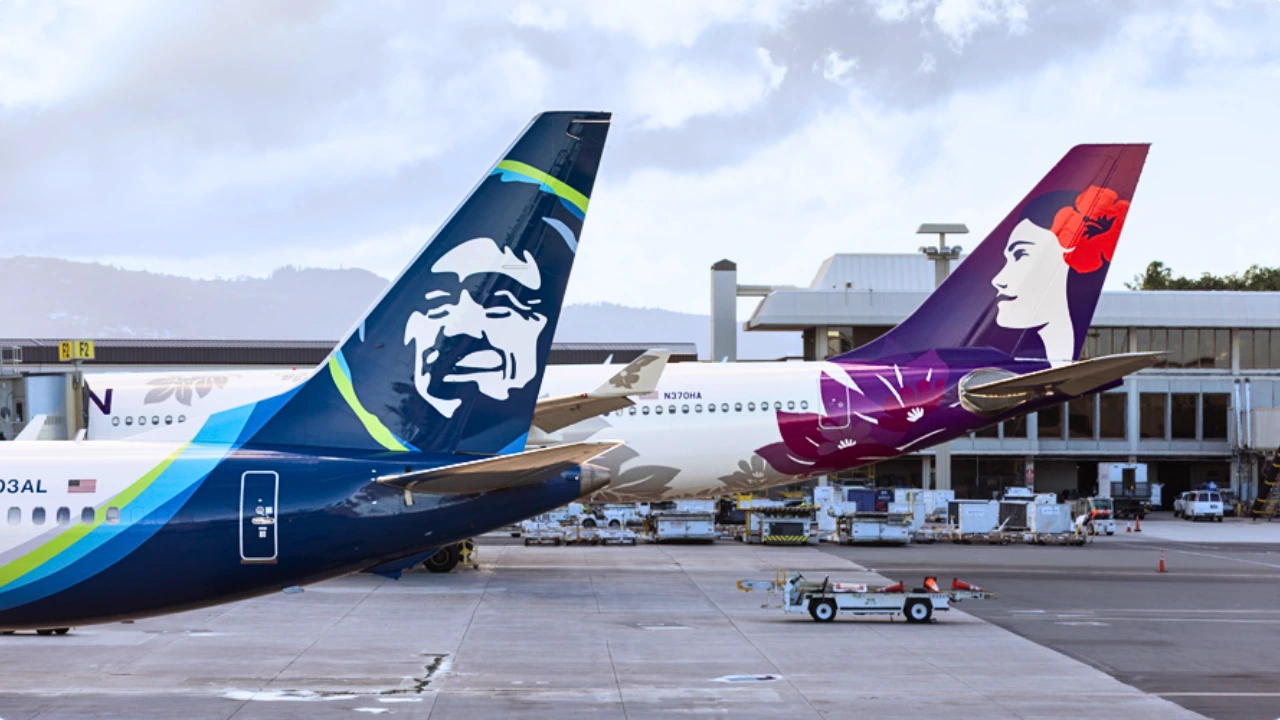
HONOLULU— Alaska Airlines (AS) has announced a long-term fleet modernization plan that will see Hawaiian Airlines (HA) replace its aging Boeing 717 aircraft with Hawaiian-branded Boeing 737-800 jets on Neighbor Island routes across Hawaii.
The transition marks one of the most significant investments in Hawaiian’s domestic network since Alaska Air Group completed its merger with the airline.
The new fleet will operate primarily from Honolulu’s Daniel K. Inouye International Airport (HNL), serving destinations such as Kahului Airport (OGG) and other Neighbor Island airports.
Alaska said the move will enhance the onboard experience, improve operational reliability, and increase passenger and cargo capacity while preserving the Hawaiian brand and locally based workforce.
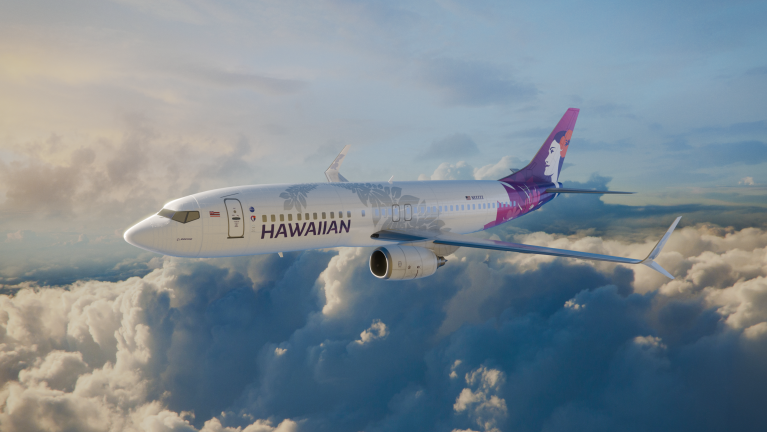
Hawaiian Airlines to Operate Boeing 737s in 2028
The fleet replacement is scheduled to begin in 2028, when Hawaiian Airlines starts retiring its Boeing 717 aircraft after decades of service between the Hawaiian Islands.
Alaska Air Group selected the Boeing 737-800 because of its proven reliability, durability, and ability to handle the demanding short-haul, high-frequency operations unique to Hawaiʻi.
The aircraft will continue operating under the Hawaiian Airlines brand and remain dedicated to Neighbor Island service.
Following the airlines’ operational integration, Honolulu-based pilots and flight attendants are expected to operate the fleet, ensuring continuity for local communities that rely on frequent inter-island flights for business, education, healthcare, and family travel.
Hawaiian Airlines CEO Diana Birkett Rakow said the investment demonstrates the company’s long-term commitment to Hawaiʻi while strengthening Hawaiian Airlines as the state’s hometown carrier.
She noted that the decision supports reliable transportation across the islands while preserving the airline’s local identity.
The Boeing 737-800 also offers greater operational flexibility than the retiring Boeing 717 fleet. Its robust airframe and engines are designed to withstand frequent daily flight cycles and the challenging salt-air operating environment found across the Hawaiian Islands.
Passenger Upgrades and Capacity
Passengers can expect a substantially improved onboard experience once the Boeing 737-800 enters service.
The aircraft will feature twice as many First Class seats as the current Boeing 717 fleet while introducing more than 30 Premium Class seats, creating additional upgrade opportunities for Atmos Rewards members.
Every aircraft will also be equipped with free Starlink Wi-Fi, reclining leather Recaro seats, USB charging ports, 110V power outlets, and personal device holders at every seat.
The larger aircraft will also provide significantly more cargo space, making it easier to accommodate oversized luggage, including surfboards commonly carried by travelers within Hawaiʻi.
According to Alaska Air Group, these enhancements align with its broader strategy of improving the customer experience while maintaining the frequent schedules that residents depend on throughout the day.

Alaska Strategy for Growth
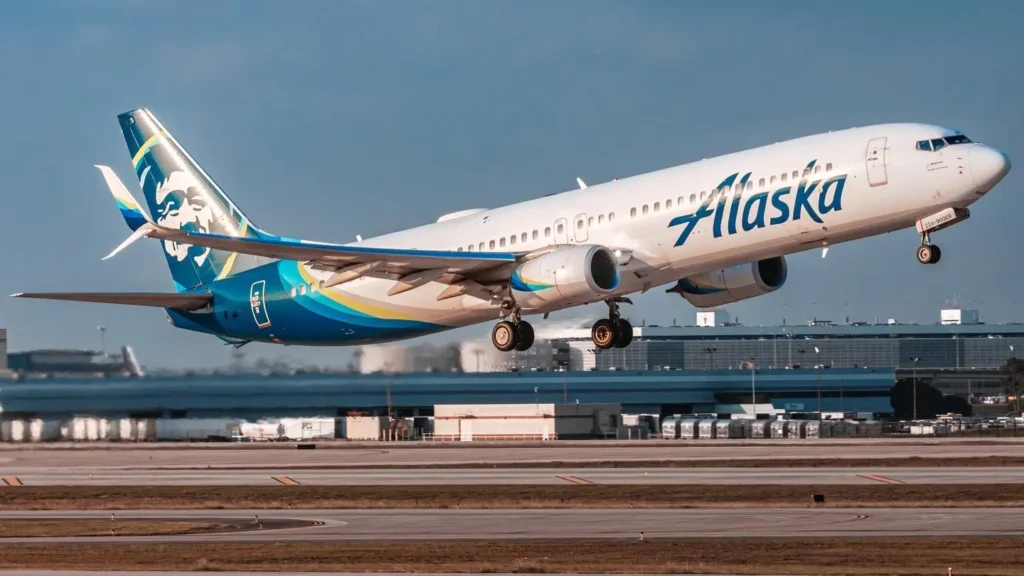
Before the full fleet transition begins, Alaska Airlines will supplement Neighbor Island operations using one Alaska-branded Boeing 737 aircraft starting in October.
The aircraft will operate three daily round-trip flights between Honolulu and Kahului to help maintain capacity while Boeing 717 aircraft gradually retire.
The fleet modernization forms part of Alaska Accelerate, Alaska Air Group’s long-term growth strategy following its combination with Hawaiian Airlines.
Alongside the aircraft investment, the company continues expanding network connectivity, introducing its Atmos Rewards loyalty program, planning a new Honolulu lounge, and investing in airport infrastructure across Hawaiʻi.
Jim Landers, Head of Hawaiʻi Operations for Alaska Airlines and Hawaiian Airlines, said the Boeing 737-800 provides a proven platform for the next generation of Neighbor Island flying while allowing the airline to maintain reliable, high-frequency service expected by local communities.
As planning progresses, Alaska Air Group is expected to release additional details regarding the rollout schedule and fleet deployment.
Stay tuned with us. Further, follow us on social media for the latest updates.
Join us on Telegram Group for the Latest Aviation Updates. Subsequently, follow us on Google News
