

When people talk about long flights, they usually mean anything over 14 hours in the air. These are the kinds of trips where you eat multiple meals, watch half a season of a TV show, sleep a bit, and still have hours left before landing.
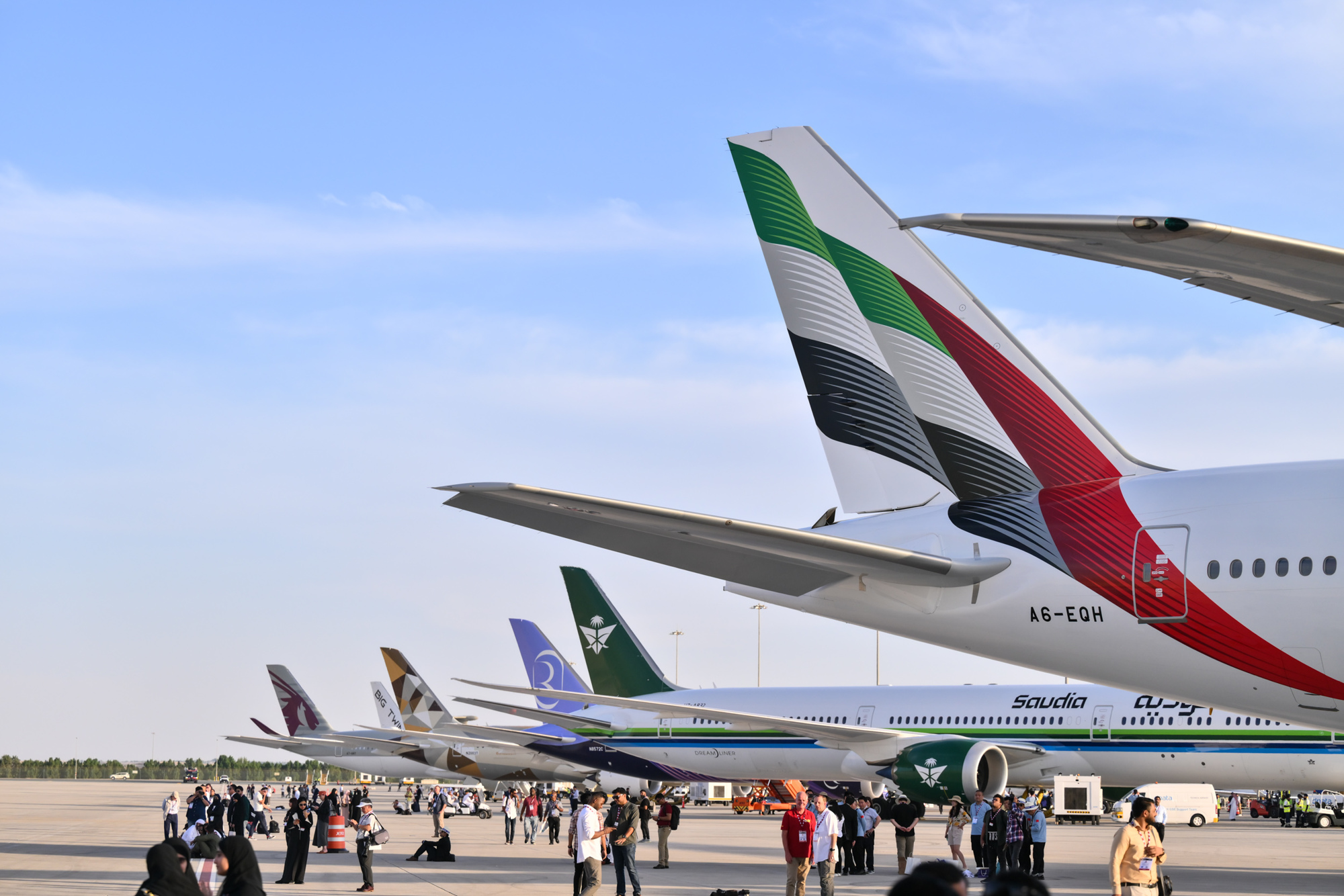
Two airlines in the Middle East are famous for these marathon journeys: Emirates (EK) and Qatar Airways (QR). Both have built their global reputation on connecting far-away places with just one stop in either Dubai or Doha.
But when we look closely at how each airline handles ultra-long-haul flying, the differences become clear. One carrier focuses on carrying as many people as possible, while the other focuses on flying farther and serving more cities with flexible aircraft. Here’s a breakdown of how the two stack up, as flagged by Simple Flying.
How They See Ultra-Long-Haul Flying
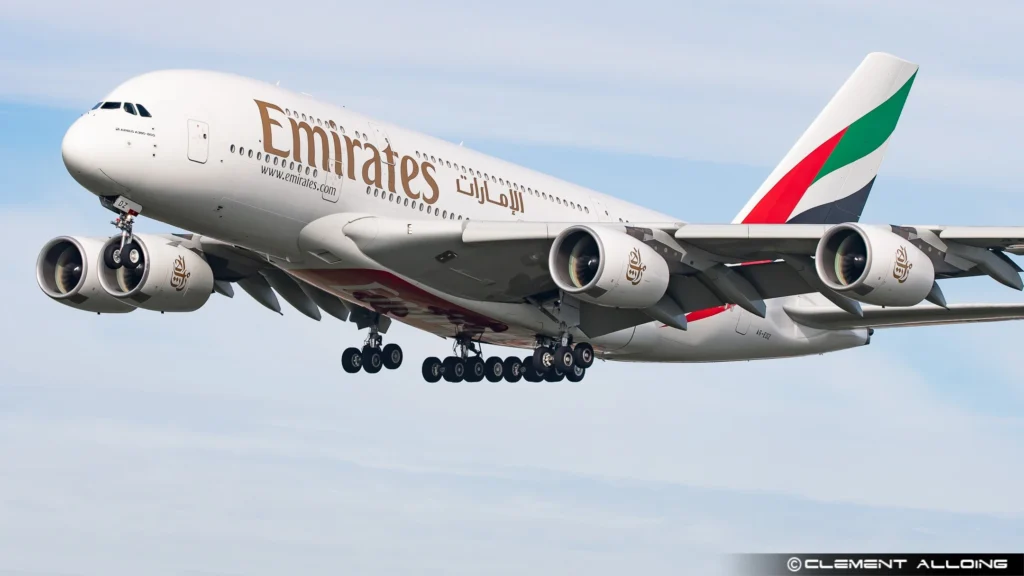
Emirates has a very simple strategy: big planes, big capacity, big routes. The airline is known for using the Airbus A380 and Boeing 777-300ER on most of its longest flights.
These aircraft can carry 350–600 passengers at a time, which helps EK move huge numbers of people between major cities like Sydney, Melbourne, and Los Angeles.
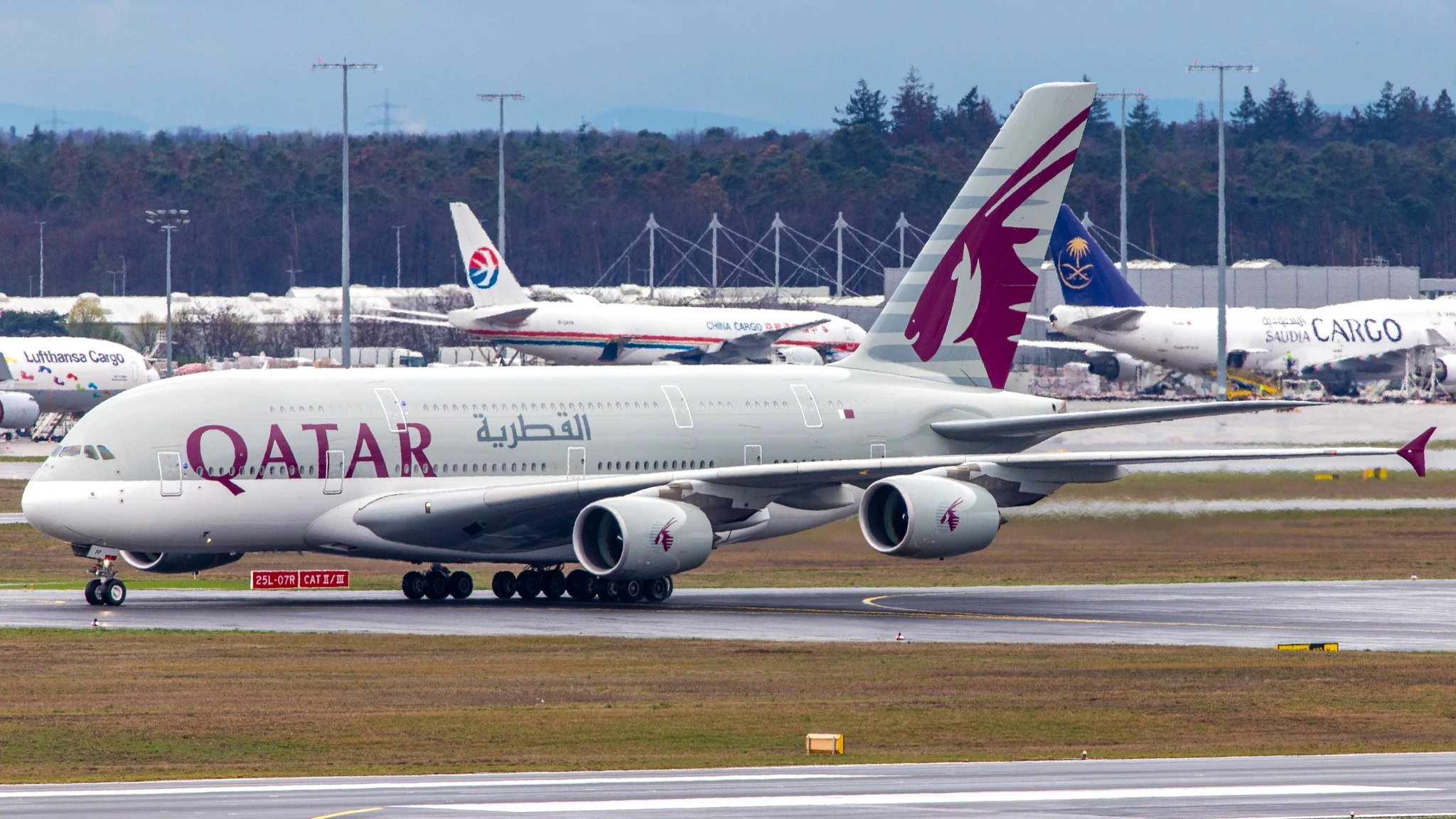
Qatar Airways, on the other hand, runs a more flexible system. Instead of relying on one or two aircraft types, QR uses a mix of the Airbus A350-900, A350-1000, Boeing 777-200LR, and 777-300ER.
This lets the airline serve more long-distance routes without having to fill a massive plane every time.

Who Has More Capacity?
If we look at pure numbers, Emirates clearly wins when it comes to total seats flown on ultra-long-haul routes.
This is because the A380 itself is a seat-producing machine. On routes like Dubai–Sydney or Dubai–Melbourne, EK regularly generates well over 200 million available seat miles per month.
QR’s long-haul routes produce smaller totals simply because the aircraft aren’t as large. But QR makes up for this through network variety. The airline serves more ultra-long-haul city pairs, reaching deeper into North America, Oceania, and Asia.
So while EK wins in capacity, QR wins in spread.
Which Airline Flies Farther?
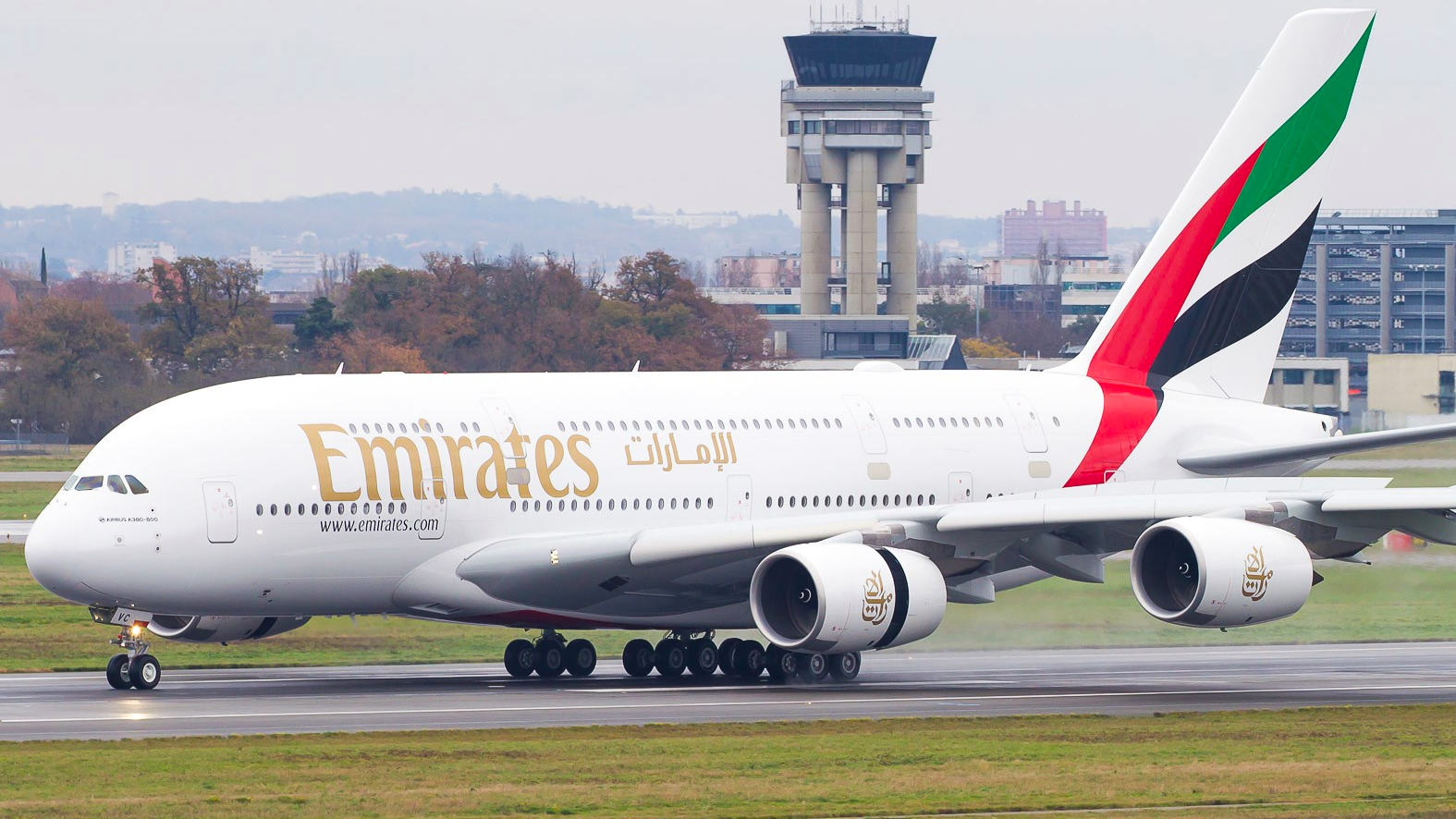
Qatar Airways often comes out ahead when it comes to average distance per flight. According to Simple Flying, many of QR’s routes fall into the 7,300–9,000-mile range. Flights like Doha–Auckland are among the world’s longest and show how much QR relies on long-range aircraft like the 777-200LR.
Emirates does fly some very long routes too, but the airline’s biggest strength is not distance — it’s the ability to pack thousands of seats into major markets every day.
Fleet Strategy: Heavy vs Flexible
A big part of this competition comes down to the aircraft each airline uses.
Emirates
- Heavy use of A380 and Boeing 777
- Very few narrow-body aircraft
- Focus on high-capacity flying
- Plans to shift toward the Boeing 777X in the future
Qatar Airways
- Large A350 fleet (A350-900 and A350-1000)
- Mix of 777s and some 787s
- Uses multiple aircraft types for long flights
- Focus on fuel efficiency and lower emissions
The A350 gives QR a natural advantage in fuel burn. Many aviation experts consider it one of the most efficient long-range aircraft in service. Meanwhile, EK continues to defend the A380, arguing that its cost-per-seat is still excellent when the plane is full.

Challenges Each Airline Faces
Even the biggest airlines have limitations.
For Emirates
- Large aircraft reduce flexibility
- Harder to add new long routes unless demand is very high
- Seasonal drops in traffic can make routes harder to maintain
For Qatar Airways
- Past disputes with Airbus affected A350 availability
- Smaller aircraft mean fewer seats per flight
- Some routes depend heavily on fuel prices staying stable
Because QR has many different aircraft types, it’s easier for them to adjust routes when market conditions change. Emirates does not have that luxury — an A380 cannot be easily swapped out for a smaller jet.

Which One Is Better for Passengers?
Most travelers judge based on comfort, and both carriers score well — but for different reasons.
Emirates
- Spacious cabins on the A380
- Large entertainment system
- Popular for people who want more room, especially in premium cabins
Qatar Airways
- Consistent cabin quality
- Modern fleet with quiet interiors
- Known for the A350’s smooth ride and lower noise levels
If you love the super-jumbo experience, EK is hard to beat. But if you prefer a modern, fuel-efficient aircraft with a consistent interior, QR usually wins.

Bottom Line
Which of these two Middle East giants is better depends on what you measure.
- Capacity: Emirates wins easily.
- Route variety: Qatar Airways leads.
- Fuel efficiency: QR again.
- Big-plane comfort: EK takes it.
- Flexibility: QR has the edge.
Both airlines dominate the ultra-long-haul world in their own ways. Emirates uses size and volume to maintain its leadership, while Qatar Airways uses efficiency and network spread to stay competitive.
As both carriers bring in next-generation aircraft like the 777X or expand their A350 fleets, this rivalry will only get tighter.
In the end, travelers benefit the most — because whether you choose EK or QR, the ultra-long-haul experience is among the best anywhere in the world.
Stay tuned with us. Further, follow us on social media for the latest updates.
Join us on Telegram Group for the Latest Aviation Updates. Subsequently, follow us on Google News
