

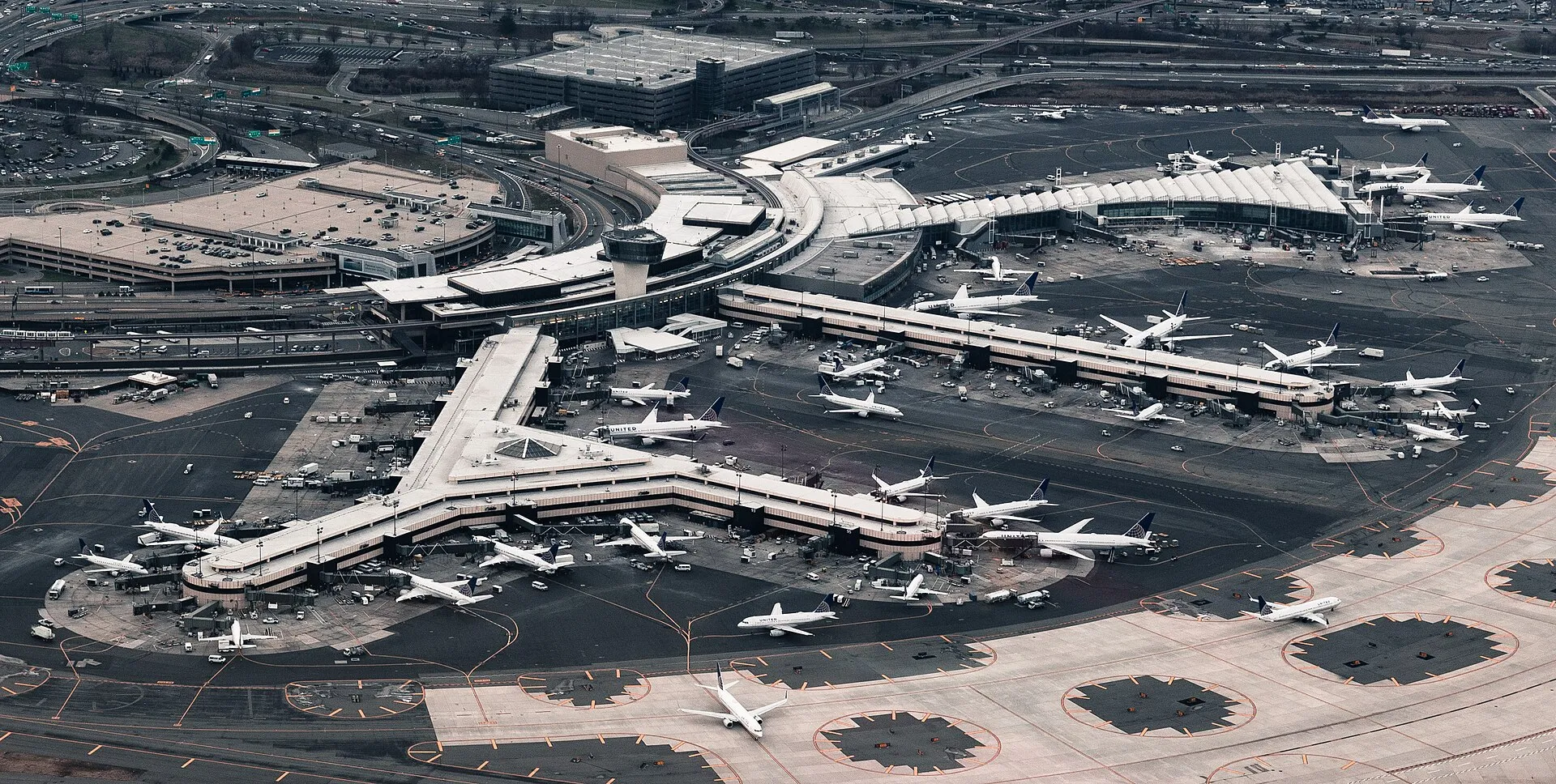
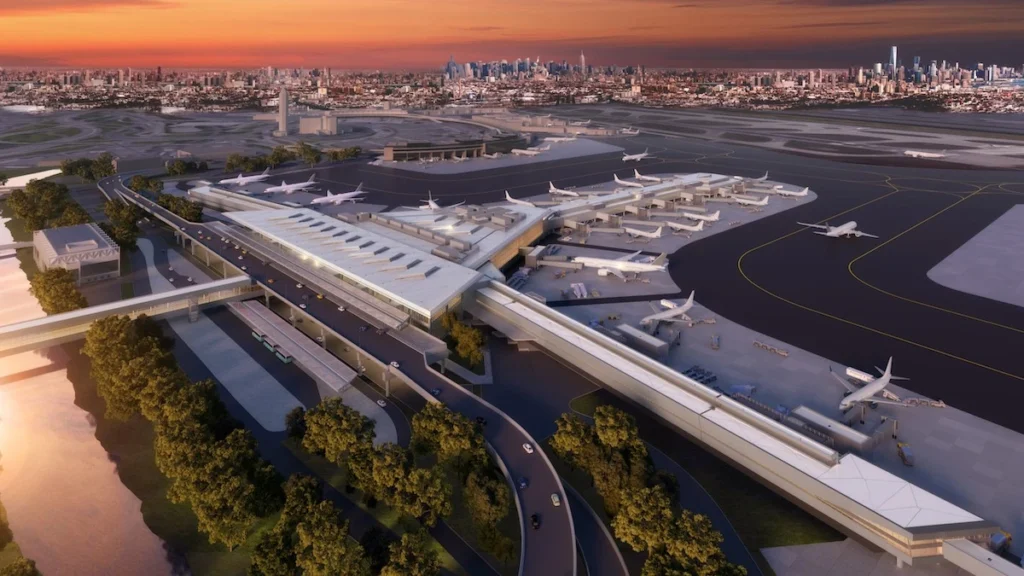
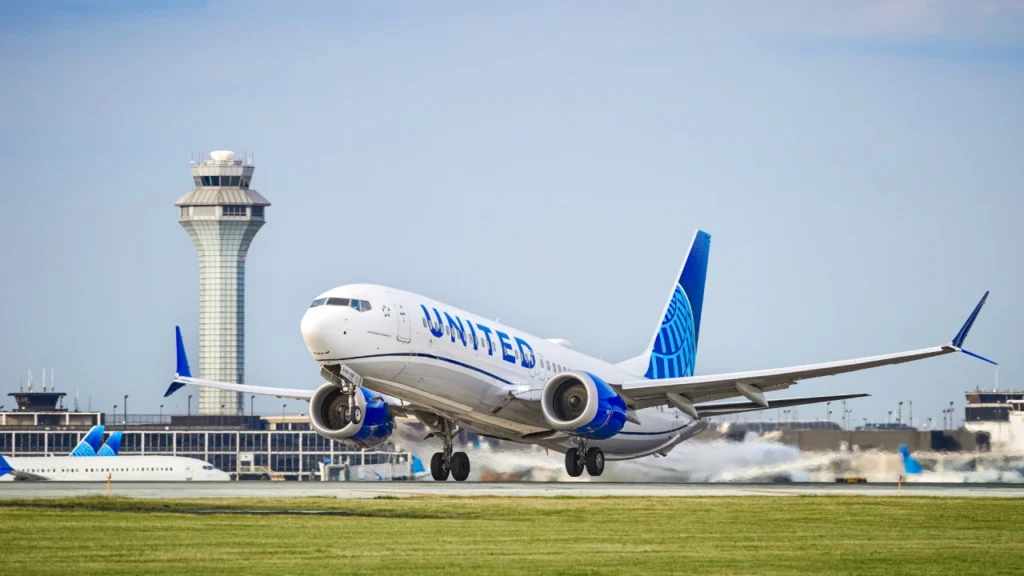
CHICAGO- United Airlines (UA) and Newark Liberty International Airport (EWR) continue to shape the national debate on airport access and congestion pricing. The discussion intensified after United’s CEO highlighted how air traffic control limits affect delays at major hubs.
Newark (EWR) faces unique scheduling pressure, yet the broader issue involves whether slot controls at any airport improve service or restrict competition.
According to View from the Wing, current slot rules create structural inefficiencies that no longer match today’s aviation needs.
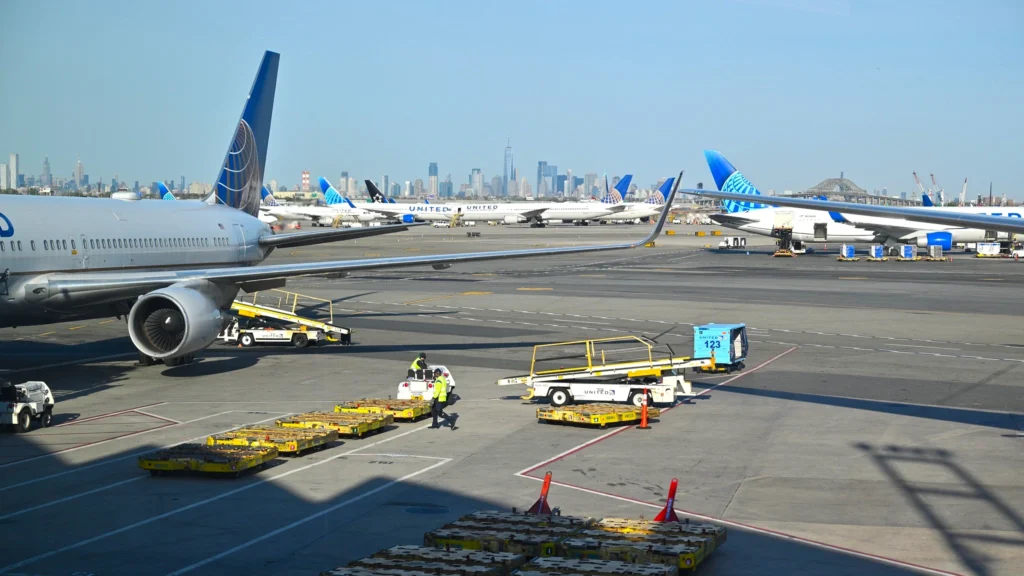
Newark Airport Congestion Pricing
The slot system was designed to manage capacity at congested airports, but it often gives incumbent airlines privileged access. Newark (EWR) exemplifies how misaligned scheduling and constrained runway throughput can lead to daily delays.
United Airlines (UA) argues that simple capacity math necessitates caps, yet the wider policy challenge concerns how best to allocate scarce runway time without distorting competition.
Slots act as government-granted operating rights that carriers retain indefinitely, often without directly paying for the economic value they create.
When capacity drops due to weather or air traffic control limits, these fixed slot allocations struggle to adapt.
Congestion pricing, by contrast, links the actual cost of added delays to the timing of each flight.
This pricing mechanism encourages airlines to select aircraft types, frequencies, and schedules that reflect true system-wide impacts rather than regulatory entitlements.
Limitations of Slot-Based Regulation
Slot controls freeze operations by relying on rigid hourly limits that ignore dynamic conditions. They also incentivize carriers to operate small aircraft merely to maintain slot ownership.
This encourages unnecessary peak congestion and prevents new entrants from gaining market share.
Under a slot regime, runway access remains locked in, largely divorced from passenger value or operational efficiency.
A pricing-based system would allow airlines to adjust schedules based on predictable fee tables published for specific time periods.
When demand surges, charges rise; when operations are smooth, costs stay low or zero. Such a system naturally spreads demand to shoulder periods, minimizes queueing, and encourages larger aircraft on high-value routes.
It also provides an open pathway for new competitors that cannot currently buy or lease slots even when motivated to enter a market.
Framework for Weather and ATC Disruptions
Weather events and air traffic control restrictions can reduce runway capacity by almost half. Slots cannot adjust fast enough to these realities, forcing the FAA to issue ground delay programs and ad hoc rationing.
Congestion pricing adapts immediately: higher charges during constrained periods prioritize flights with the highest relative value. This allows the system to maintain stability while reducing cascading delays.
Airlines already manage fluctuating fuel prices, labor constraints, and unpredictable demand patterns.
A transparent, variable pricing system would simply extend current planning practices. It can also be structured as revenue-neutral, offset through reduced landing fees or passenger charges, allowing the primary benefit to be efficiency rather than revenue generation.
Competitive Effects and Public Interest
Critics argue that congestion charges favor wealthier travelers or large airlines. However, today’s slot system already entrenches incumbent dominance.
With pricing, any carrier, new or old, can purchase access at peak times if it perceives sufficient value.
If policymakers seek to support service to small communities, targeted subsidies or rebates can be applied without distorting peak-hour operations for the entire network.
Eliminating slot controls at airports such as JFK, LGA, and DCA would lower barriers to entry and allow more rational allocation of scarce runway time.
Airports would shift from rationing through static rules to optimizing through transparent market signals. This model rewards flights that deliver the highest passenger value while reducing systemic delays and improving operational stability.
Replace Slots with Capacity Tools
The United States continues to face infrastructure and regulatory challenges that limit airport throughput.
Yet maintaining outdated slot controls locks in inefficiencies, reinforces incumbent advantages, and misallocates capacity. Congestion pricing offers a modern framework that aligns economic incentives with real-time operational needs.
It supports competition, encourages fleet optimization, and channels scarcity value back into system improvements instead of private balance sheets.
Replacing slot controls with demand-based pricing is a practical and fair solution for airports experiencing chronic congestion, including Newark (EWR).
It ensures that runway access goes to flights with the highest public and economic value, improving performance across the national air transportation system.
Stay tuned with us. Further, follow us on social media for the latest updates.
Join us on Telegram Group for the Latest Aviation Updates. Subsequently, follow us on Google News
