

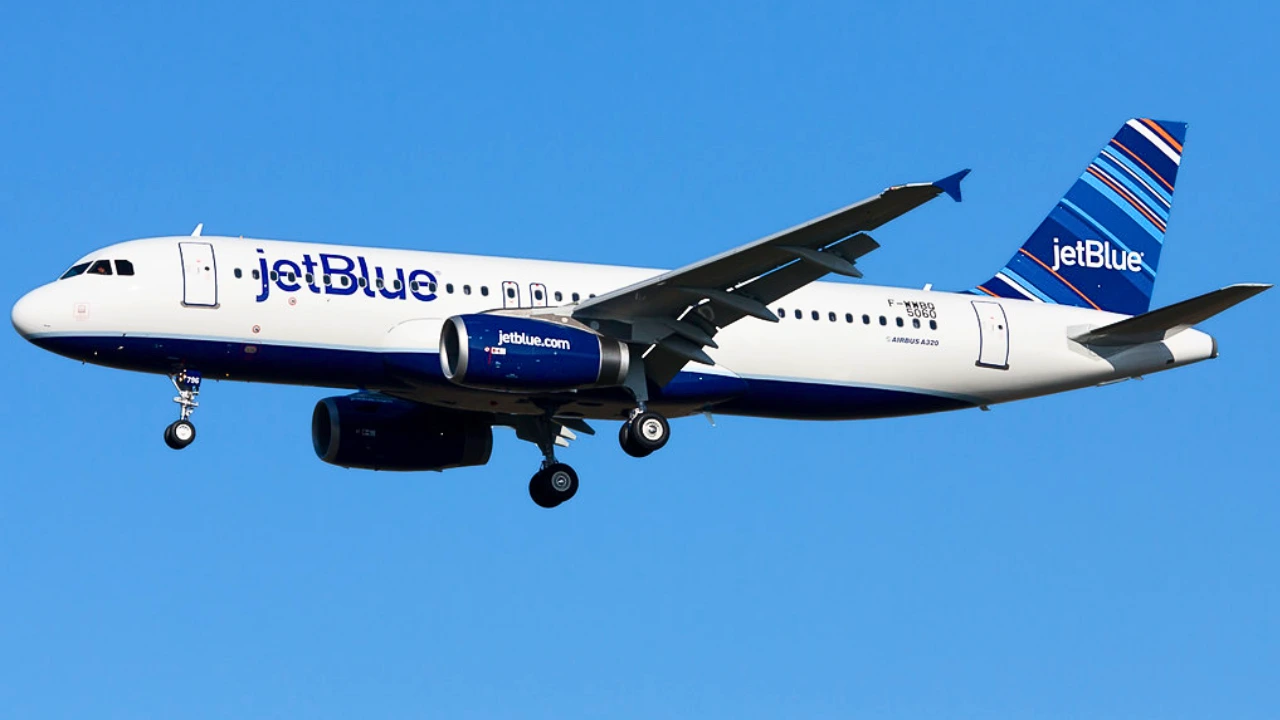
NEW JERSEY– A tragic incident has rocked the aviation community after a 47-year-old JetBlue Airways (B6) pilot suddenly collapsed and died at his upscale home, mere hours after enjoying a backyard hamburger. The pilot, Brian Waitzel, had appeared entirely healthy, leading to initial puzzlement about his cause of death.
His wife and family spent over a year searching for answers before doctors finally diagnosed him with a rare and deadly allergy. The revelation came only after exhaustive testing by allergists, who identified a link to a tick-borne condition.

JetBlue Pilot Death Mystery Revealed
Investigators determined that Waitzel’s death was caused by alpha-gal syndrome, a severe and delayed red-meat allergy triggered by a prior tick bite. The reaction occurs several hours after ingesting mammalian meat, making it difficult to trace to its cause. In his case, the allergy was fatal.
On the day of the incident, Waitzel ate a beef hamburger around mid-afternoon. He then returned to his $1.7 million house and spent time mowing the lawn. By late evening, his teenage son reported that his father was violently ill, and shortly afterward, he was found unconscious in the bathroom.
Emergency responders arrived and administered life-saving measures, while his son performed CPR. Despite two hours of resuscitation efforts, medics declared him dead late that night.

Medical Implications and Family Burden
Waitzel’s widow, Pieper, described how devastated the family was by the sudden loss, particularly since his autopsy yielded no clear cause.
Only after consulting experts did they realize his earlier exposure to ticks might hold the key. The diagnosis provided painful closure but left them grappling with how invisible and lethal the condition can be.
Alpha-gal syndrome is carried by bites, most commonly from the Lone Star tick, which transfers a sugar molecule called galactose-α-1,3-galactose into the human body.
This can sensitize someone’s immune system, provoking a dangerous allergic reaction after consuming red meat. Unlike typical food allergies, symptoms can manifest many hours later, including gastrointestinal distress, anaphylaxis, or even fatal outcomes.
In Waitzel’s case, lab tests after his death showed elevated levels of IgE antibodies specific to alpha-gal, confirming a fatal allergic response.
Researchers believe his physical exertion and alcohol consumption earlier in the day may have increased his body’s absorption of the allergen, exacerbating the reaction.

Previous Findings and Aviation Concerns
Until this case, there had been no documented deaths in the United States directly linked to red-meat consumption via alpha-gal syndrome.
Most known severe reactions were associated with certain medications that contain alpha-gal sugars, not dietary meat. Experts now warn that as tick populations expand, more individuals may unknowingly be at risk.
For the aviation sector, Waitzel’s death raises urgent questions about pilot health screening. Airlines and regulators typically monitor cardiac, respiratory, and neurological conditions in pilots—but rarely obscure allergies.
Aviation medical examiners may now need to consider tick-borne syndromes in regions where Lone Star ticks are endemic.
Currently, there is no airline regulation specifically addressing alpha-gal allergy in crew medical assessments. Aviation authorities such as the Federal Aviation Administration (FAA) do not mandate screening for rare tick-borne allergies.
However, medical professionals and the aviation community are calling for added awareness, especially in states where tick-borne illnesses are rising.

Bottom Line
The unexpected loss of a JetBlue pilot due to a tick-borne red-meat allergy underscores a silent and potentially lethal health risk.
As alpha-gal syndrome becomes better understood, aviation regulators and medical examiners must reckon with how rare but fatal allergies might impact pilot fitness and safety.
Stay tuned with us. Further, follow us on social media for the latest updates.
Join us on Telegram Group for the Latest Aviation Updates. Subsequently, follow us on Google News
