

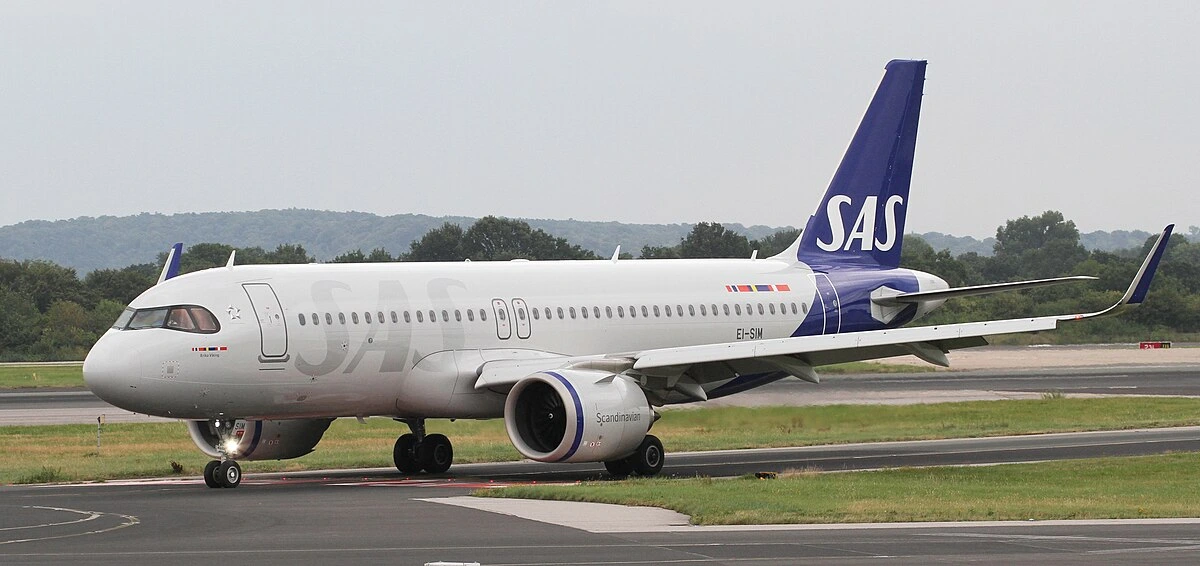
OSLO- An incident at Oslo Airport (OSL) has prompted renewed concern over lithium battery safety in aircraft cabins after a portable battery pack burst into flames during boarding. The fire occurred onboard a nearly new Airbus A320 operated by Scandinavian carrier SAS (SK), just minutes before a short domestic flight to Bergen was scheduled to depart.
Around 50 passengers were already on the aircraft when smoke began leaking from a bag inside the cabin. The situation escalated quickly as thick fumes filled the aisle, forcing the crew to act immediately and evacuate travelers from the aircraft before the smoke intensified.
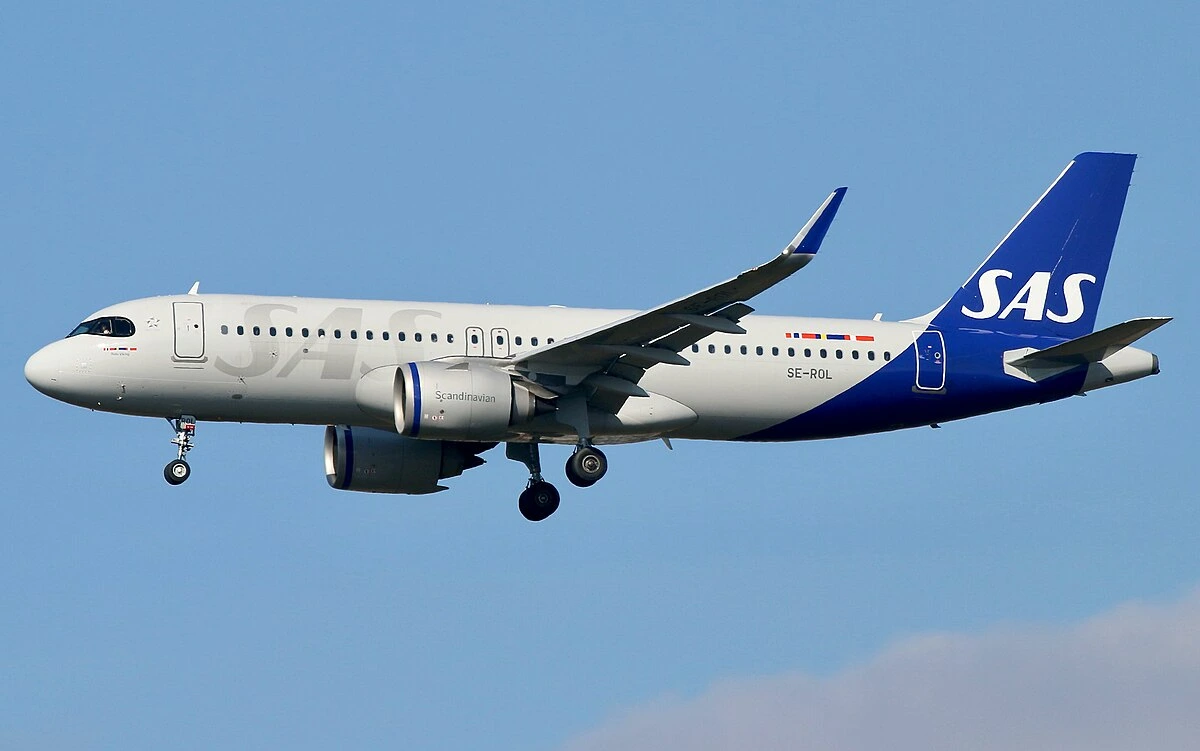
Wikimedia Commons
SAS Cabin Fire
Cabin crew equipped themselves with smoke hoods to avoid inhaling the toxic fumes spreading through the cabin.
They used a Halon fire extinguisher to control the burning bag and moved it from the aircraft to the tarmac, where emergency responders were already in position. Once outside, the battery pack reignited before firefighters managed to fully contain the fire.
Accident investigators later confirmed that eight people were taken to the hospital for suspected smoke inhalation.
Several were kept under observation, but all were discharged within 48 hours. The investigation notes that the fire involved a portable battery pack carried in a passenger’s hand luggage.
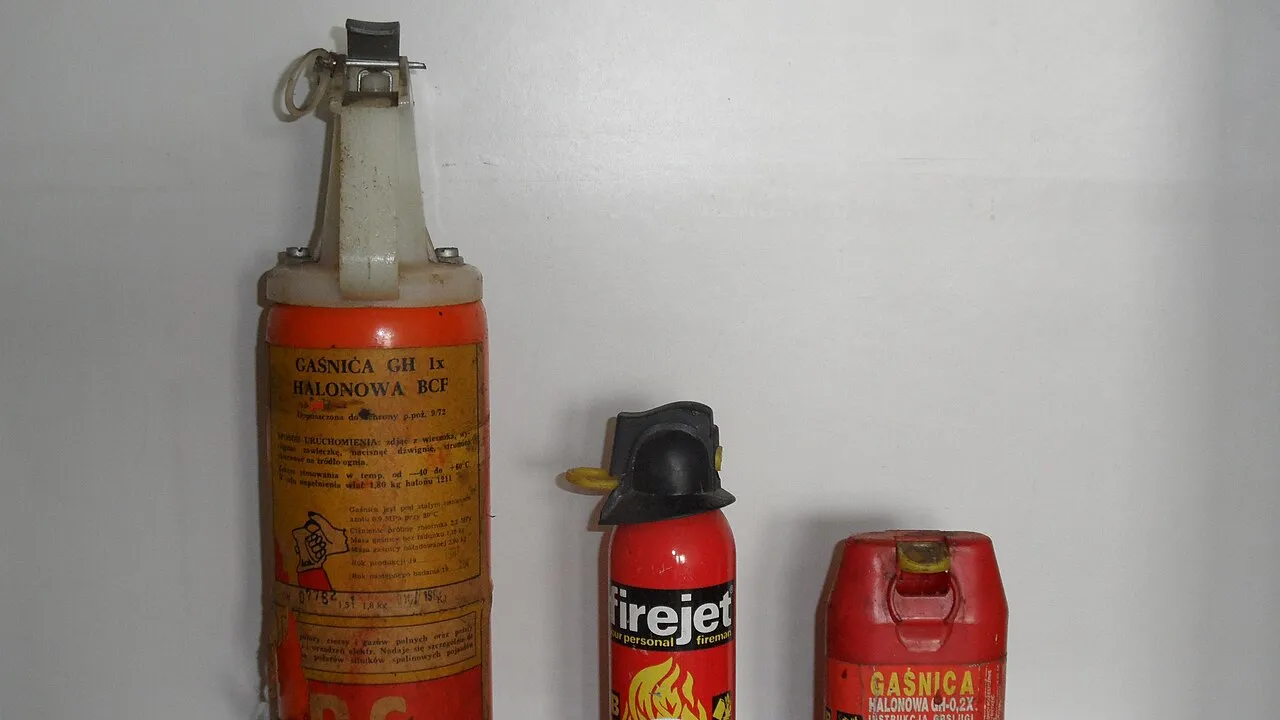
https://commons.wikimedia.org/wiki/File:Halon_extinguishers.jpg
Halon Use Explained
Halon extinguishers remain common in aircraft cabins because they are effective against electrical fires, yet they pose significant environmental risks.
Although production of Halon has been banned since the 1990s due to ozone depletion concerns, aviation regulators still allow airlines to use units already in storage.
The European Union plans to completely remove Halon extinguishers from cabins by the end of 2025. Newer extinguishing systems that provide similar effectiveness without environmental harm are now being adopted across the industry.
Even with the environmental concerns, Halon remains one of the few agents capable of suppressing intense battery-related fires in confined spaces like aircraft cabins.

https://commons.wikimedia.org/wiki/File:1.5V_Lithium_Battery_Charger_and_Cable_Front_Picture.png
Lithium Battery Hazard
Lithium battery fires often result from thermal runaway, a chain reaction in which one overheating cell causes the next to heat up rapidly.
This process creates intense flames and thick, toxic smoke that spreads quickly in enclosed areas. Devices such as power banks, laptops, and e-cigarettes all contain lithium cells that can fail without warning.
Airlines worldwide have reported rising numbers of similar incidents in recent years. The aviation industry continues to enforce strict rules, such as banning lithium batteries from checked luggage.
Some operators, including Emirates, now limit passengers to one power bank and prohibit charging it during the flight. These measures aim to reduce the risk and ensure a faster response in case a battery overheats in the cabin.
Bottom Line
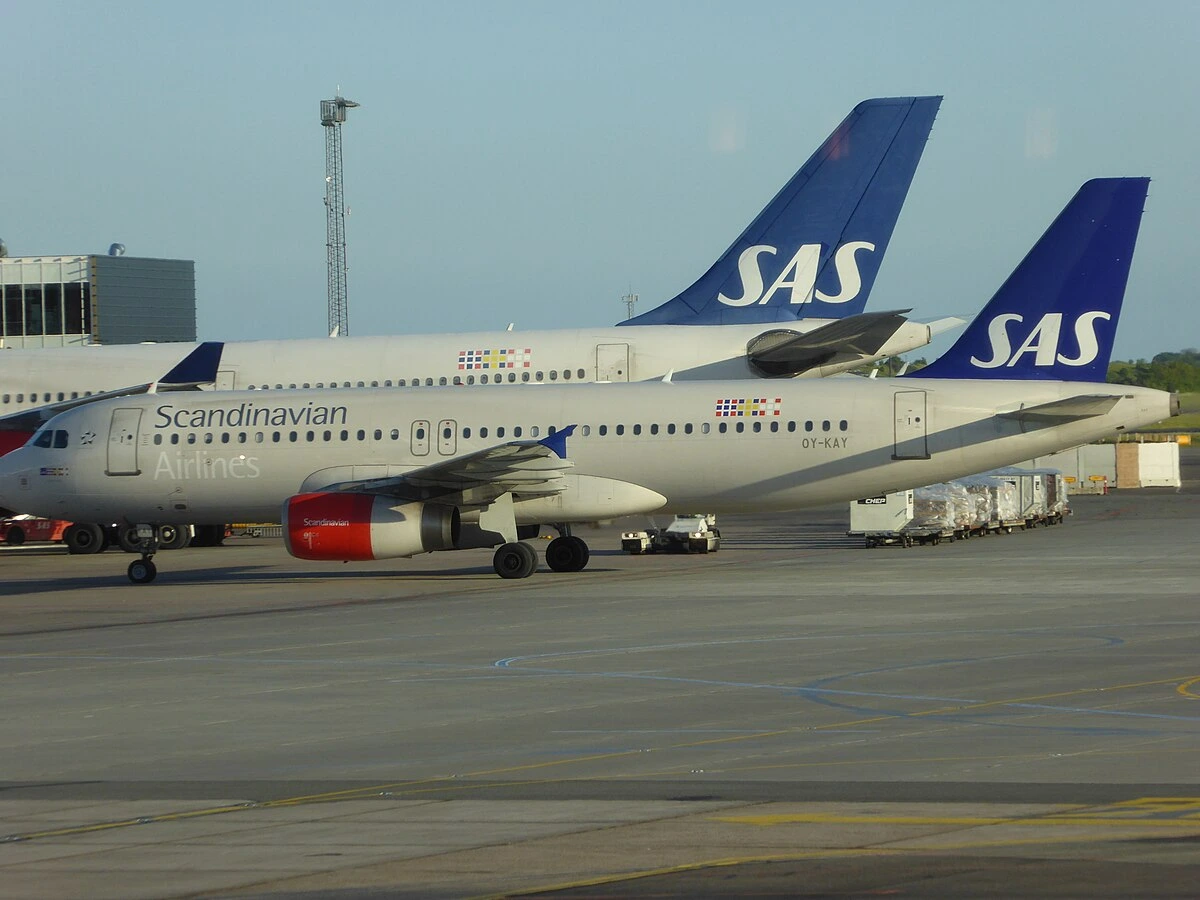
The fire at Oslo Airport highlights the growing safety challenge lithium batteries pose for airlines and passengers.
The quick actions of the SAS crew prevented the situation from escalating, but the incident reinforces the need for stronger controls and better passenger awareness.
As investigations continue, regulators and airlines are likely to accelerate steps aimed at minimizing the risks of battery-related fires on board.
Stay tuned with us. Further, follow us on social media for the latest updates.
Join us on Telegram Group for the Latest Aviation Updates. Subsequently, follow us on Google News
