

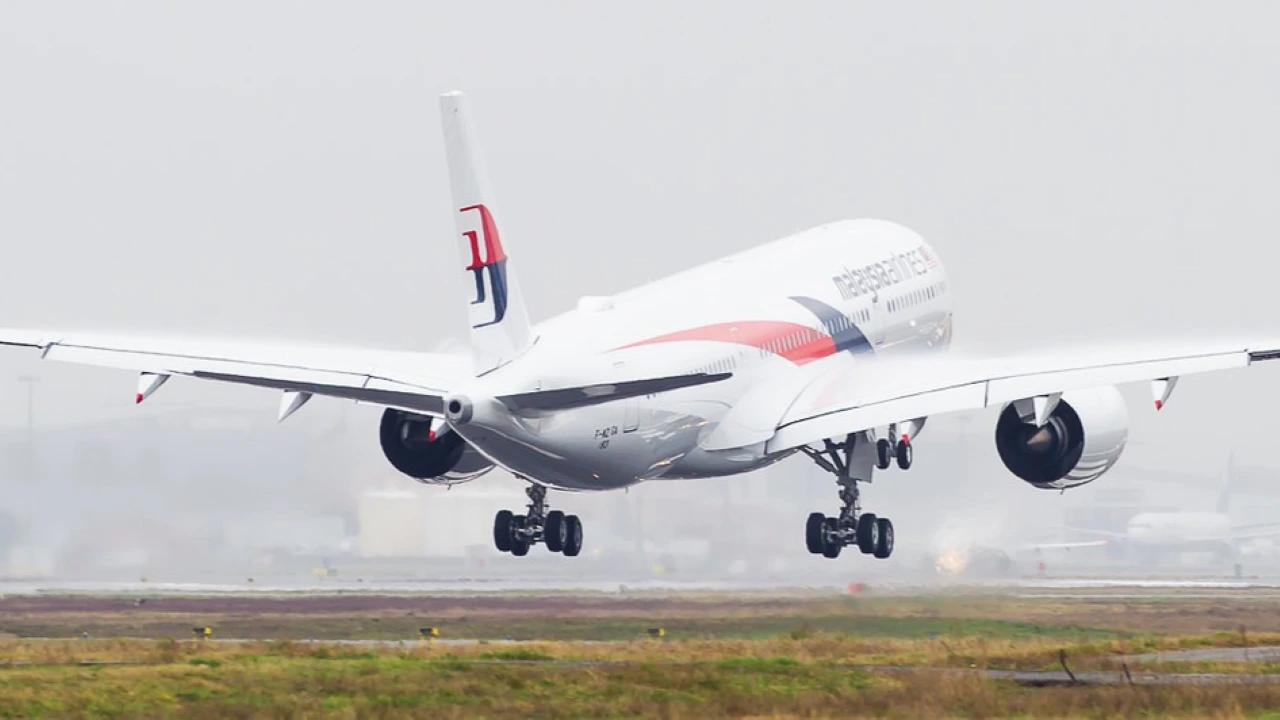
KUALA LUMPUR— Malaysian Airlines (MH) is intensifying its focus on the Chinese market as part of its long-term growth strategy. The airline is exploring the potential purchase of Chinese-made aircraft to support its ambition of becoming one of the world’s top 10 airlines within the next decade.
Post-COVID recovery has seen Malaysia Airlines rebuild capacity to China to roughly 70 percent of pre-pandemic levels, with plans to reach full capacity by 2026. The carrier currently operates 52 weekly flights to China, with the resumption of the Kuala Lumpur–Chengdu route on January 9, 2026, increasing the number to 60 weekly flights.
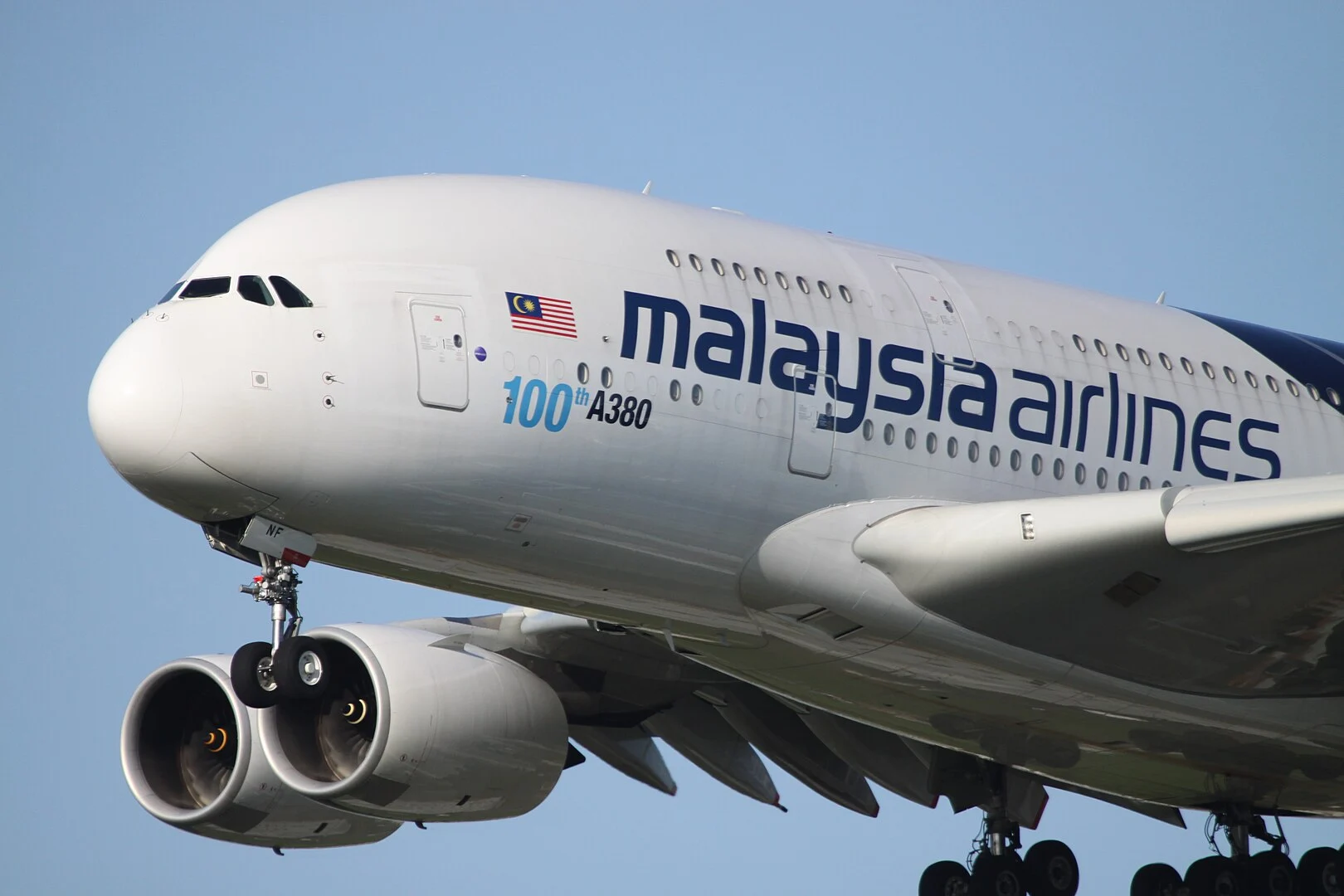
Malaysia Airlines China Market Expansion
Malaysia Aviation Group, the parent company of Malaysia Airlines, emphasizes the strategic importance of China’s economic growth. The group aims to be part of China’s journey, targeting key cities such as Chengdu, Shenzhen, and other secondary airports.
Initial bookings for the Chengdu route have already surpassed 45,000 passengers before flights commence.
The airline’s international focus is reflected in its revenue model: 90 percent of the group’s income now comes from international markets, a significant shift from the pre-2017 period when domestic travel accounted for more than half of revenue.
Malaysia Airlines operates four airlines— Malaysia Airlines, Firefly, MASwings, and Amal— under its aviation group, along with loyalty, travel, and aviation services divisions.
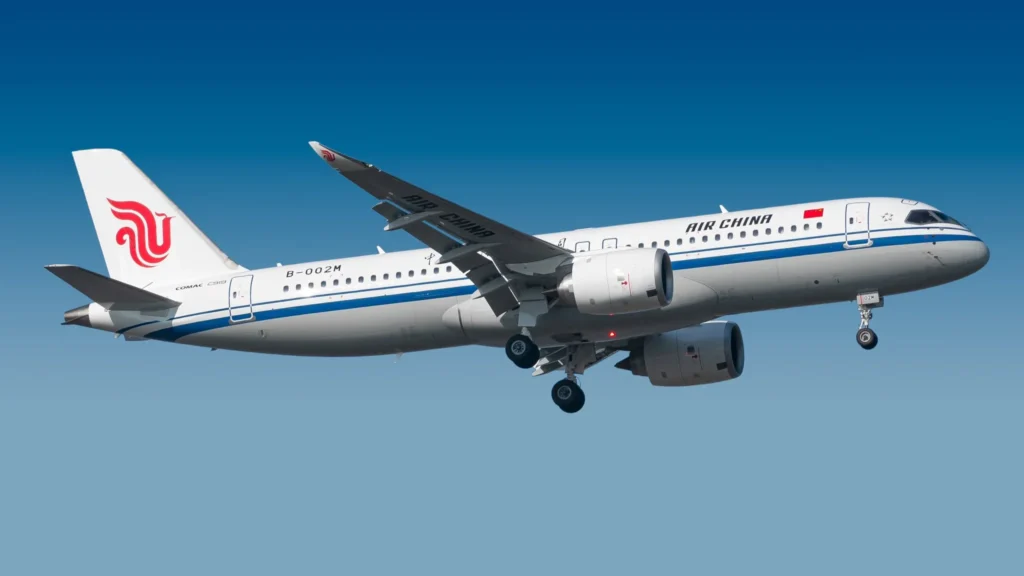
Malaysia Airlines Considers Chinese Jets
Malaysia Airlines is evaluating aircraft from Commercial Aircraft Corporation of China (COMAC), including the C919 and, in the future, the C929.
The C919 has been operational since May 2023, with China Eastern Airlines reporting over 15,200 commercial flights and transporting more than 2.1 million passengers with average seat occupancy above 85 percent.
While the smaller C909 is considered too limited in capacity for Malaysia Airlines’ needs, the C919 presents a viable option once international certification hurdles are cleared.
The C929 may also become a strategic choice as the airline’s larger aircraft age over the next decade. The airline is carefully monitoring COMAC’s progress to ensure any potential acquisition aligns with its operational and regulatory standards.

Malaysia’s Long-Term Ambitions
Malaysia Aviation Group aims to rank among the top 10 airlines globally by 2030 and within the top five in the Asia-Pacific region. The group’s leadership stresses that quality of service, rather than airline size, will define success.
By leveraging China’s expanding economy and increasing connectivity, Malaysia Airlines hopes to strengthen its international footprint while contributing to China’s aviation growth story, reported People’s Daily Online.
The airline continues to expand its network and explore partnerships to support these goals. With a clear strategy targeting Chinese cities and evaluating new aircraft, Malaysia Airlines is positioning itself as a strong competitor in the Asia-Pacific aviation market.
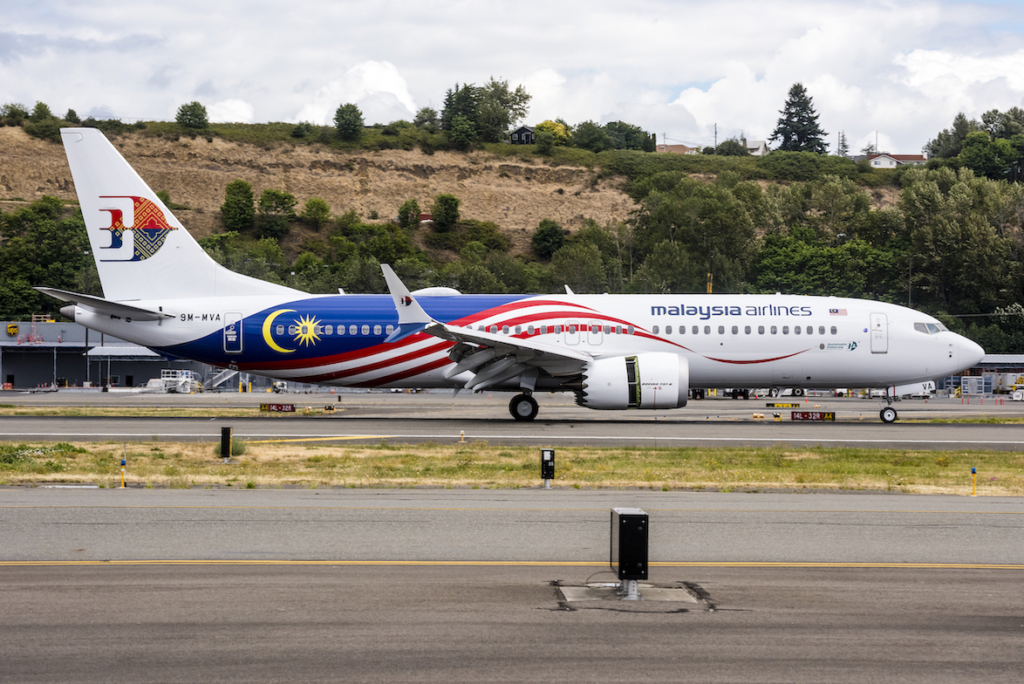
Bottom Line
Malaysia Airlines is actively targeting growth in China by increasing flights, exploring Chinese-made aircraft, and aligning with economic trends.
Strategic focus on Chengdu, Shenzhen, and future COMAC aircraft acquisition could significantly strengthen its international presence, supporting the airline’s ambition to enter the global top 10 by 2030.
Stay tuned with us. Further, follow us on social media for the latest updates.
Join us on Telegram Group for the Latest Aviation Updates. Subsequently, follow us on Google News
