

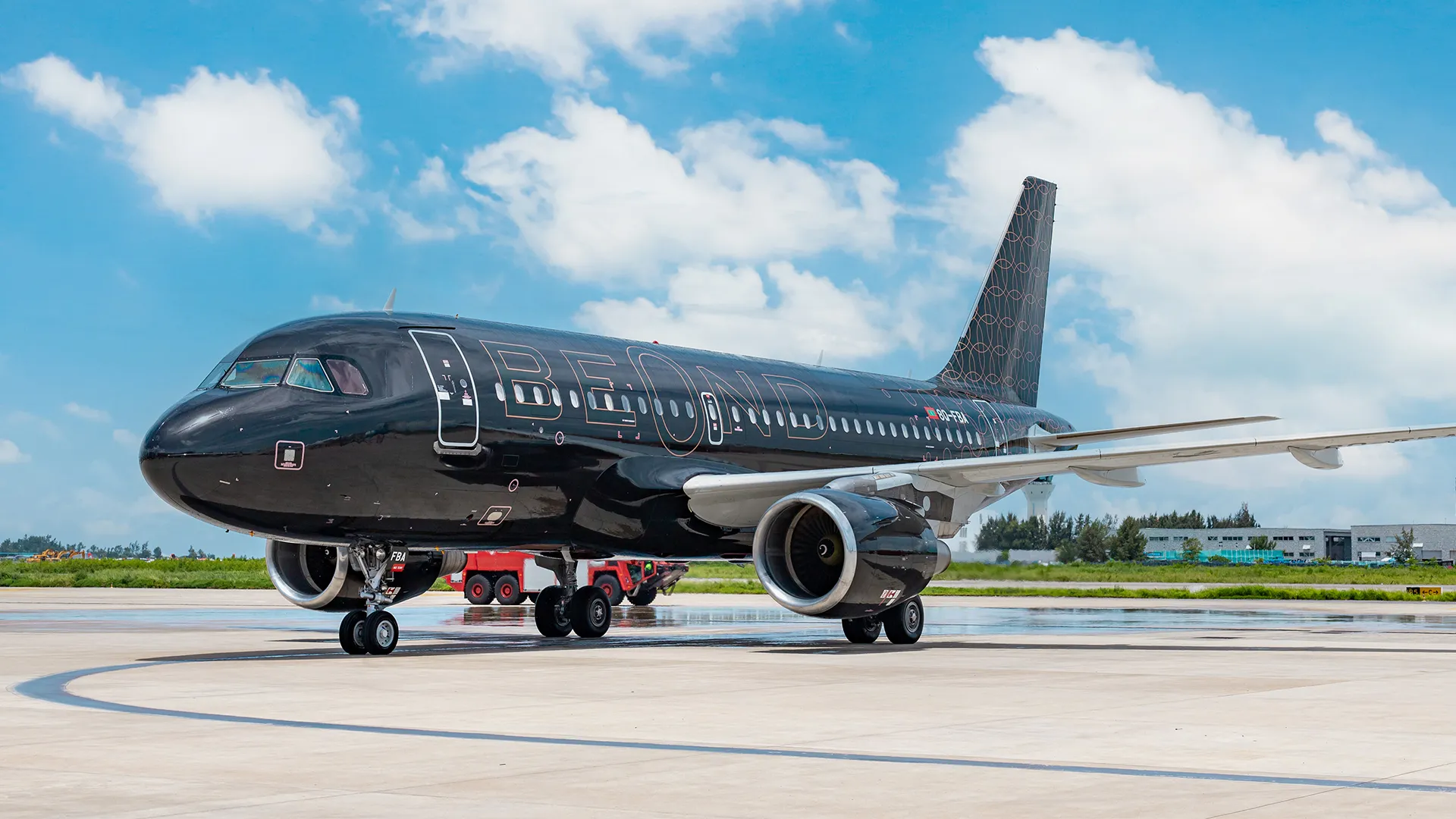
ANCHORAGE- New Pacific Airlines (7H) and BeOnd (B4) plan to enter the US premium leisure market with an all business class model linking Anchorage (ANC), Los Angeles (LAX), New York (JFK), and Male (MLE).
Their collaboration pairs New Pacific’s regulatory authority with BeOnd’s lie flat product to build a niche network in high yield leisure corridors.
Reported by View from the Wing, the concept carries promise but faces immediate regulatory, operational, and commercial challenges.
Both carriers aim to scale beyond the limits of their individual business models by forming BeOnd America.
The joint platform seeks to merge New Pacific’s FAA certification and Boeing 757 operations with BeOnd’s Airbus based premium service. Success depends on fleet alignment, DOT approval, aircraft sourcing, and identifying routes that can support a premium only cabin.
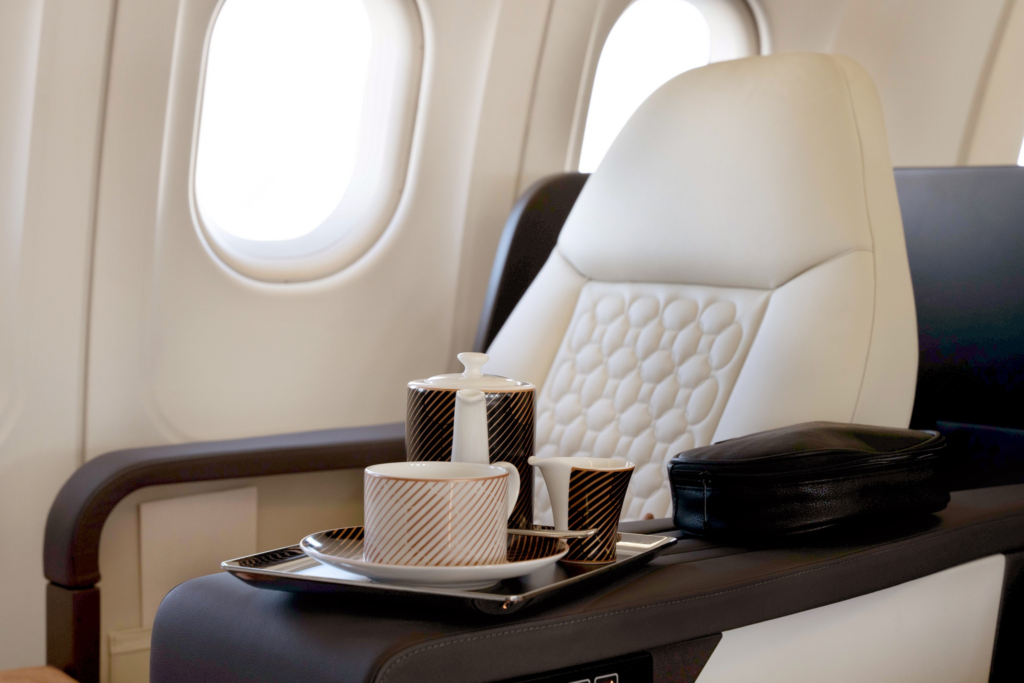
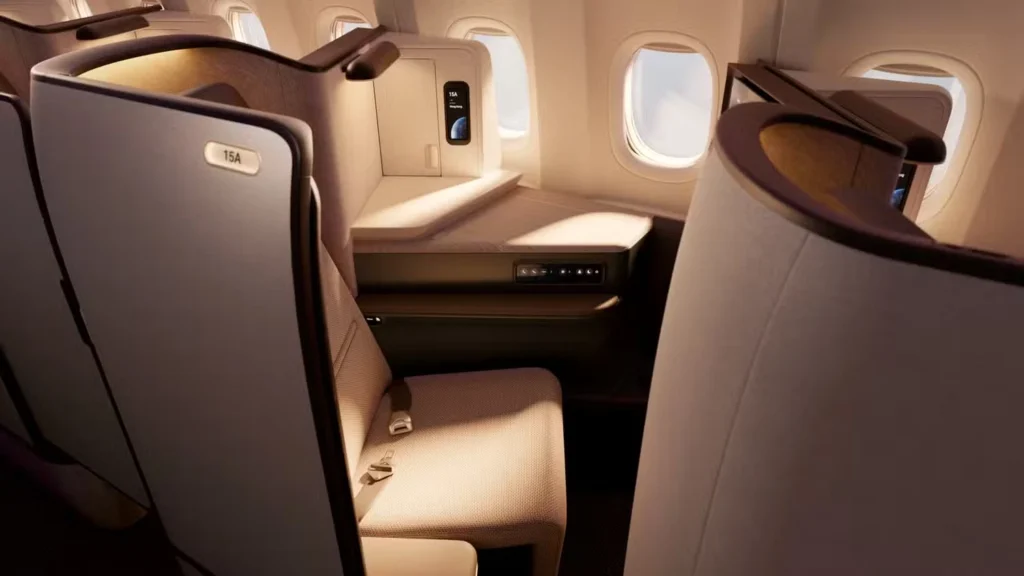
BeOnd New Business Class
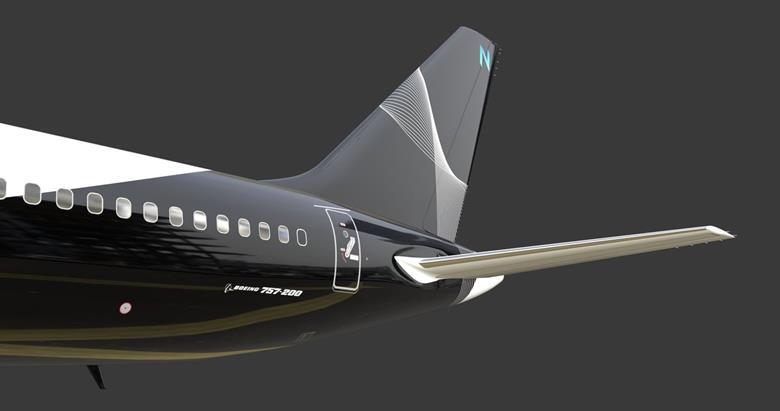
New Pacific Airlines holds an air operator certificate and previously attempted to launch transpacific service with used Boeing 757 aircraft, most of which came from American Airlines.
Northern Pacific, its original brand, intended to connect the US mainland with Asia through Anchorage, but Russia’s overflight restrictions made this plan unworkable.
The carrier then rebranded as New Pacific, explored US to Mexico service, studied a Saipan base, and ultimately operated limited domestic flights before ending scheduled service in April 2024.
During this period, the airline drew criticism for a questionable investment pitch and a frequent flyer plan centered on FlyCoin, a cryptocurrency-style loyalty product.
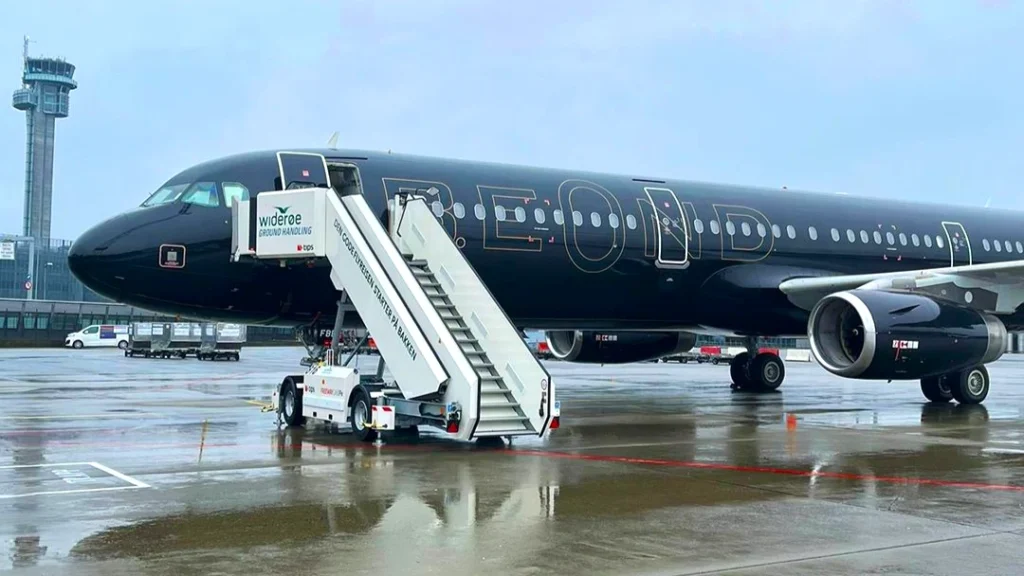
BeOnd, based in the Maldives, operates all business class Airbus A319 aircraft with 44 seats and A321 aircraft with 68 seats.
The carrier faces seasonal demand swings and has struggled with load factors, operational reliability, and scaling its fleet. Its long term ambition is to expand to dozens of aircraft by basing planes outside the Maldives to form counter seasonal revenue hubs.
The new partnership will market flights under the BeOnd brand while New Pacific operates them. The companies plan to coordinate customer experience standards, network design, and aircraft deployment.
Eight aircraft are expected to operate under the BeOnd America platform, subject to regulatory approval.

Legal and Regulatory Barriers
US law requires that domestic flights be flown by US carriers, and foreign ownership in a US airline is limited to 25 percent. BeOnd therefore needs New Pacific to operate flights within the United States.
New Pacific already holds an air operator certificate, but because it ceased scheduled service on April 5, 2024, its interstate scheduled service authority became dormant.
Under DOT rules, a carrier that suspends scheduled flying for a year risks revocation unless it reestablishes fitness and resumes operations.
While no public filing indicates a revocation, New Pacific must still receive DOT approval to restore scheduled service. A key factor in its favor is that regional operator Ravn Alaska, which shares the same certificate, continued flying until August 2025.
Its final scheduled flight, a Valdez to Anchorage leg, helps preserve the viability of the underlying certificate if BeOnd America launches by summer.

Fleets for a Unified All Business Class Product
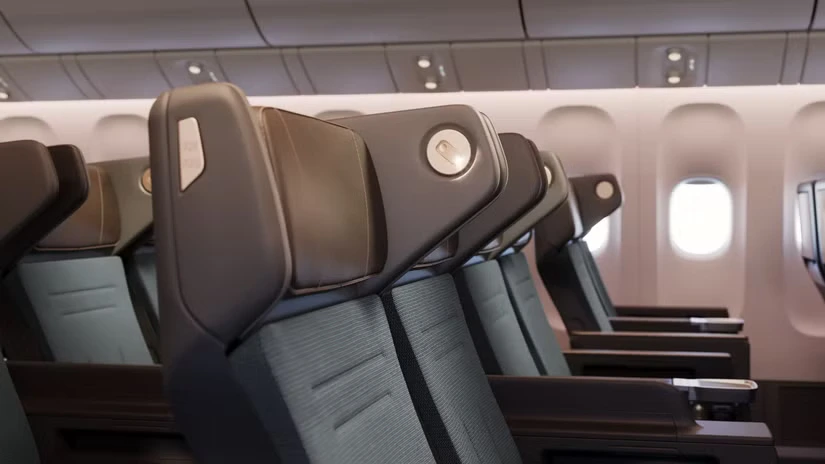
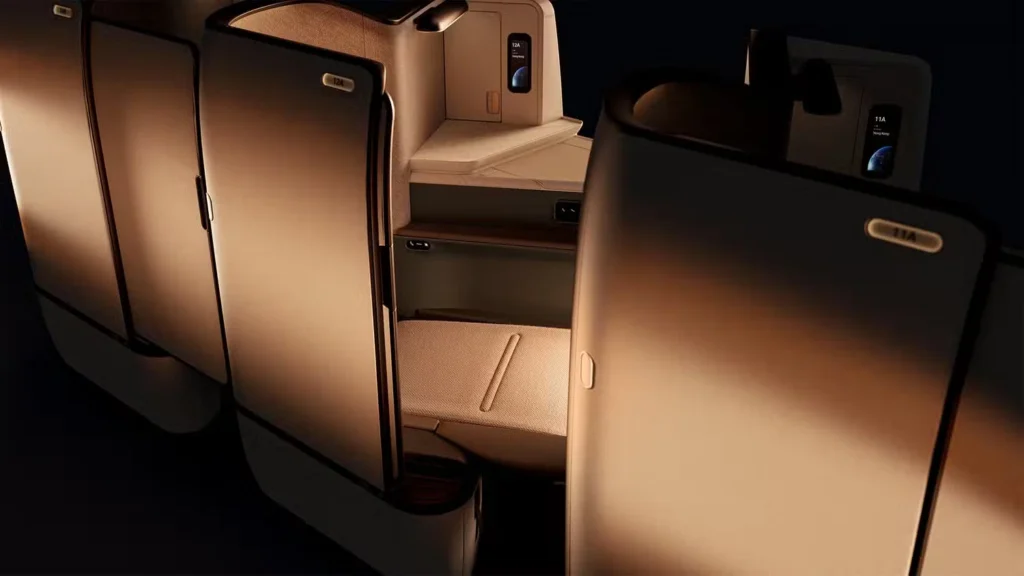
BeOnd’s product includes lie flat seating with minimalist entertainment delivered through tablets. New Pacific’s Boeing 757s currently carry 78 recliner style business seats designed for VIP charters, which do not meet BeOnd’s lie flat requirement. Achieving consistency across eight aircraft requires one of two paths.
The Airbus integration path would add A319 and A321 aircraft to New Pacific’s FAA D085 list. This involves pilot training, mechanic qualifications, revisions to maintenance and operational manuals, minimum equipment lists, and ETOPS approvals for long overwater routes such as Hawaii or Caribbean destinations.
This option aligns with BeOnd’s growth strategy and enables the venture to scale using Airbus narrowbodies likely leased by BeOnd and registered in the United States to New Pacific.
The Boeing retrofit path would convert New Pacific’s remaining 757s to true lie flat seating. This requires capital investment, technical certification, and a shift away from its charter business.
The airline appears to have only three remaining 757 aircraft, which is insufficient to reach the eight aircraft target. As a result, retrofitting is unlikely to meet the partnership’s needs.
Market Opportunities
Premium only models are difficult to sustain because leisure demand fluctuates throughout the year. Nevertheless, several markets offer short seasonal windows of high yield performance.
Northeast cities such as New York (JFK) or Boston (BOS) could support winter routes to Turks and Caicos (PLS), St. Lucia (UVF), Barbados (BGI), and St. Maarten (SXM).
Similar winter peaks exist for New York to Mexico locations, including Cabo (SJD), Puerto Vallarta (PVR), Cancun (CUN), and Cozumel (CZM).
West Coast to Hawaii markets, such as Los Angeles (LAX) or San Francisco (SFO), require ETOPS certification and can deliver strong premium demand, though competition is substantial.
One off event driven flights to major destinations such as Las Vegas (LAS) for CES, Austin (AUS) for Formula 1, and Miami (MIA) for Art Basel could generate high fares but cannot anchor a year-round schedule.
Domestic winter leisure markets like Vail (EGE), Jackson Hole (JAC), or Big Sky via Bozeman (BZN) offer seasonal spikes but may be unsuitable for narrowbody aircraft in premium only layouts.
BeOnd Plans Counter Seasonal Network
BeOnd’s leadership has described the Maldives as the proof of concept and crown jewel for its business model. To manage seasonal gaps, the company aims to create counter seasonal route bases so aircraft remain productive throughout the year.
For example, planes could operate in the Maldives during peak months from November through March and shift to other global markets for the remainder of the year.
BeOnd expects to operate separate air operator certificates for each region supported by dedicated fleets. While such a strategy reduces operational overlap, it increases cost and complexity.
The goal is to remain an all-Airbus carrier to maintain commonality across training, maintenance, and operations.
Why Execution Will Be Challenging
Despite the creative vision behind BeOnd America, long term viability remains uncertain. Premium narrowbody aircraft with 44 to 78 seats carry very high per seat operating costs. Success depends on consistently selling at super premium price points.
Neither carrier has a strong loyalty program, an established customer base, or a competitive frequency advantage.
BeOnd has not met prior growth milestones, and New Pacific has a history of failed network attempts. Combining two carriers with limited track records compounds execution risk.
Sustaining an all business class model in leisure markets requires a constant flow of high yield travelers, which is unlikely outside peak seasons. The carriers may need to rely on opaque discounting through resorts or packaged travel sales to maintain load factors.
Future Outlook
The partnership introduces a bold approach to premium travel in underserved leisure corridors. If regulatory approvals are secured and Airbus aircraft become available, the venture could launch with a consistent product and targeted seasonal routes.
While the concept is innovative and offers a differentiated cabin experience, the operational and financial challenges are significant. Long term success depends on disciplined fleet planning, market selection, and cost control.
Stay tuned with us. Further, follow us on social media for the latest updates.
Join us on Telegram Group for the Latest Aviation Updates. Subsequently, follow us on Google News
