

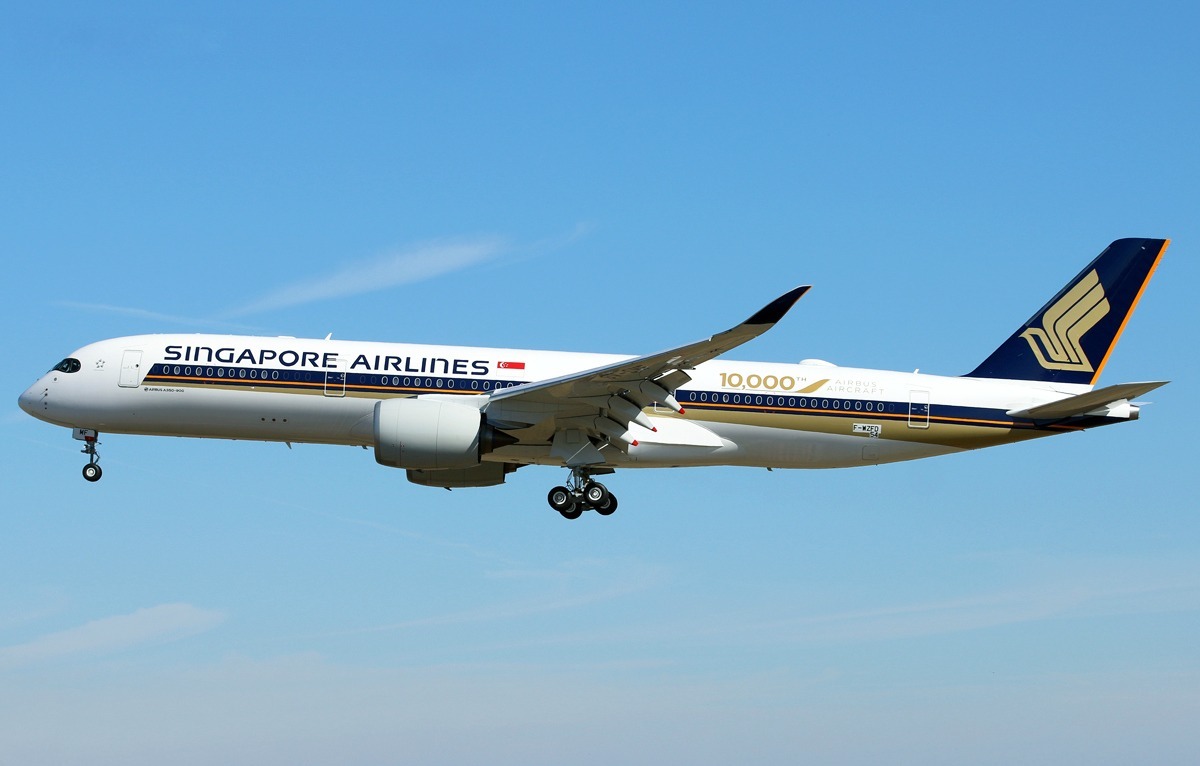
SINGAPORE— World’s best carrier Singapore Airlines (SQ) has confirmed that it will adopt Low Earth Orbit (LEO) satellite connectivity to deliver high-speed, low-latency broadband in-flight Wi-Fi. The carrier announced its half-year trading update, signaling a major upgrade to its digital passenger experience.
The airline said the move will bring gate-to-gate connectivity that rivals home broadband, drastically improving streaming, video calls, and other data-intensive services at 40,000 feet. This upgrade comes as Singapore Airlines joins a growing number of premium carriers investing in next-generation satellite technology.
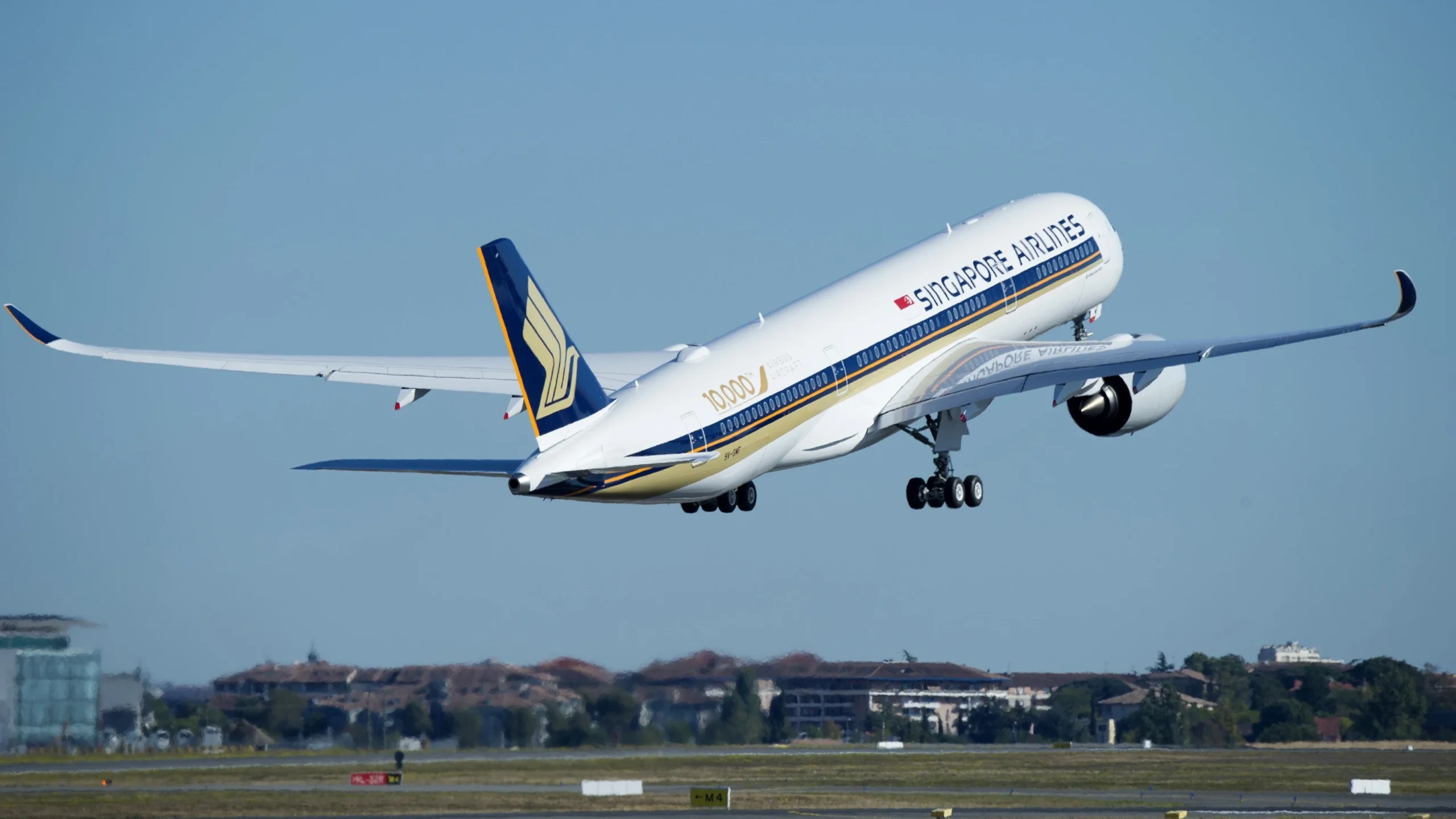
Singapore Airlines Plans LEO Satellite System
LEO satellite systems operate on constellations of satellites orbiting approximately 550 km above Earth, rather than traditional geostationary satellites at around 35,786 km.
This proximity delivers much lower latency — around 25 ms — compared with the several hundred milliseconds typical of older Ku-band or Ka-band links.
By contrast, Singapore Airlines’ current installations deliver speeds of roughly 4–9 Mbps with noticeably higher delay, making modern real-time applications difficult.
Although Singapore Airlines has not officially disclosed its chosen provider, industry insiders widely expect it to be Starlink.
The company already supports major carriers such as Qatar Airways (QR) and United Airlines (UA), thanks to its proven global LEO constellation. Starlink’s systems offer speeds over ten times faster than traditional in-flight connectivity, and this performance has been validated by real-world tests on other airlines.

SIA Rollout Plan
Singapore Airlines has not yet specified which aircraft will receive the new LEO equipment first. However, analysts anticipate that its Airbus A350-900 long-haul and ULR (Ultra Long Range) jets may be prioritized from the second quarter of 2026.
New Boeing 777-9 aircraft, slated for delivery from 2027, are also expected to feature factory-fresh LEO installations, assuming delivery timelines remain on schedule, reports Mainly Miles.
One of the most encouraging details comes from benchmark carriers like Qatar Airways: Starlink installations can take as little as two days per aircraft during routine maintenance checks.
If Singapore Airlines follows a similar model, it could retrofit a significant portion of its existing fleet relatively quickly, reducing passenger disruption while accelerating full deployment.
Passenger Experience Gains
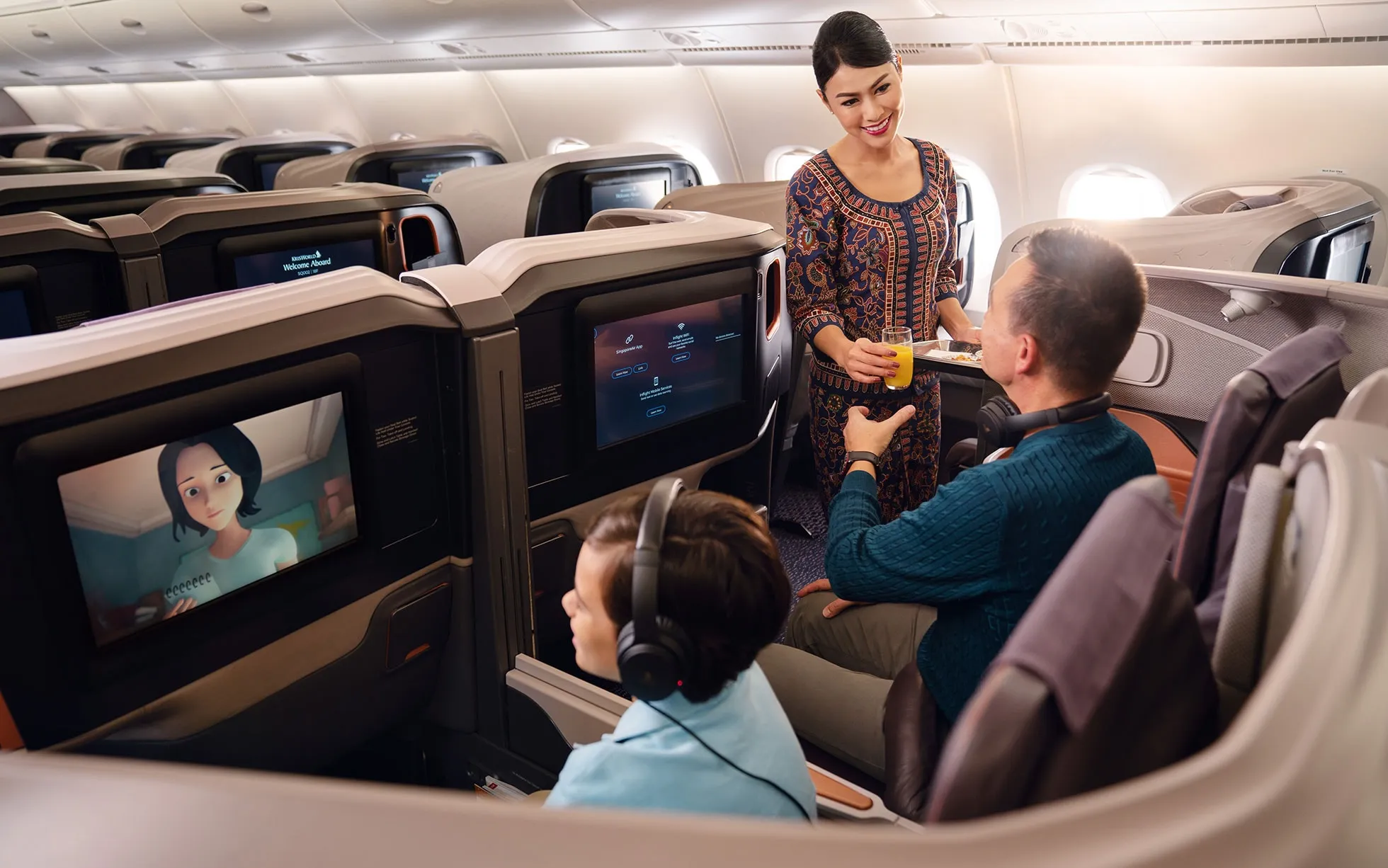
Once LEO Wi-Fi is live, Singapore Airlines customers can expect a dramatic improvement in connectivity.
Passengers will likely enjoy broadband-level speeds, seamless streaming of HD content, and reliable video conferencing on platforms such as Zoom, Microsoft Teams, or FaceTime. Gate-to-gate coverage means there will be no waiting for cruise altitude to get airborne internet access.
By embracing LEO, Singapore Airlines is keeping pace with other premium airlines that have already committed to next-generation satellite Wi-Fi.
This move strengthens its position in the ultra-competitive long-haul market, especially on routes out of Singapore Changi Airport (SIN) and other hubs. It also signals Singapore Airlines’ willingness to invest aggressively in passenger comfort and digital innovation.

Bottom Line
Singapore Airlines’ decision to adopt LEO satellite Wi-Fi marks a pivotal step in modernising its in-flight connectivity.
With the anticipated rollout beginning in 2026 and high-speed, low-latency service incoming, passengers can look forward to a dramatically enhanced onboard internet experience that rivals what they enjoy on the ground.
Stay tuned with us. Further, follow us on social media for the latest updates.
Join us on Telegram Group for the Latest Aviation Updates. Subsequently, follow us on Google News
