

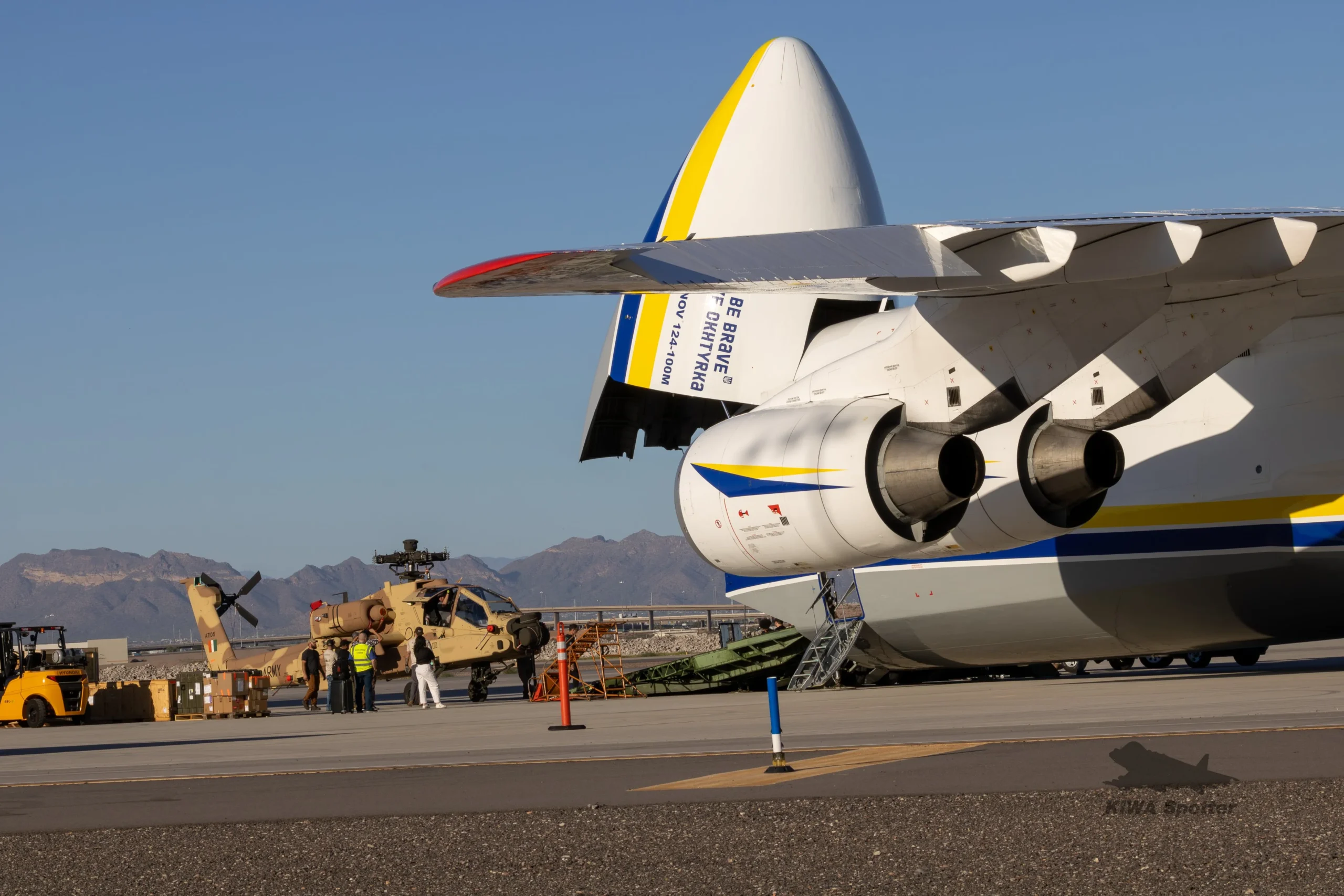
MESA— The delivery of three Boeing AH-64E Apache Guardian attack helicopters to the Indian Army took an unexpected turn when the Antonov Airlines An-124 cargo jet (ADB) carrying them from the United States to India returned to Arizona with the helicopters still onboard.
After a scheduled stop at East Midlands Airport (EMA) in the United Kingdom, the An-124 reversed course and flew back to Phoenix–Mesa Gateway Airport (IWA). Boeing later confirmed that “logistical issues” had interrupted the delivery, though specific details remain undisclosed.
Apache AH-64E Helicopters Delivery Delays
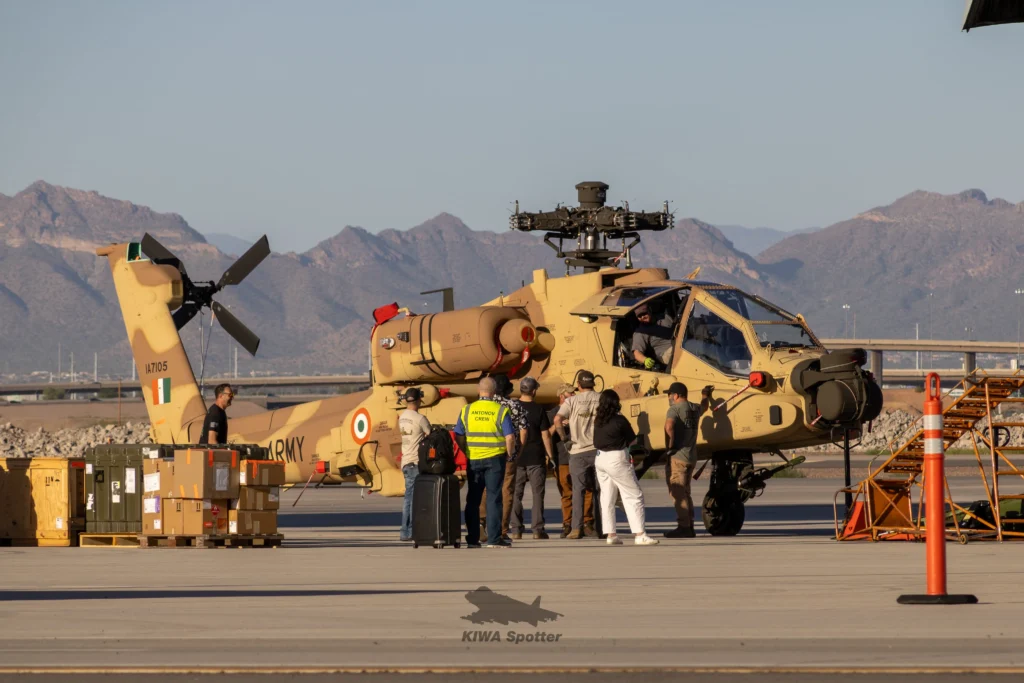
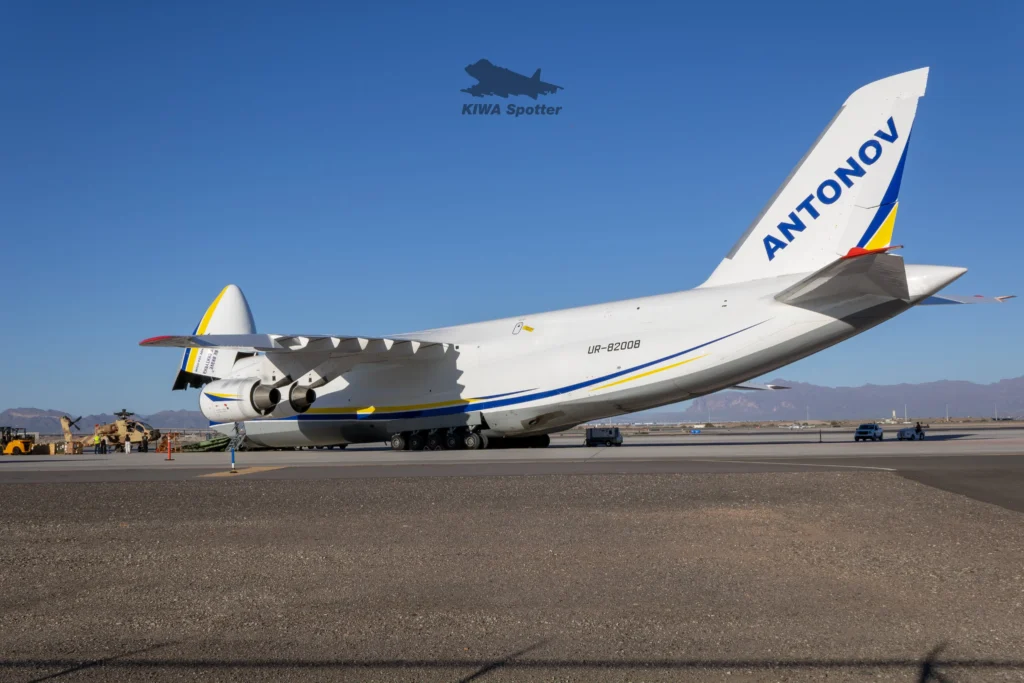
The Antonov An-124, registered UR-82008, departed Mesa following the loading of the three AH-64Es—already painted in Indian Army desert camouflage—on November 1.
The aircraft reached East Midlands Airport in England, where it remained grounded for eight days. Instead of proceeding to India, it unexpectedly returned across the Atlantic, landing back in Arizona on November 8.
Observers at Mesa captured images of the Apaches being unloaded with their rotors removed, signaling an indefinite delay in their transfer. One of the helicopters, identified by serial number IA-7105, was among those slated for delivery to India as part of a six-aircraft contract.
The cause of the turnaround remains uncertain. Boeing told TWZ that it is working with U.S. authorities and the Indian Army to resolve “external logistical issues” and complete delivery “as expeditiously as possible.”
India’s Apache Acquisition Program
The Indian Army’s order of six AH-64E Apache Guardians followed a $796 million agreement signed in February 2020 during U.S. President Donald Trump’s visit to New Delhi. The first batch of three helicopters was delivered in July 2024 via Air Force Station Hindon (VIDX) aboard an earlier Antonov flight.
At the time, India’s Defense Minister Rajnath Singh emphasized that the Apaches would significantly enhance the Army Aviation Corps’ operational capabilities, especially in high-altitude and desert terrains.
The first three are currently deployed at the Indian Army Aviation Training School in Nashik, Maharashtra, for pilot conversion and training. Eventually, all six helicopters are expected to be stationed at Nagtalao Army Aviation Base near Jodhpur.
Growing U.S.-India Defense Ties
This delay occurs amid a broader phase of growing defense cooperation between Washington and New Delhi. India has already inducted U.S.-made C-130J Hercules transport aircraft, CH-47F Chinook heavy-lift helicopters, and P-8I Neptune maritime patrol aircraft.
However, recent strains in diplomatic relations have created uncertainty. Trade disputes, tariffs, and differing positions on energy imports have tested the partnership, even as both nations pursue strategic defense collaboration to counter regional threats from China and Pakistan.
The Road Ahead for the Apache Deal
Boeing maintains that it will complete the Apache delivery in coordination with the U.S. government and the Indian Army. While “logistical issues” can refer to anything from customs to transport permissions, the lack of clarity around the incident has sparked curiosity among aviation watchers.
What remains clear is India’s continued commitment to expanding its attack helicopter fleet to strengthen its frontline capabilities in contested border regions. The Indian Army now awaits the arrival of the remaining Apaches to complete its fleet and advance its modernization goals.
Apache AH-64: World’s Most Dangerous Helicopter
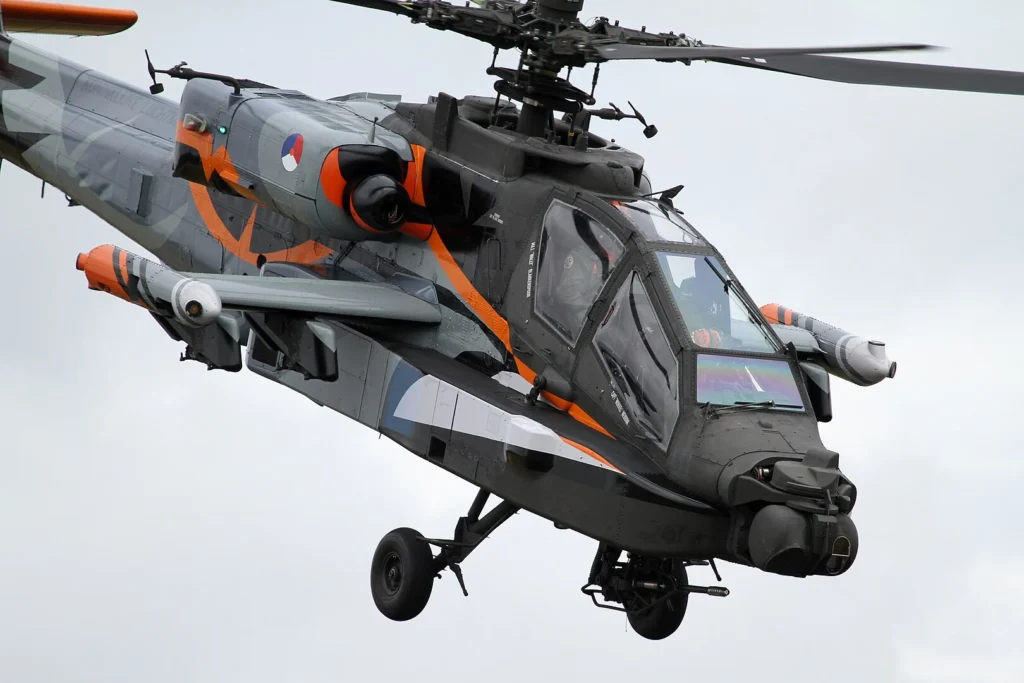
The Boeing AH-64 Apache remains the world’s most proven attack helicopter, serving as a critical force multiplier for the U.S. Army and allied defense forces.
Operating from key bases including Fort Liberty (FAY), the Apache fleet has accumulated over five million flight hours, including 1.3 million in combat—establishing it as the most battle-tested and reliable helicopter in modern military aviation.
Evolution of the Apache: From AH-64A to AH-64E
Since its first delivery in 1984, the AH-64 Apache has continuously evolved to meet the needs of modern warfare. With over 1,280 aircraft currently in service worldwide, the platform has been upgraded from the original AH-64A to the advanced AH-64E.
The latest variant, the AH-64E Version 6 (v6), incorporates major enhancements in sensors, weapons performance, and software integration.
The Apache’s modular design and open systems architecture (MOSA) enable rapid adaptation to emerging threats. Built for interoperability within the U.S. Army’s Multi-Domain Operations (MDO) framework, the AH-64E delivers unmatched agility, range, and survivability across complex, contested environments.
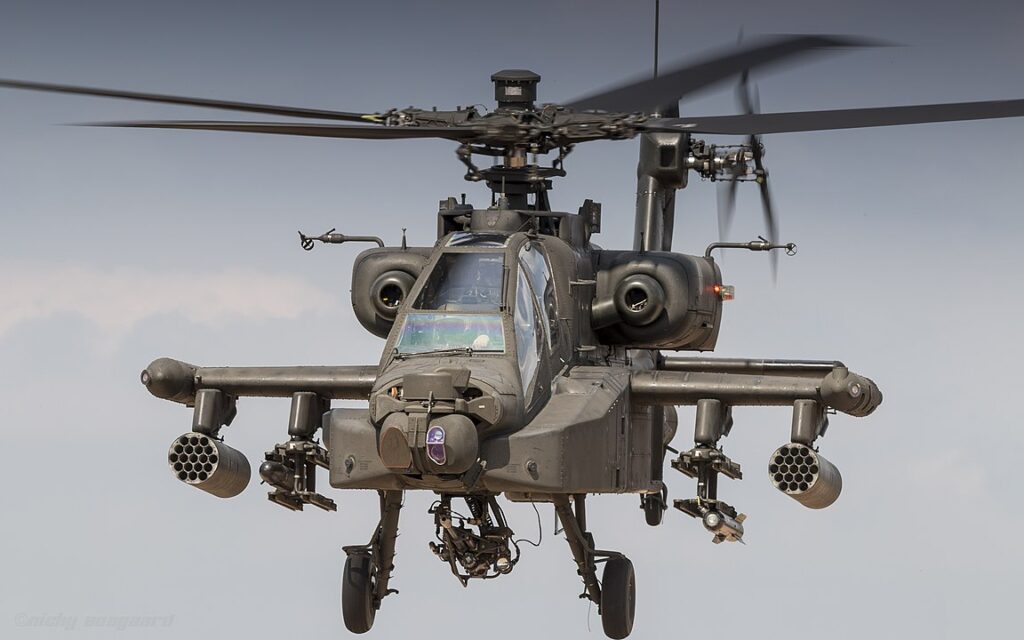
Multi-Domain Dominance
The AH-64E v6 is designed for the modern battlefield. Its network-centric systems allow real-time data sharing with other aircraft, ground forces, and unmanned systems.
The helicopter’s ability to operate collaboratively—controlling UAVs and integrating with joint assets—makes it a key asset in combined operations.
Equipped with long-range standoff weapons and advanced sensors, the Apache maintains lethality while minimizing exposure. Its T700-GE-701D engines, new composite rotor blades, and upgraded transmissions provide greater power, speed, and endurance.
The Modernized Apache: Built for the Future
Boeing’s Modernized Apache program builds on the proven AH-64E platform to deliver enhanced range, payload, and survivability. Leveraging active production lines and established support networks, Boeing ensures a low-risk and cost-efficient path to modernization for global customers.
The Modular Open Systems Architecture further enhances flexibility, allowing seamless integration of new technologies, weapons, and mission systems—ensuring the Apache remains ahead of evolving threats through the 2060s.
Sustaining Global Operations
Boeing’s commitment extends beyond production to lifecycle support and sustainment. The company offers performance-based logistics, training, and maintenance solutions tailored to each operator’s needs.
Facilities such as the Boeing–Tata Advanced Systems joint venture in Hyderabad (HYD) produce Apache fuselages for global customers, reflecting Boeing’s focus on collaboration and in-country partnerships. This global network supports readiness while reducing total ownership costs for operators worldwide.
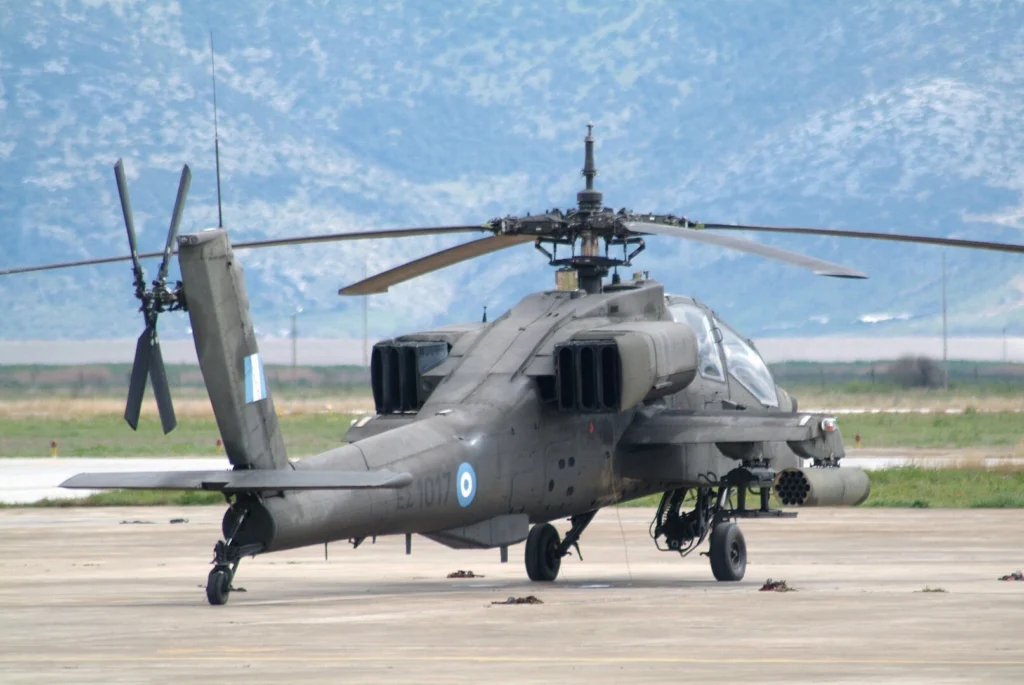
Worldwide Apache Fleet
Since 1984, Boeing has delivered over 2,700 Apaches to the U.S. Army and international customers, including India, Israel, Japan, South Korea, Saudi Arabia, the United Kingdom, and others. More than 730 AH-64E Apaches have been delivered globally as of April 2023, with production continuing through at least 2028.
AH-64E Apache Technical Specifications
- Crew: 2
- Length: 48.16 ft (14.68 m)
- Height: 15.49 ft (4.72 m)
- Rotor Diameter: 48 ft (14.63 m)
- Primary Mission Gross Weight: 15,075 lb (6,838 kg)
- Maximum Operating Weight: 23,000 lb (10,432 kg)
- Maximum Climb Rate: 2,800+ ft/min (853+ m/min)
- Max Speed: 150+ knots (279+ kph)
- Service Ceiling: 20,000 ft (6,096 m)
- Ordnance: 16 Hellfire missiles, 76 rockets, 1,200 30mm rounds
- Rate of Fire: 600–650 rounds/min
Stay tuned with us. Further, follow us on social media for the latest updates.
Join us on Telegram Group for the Latest Aviation Updates. Subsequently, follow us on Google News
