

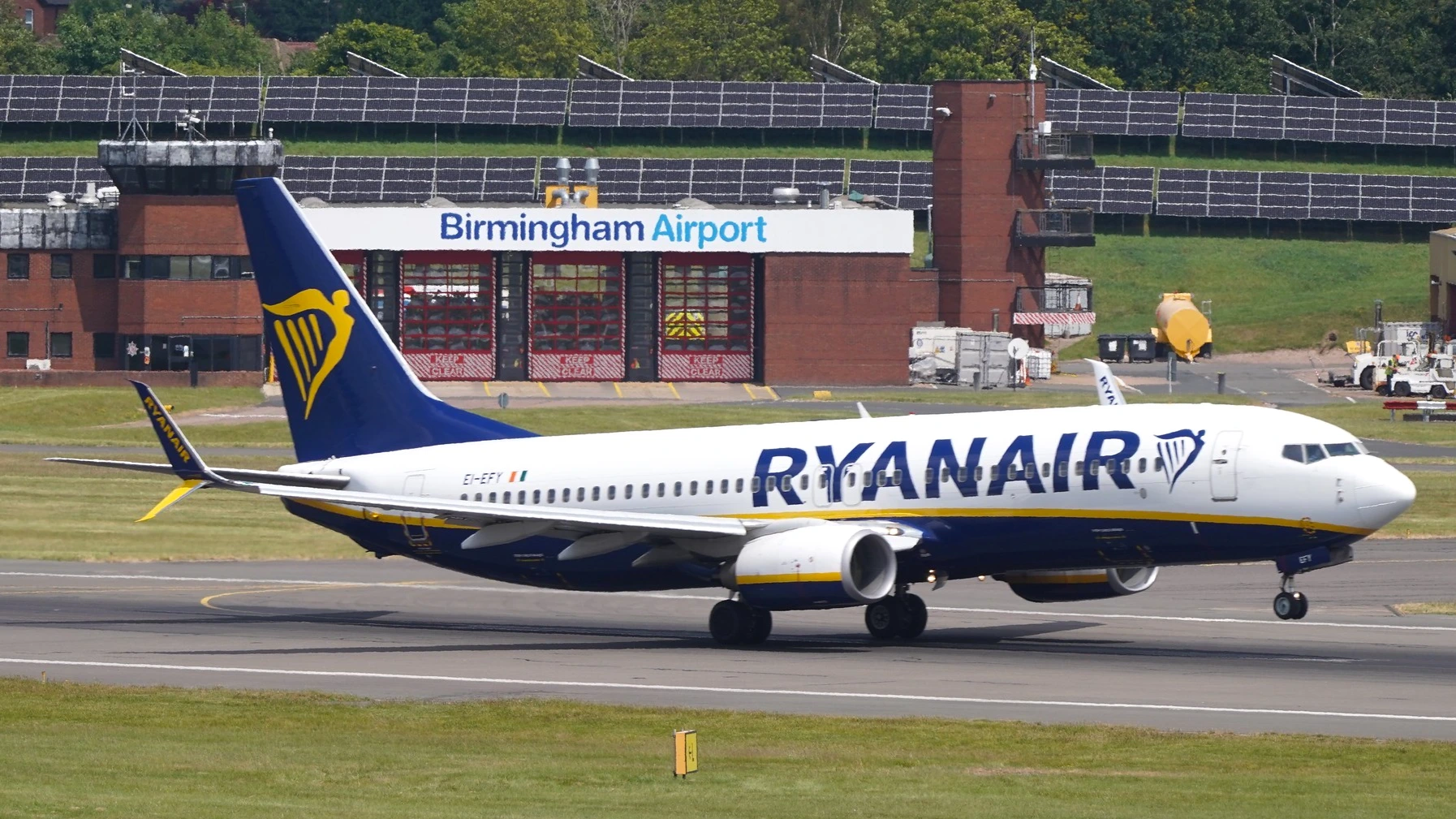
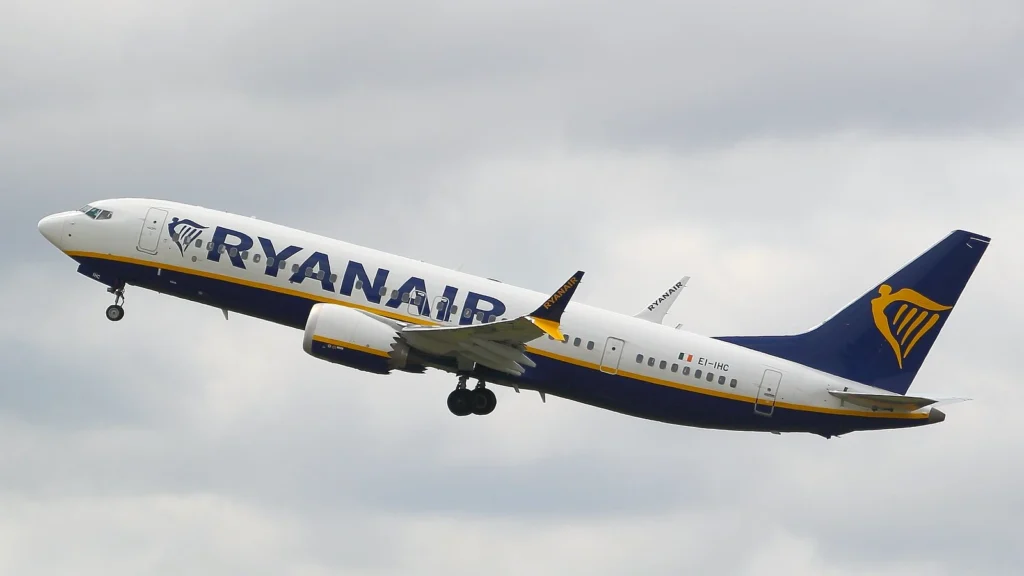
DUBLIN– Europe’s largest LCC, Ryanair (FR), CEO Michael O’Leary has intensified his criticism of Austria’s aviation policies, calling Chancellor Christian Stocker “lazy” amid a dispute over the country’s flight taxes.
The confrontation escalated after Ryanair cut back operations at Vienna International Airport (VIE), citing high airport access costs and what O’Leary called Austria’s “harmful” aviation tax. The €12-per-passenger levy, among Europe’s highest, has already prompted several low-cost carriers to reconsider their Austrian operations.
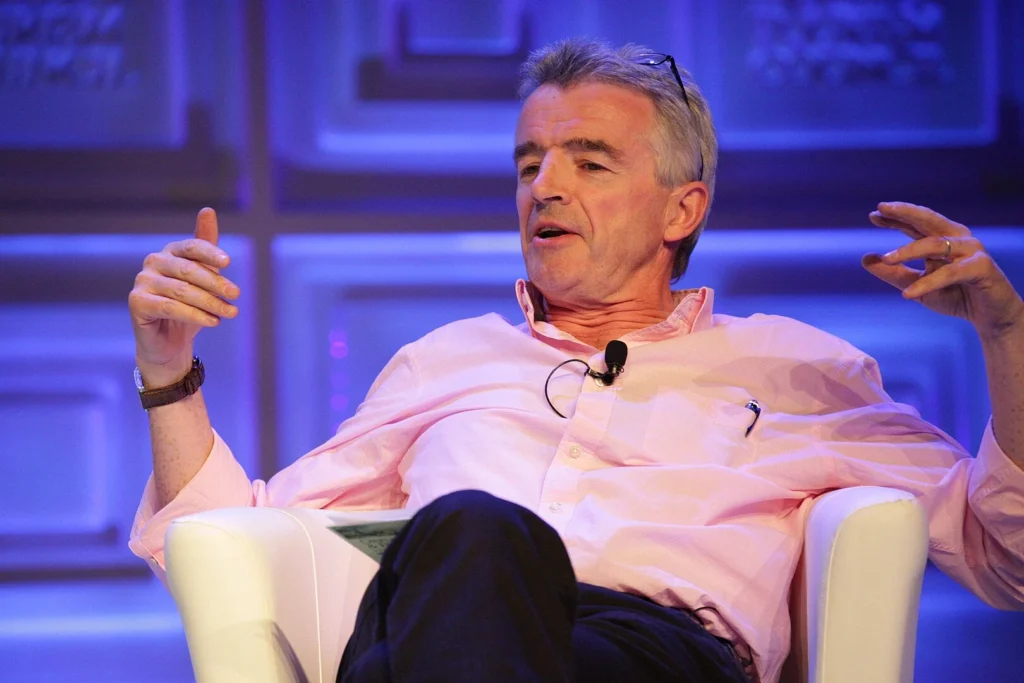
Ryanair CEO Criticizes Austria
Tensions began in September when Ryanair reduced its presence at Vienna International Airport (VIE), a move it attributed to excessive airport fees and Austria’s aviation tax, introduced in 2010 and increased in 2020.
The €12 tax per passenger ranks as the third-highest in Europe, according to Ryanair, significantly impacting budget airlines’ competitiveness.
O’Leary revealed that Ryanair had presented an investment plan worth €1 billion to the Austrian government, which included basing ten additional Boeing 737 aircraft in Vienna and creating over 500 jobs. However, he said the proposal received little attention from Chancellor Stocker and Infrastructure Minister Peter Hanke.
At the meeting, O’Leary claimed, Stocker described Ryanair’s plan as “interesting” and promised a response by the end of September — one that never came. Hanke, meanwhile, was accused of avoiding further discussions despite earlier commitments to engage, BrusselsSignal reported.
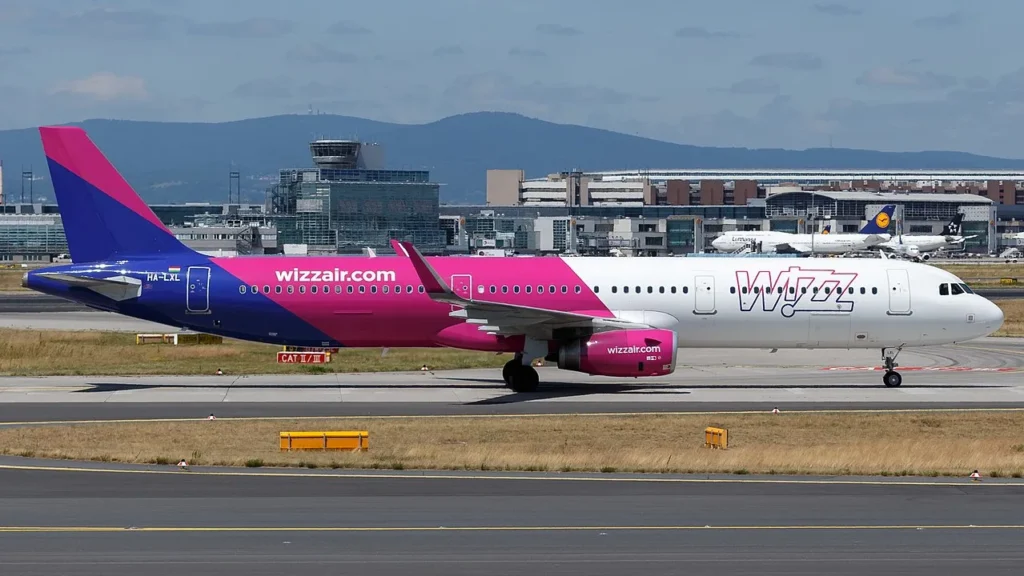
Impact on Austria’s LCC Market
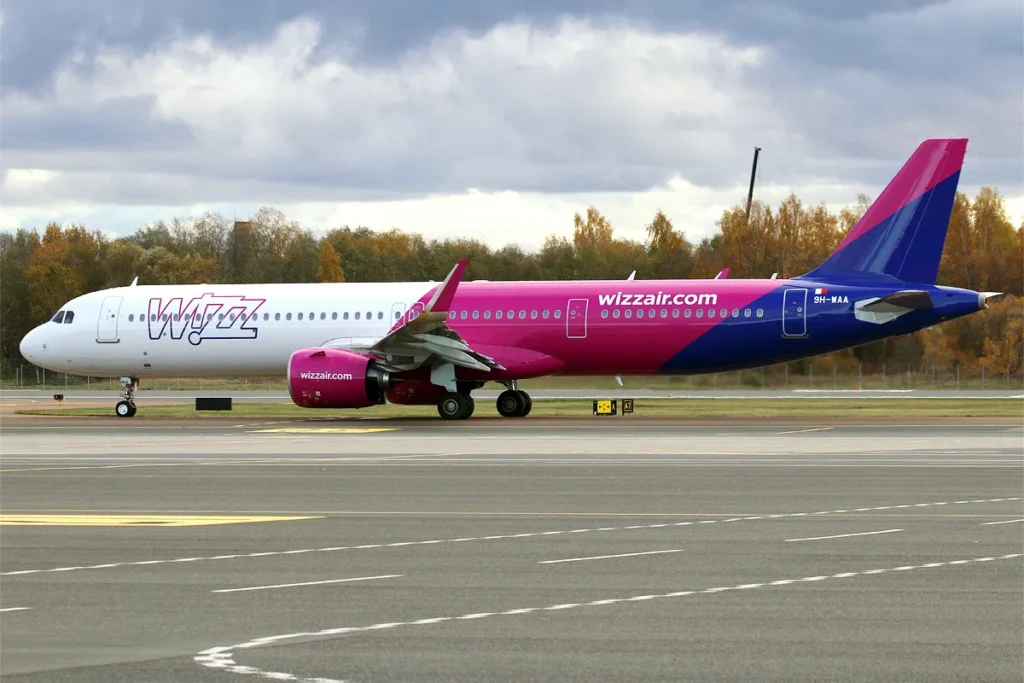
Ryanair’s concerns echo those of Wizz Air (W6), which recently announced plans to close its Vienna base by 2026, relocating aircraft and staff to more cost-effective hubs.
Both carriers argue that Austria’s aviation tax undermines growth, discourages investment, and drives traffic to nearby airports such as Bratislava (BTS), where fees are considerably lower.
“The planes will land where they are more profitable,” O’Leary said, hinting that Bratislava and other Central European airports could absorb traffic lost from Vienna.
The Austrian government, however, has shown no sign of revising the policy. Hanke’s ministry confirmed that the current tax would remain unchanged through 2025 and 2026, stating that airport access costs follow EU regulations and cannot be unilaterally altered.
Background: How Austria’s Aviation Tax Evolved
Austria’s air passenger tax was first introduced in 2010 under a coalition of the Social Democrats (SPÖ) and the Austrian People’s Party (ÖVP).
Initially set at €7 per passenger on most European routes, the levy was later increased in 2020 to €12 for flights within Europe and €30 for short-distance flights under 350 km.
In 2024 alone, the tax generated approximately €170 million in government revenue, reflecting its fiscal importance despite growing opposition from airlines.
Political Reactions
O’Leary’s outspoken remarks have drawn attention in Austria, where corporate leaders seldom criticize public officials directly.
In response, Minister Hanke accused the Ryanair CEO of “confusing blackmail with negotiations” and maintained that discussions on the tax policy were never formally reopened.
Chancellor Stocker’s office declined to comment on the controversy. Aviation analysts suggest that unless Austria revises its aviation tax, it risks losing traffic to neighboring countries with more favorable fee structures — particularly Slovakia and Hungary.
Stay tuned with us. Further, follow us on social media for the latest updates.
Join us on Telegram Group for the Latest Aviation Updates. Subsequently, follow us on Google News
