

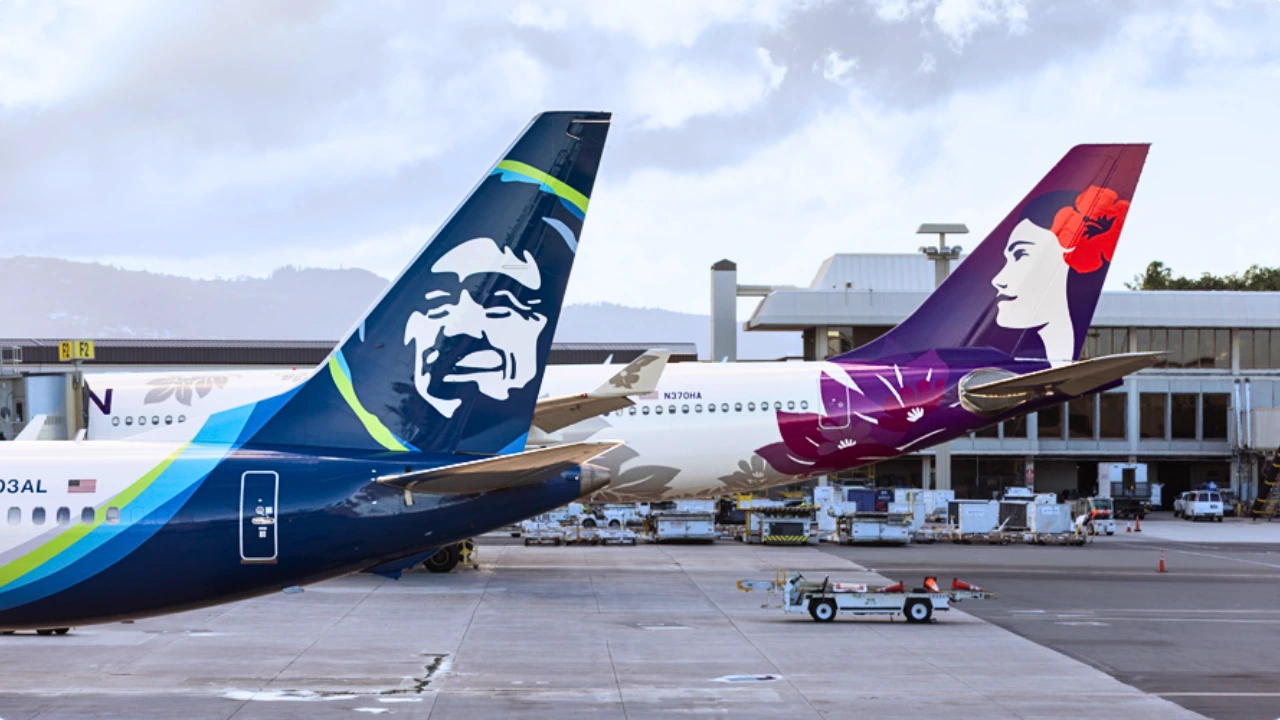
SEATTLE- Alaska Airlines (AS) is reshaping its identity from a West Coast staple into a globally recognized carrier. With its base at Seattle-Tacoma International Airport (SEA), the airline’s network growth, new aircraft, and the Atmos Rewards program mark the next stage in its transformation.
Following its merger with Hawaiian Airlines (HA) and a series of bold hub expansions at San Diego International Airport (SAN) and Portland International Airport (PDX), Alaska is preparing for new transatlantic routes and its first twin-aisle aircraft debut in 2026.
Alaska Airlines Global Expansion
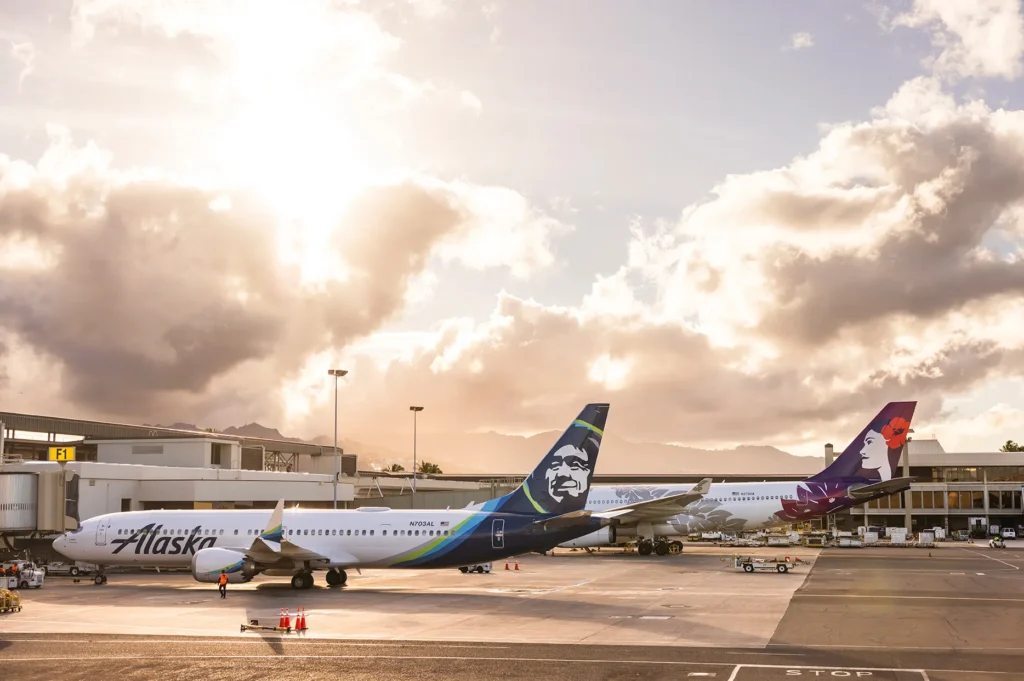
The past year has redefined Alaska Airlines’ growth strategy. After acquiring Hawaiian Airlines, the Seattle-based group launched the unified Atmos Rewards loyalty program and a premium cobranded credit card, signaling a shift toward a more global brand identity.
The carrier’s first Asia routes from Seattle (SEA) opened new markets, while its merger with Hawaiian integrated operations across the Pacific.
Upcoming flights to London, Rome, and Iceland in 2026 will further position Alaska as a serious contender among international airlines. These routes will also mark the debut of Alaska-branded widebody aircraft, a first for the airline.
According to Alaska Air Group’s leadership, this expansion isn’t just about destinations. It’s about connecting passengers from across the U.S. to global markets through efficient hubs like Seattle (SEA), San Diego (SAN), and Portland (PDX), TPG reported.
San Diego and Portland: The New Power Hubs
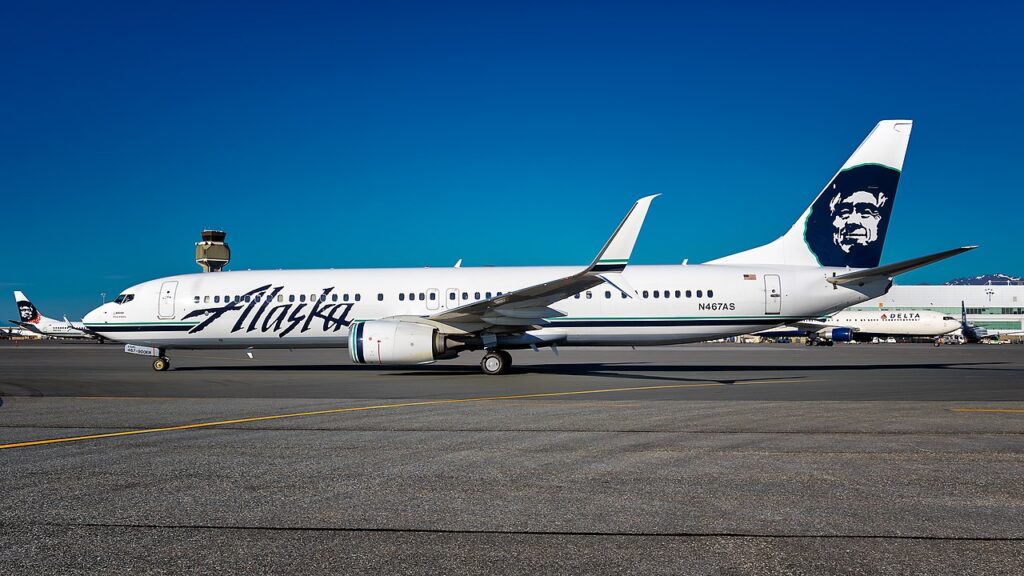
Alaska’s latest network reshuffle has made its strategic focus clear. The airline added 13 new routes while cutting seven, prioritizing key markets in San Diego (SAN) and Portland (PDX).
In the first half of 2026, Alaska’s departures from San Diego are projected to rise 50% year-over-year, according to data from Cirium. Portland flights will grow by 14%.
For Portland, the goal is to evolve from a regional gateway to a true connecting hub, offering more one-stop itineraries across the U.S. and beyond. In San Diego, strong performance from the Atmos Rewards program and credit card enrollments has proven the market’s loyalty and profitability.
As Alaska’s Vice President of Revenue Management and Network Planning, Kirsten Amrine noted, increased capacity in both hubs has shown immediate results. The airline sees both cities as essential to its strategy of building nationwide brand strength.
Beyond the West Coast
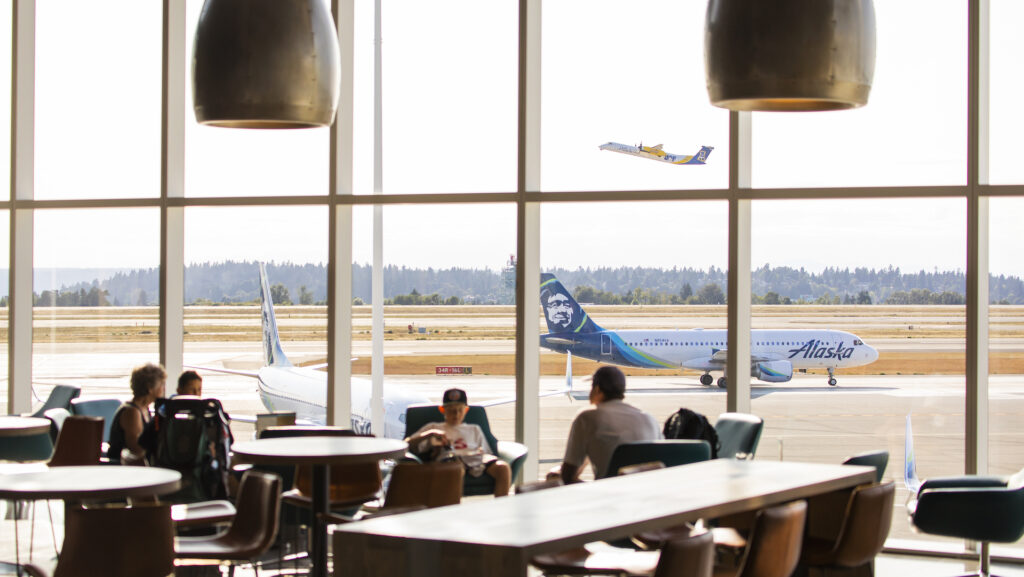
Alaska Airlines is expanding its appeal beyond its traditional footprint. Passengers from cities like Raleigh (RDU), Tampa (TPA), and Pittsburgh (PIT) can now reach Asia via Seattle with a single stop—on Alaska’s own aircraft.
This broader reach has helped reposition the airline as a national carrier with international ambitions.
Alaska’s reputation for competitive award redemptions through Atmos Rewards continues to attract loyalty from travelers across the U.S., including those who typically fly with other airlines.
Seattle Showdown: Alaska vs. Delta
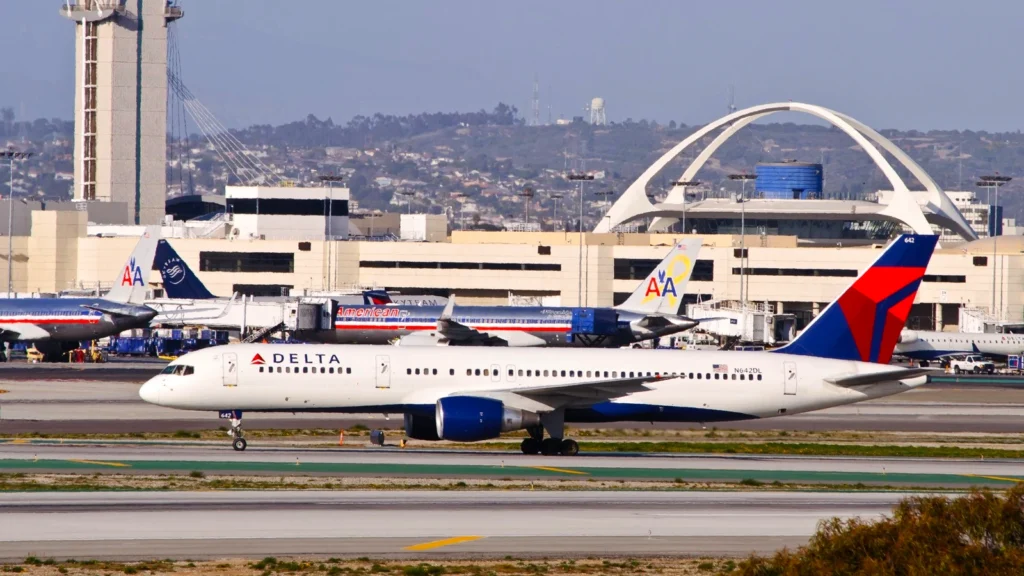
The airline’s home base in Seattle (SEA) remains a competitive battleground. Delta Air Lines (DL) quickly countered Alaska’s announcement of new flights to Rome with its own European expansion from SEA.
Alaska, however, sees its “hometown carrier” advantage as a long-term strength. With new international offerings and an expanding fleet, it expects to recapture travel demand once dominated by Delta.
The competition extends beyond routes, as Delta recently opened its premium Delta One Lounge and upgraded the Sky Club at SEA, intensifying the rivalry.
Integrating Hawaiian Airlines into a Unified Vision
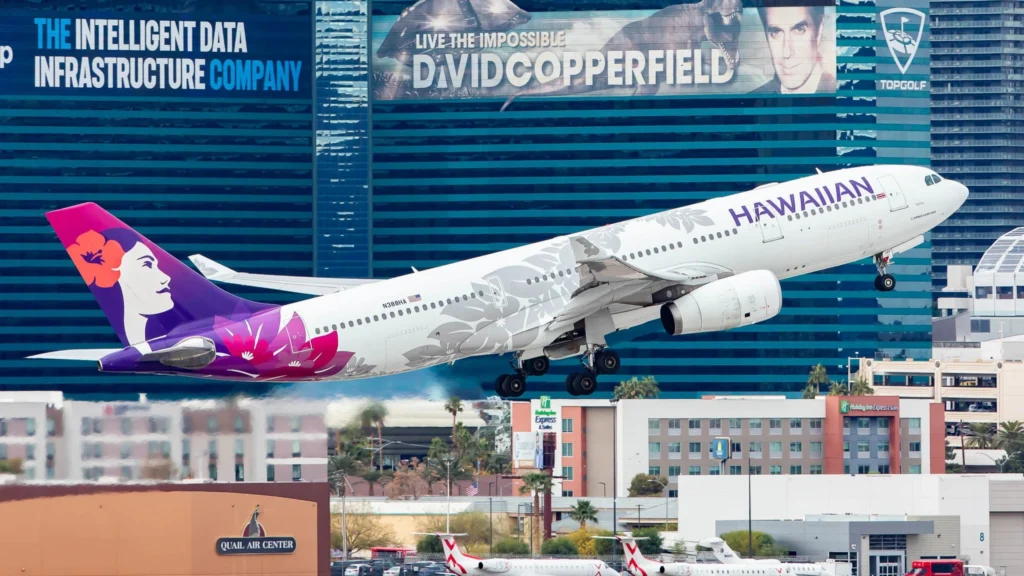
The merger with Hawaiian Airlines (HA) has become a cornerstone of Alaska’s global plan. While Hawaiian will retain its brand identity, both carriers are increasingly intertwined operationally.
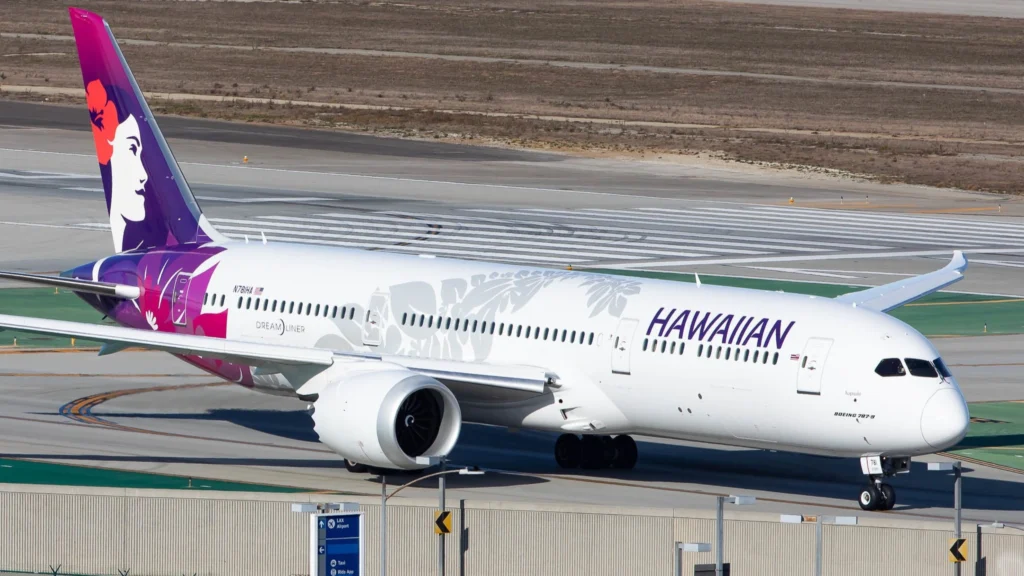
By 2026, Hawaiian’s Boeing 787 Dreamliners will fly under the Alaska brand, featuring a new global livery. Alaska will also assume direct operation of the Asia routes currently flown by Hawaiian. Meanwhile, Hawaiian’s Airbus A330s will receive cabin upgrades, including new premium economy seating.
For inter-island and Hawaii-mainland flights, Alaska intends to preserve Hawaiian branding. Some Boeing 737s may even wear Hawaiian colors to maintain familiarity with local travelers.
Hawaii’s Role in Long-Haul Connectivity
Honolulu’s Daniel K. Inouye International Airport (HNL) is set to play a more strategic role in connecting North America with Asia and Oceania.
By integrating Alaska and Hawaiian networks, the group aims to position Hawaii as a natural midpoint for long-haul connections to destinations like Sydney, Auckland, Tokyo, and Seoul.
As Amrine explained, travelers bound for the Pacific Rim may increasingly choose to connect in Honolulu rather than Los Angeles or San Francisco. The route between Seattle and Sydney, for example, aligns almost perfectly over Hawaii—making it an efficient and appealing option.
Stay tuned with us. Further, follow us on social media for the latest updates.
Join us on Telegram Group for the Latest Aviation Updates. Subsequently, follow us on Google News
