The rankings for this year’s best cities in the US showcase not only beloved urban icons like Chicago and Charleston but also emerging destinations where air access and quality of life are driving traveler appeal.
While headline-grabbing metropolises continue to dominate in size, it is the mid-size and smaller cities — long connected by regional and low-cost carriers — that are shaping America’s post-pandemic travel landscape.
The list compiled by CN Traveler underscores a cultural shift toward slower, more immersive travel, supported by the resurgence of U.S. domestic aviation networks.

Best US Cities to Visit in 2025
Condé Nast Traveler’s 2025 Readers’ Choice Awards draw from one of the most extensive travel surveys in the world. More than half a million readers rated cities, hotels, airlines, and airports across multiple categories — from hospitality and culture to infrastructure and value.
The U.S. city rankings in particular reveal how traveler sentiment, accessibility, and post-pandemic recovery intersect.
Each city’s score represents an aggregate of reader ratings across key factors such as walkability, dining quality, accommodation options, and perceived safety.
The inclusion of “value for money” as a stronger metric this year also shifted the balance, favoring cities that offer both premium experiences and affordability.
Shift in Traveler Priorities
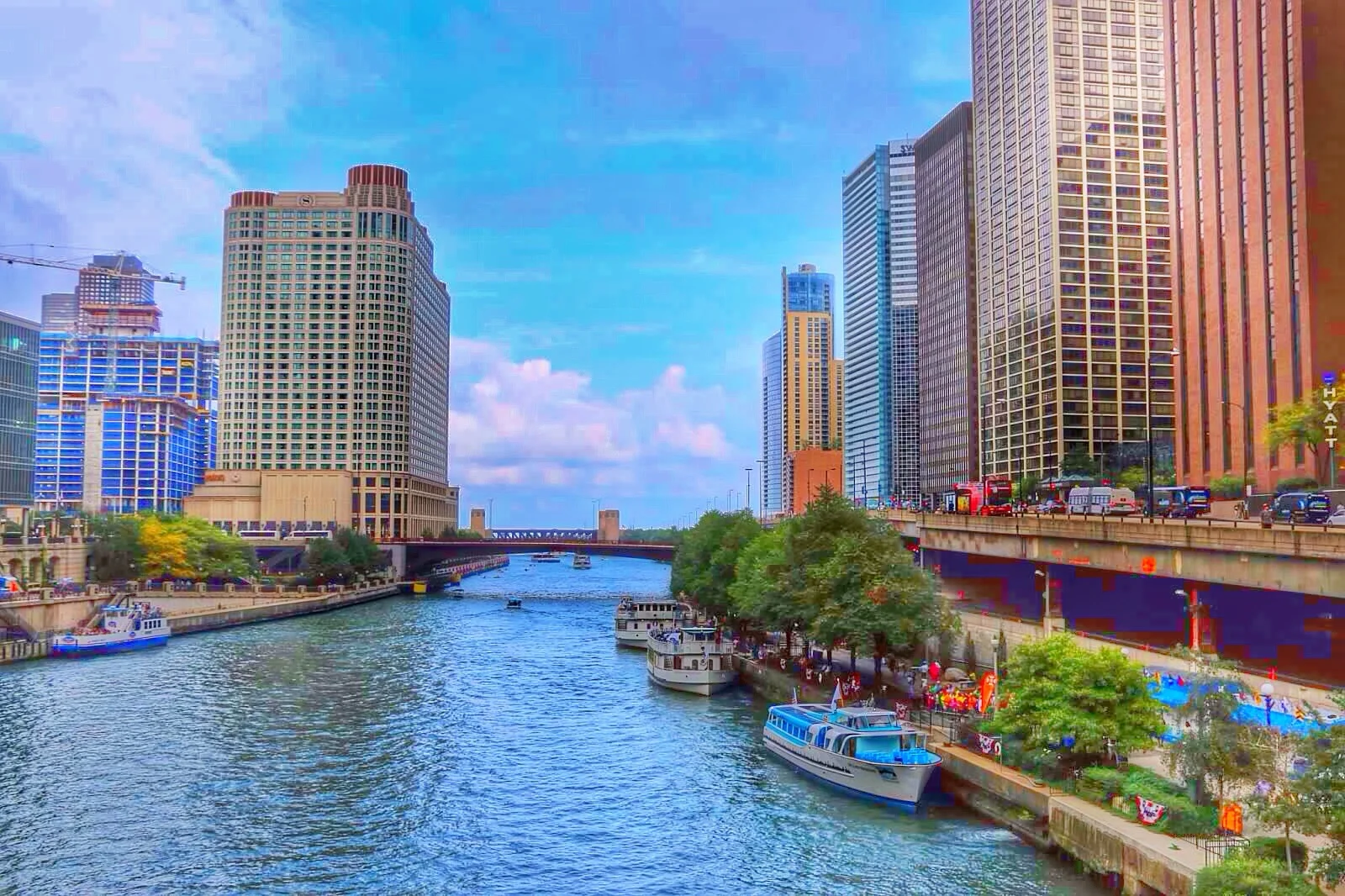
For the second year in a row, Charleston, South Carolina, retained its crown as the Best Small U.S. City, while Chicago once again led the Best Large City category. These results reveal not just traveler loyalty but the sustained importance of accessibility and connectivity.
Both cities benefit from robust air networks, with Charleston seeing steady route growth through Delta Air Lines (DL), American Airlines (AA), and low-cost carriers like Breeze Airways (MX).
Post-pandemic travel behavior has shifted in measurable ways. Travelers are valuing convenience and atmosphere over sheer size or luxury.
Cities that offer walkability, regional culture, and diverse culinary experiences — backed by easy flight access — are outperforming traditional gateways.
The rise of regional airports and point-to-point services has also made smaller cities easier to reach without layovers at major hubs.
https://commons.wikimedia.org/wiki/File:Rancho_Santa_Fe_street_view_2013.jpg
The Rise of the Mid-Size City
Mid-size destinations such as Santa Fe, Savannah, and Asheville are no longer “hidden gems” — they are core travel markets, now supported by direct air links and rising hotel investment.
The increase in flights to leisure-oriented secondary cities is no coincidence. Airlines have quietly expanded seasonal and year-round routes to meet traveler demand for authenticity and variety.
At the same time, major carriers are focusing on flexibility and network depth rather than sheer hub dominance.
This realignment benefits cities like San Antonio, Boulder, and Burlington, all of which feature prominently in this year’s small-city list. These cities blend access, affordability, and an experience-driven identity — exactly what travelers appear to be seeking in 2025.

Major Hubs Retain Their Edge
Despite the rise of smaller markets, large cities such as San Diego, Boston, and San Francisco continue to define the upper end of the rankings. Each has maintained a balance between scale and livability — offering world-class dining, cultural institutions, and scenic settings that appeal to both business and leisure travelers.
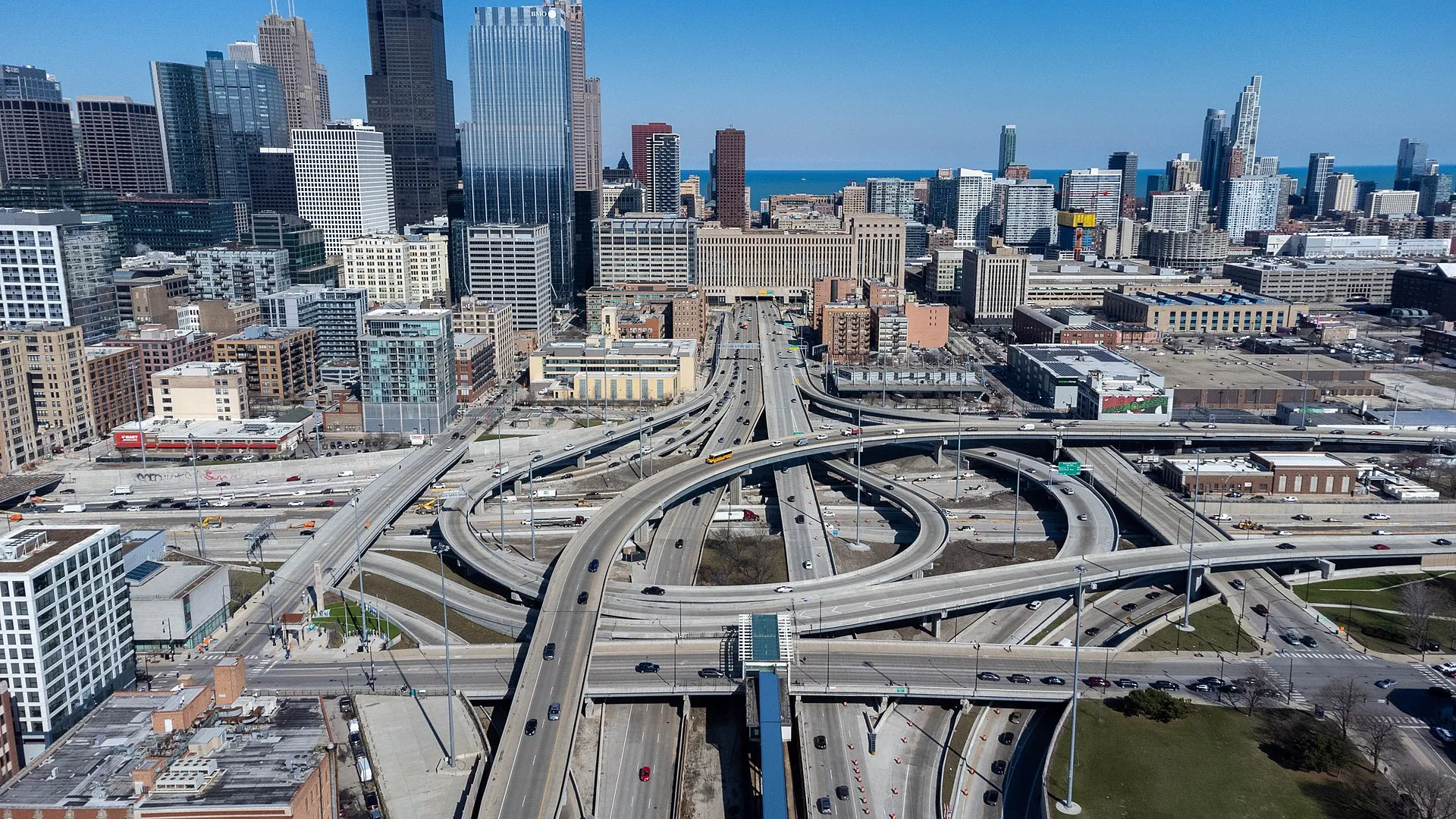
Chicago’s repeat win as Best Large U.S. City for the sixth consecutive year reflects its ability to reinvent itself as a tourism powerhouse, even as it remains one of America’s most important aviation centers.
With O’Hare International Airport (ORD) serving as a key hub for both United Airlines (UA) and American Airlines (AA), connectivity continues to be a defining strength.
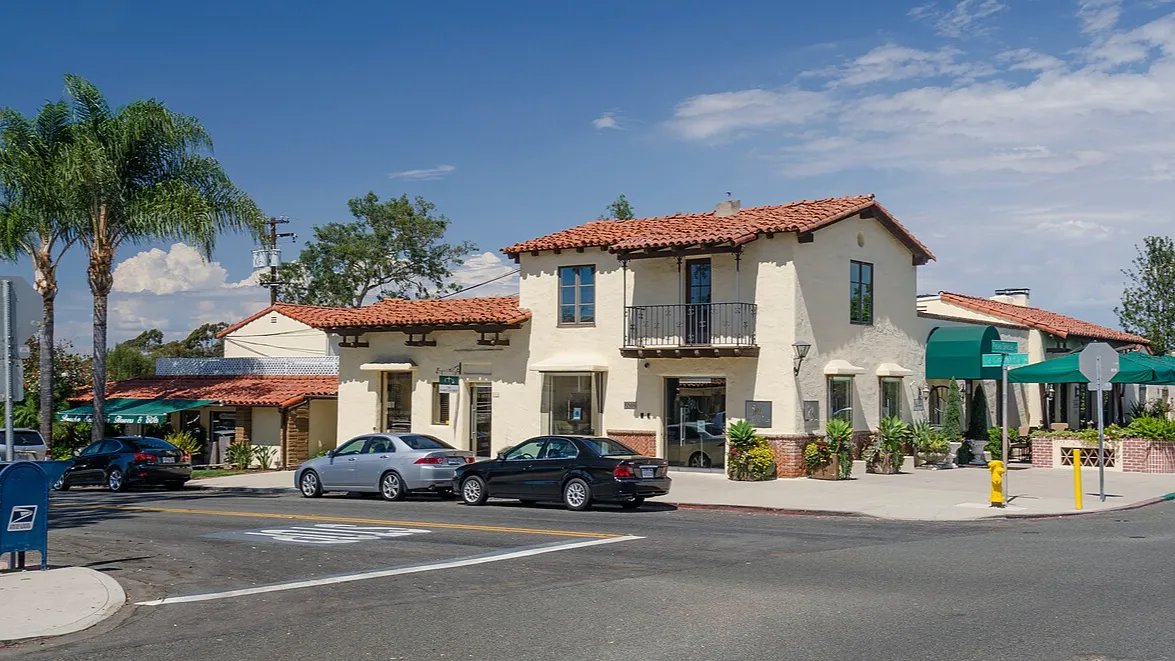
Meanwhile, San Diego climbed in rankings thanks to its airport’s modernization project, positioning it as one of the most efficient mid-size airports in the U.S. for domestic leisure travel.
Airlines Fuel Domestic Growth
U.S. carriers are at the forefront of reshaping domestic travel trends.
Airlines such as Delta Air Lines (DL), United Airlines (UA), and Southwest Airlines (WN) have expanded their networks beyond traditional hubs, connecting secondary and mid-sized cities through efficient point-to-point routes.
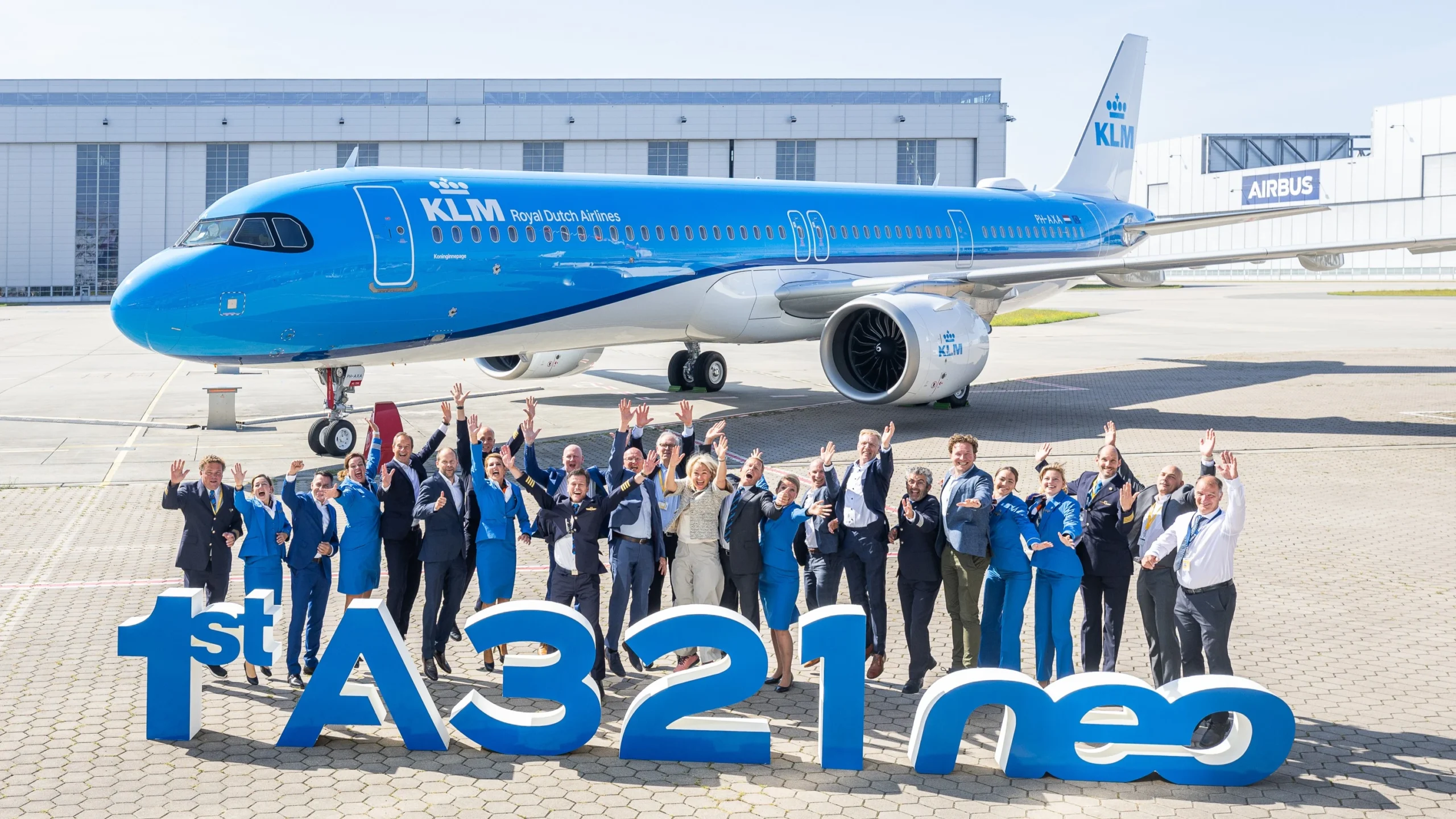
Fuel-efficient narrowbody aircraft, including the Airbus A321neo and Boeing 737 MAX series, have made these routes economically viable.
The operational flexibility of these jets enables carriers to serve thinner markets with lower demand but higher yield potential. As a result, cities like Charleston, Santa Fe, and Milwaukee (MKE) are witnessing record passenger numbers.

Travelers Ranks Best US Cities for 2025
Below are the Condé Nast Traveler Readers’ Choice Awards 2025 results for Best Large Cities and Best Small Cities in the U.S. The scores reflect reader ratings across multiple categories, including friendliness, culture, dining, and overall atmosphere.
Best Large Cities in the U.S. (2025)
| Rank | City | State | Score |
|---|---|---|---|
| 1 | Chicago | Illinois | 89.6 |
| 2 | San Diego | California | 89.3 |
| 3 | San Francisco | California | 88.4 |
| 4 | Boston | Massachusetts | 87.8 |
| 5 | New Orleans | Louisiana | 87.5 |
| 6 | Washington, D.C. | District of Columbia | 87.2 |
| 7 | New York City | New York | 86.8 |
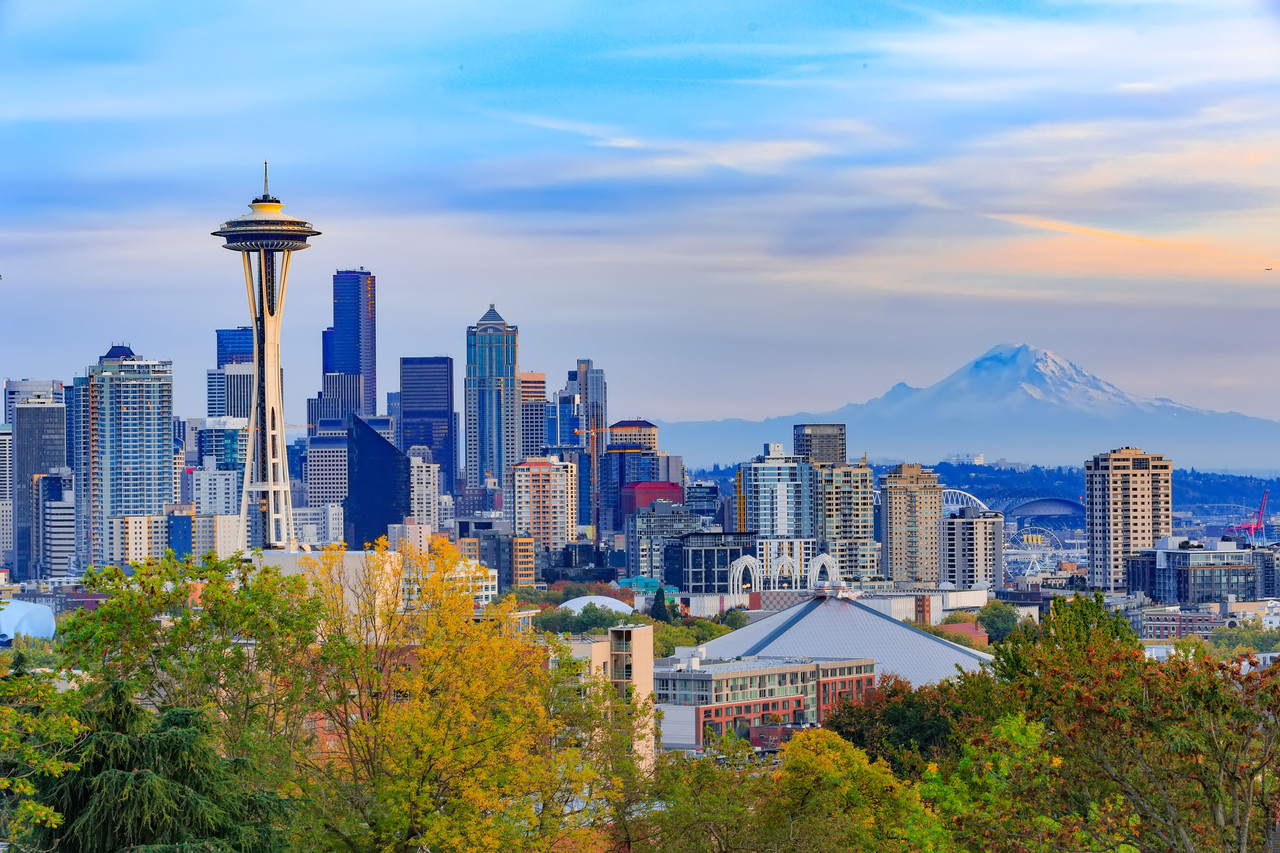
| 8 | Seattle | Washington | 86.2 |
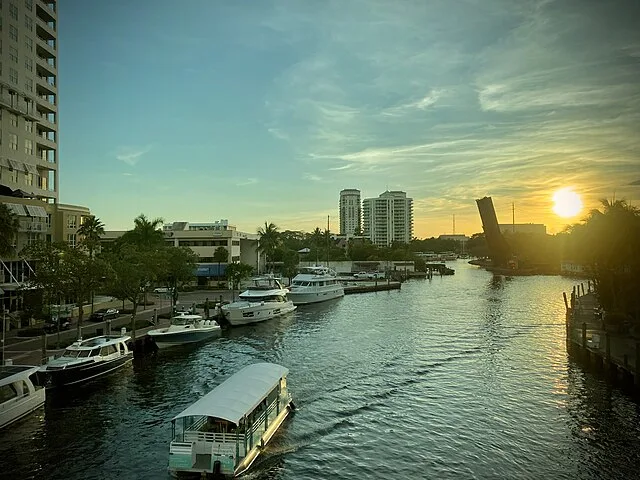
| 9 | Miami | Florida | 85.7 |
| 10 | Austin | Texas | 85.3 |
Best Small Cities in the U.S. (2025)
| Rank | City | State | Score |
|---|---|---|---|
| 1 | Charleston | South Carolina | 91.2 |
| 2 | Santa Fe | New Mexico | 90.6 |
| 3 | Savannah | Georgia | 90.3 |
| 4 | Aspen | Colorado | 89.9 |
| 5 | Alexandria | Virginia | 89.4 |
| 6 | Greenville | South Carolina | 88.9 |
| 7 | Asheville | North Carolina | 88.5 |
| 8 | Key West | Florida | 88.3 |
| 9 | Burlington | Vermont | 87.9 |
| 10 | Boulder | Colorado | 87.5 |
Bottom Line
The 2025 Condé Nast Traveler city rankings reveal more than reader preferences — they capture the evolution of U.S. travel itself.
The strong showing of small and mid-size cities suggests that travelers are no longer simply chasing landmarks but looking for connection, comfort, and character.
As 2025 unfolds, the trend is clear: travelers are redefining what “best city” means — choosing atmosphere and accessibility over size and status.
Stay tuned with us. Further, follow us on social media for the latest updates.
Join us on Telegram Group for the Latest Aviation Updates. Subsequently, follow us on Google News