

Asia continues to evolve as a continent of contrasts—where ancient traditions meet cutting-edge development, and remote villages sit alongside bustling megacities.
In 2026, several destinations stand out for travelers seeking unique experiences, whether it’s immersive cultural encounters, nature adventures, or modern urban exploration.
Best Places to Visit in Asia
Here’s a data-driven guide to 10 places in Asia worth visiting next year.
https://commons.wikimedia.org/wiki/File:,Erbil_Landscape.jpg
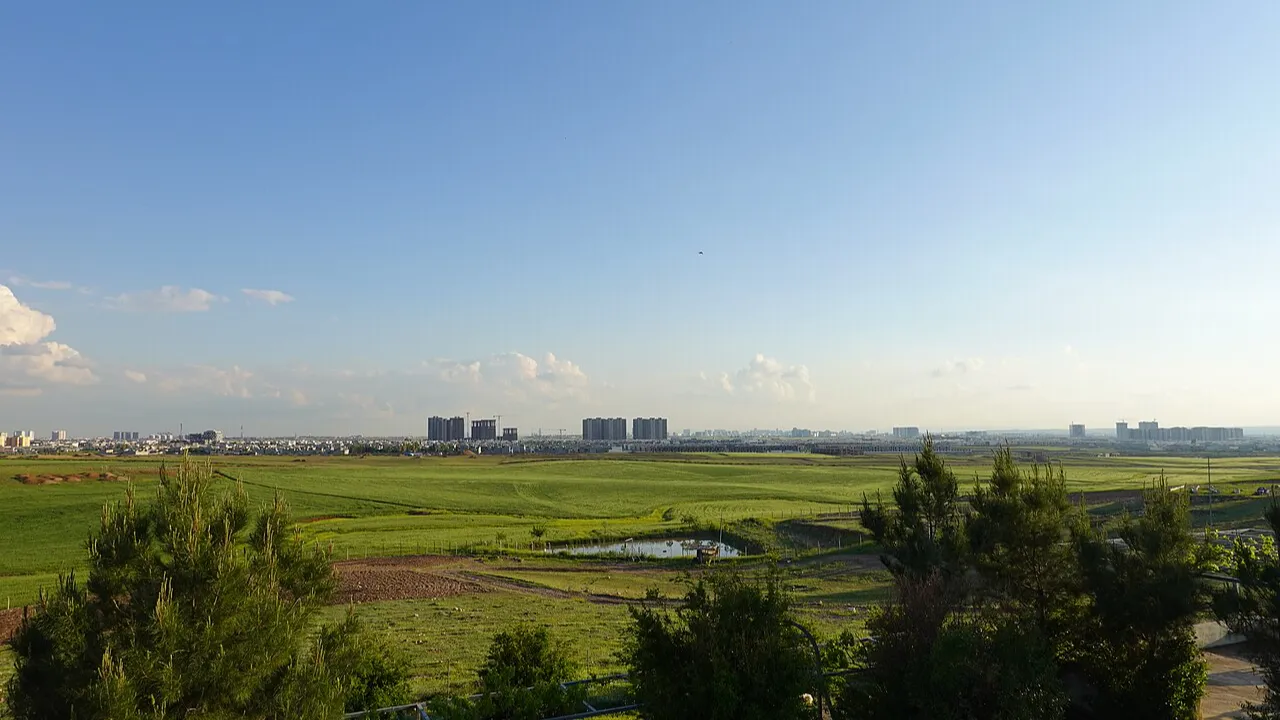
Erbil, Iraqi Kurdistan
Erbil is redefining itself as a modern city while preserving a 6,000-year-old heritage. The Citadel, a UNESCO World Heritage Site, has reopened sections after restoration, and a hotel and restaurant are set to launch within its walls.
Key stats:
- Population: 2 million
- Planned tourist target: 20 million by 2030
- Major projects: Erbil Avenue retail and dining complex, U.S. consulate expansion, Real Madrid youth academy
Visitors can explore the Citadel, the Kurdish Textile Museum, and vibrant local markets. For nightlife, Ankawa neighborhood bars offer live music and local hospitality.
Hong Kong
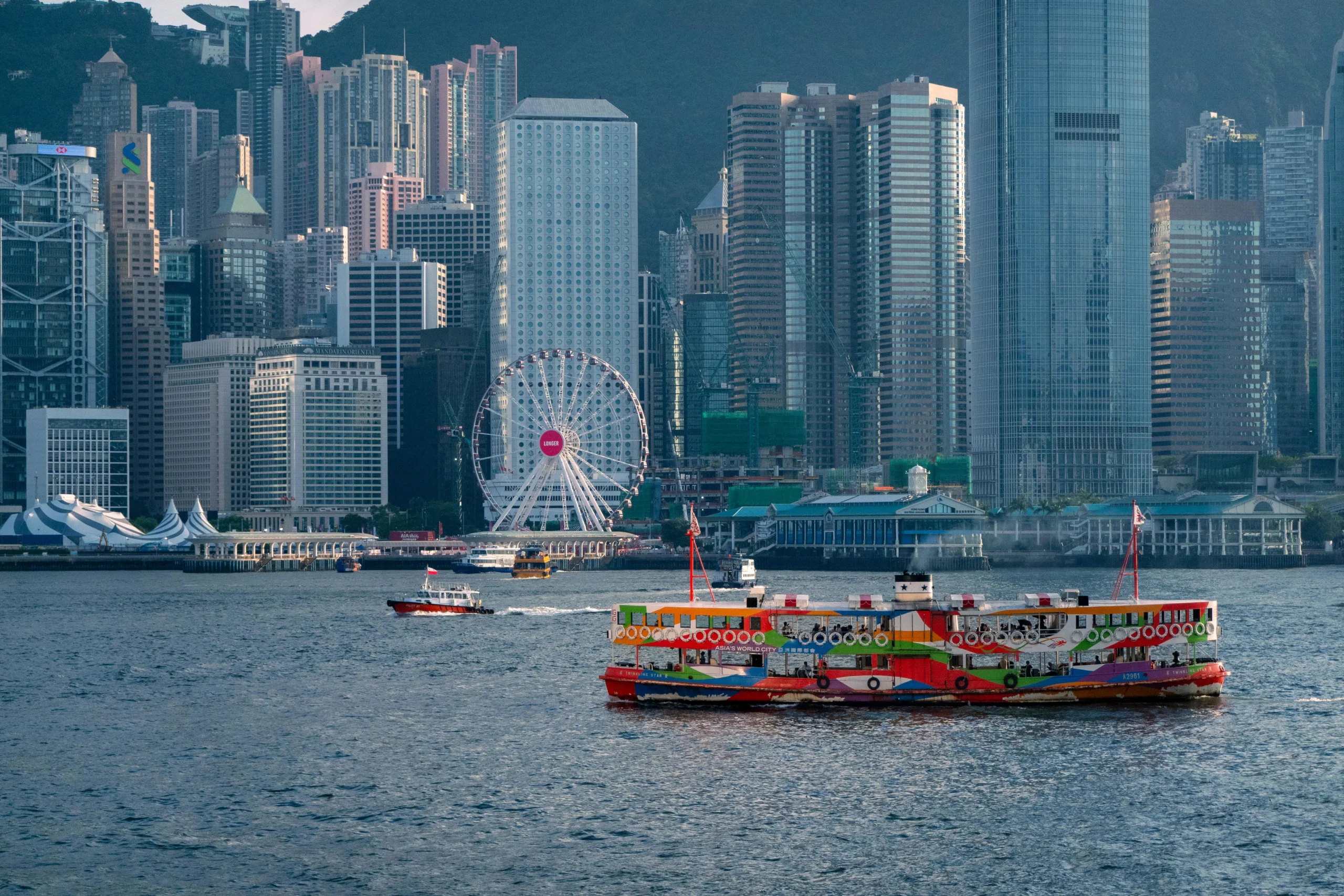
Hong Kong continues its cultural and infrastructural expansion. The West Kowloon Cultural District will host three new performance stages with seating for 2,300, while Central sees new dining experiences from Michelin-starred chefs.
Data highlights:
- HKIA projected capacity: 120 million passengers by 2027
- Terminal 2 upgrades: self-service check-in and expanded coach hall
Outdoor enthusiasts can enjoy improved trails on The Peak, Lantau Peak, Tai Mo Shan, and Sai Kung Hoi. The newly renovated Sky100 Observation Deck offers panoramic views of the city’s skyscrapers.
Labuan Bajo, Indonesia
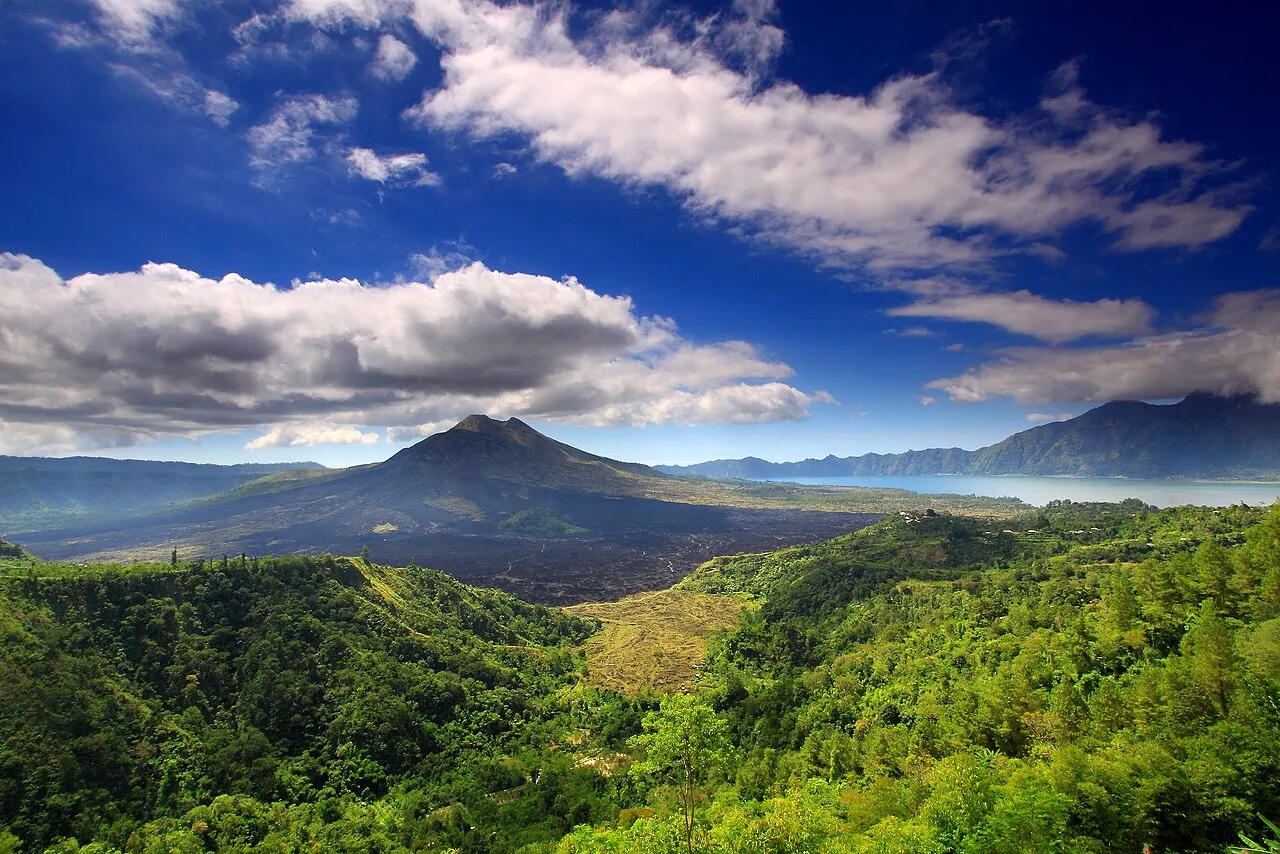
Labuan Bajo is shifting from a transit hub to a destination in its own right. Airport upgrades now allow direct international flights. Resorts like Ta’akatana Luxury Collection and Maua Labuan Bajo bring high-end accommodation to the hills and coastlines.
Numbers to note:
- Conservation measures: limited tourists on Padar Island
- Resort sizes: Ta’akatana spans 12 hectares with stilted villas
Local dining options emphasize sustainable tourism, including traditional Manggarai dishes and locally grown coffee, offering authentic culinary experiences.
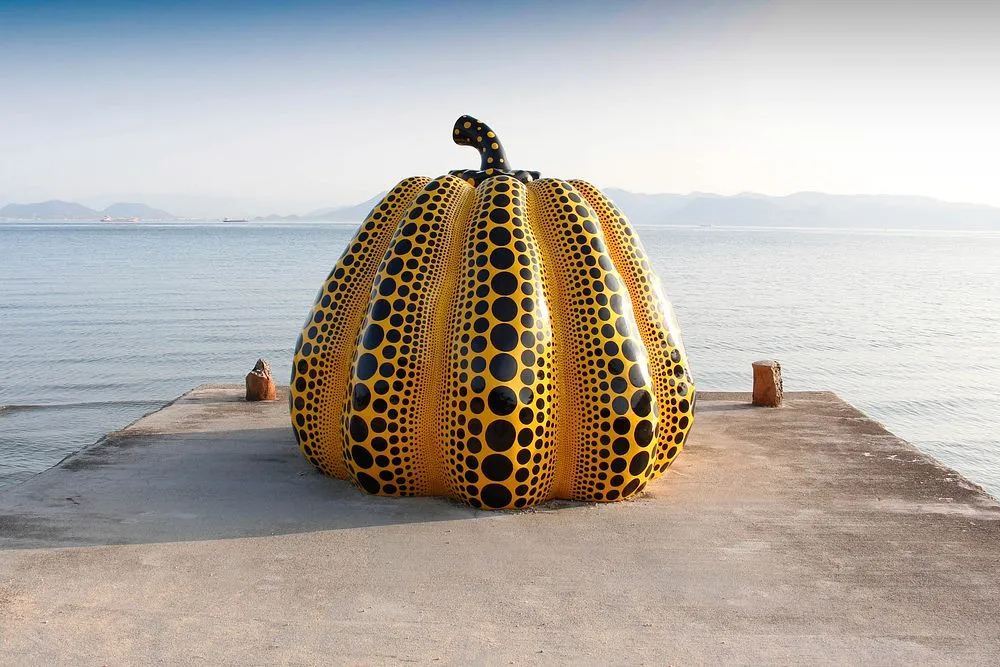
Naoshima, Japan
Naoshima is increasingly recognized as an art destination, with the 2025 opening of the Naoshima New Museum of Art. Works by Takashi Murakami and Cai Guo-Qiang highlight the region’s blend of tradition and futurism.
Key insights:
- Museum design: Partially underground, minimalist architecture by Tadao Ando
- Tourism trend: Growing interest in Setouchi small-ship cruises
Visiting Naoshima before the peak seasons ensures a quieter, more immersive experience of its galleries, installations, and architectural marvels.
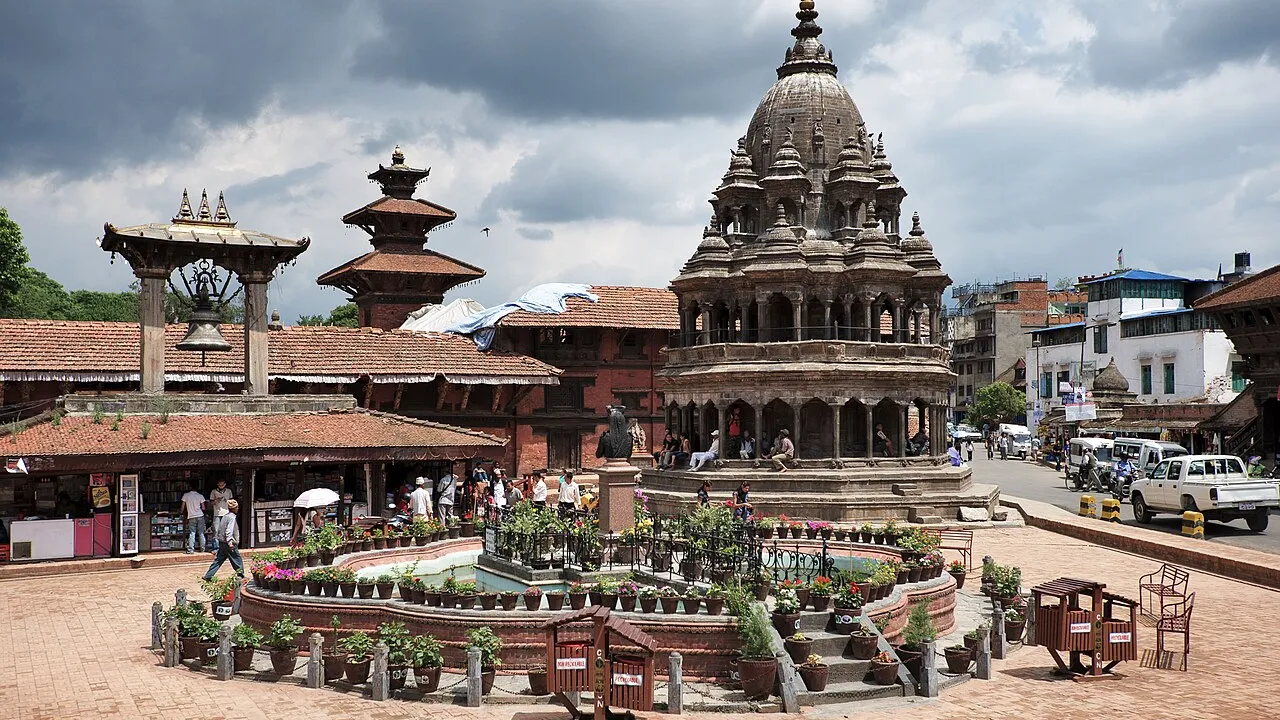
https://commons.wikimedia.org/wiki/File:Nepal_Patan_Durbar_Square_10_(full_res).jpg
Patan, Nepal
Patan, part of the Kathmandu Valley, is embracing a creative renaissance. Art galleries like Gallery Mcube and Space A will host residencies in 2026, while new bars such as Swotha introduce local spirits like aylā to visitors.
Data points:
- Digital nomad visa launch: 5-year program in 2026
- Michelin recognition: BARC – first Nepali bar on Asia’s 50 Best list
Traditional cuisine remains central, from bara (black dal pancakes) to laphing noodles at family-run eateries near Durbar Square.
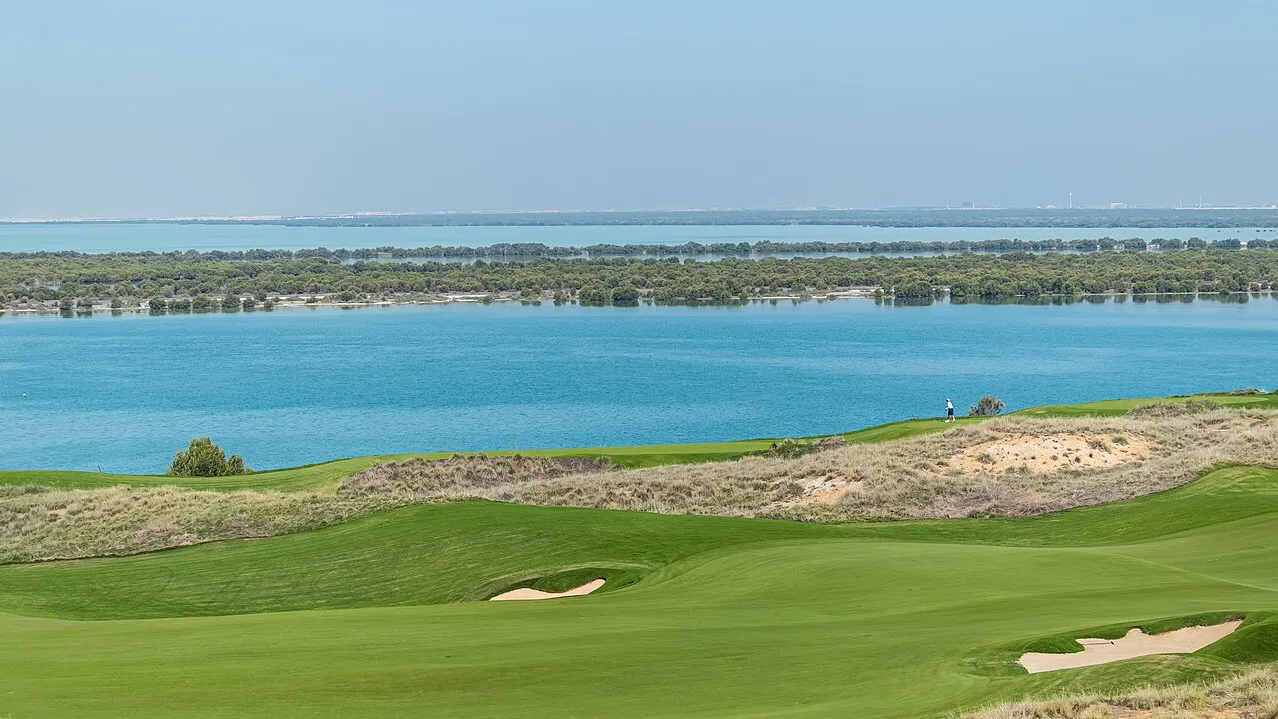
Saadiyat Island, Abu Dhabi
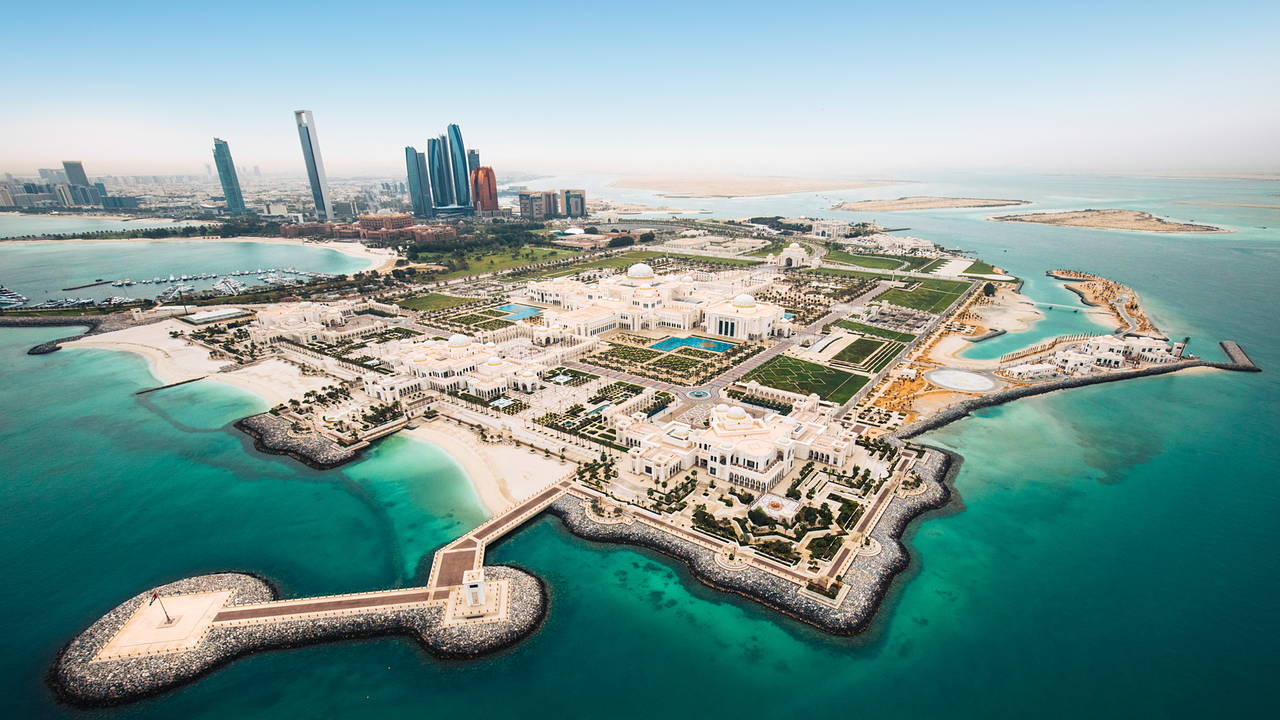
Saadiyat Island is fast becoming a cultural hub. Louvre Abu Dhabi has been joined by the Natural History Museum and will soon welcome the Zayed National Museum. Guggenheim Abu Dhabi, planned for 2026, will complete a district comparable to New York or London.
Statistical highlights:
- Island area: 2.5 km²
- Museum count by 2026: 4 major institutions
Luxury resorts on Saadiyat Beach complement the cultural offerings, making the island a destination that balances leisure and learning.
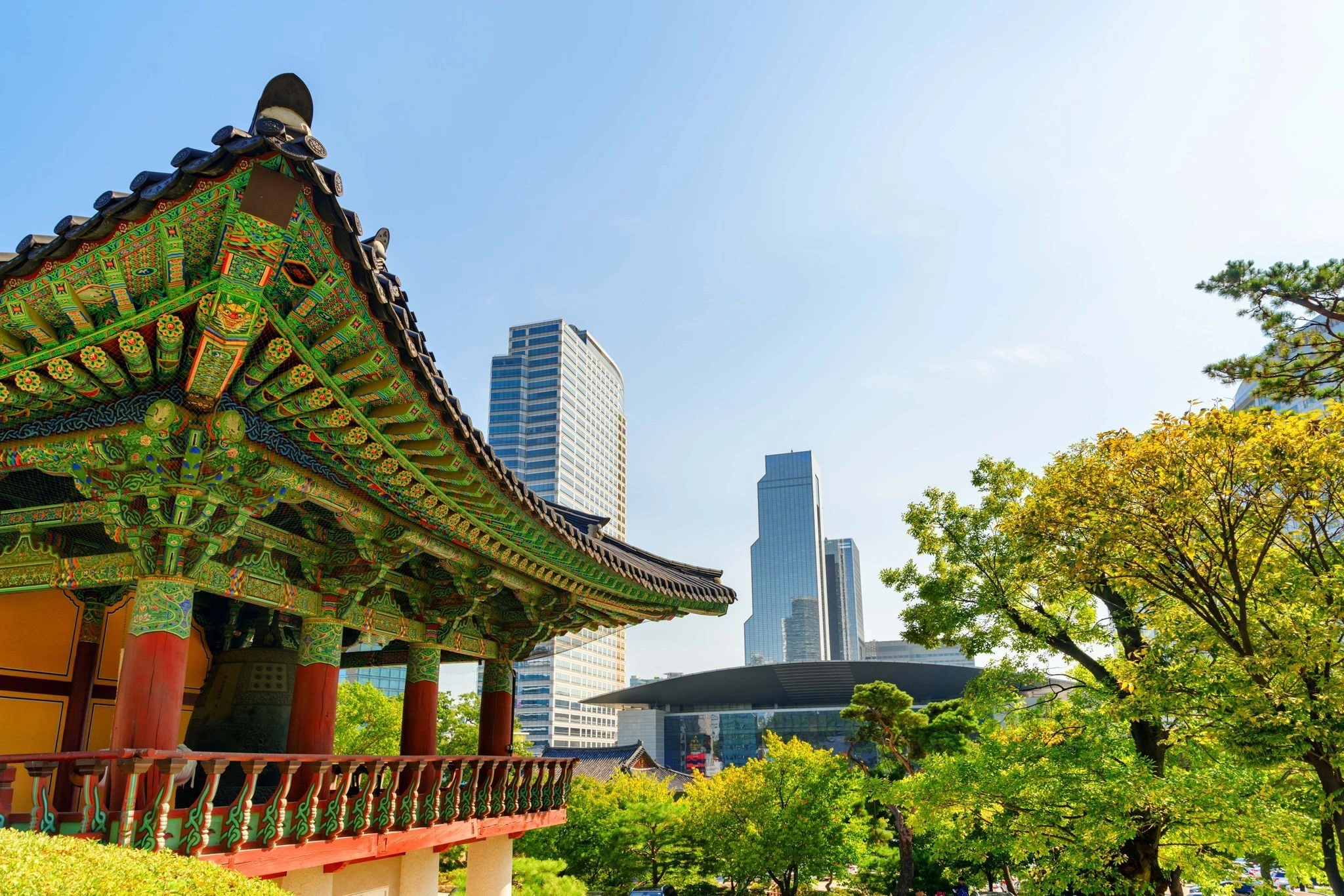
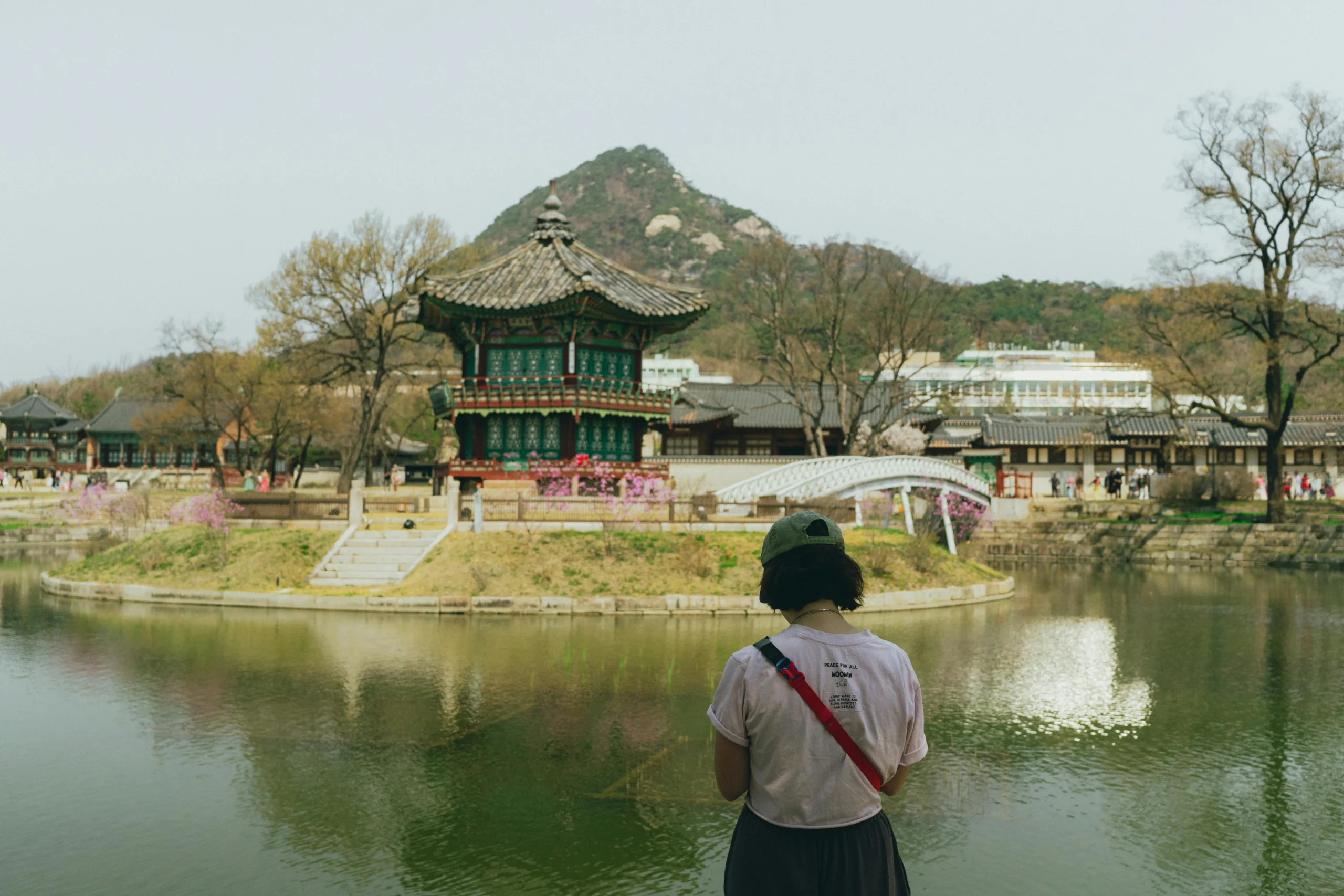
Seoul, South Korea
Seoul continues to expand its creative and transit infrastructure. Twelve observatories will open by late 2026, offering skyline views from surrounding mountains. The Seohae Line extension and the Dongbuk Line improve access to cultural neighborhoods.
Facts:
- Creative spaces: Frieze House Seoul, Park Seo-bo Museum, SeMA photography outpost
- K-pop and K-drama influence remains a key cultural export
Street markets, historic palaces, and innovative art spaces give travelers both urban excitement and immersive cultural encounters.
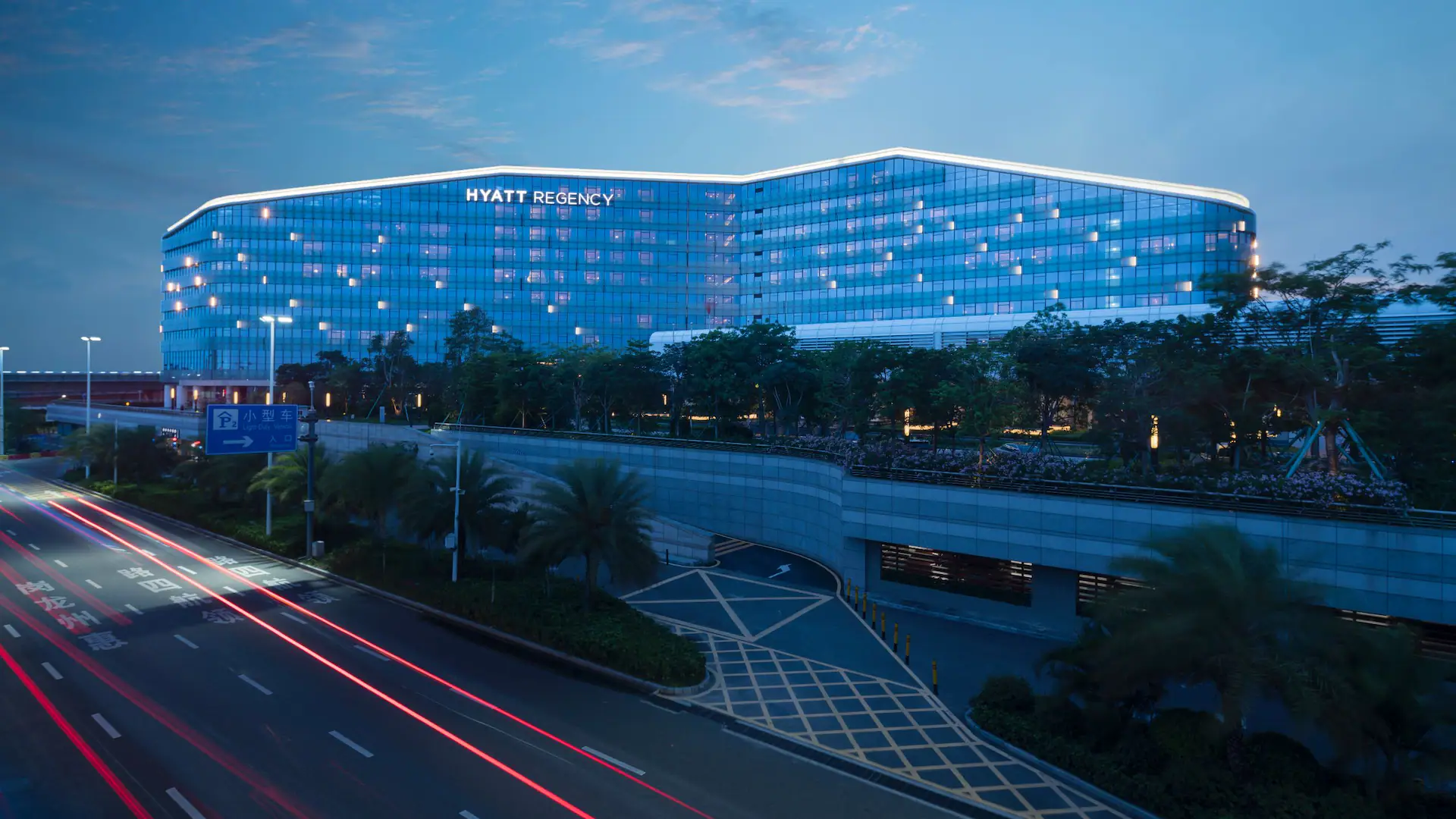
Shenzhen, China
Shenzhen has evolved from a fishing village to an economic powerhouse. The Ping An International Finance Center and other districts define a modern skyline.
In 2026, Shenzhen Design Week and Art Shenzhen will showcase contemporary art and design, alongside the first international Verbier Festival outside Switzerland.
Data snapshot:
- Population: 18 million
- Landmark events: 10-day classical music festival
Luxury hotels like Rosewood and Mirage by MGM will expand the city’s hospitality options, supporting both business and leisure travelers.
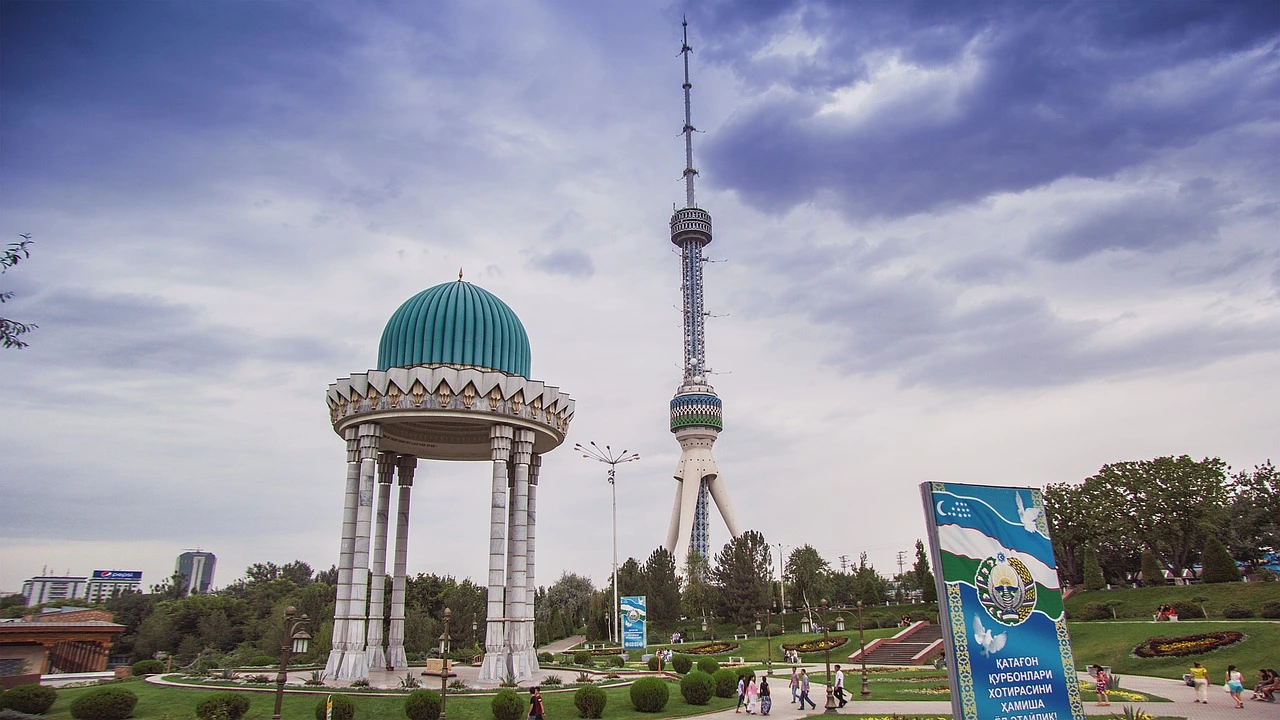
Tashkent, Uzbekistan
Tashkent is blending its Silk Road heritage with modern arts. The Centre for Contemporary Art opens in 2026, featuring exhibitions in a renovated 1912 diesel station. Historic courtyard houses are repurposed as artist residencies, fostering global dialogue.
Numbers to note:
- City size: Largest in Central Asia
- Cultural investment: multiple new museums and creative hubs
Visitors can experience Soviet Modernist architecture, blue-tiled domes, and a growing contemporary arts scene.
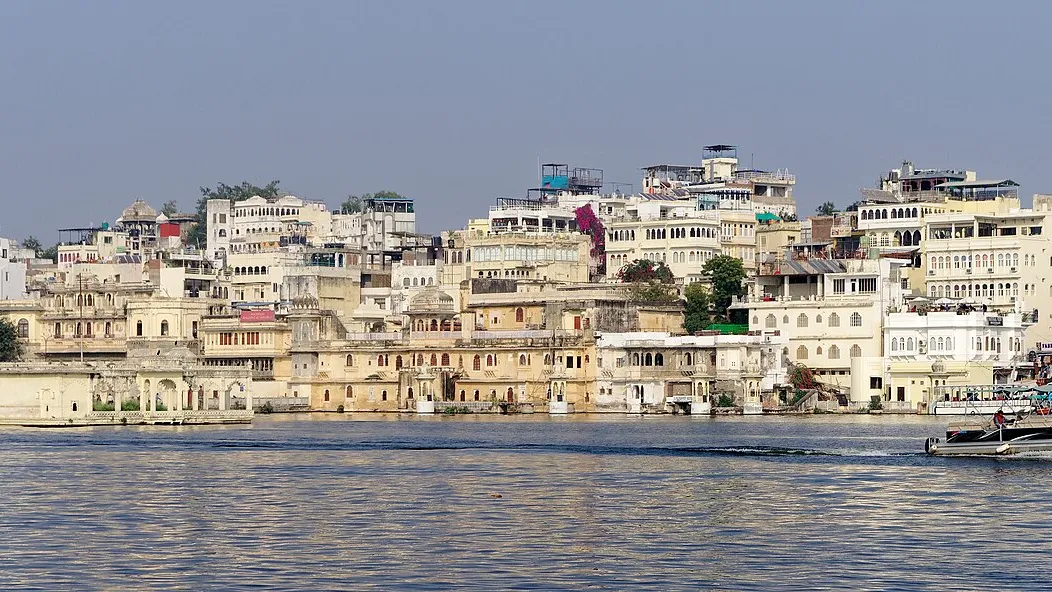
https://commons.wikimedia.org/wiki/File:20191207_Lake_Pichola,_Udaipur,_1531_7276.jpg
Udaipur, India
Udaipur is seeing a wave of luxury hotel openings. Fairmont Udaipur Palace, Marriott, and boutique properties like Minimalist Hotels are adding fresh architectural flair while preserving the city’s lakeside charm.
Key figures:
- Hotel sizes: Fairmont – 327 keys, Arq at Pichola – 3 private villas
- Upcoming events: Oberoi Concourse d’Elegance, vintage automobile showcase
Beyond accommodations, The House of Things brings together over 200 local brands, celebrating India’s design and craftsmanship.
Bottom Line
Asia in 2026 promises a blend of history, culture, nature, and innovation. From the ancient streets of Erbil to the luxury resorts of Udaipur, and the creative energy of Tashkent to Shenzhen’s futuristic skyline, travelers can curate experiences that are both immersive and memorable.
Stay tuned with us. Further, follow us on social media for the latest updates.
Join us on Telegram Group for the Latest Aviation Updates. Subsequently, follow us on Google News
