

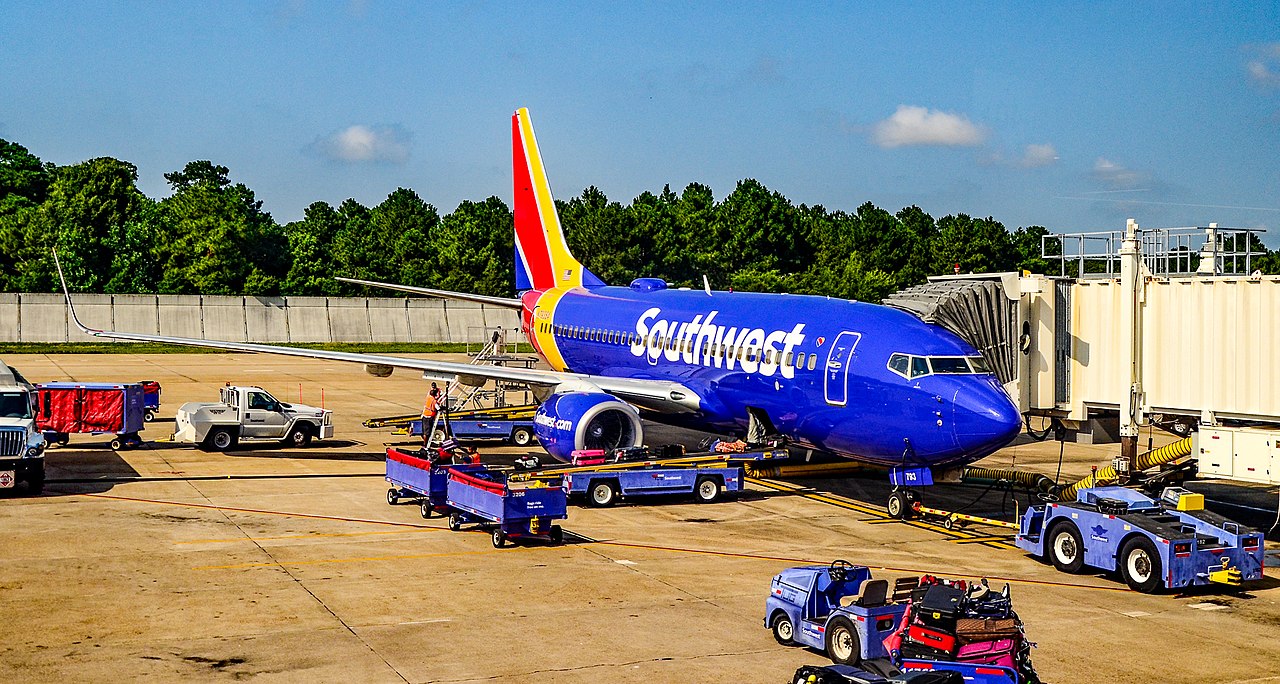
DALLAS- Southwest Airlines (WN) has outsourced its curbside check-in operations, cutting ties with its long-serving skycaps. The move aims to save labor costs but may be hurting revenue through reduced checked bag fees at Orlando International Airport (MCO).
Passengers using CLEAR at MCO noticed little overlap with typical Southwest travelers, but the changes to curbside check-in and onboard services reveal a deeper shift in the airline’s strategy.

Southwest Airlines Checked Bag Technology Issue
Southwest Airlines’ decision to replace its in-house skycaps with third-party contractors marks a significant change in its ground operations. While the cost-cutting move reduces direct labor expenses, it also introduces inconsistencies in how baggage fees are handled.
The outsourced staff now rely on tips and appear to have broad discretion in classifying bags, which can lead to revenue loss. For passengers, tipping curbside often costs less than paying formal baggage fees inside the terminal.
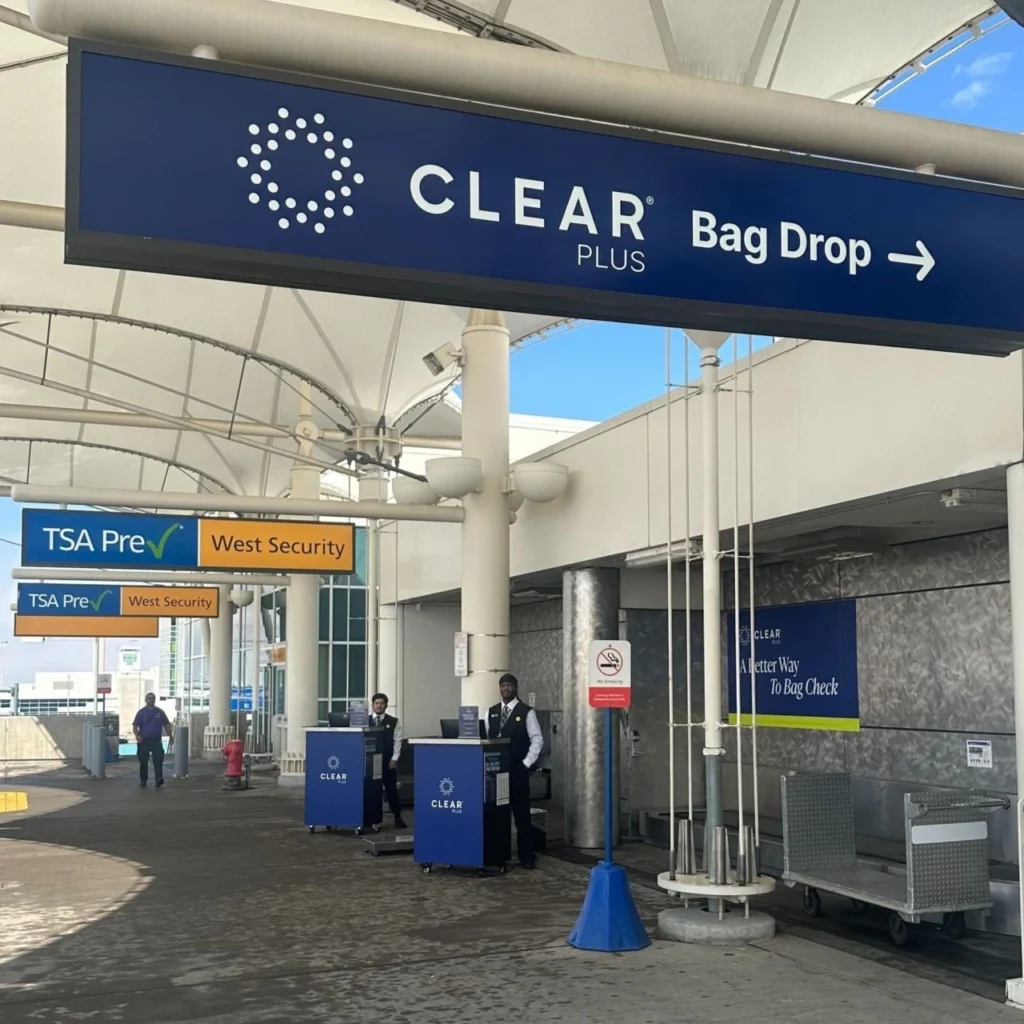
The curbside check-in at MCO, now managed by Bags, Inc.—the same vendor used by American Airlines (AA)—mirrors a strategy once seen as innovative for generating shared revenue.
However, Southwest’s adoption of a similar model raises questions about whether the airline is sacrificing its traditional strengths for short-term savings, View from the Wing reported.
Passenger Experience: Comfort and Connectivity
Southwest’s once-strong reputation for passenger comfort and value is faltering. Travelers report that the airline’s free Wi-Fi—already regarded as one of the weakest in the U.S. airline industry—has become nearly unusable during busy flights.
Although the airline’s efforts to improve connectivity are ongoing, frequent disconnections and slow speeds continue to frustrate passengers.
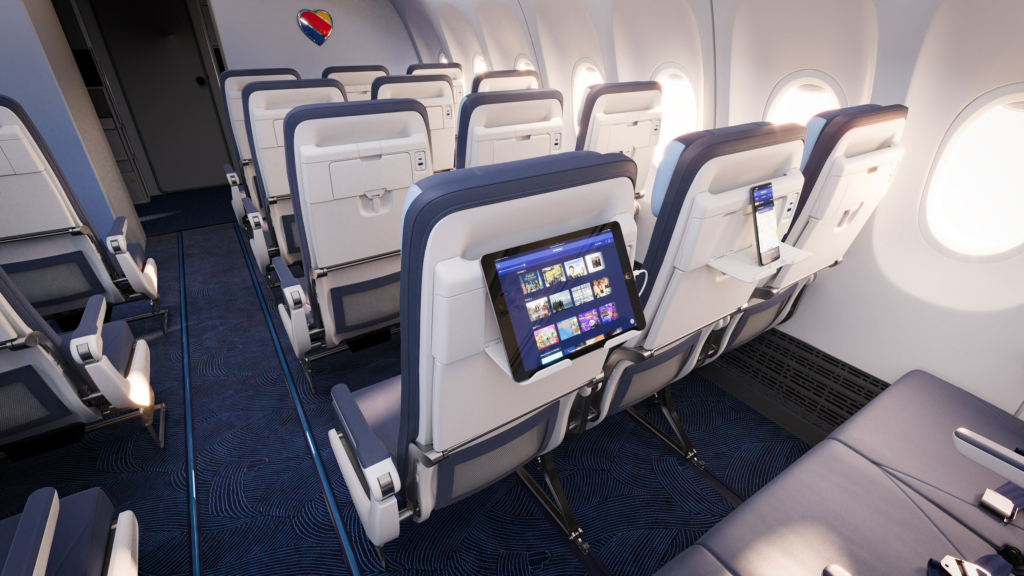
Seat comfort is another sore point. The current slimline seating, similar to United Airlines’ (UA) economy seats, is widely regarded as less comfortable than the airline’s earlier tan leather seats. These changes, paired with stricter boarding policies, have eroded much of the goodwill Southwest built over decades.
Shifting Policies and Competitive Identity
Historically, Southwest’s clear value proposition centered on friendly service, no change fees, and two free checked bags. These simple, customer-friendly policies made the Dallas-based airline a global model for low-cost carriers. However, post-pandemic, the airline’s profitability has narrowed, prompting management to rethink its formula.
Instead of reinforcing its strengths, Southwest appears to be following its less successful rivals by introducing complicated policies and reducing service quality. The pivot toward cost-cutting and outsourcing risks diluting the airline’s long-standing image as a traveler-friendly carrier.
As the airline transitions to new boarding and baggage systems in early 2025, passengers and analysts alike will be watching to see if Southwest can maintain its reputation—or if these changes mark a lasting decline in customer satisfaction.
Stay tuned with us. Further, follow us on social media for the latest updates.
Join us on Telegram Group for the Latest Aviation Updates. Subsequently, follow us on Google News
