

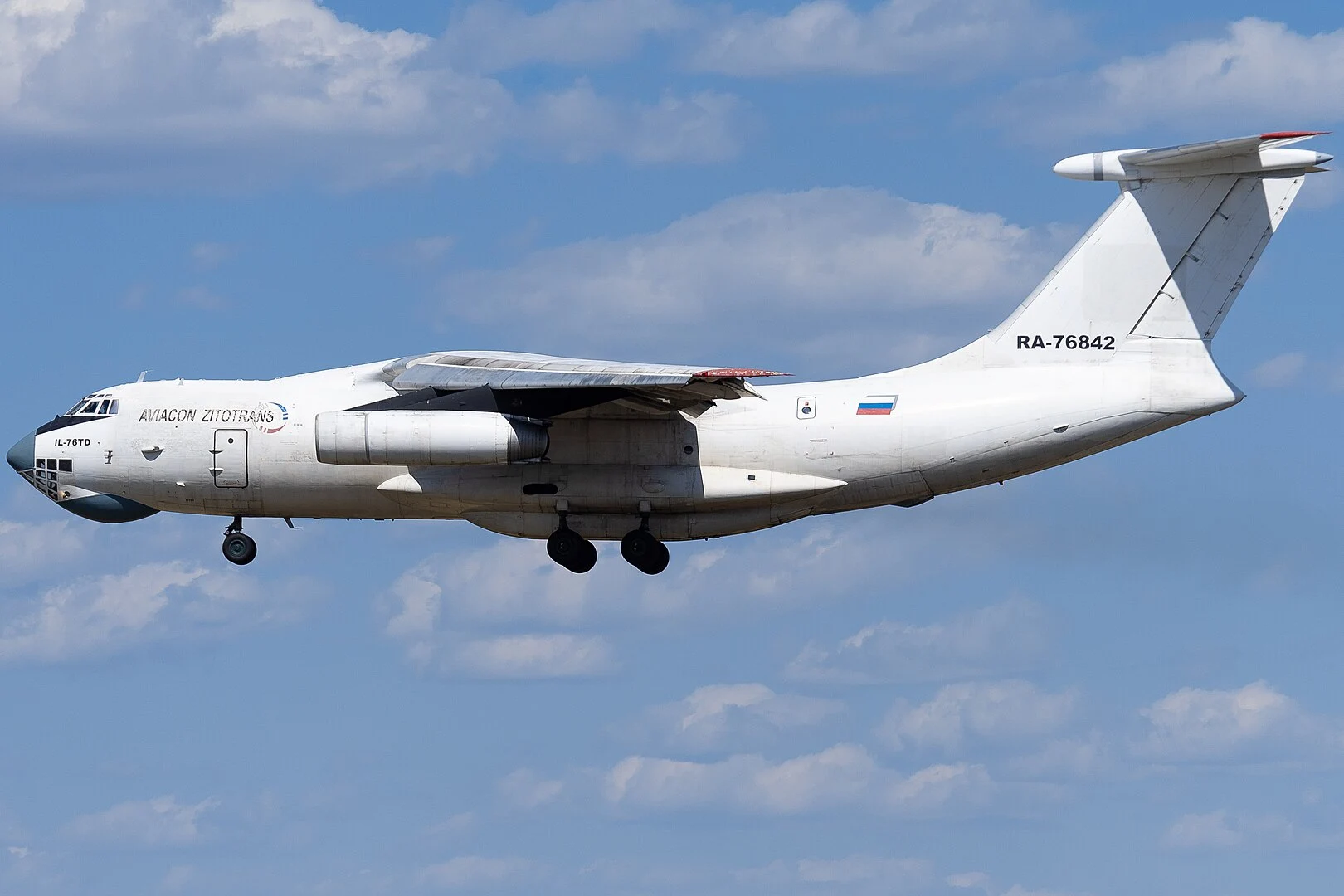
MOSCOW- A Russian cargo plane operated by Aviacon Zitotrans (ZT) recently completed a multi-stop journey across Latin America, beginning in Caracas (CCS) and continuing to several allied nations.
The Ilyushin Il-76’s movements have drawn international attention due to its previous sanction-linked operations and its ties to Russian state interests.
Flight tracking data shows the plane’s route included stops in Havana (HAV) and Managua (MGA), marking another instance of Moscow’s growing logistical activity in the Western Hemisphere.
The trip mirrors a similar mission from August, again connecting Kremlin-aligned countries across Latin America.
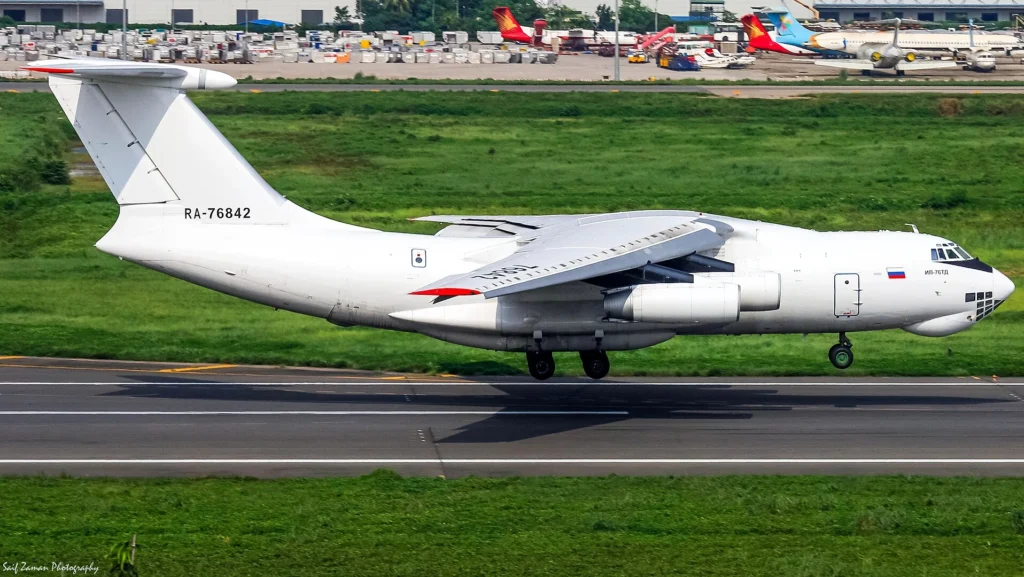
Russian Cargo Latin America Flights
The Ilyushin Il-76, registered as RA-78765 and operated by Aviacon Zitotrans, landed in Caracas (CCS) on October 26 before departing for Havana (HAV) two days later. The aircraft then flew to Managua (MGA) on October 29 and returned to Caracas that same day.
It departed Venezuela on October 30, routing through Nouakchott, Mauritania (NKC), and Algiers, Algeria (ALG), before arriving in Sochi (AER) and later Moscow (SVO). Reported by Defense News, the aircraft’s journey reflects a rare long-distance mission into Latin America for Russia’s cargo fleet.
Although the precise objective remains undisclosed, the airline and its aircraft have faced sanctions by several Western governments for transporting Russian military assets.
Aviacon Zitotrans, a private yet government-linked operator, has maintained limited charter services despite international restrictions. The airline did not respond to public inquiries about this latest mission.
Sanctions and Expanding Reach
Russian logistics companies like Aviacon Zitotrans have become instrumental in bypassing the sanctions imposed since Russia’s 2022 invasion of Ukraine.
These private freight operators serve as extensions of Moscow’s global logistics network, providing essential supply routes for military and strategic operations in regions such as Africa and Latin America.
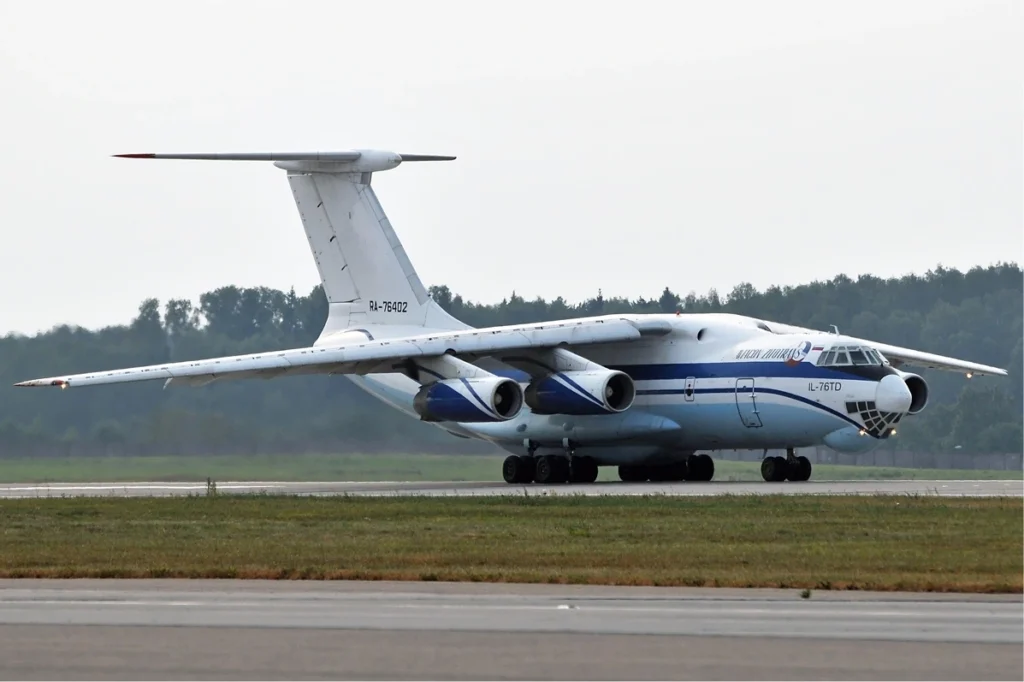
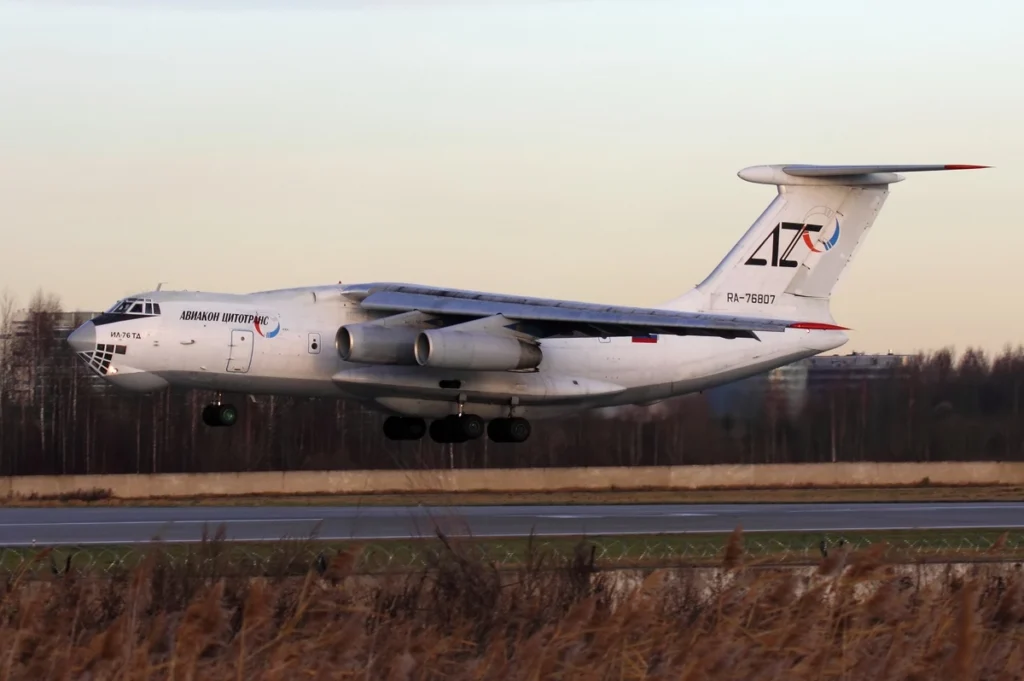
The fleet of Ilyushin Il-76 aircraft can transport up to 46 tons of cargo, including helicopters, vehicles, and heavy equipment.
The company’s own materials describe its specialization in government and military transport, dangerous goods, humanitarian missions, and aerospace operations. Such versatility allows the airline to sustain Russia’s overseas presence without direct government branding.
Geopolitical Implications
The timing of the Latin American flights coincides with rising tensions between Washington and Caracas.
The United States has accused Venezuela of enabling drug trafficking and hosting foreign military interests, while Venezuelan officials claim the U.S. is “fabricating a war.”
According to recent reports, Caracas has sought defense cooperation from Russia, China, and Iran to strengthen its military capabilities.
Moscow, maintaining its policy of strategic support for allied governments, publicly reiterated its commitment to Venezuela’s sovereignty, signaling readiness to assist “in light of emerging threats.”
Such statements reinforce a broader pattern of Russian engagement with nations opposed to US influence in the region.
Long Range Operations
This October mission was not the first for the Il-76 to Latin America. The same aircraft traveled to the region in August, covering multiple destinations including Brasília (BSB), Santa Cruz (VVI), Bogotá (BOG), Toluca (TLC), and Havana (HAV).
Its complex routing, including numerous African stopovers, may reflect both fuel limitations and operational strategies to obscure flight origins and cargo specifics.
With Western airspace restrictions in effect, Russian aircraft must follow extended detours across Africa and the Middle East.
Frequent refueling stops can also indicate heavy payloads consistent with the aircraft’s military transport capabilities.
Stay tuned with us. Further, follow us on social media for the latest updates.
Join us on Telegram Group for the Latest Aviation Updates. Subsequently, follow us on Google News
