

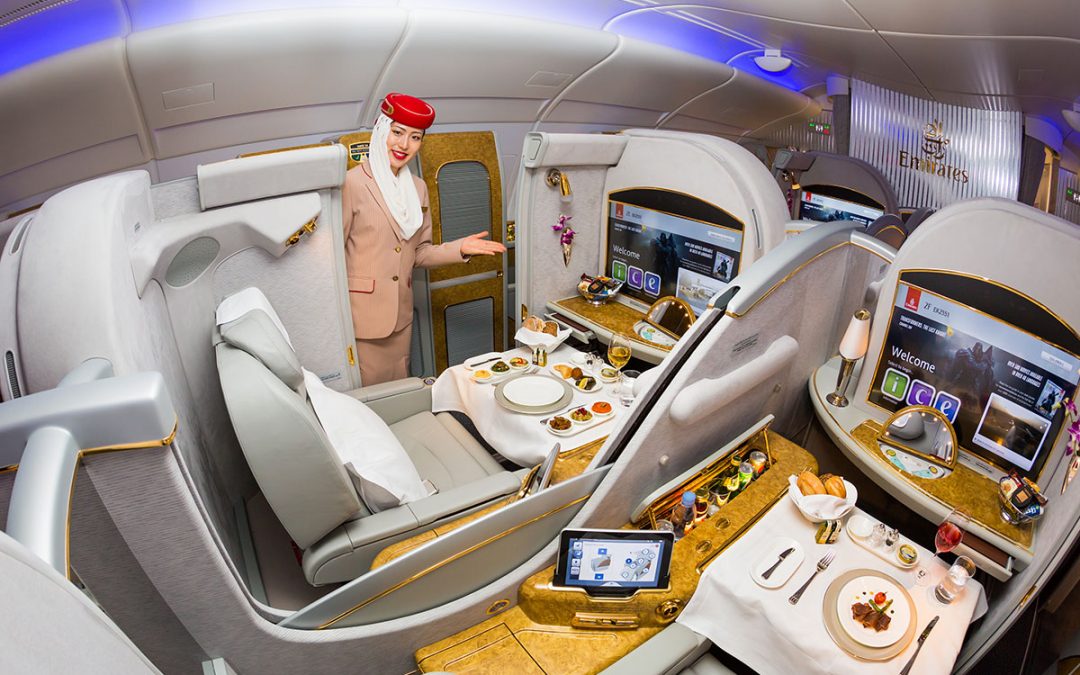
DUBAI- Frequent flyers often earn elite status through countless business trips, missed connections, and long days away from home. The reward they value most is the upgrade — a brief reprieve from the back of the plane that’s becoming increasingly hard to secure.
But what happens when there’s only one upgraded seat available? Whether flying with a partner or family, deciding who gets the better seat can raise questions about fairness, comfort, and even relationship dynamics.
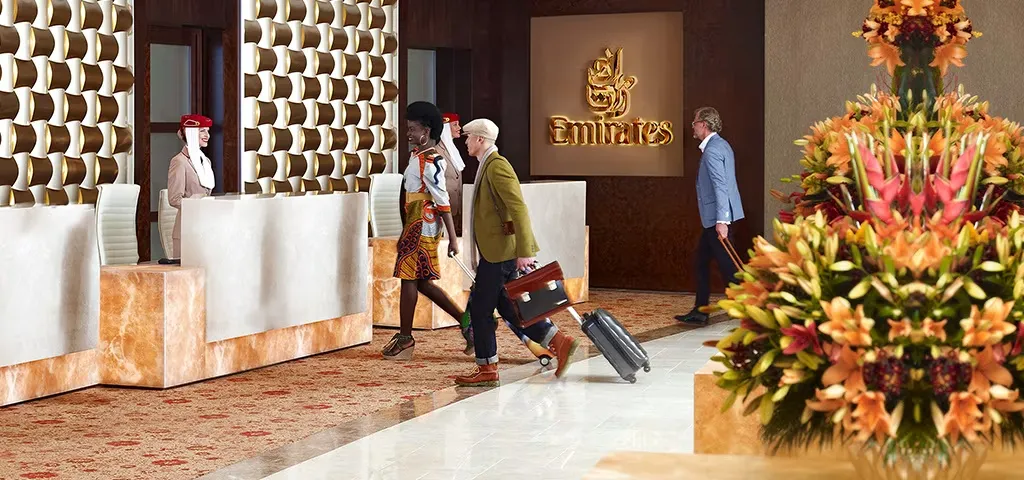
Emirates Passenger First Class Upgrade
For many travelers, a complimentary upgrade feels like a small victory after years of loyalty to an airline such as American Airlines (AA) or Emirates (EK). Yet when only one seat opens in business class, couples face a dilemma: should they sit together in economy, or should one enjoy extra comfort while the other stays behind?
The debate recently resurfaced when Twitter’s Director of Product, Nikita Bier, traveling onboard Emirates Airlines (EK), posed this question online — sparking thousands of opinions from seasoned travelers and casual flyers alike. While his post may have been engagement bait, the issue is one couples face on every major carrier.
The general consensus among frequent flyers is simple: when an upgrade is offered, take it. Economy class isn’t known for comfort, and declining a better seat doesn’t prove love or loyalty, says Gary Leff in a ViewfromtheWing article.
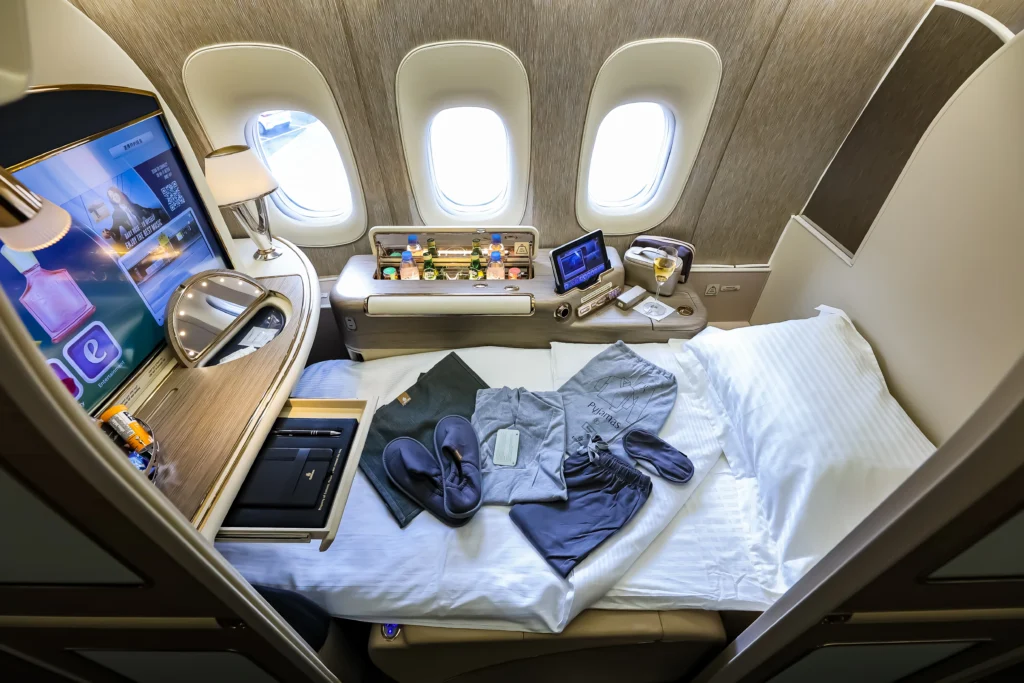
Flying apart for a few hours doesn’t diminish affection any more than sitting on opposite ends of a couch at home. Comfort and personal space are limited on flights, and accepting an upgrade can make the journey more bearable for both partners.
The only real exception? A honeymoon. That’s the one flight where sitting together might matter more than any reclining seat or champagne glass.
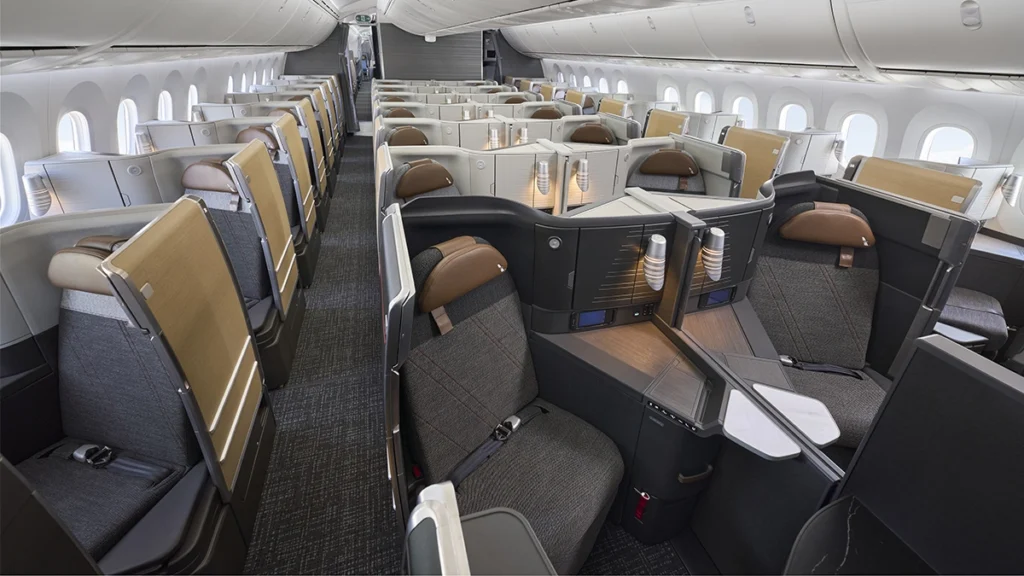
Similar Incident
One American Airlines (AA) couple, first and second on the upgrade list at Dallas/Fort Worth International Airport (DFW), found themselves with a single available seat in first class. It was their anniversary trip.
The husband suggested they stay together in the coach. The wife agreed—until the gate agent called her name. She accepted the upgrade and told her husband the system had reassigned her seat by mistake.
He later discovered she not only took the upgrade but also left him in a middle seat. Her choice highlighted an unspoken truth: upgrades can expose the balance—or imbalance—in relationships.
In another case shared with The New York Times, a woman described how her husband routinely booked himself into premium cabins while leaving her and their two children in economy.
He justified it as a cost-saving measure and insisted the kids might feel “alone” if their mother joined him up front. The ethical debate isn’t about comfort—it’s about consideration.
While premium cabins are expensive, rotating upgrades or alternating who takes the seat could maintain fairness. For families, this also ensures parenting duties are shared, not left entirely to one parent in the economy.

Real Rule of Upgrades
Every airline, from Delta Air Lines (DL) to Emirates (EK), offers upgrades based on loyalty status and availability. When there’s only one, the fairest approach might be to alternate turns on future flights.
A transparent agreement prevents resentment and ensures both travelers enjoy the benefits of their loyalty over time.
Declining an upgrade rarely benefits anyone. Comfort matters, and if a partner’s name appears on that upgrade list first, supporting their decision to accept it may be the kindest response. After all, the upgrade isn’t just about a seat—it’s about understanding and compromise.
Stay tuned with us. Further, follow us on social media for the latest updates.
Join us on Telegram Group for the Latest Aviation Updates. Subsequently, follow us on Google News
