

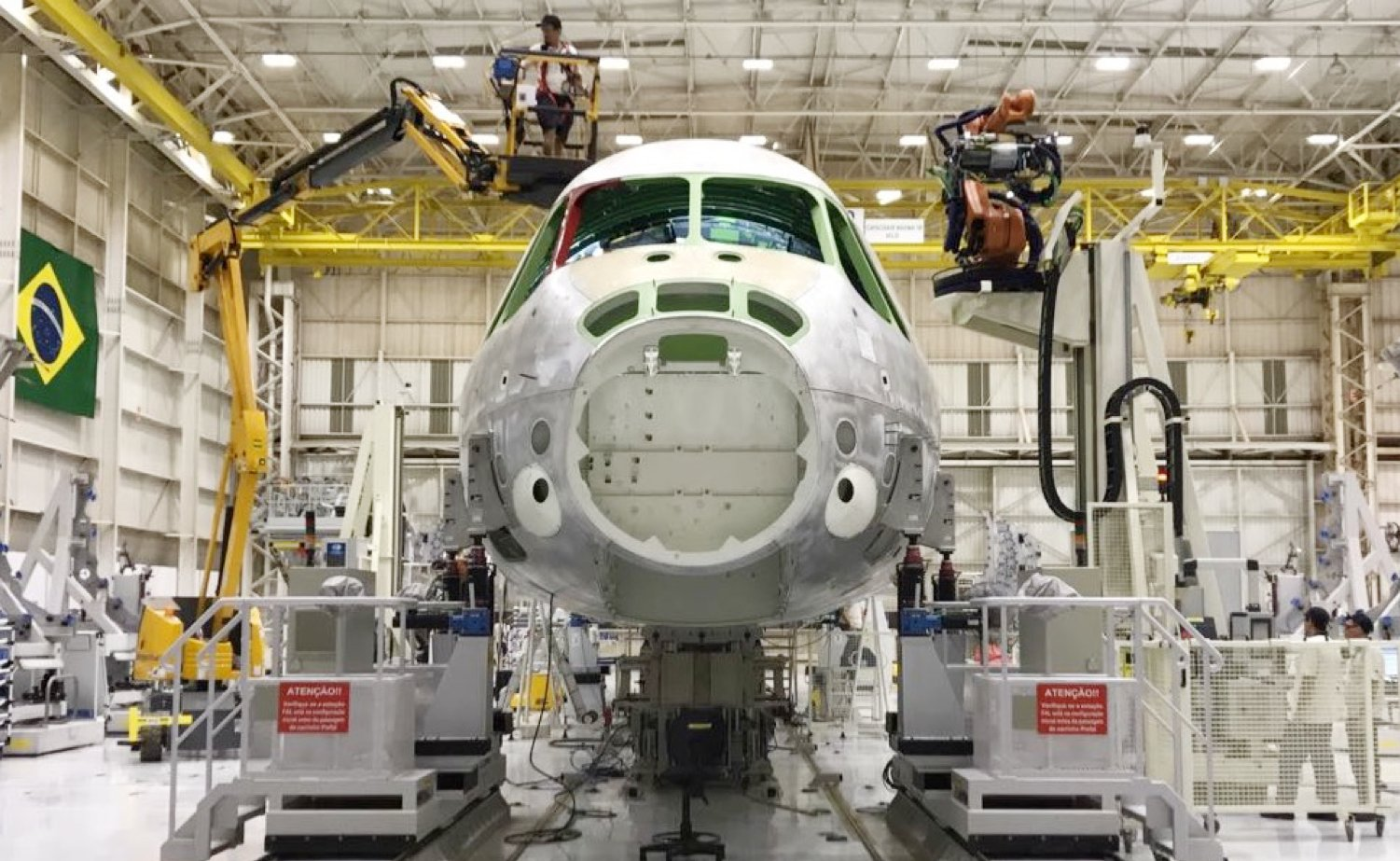
BRASILIA– Embraer has confirmed the cancellation of its planned next-generation turboprop aircraft, ending years of speculation over a 70- to 90-seat regional model. The announcement, made during the company’s third-quarter earnings call.
At the same time, Embraer says it has overcome major supply-chain hurdles and is on track to meet its 2025 delivery target of 222–240 civil aircraft—including 145–155 business jets and 77–85 E-Jets.
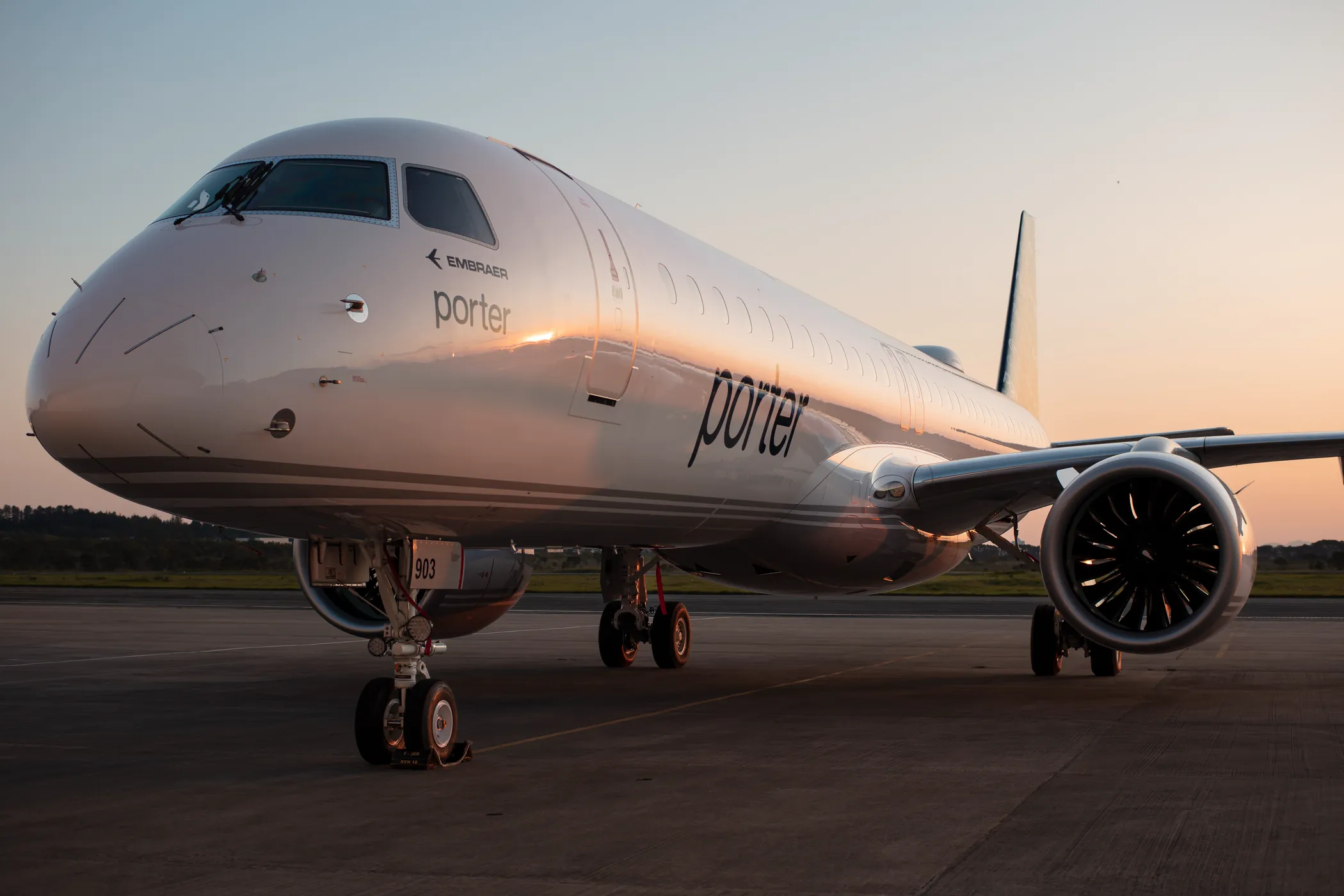
Embraer Project Termination Detail
As quoted in Flight Global, Embraer officially stated: “The turboprop initiative has been cancelled by us,” underlining that the program is not merely paused but terminated. The company had previously described the effort as “in the deep freezer,” but now confirms the concept will not move forward.
The aircraft would have been a modern turboprop regional airliner designed to compete in a market segment long dominated by ATR. Preparatory concept renderings surfaced in 2020 (wing-mounted engines) and 2021 (rear-mounted engines).
However, no launch decision was taken. The primary reason cited is that next-generation engine technology was not sufficiently advanced to support the aircraft’s goals.
Embraer’s chief executive, Francisco Gomes Neto, emphasised the company remains focused on future products and technology investment—pointing to possibilities beyond its current E-Jet family.
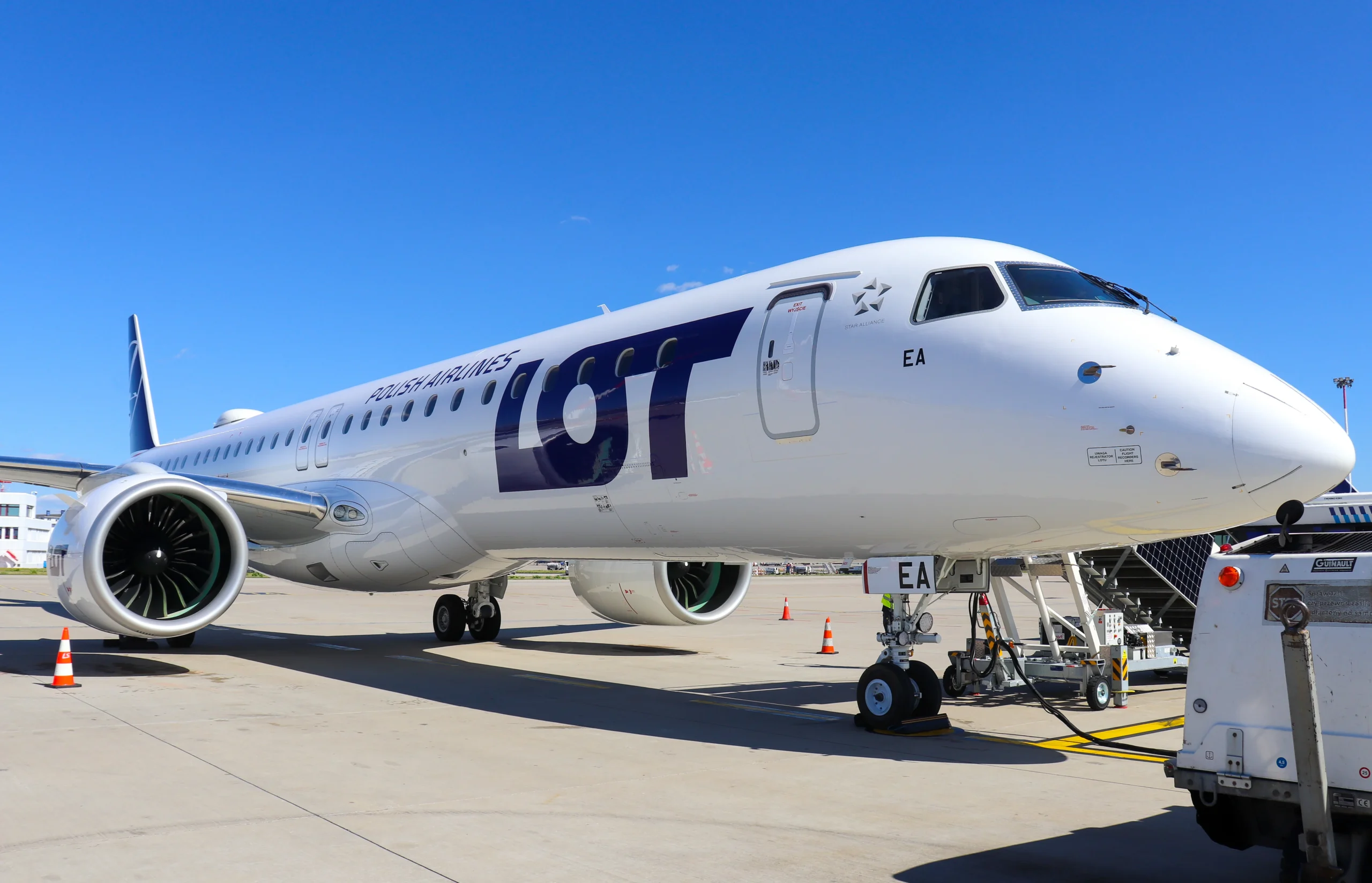
Embraer 2025 Production Outlook
Simultaneously, Embraer announced that supply-chain risks that had previously hindered aircraft assembly are now largely resolved. Gomes Neto stated, “The risk for the supply chain in 2025… is over. We have all the parts we need to assemble the aircraft.”
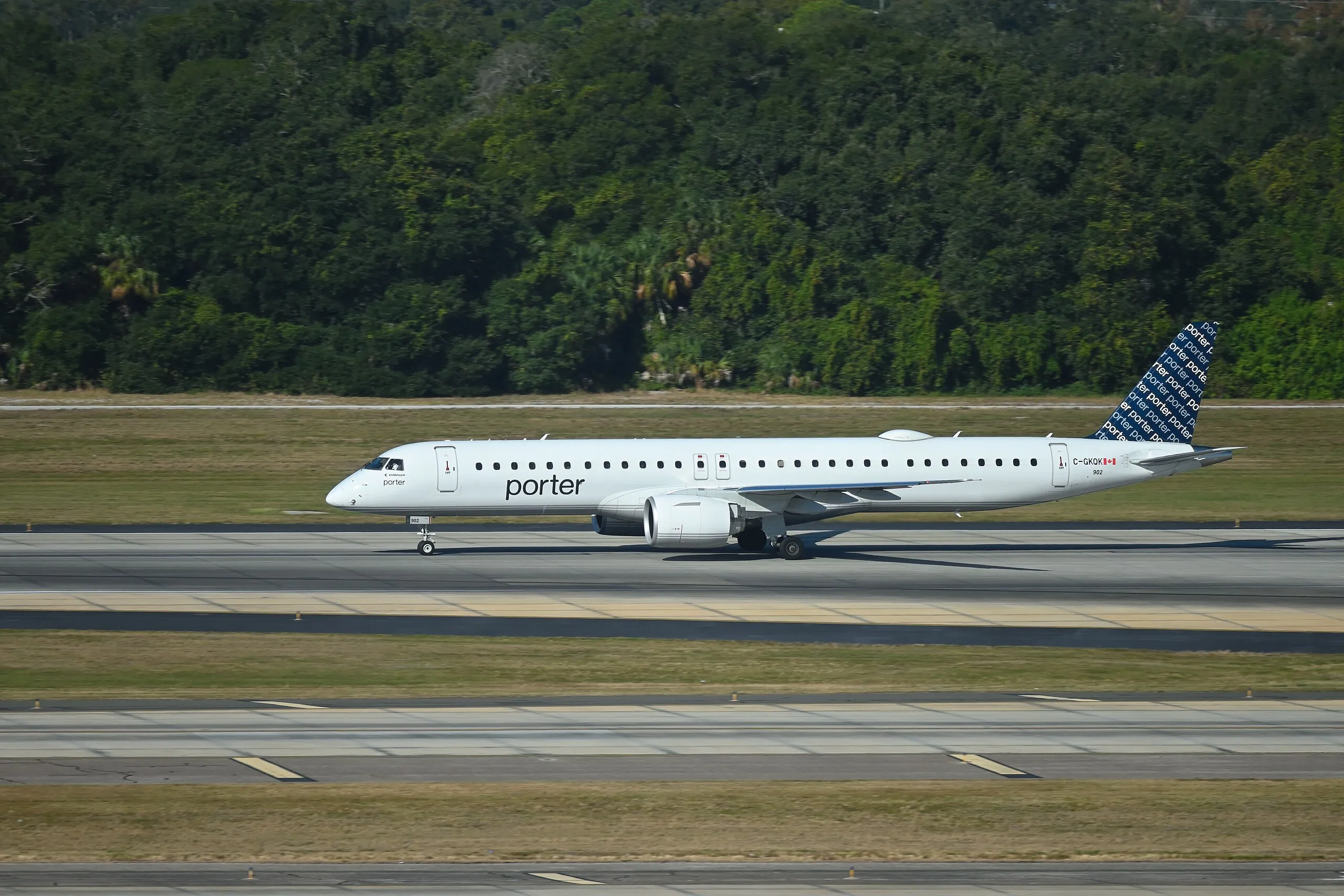
The manufacturer delivered 148 aircraft across business jets and commercial E-Jets in the first nine months of 2025 (102 business jets, 46 E-Jets), meaning it needs to deliver at least another 74 units (43 business jets + 31 E-Jets) in Q4 to hit its full-year target.
Embraer reported third-quarter revenues of about USD 2 billion (up 18 percent year-on-year) and a profit of USD 129 million—down 29 percent.
This production stability comes alongside the strategic decision to cancel the turboprop programme—allowing Embraer to focus resources on its core commercial and business jet segments, and on streamlining manufacturing efficiency.
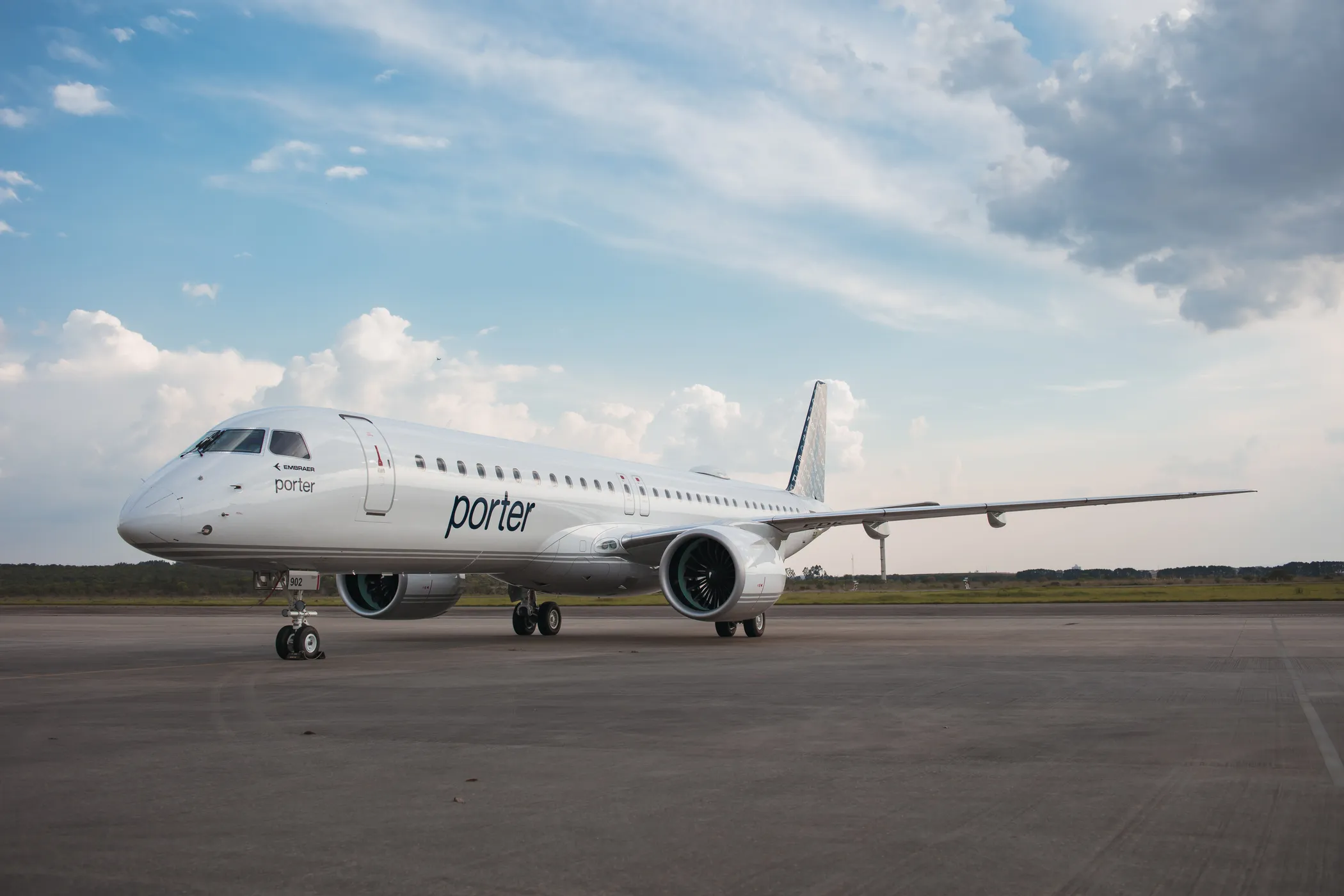
Strategic Implications
By halting the turboprop project, Embraer is stepping back from a segment where it once sought to re-enter aggressively.
The decision reflects the firm’s caution around engine readiness and market viability in the regional turboprop class.
Meanwhile, the company’s improved supply-chain position strengthens confidence in achieving its 2025 delivery targets and supports growth plans over the next five years.
Embraer remains clear that while it is not committing to any new clean-sheet design immediately, it is actively investing in new-technology aircraft—potentially larger or smaller than its current E195-E2—but only when the timing and technology align.
Bottom Line
Embraer’s cancellation of its next-generation turboprop program marks a decisive pivot away from a long-planned ambition, while its reassurance on supply-chain recovery and production delivery 2025 guidance signals operational confidence.
For the aviation market, this means fewer competitors in the 70–90-seat turboprop segment and a sharper focus from Embraer on its jet and business-aviation lines—without sacrificing delivery momentum.
Stay tuned with us. Further, follow us on social media for the latest updates.
Join us on Telegram Group for the Latest Aviation Updates. Subsequently, follow us on Google News
