

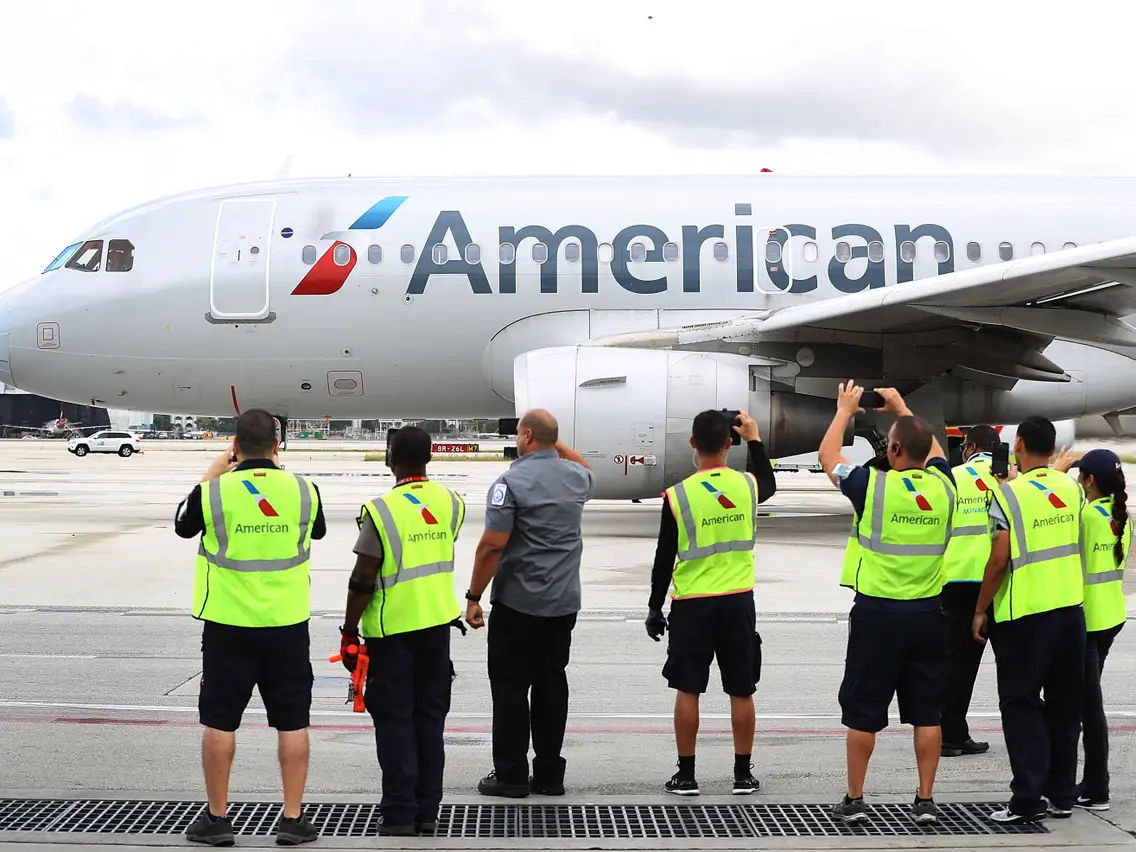
FORT WORTH- American Airlines (AA) is implementing large-scale management and support staff job cuts as part of a post-pandemic restructuring plan.
The move impacts various departments and airport teams as the carrier seeks greater operational efficiency and reduced costs.
While full details remain pending, reports suggest several thousand employees may be affected, including those at major airports such as Dallas–Fort Worth Airport (DFW) and corporate offices.
Some roles are reportedly being transferred overseas to a new operations hub in Hyderabad (HYD), India.
American Airlines Cuts Management Jobs
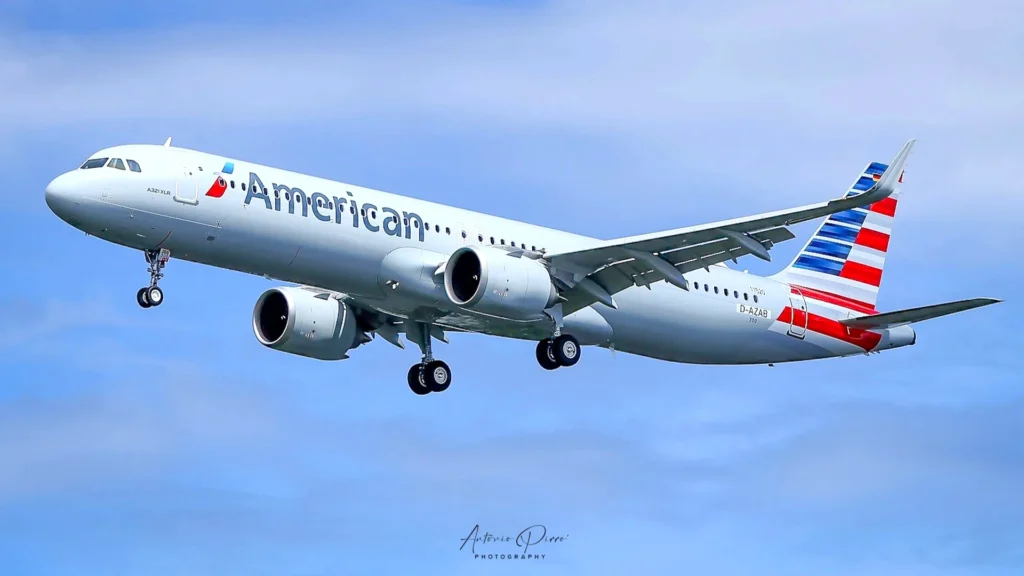
American Airlines is reportedly eliminating between 4% and 5% of its total workforce, equivalent to roughly 5,000–6,500 positions across management, customer support, and technical operations.
Employees in IT and administrative roles are among the most affected, with several positions moved offshore to consolidate functions and lower costs.
The airline’s leadership appears focused on reversing COVID-era overstaffing and aligning its workforce size with post-pandemic demand.
According to JonNYC, this move reflects a broader shift within the aviation industry, where automation, AI integration, and digital service models have reduced dependency on manual processes.
While layoffs are never easy, analysts note that United Airlines (UA) recently reduced its management headcount by 4% without major layoffs, relying instead on natural attrition.
American, by contrast, seems to be taking a faster and more aggressive route toward cost realignment.
Balancing Cost Cuts with a Premium Vision
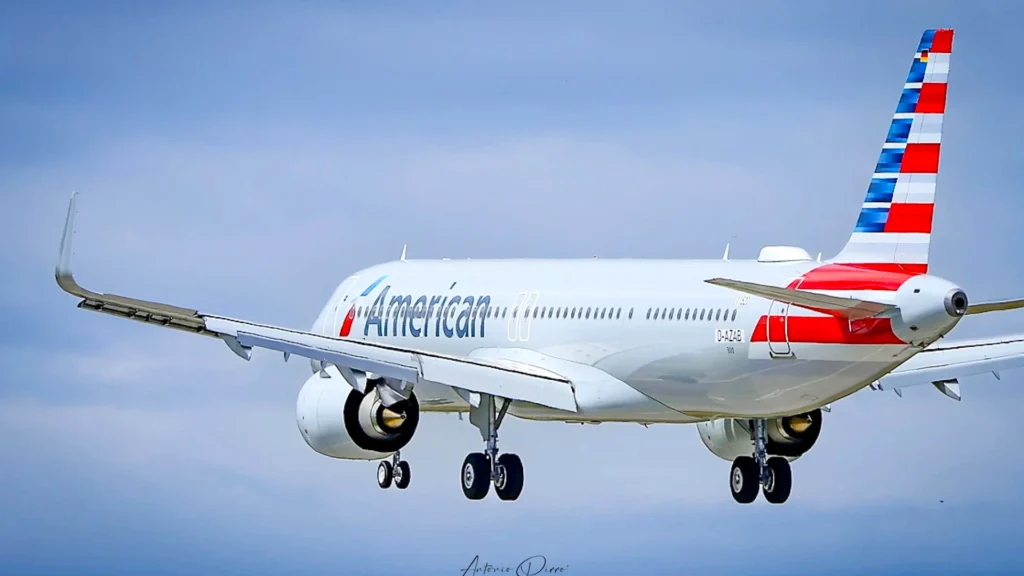
American Airlines’ decision comes at a critical moment as it repositions itself from a cost-cutting model toward becoming a “premium” full-service carrier, competing directly with Delta Air Lines (DL) and United Airlines (UA).
However, industry observers caution that layoffs alone may not deliver the transformation American seeks. The airline still faces the challenge of defining a clear, unified vision for both its employees and passengers.
While fewer managers can streamline decision-making, the lack of internal alignment may hinder efforts to rebuild morale and service quality.
Some analysts argue that the airline’s real opportunity lies not just in trimming costs, but in rethinking how its people, technology, and service strategy align with long-term revenue goals.
Human and Operational Impact
As news of the layoffs spread, employees described emotional scenes across several US locations. Workers reported being called into meetings where their security badges were deactivated and access revoked immediately.
A 37-year veteran in IT shared that the announcement came with little warning. “Devastated doesn’t begin to cover it,” wrote one spouse of a laid-off employee online.
For those remaining, uncertainty looms. The cuts have raised questions about morale, workload redistribution, and service consistency. Yet, from an operational standpoint, American aims to streamline decision-making, reduce redundancies, and improve performance metrics.
Strategic Reset
Industry cycles in aviation often oscillate between rapid expansion and cost containment. During the pandemic, airlines downsized dramatically, only to overhire when travel demand rebounded.
American’s current actions appear to be a correction, one that prioritizes sustainable efficiency over short-term growth.
Although the layoffs have caused frustration, many analysts view them as a necessary, if painful, step toward rebuilding a leaner, more resilient airline.
The success of this restructuring will ultimately depend on whether American can maintain service quality and regain competitiveness against rivals already executing more cohesive strategies.
Bottom Line
American Airlines (AA) is executing significant workforce reductions aimed at aligning costs with a shifting market reality.
The strategy reflects a global recalibration of airline operations, balancing automation, outsourcing, and premium repositioning.
While the layoffs mark a difficult chapter for many employees, they may also represent the company’s attempt to define a clearer, more focused path forward in the post-pandemic aviation landscape.
Stay tuned with us. Further, follow us on social media for the latest updates.
Join us on Telegram Group for the Latest Aviation Updates. Subsequently, follow us on Google News
