

WASHINGTON— On October 30, the U.S. Senate confirmed General Kenneth S. Wilsbach as the next Chief of Staff of the United States Air Force (USAF), approved by unanimous consent just two days before the current top officer departs.
The swift action followed the Senate Armed Services Committee’s endorsement, and the changeover comes amid a broader leadership shuffle across the service. With the confirmation complete, Wilsbach will succeed General David W. Allvin, who announced his retirement last month.
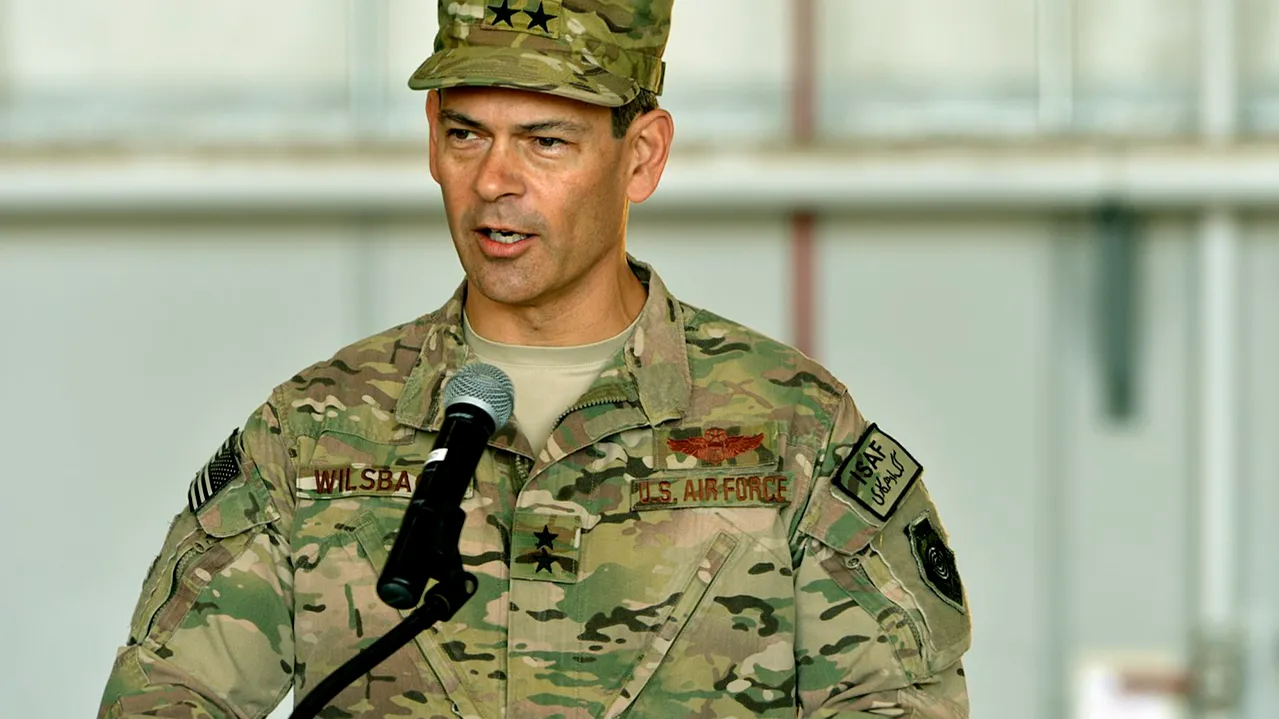
Air Force Chief Kenneth Wilsbach: A background
According to Aviation Week, USAF Chief of Staff Gen. David W. Allvin announced his retirement after only two years of what is typically a four-year term.
The abrupt departure triggered internal uncertainty within the Air Force and prompted senior leaders to expedite his successor’s appointment and appoint General Kenneth S. Wilsbach as the next Chief of Staff of the USAF.
General Wilsbach brings nearly four decades of service to the role, first commissioned in 1985 through the University of Florida Reserve Officer Training Corps programme and earning his pilot wings in 1986.
He is a command pilot with more than 6,000 flight hours and has flown 71 combat missions during operations such as Northern Watch, Southern Watch, and Enduring Freedom.
He holds multiple advanced degrees, including a Master of Aerospace Science and degrees in national security and strategic studies.
His assignments include commanding a fighter squadron, operations group, two wings, two numbered air forces, and two major commands.
From July 2020 to February 2024, he served as Commander of the Pacific Air Forces (PACAF), where he oversaw Air Force activities across nearly half the globe:
- He assumed command of the Air Combat Command (ACC) at Joint Base Langley-Eustis, Virginia.
- He was responsible for more than 150,000 personnel and over 1,000 aircraft.
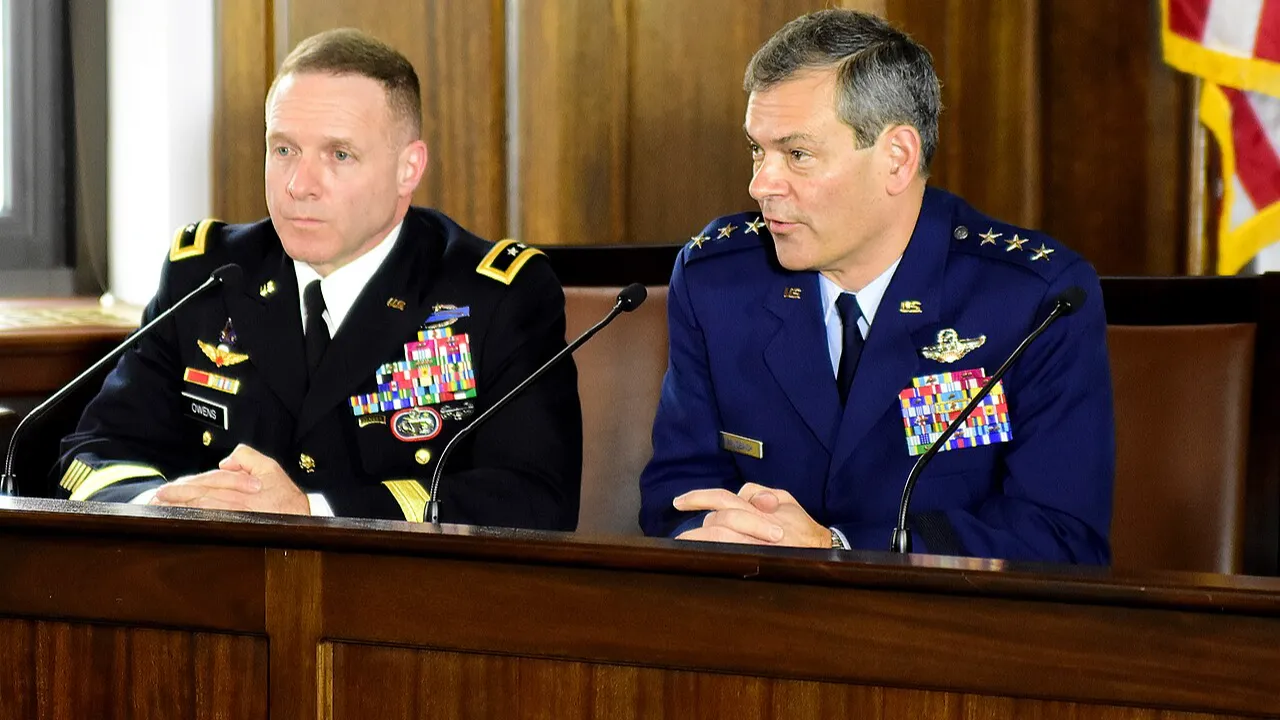
https://commons.wikimedia.org/wiki/File:Military_leaders_brief_Alaska_legislators_170323-A-SO352-005.jpg
Appointing the USAF’s Chief
The timing of the confirmation is noteworthy: Wilsbach’s Senate approval occurred just two days before General Allvin’s retirement, leaving little gap in the service’s leadership.
Allvin’s early departure had sparked concern over continuity at the senior command level, and the Air Force had been operating without a designated successor until this week.
Wilsbach will assume his duties despite the vice-chief of staff slot currently vacant and amid several abrupt senior retirements across the Pentagon.
Air Force Secretary Troy A. Meink welcomed Wilsbach’s elevation in a social media post, calling him “the right leader” thanks to his vast experience commanding forces in the Pacific and combat-trained units across multiple levels of the service.
Wilsbach now becomes the 24th Chief of Staff of the Air Force and inherits a service under pressure to modernize while sustaining global operations.
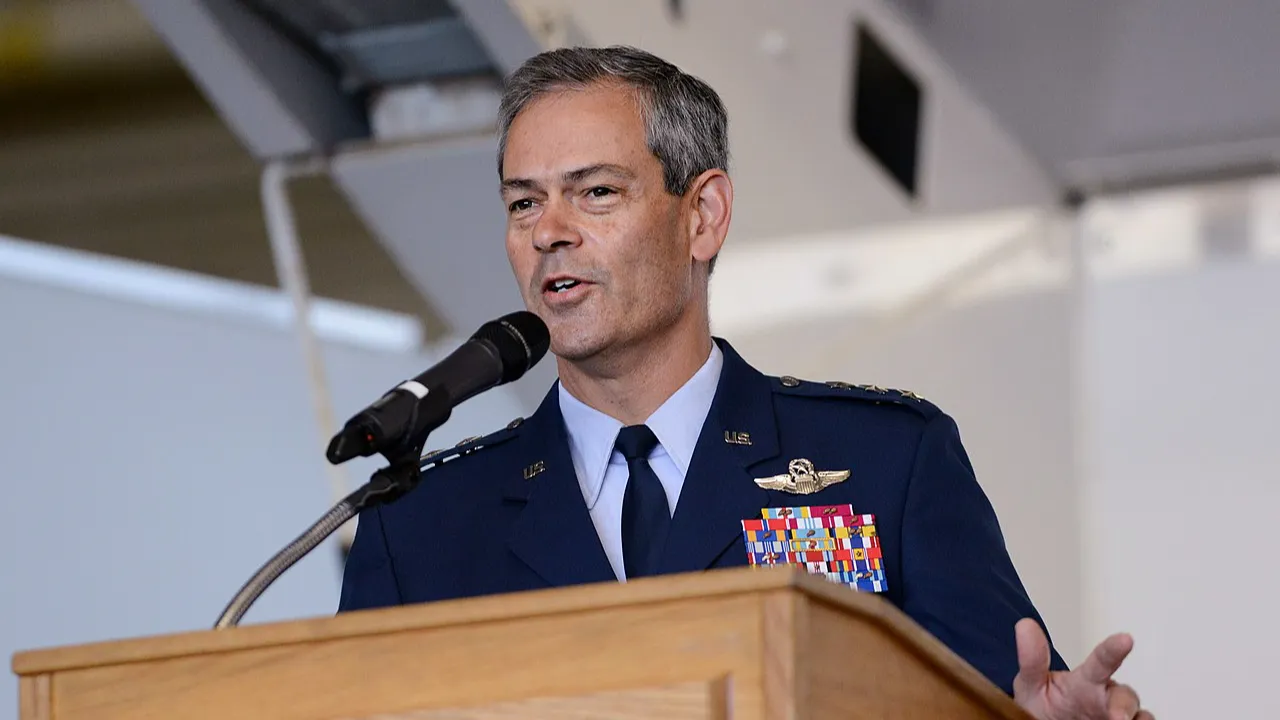
https://commons.wikimedia.org/wiki/File:JBER_673d_ABW_Change_of_Command_180713-F-PP120-1504.jpg
Strategic Implications
Wilsbach steps into the role as the Air Force pursues a refocus on great-power competition, particularly in the Indo-Pacific region, while modernizing its fighter fleet, reconcept platforms, and cyber capabilities.
Drawing on his prior command of both the Pacific Air Forces (PACAF) and Air Combat Command (ACC), Wilsbach brings a strategic orientation toward readiness, innovation, and competition that aligns with the shifting priorities of the U.S. defense enterprise.
First, his emphasis on modernization and integrated capability signals that the Air Force intends to accelerate adoption of emerging systems and networks.
Under his ACC command, he identified readiness, modernization, agile combat employment, and taking care of airmen as the four core priorities. ACC’s roadmap under his leadership explicitly stated: “If everything is a priority, nothing is a priority.” (quoted in Air Force Reserve Command).
Wilsbach has also emphasized the development of network-enabled kill chains, long-range engagement beyond line of sight, and integration of unmanned systems alongside manned platforms.
As his new senior appointment, these priorities become institutional imperatives, not just command-level guidance.
Bottom Line
The Senate’s confirmation of General Kenneth S. Wilsbach as Air Force Chief of Staff marks a critical moment for USAF, closing a leadership gap and placing a highly experienced aviator at the helm.
His decades of operational command, leadership in the Indo-Pacific, and focus on readiness equip him to lead the service through current strategic demands.
As he assumes command, the Air Force looks to accelerate modernization, strengthen global posture, and reassure stakeholders that the service remains fully capable and directed.
Stay tuned with us. Further, follow us on social media for the latest updates.
Join us on Telegram Group for the Latest Aviation Updates. Subsequently, follow us on Google News
