

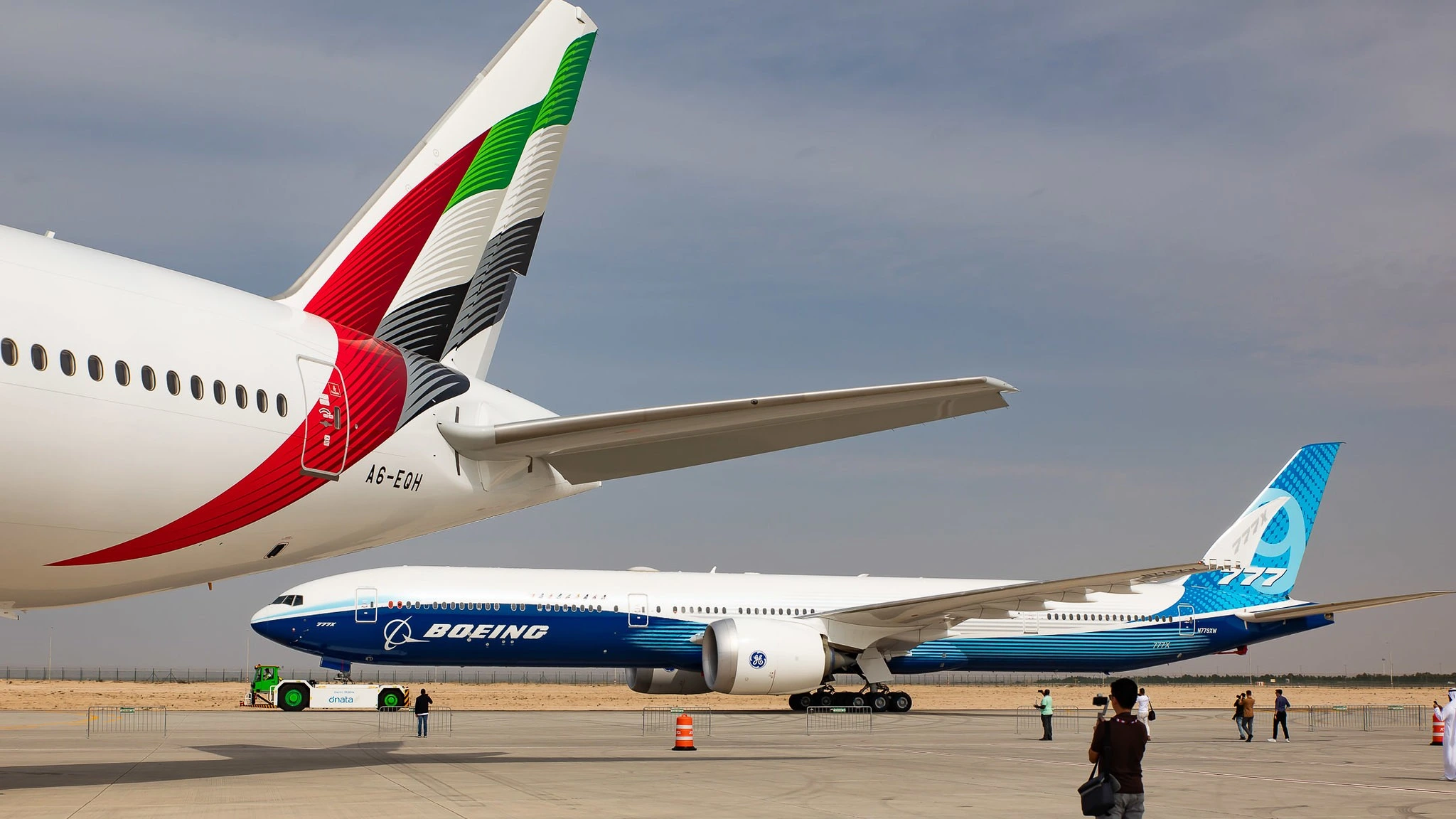
SEVILLE— Emirates (EK) President Tim Clark has voiced his frustration after discovering through the media — rather than direct communication — that Boeing now expects first deliveries of the 777-9 aircraft in 2027.
The carrier’s major wide-body order faces another delay as Boeing confirmed it needs at least all of 2026 to complete certification. Clark said he had recently met Boeing executives in New York and Seattle, and at no point had they indicated that the target delivery year was shifting to 2027.
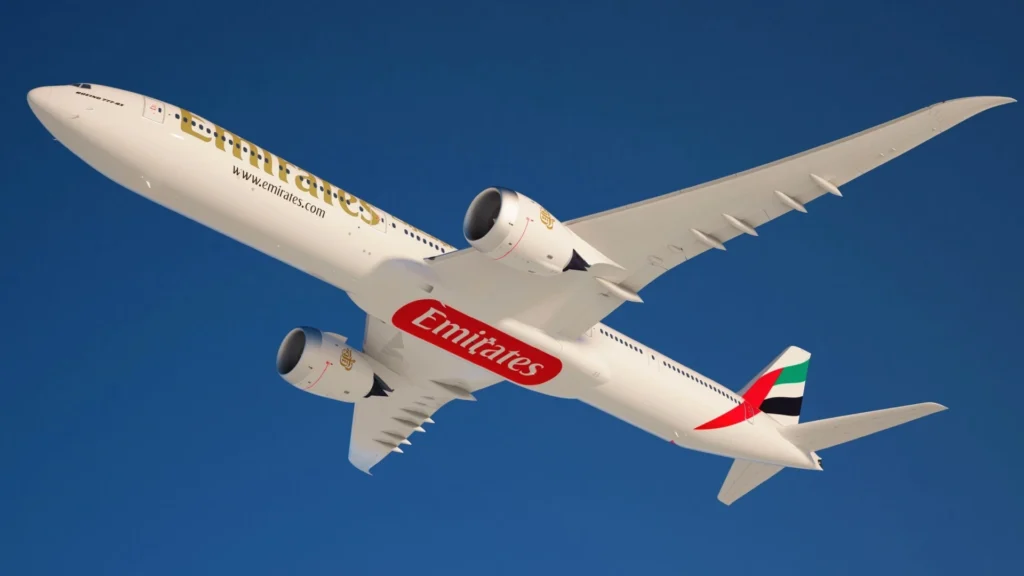
Emirates’ 777X exposure
According to Aviation Week, Emirates holds a large commitment to Boeing’s 777X family, with firm orders for 35 units of the 777-8 and 170 units of the 777-9. The original contract set an October 2025 delivery date for the first aircraft — a deadline now clearly missed.
As Boeing now projects a service entry in 2027, Clark and his team must adjust fleet-planning timelines and operational strategies accordingly. Because of repeated delays, Emirates in early 2024 froze and redesigned its 777-9 cabin layouts.
The airline’s suppliers for seats, galleys, and entertainment systems have been working intensively to meet the specifications for the “header version,” the first example of Emirates’ bespoke aircraft interior.
Communication breakdown and strategic concerns
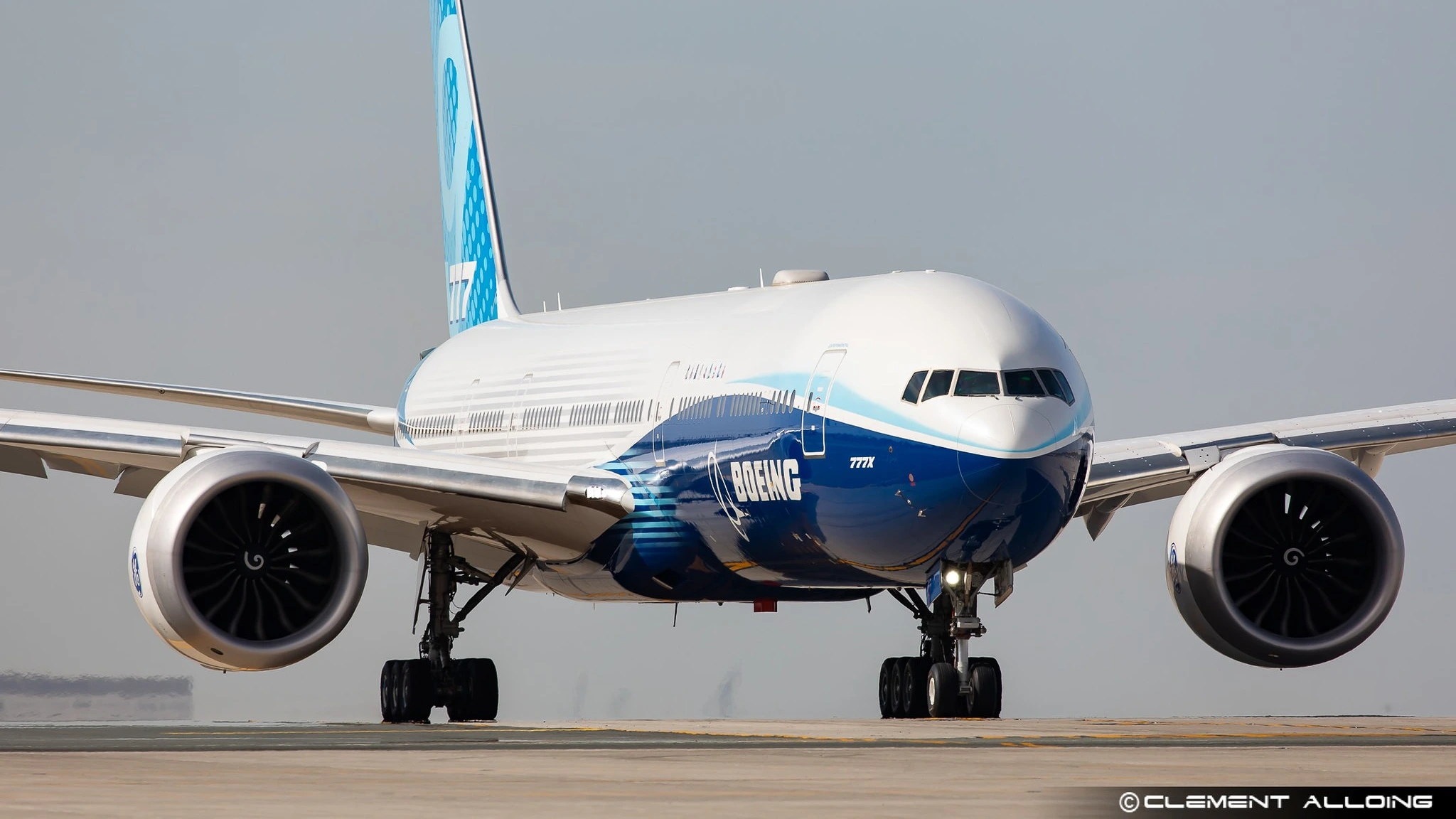
The heart of Clark’s grievance lies less in the delay itself than in how it was communicated. “When you say 2027, do you mean January or December? I’m a little bit miffed,” he said.
Clark argued that Emirates should have been briefed first, rather than learning of the shift through media channels.
He added that the Federal Aviation Administration’s certification work continues despite the U.S. government shutdown and urged Boeing to maintain full transparency on the process.
Clark expressed concern that the uncertainty surrounding the 777-9 delivery makes it difficult to coordinate with suppliers and finalize timelines for integration into the fleet.
With interior production and equipment supply chains already synchronized to earlier dates, the delay now risks causing costly scheduling disruptions.
Fleet-planning implications for Emirates
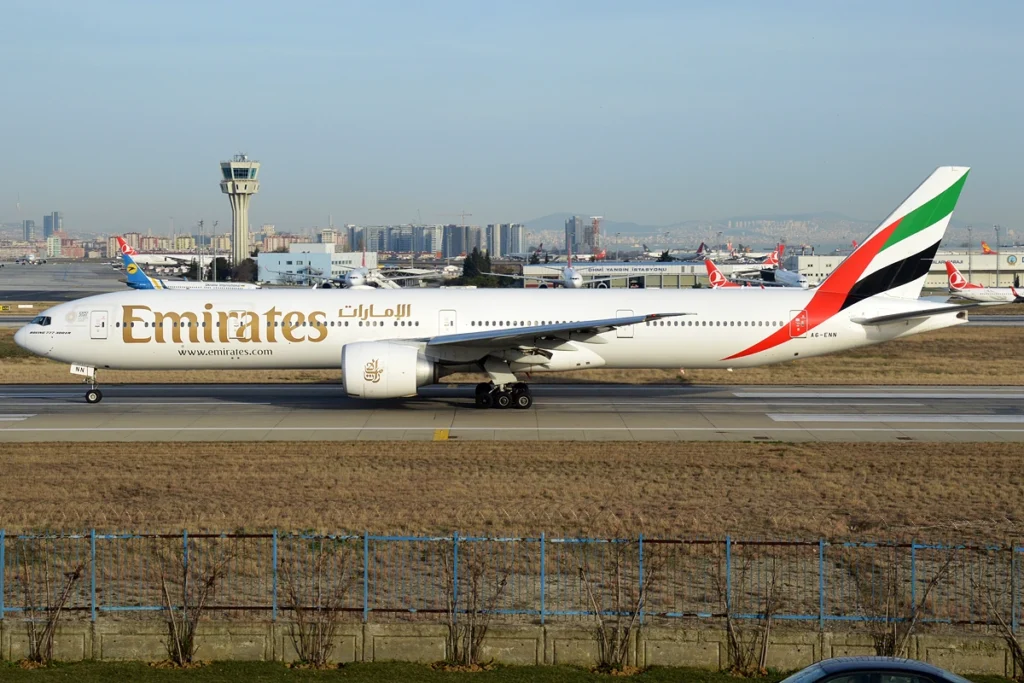
With the 777X programme slipping again, Emirates must keep its older aircraft flying longer and accelerate cabin-refurbishment efforts to sustain product standards.
Clark has also renewed calls for Boeing to commit to developing the proposed 777-10, a stretched version roughly 150 inches longer than the 777-9 and offering five to six additional rows in economy.
At the same time, Emirates is exploring alternatives with Airbus, pushing for a higher-capacity Airbus A350-1000 variant as part of its long-term plan to replace the Airbus A380.
Clark noted that while Boeing has shown renewed focus on the 777X project, Emirates needs firmer timelines to manage network expansion and aircraft lifecycle planning effectively.
Bottom Line
Emirates’ open frustration reflects more than just irritation over another schedule slip — it highlights a broader issue of communication and trust between manufacturer and customer.
With hundreds of 777X aircraft on order and years of planning already invested, Emirates must now recalibrate its fleet strategy while Boeing works to rebuild credibility by aligning commitments with transparent, timely updates.
Stay tuned with us. Further, follow us on social media for the latest updates.
Join us on Telegram Group for the Latest Aviation Updates. Subsequently, follow us on Google News
