

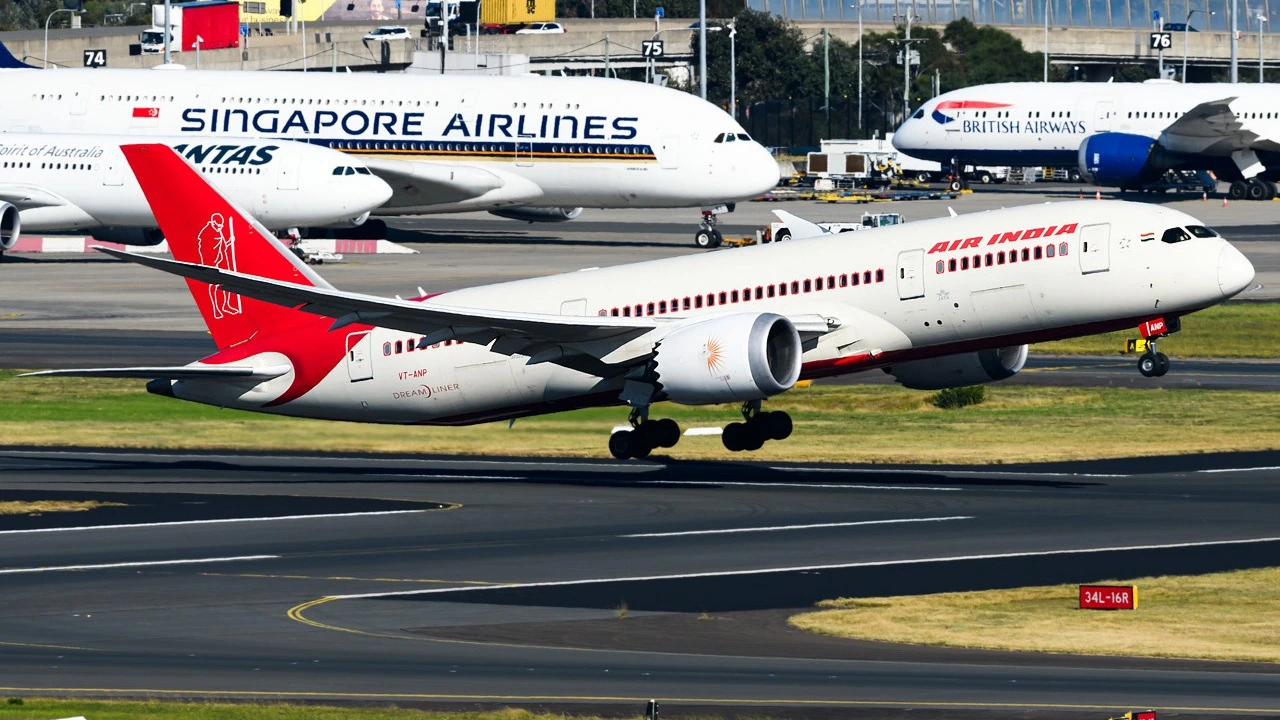
DELHI- Months after the fatal crash in Ahmedabad (AMD) that killed more than 240 people, Air India (AI) has sought ₹10,000 crore ($1.1 billion) in financial support from its owners, Tata Sons and Singapore Airlines (SQ), according to a Bloomberg report.
The funding request aims to help the carrier recover from the tragedy, strengthen internal systems, and establish its own engineering and maintenance units as part of a broader turnaround plan.
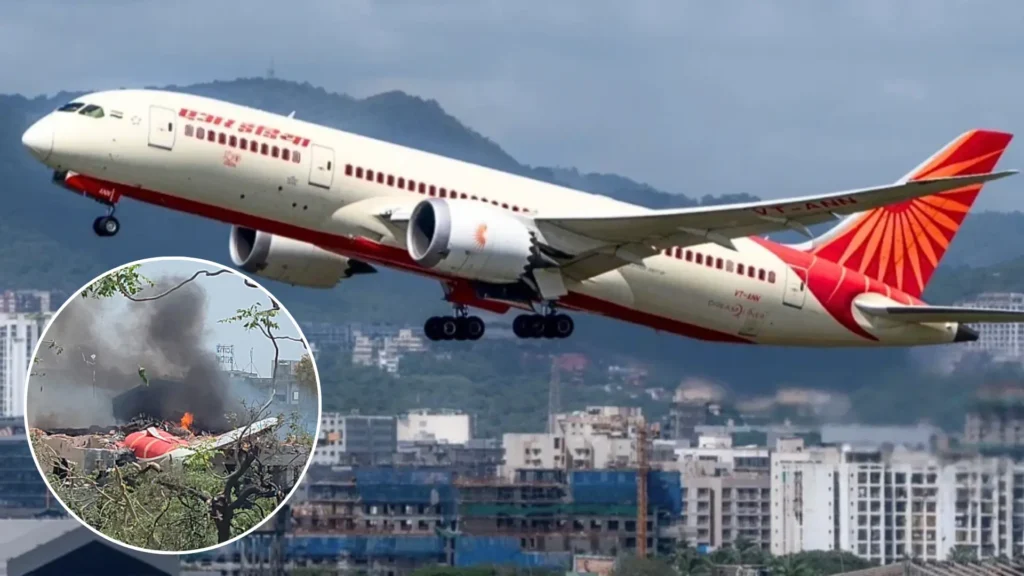
Air India Seeks $1.1 Billion Aid
Air India, jointly owned by Tata Sons (74.9%) and Singapore Airlines (25.1%), has been under financial pressure despite ongoing restructuring.
The proposed capital infusion would be proportionally shared between the two owners, though a decision is pending on whether it will take the form of equity or an interest-free loan.
The carrier, which once aimed to break even by March next year, now faces growing uncertainty. Persistent losses, rising operating costs, and competitive pricing in India’s aviation sector have made recovery difficult.
InterGlobe Aviation, which operates IndiGo Airlines (6E), remains the only profitable domestic airline with a 64% market share, highlighting the financial imbalance across the industry.
Air India’s financial recovery was already under strain before the Ahmedabad (AMD) disaster. The carrier was forced to operate longer west-bound routes after airspace restrictions between India and Pakistan were imposed following military confrontations in May.
The situation, triggered by India’s pre-emptive Operation Sindoor, added significant fuel and crew costs to Air India’s long-haul network.
On June 12, the crisis worsened when a Boeing 787 Dreamliner bound for London (LHR) crashed shortly after takeoff from Ahmedabad, killing nearly all passengers and crew.
The Directorate General of Civil Aviation (DGCA) responded with a comprehensive safety audit of Air India’s operations. Subsequently, the airline cut 15% of its widebody international flights between June and August, reducing its revenue further.
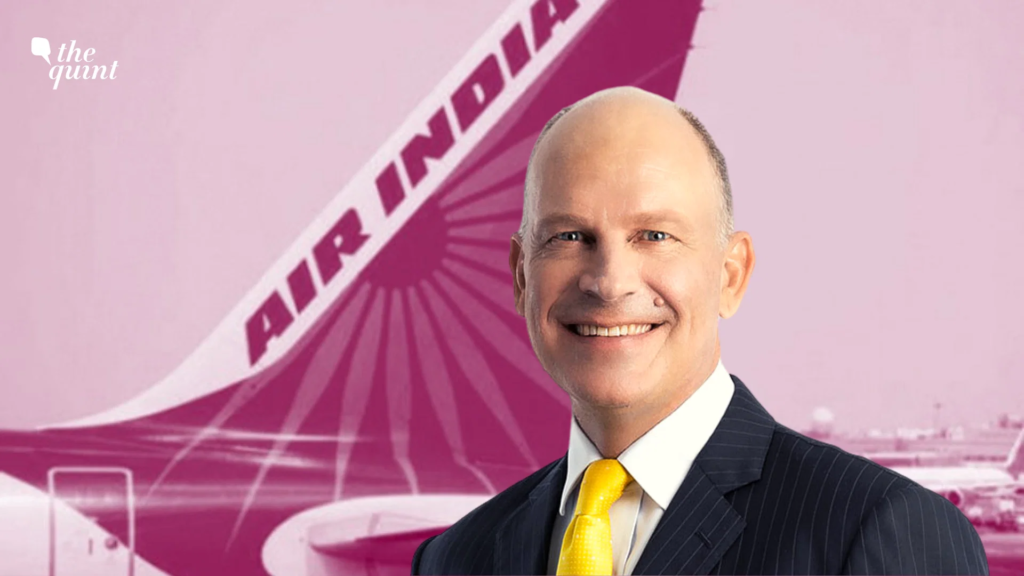
CEO’s First Public Remarks After Crash
Air India (AI) CEO Campbell Wilson stated that the preliminary report from India’s Aircraft Accident Investigation Bureau (AAIB) found no operational or technical faults in the airline’s systems following the June 12 crash of its Ahmedabad (AMD)–London (LHR) flight.
Speaking at the Aviation India 2025 Summit, Wilson said the investigation showed no issues with the Boeing 787’s engines or procedures, suggesting the incident may have stemmed from factors outside standard operations.
According to the AAIB’s interim findings, the Air India Boeing 787-8 Dreamliner that crashed seconds after take-off from Ahmedabad (AMD) lost power when fuel supply to both engines was cut off. The tragic accident, which occurred on June 13 and killed all 241 people on board, prompted an immediate and detailed investigation by aviation authorities.
Wilson emphasized that the report’s findings confirmed that Air India’s safety protocols, maintenance practices, and operational systems were not to blame. “Anything that happens in the industry is a reason to introspect and improve,” he said, adding that the interim report found no faults with the aircraft’s engines, fuel systems, or maintenance procedures.
He noted that while Air India (AI) was not directly involved in the official investigation, the airline has fully cooperated with authorities and remains committed to transparency. “We are working with investigators and await the final report. If there’s anything to learn, we’ll make sure we do,” Wilson said.
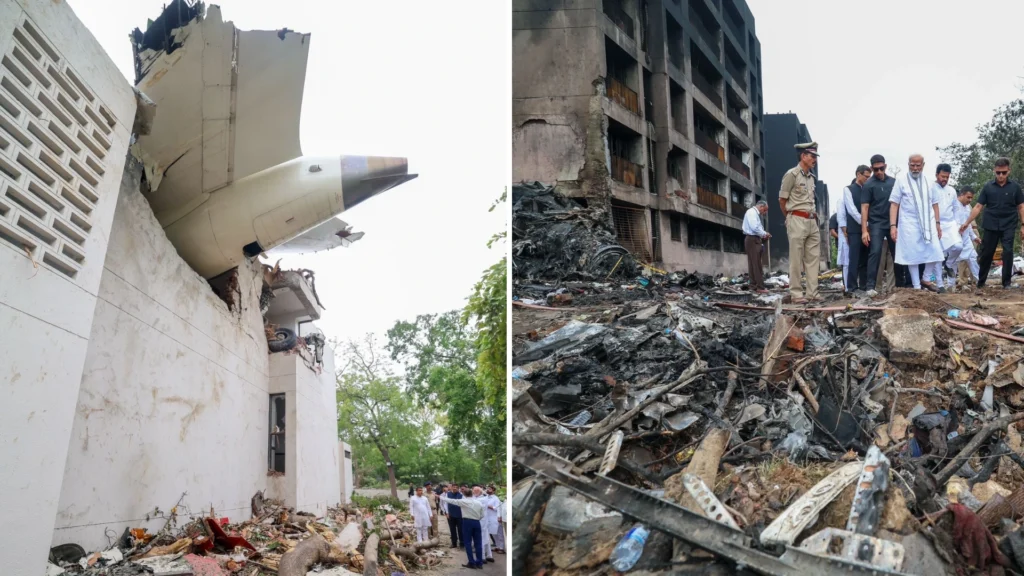
Humanitarian Support and Corporate Responsibility
Following the accident, Air India deployed over 600 personnel to Ahmedabad to assist local authorities and support affected families.
The airline, along with its parent company Tata Sons, established a trust fund to manage financial assistance and compensation.
Wilson confirmed that ex-gratia payments have been made to all affected families and that final compensation is being processed. “There is a commitment from both Air India and Tata to do everything possible to bring closure for those affected,” he said.
Return to Regular Operations
In the aftermath of the crash, Air India voluntarily implemented additional operational checks across its fleet. These measures were introduced both as a precaution and to ensure full regulatory compliance.
Wilson said these enhanced checks have now gradually been scaled back as operations return to normal levels.
He reiterated that safety remains the airline’s top priority, and every operational procedure is continuously reviewed for improvement.
Fleet Renewal Gains Momentum
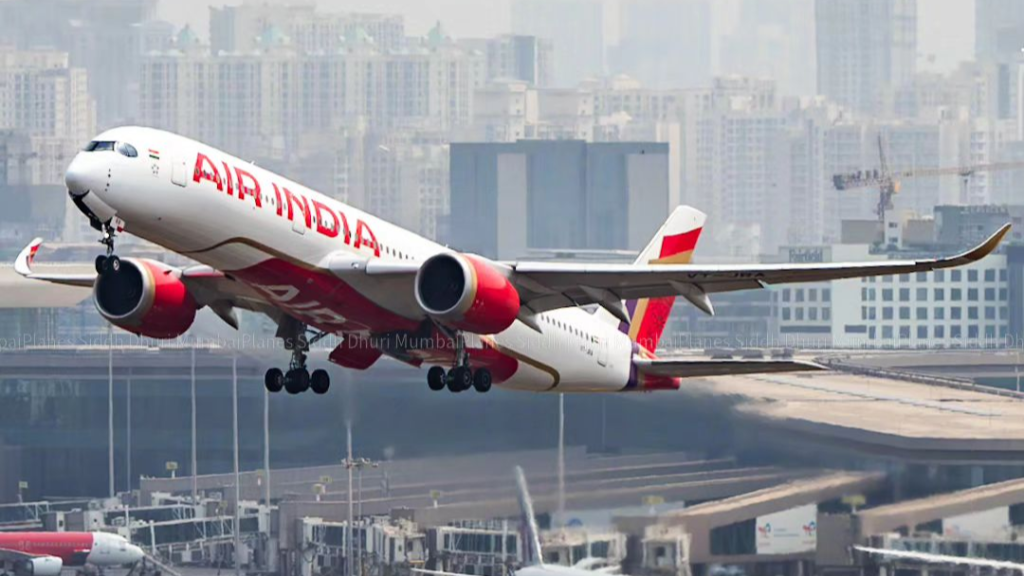
Air India (AI) plans to induct one new wide-body aircraft every six weeks starting in 2026, marking a key phase in its fleet renewal strategy. The move supports the airline’s goal of becoming a modern, globally competitive carrier by 2028, according to CEO Campbell Wilson.
The expansion includes deliveries of Boeing 787-9 and Airbus A350-1000 aircraft, alongside a complete refurbishment of its existing Boeing 787 and 777 fleet. This aligns with Air India’s five-year transformation plan launched after its privatization in 2022.
Air India (AI) will begin inducting the first Boeing 787-9 in December 2025, followed by a steady delivery pace of one wide-body every six weeks throughout 2026.
The arrivals will include multiple 787-9s and two Airbus A350-1000s during the 2026 fiscal year. These jets are part of the airline’s massive 570-aircraft order from Boeing and Airbus, which includes 68 wide-body aircraft. So far, six A350s have joined the fleet.
Including Air India Express, the Air India Group has added nearly 57 new aircraft across its fleet. The group expects to maintain an overall induction rate of one new aircraft every six to seven days over the coming years, significantly enhancing capacity and network reach.
Fleet Refurbishment
By 2027, Air India aims to complete the refurbishment of all 26 Boeing 787 aircraft, replacing seats, inflight entertainment (IFE) systems, carpets, curtains, and lavatories.
The 13 Boeing 777s will follow, with upgrades beginning in late 2026 and continuing through 2028. These refurbishments are designed to align cabin interiors with the standards of new deliveries, ensuring consistency across the fleet.
This extensive renewal supports Air India’s goal of redefining its long-haul product, improving reliability, and strengthening its international competitiveness.
Competitive Shifts in Indian Aviation
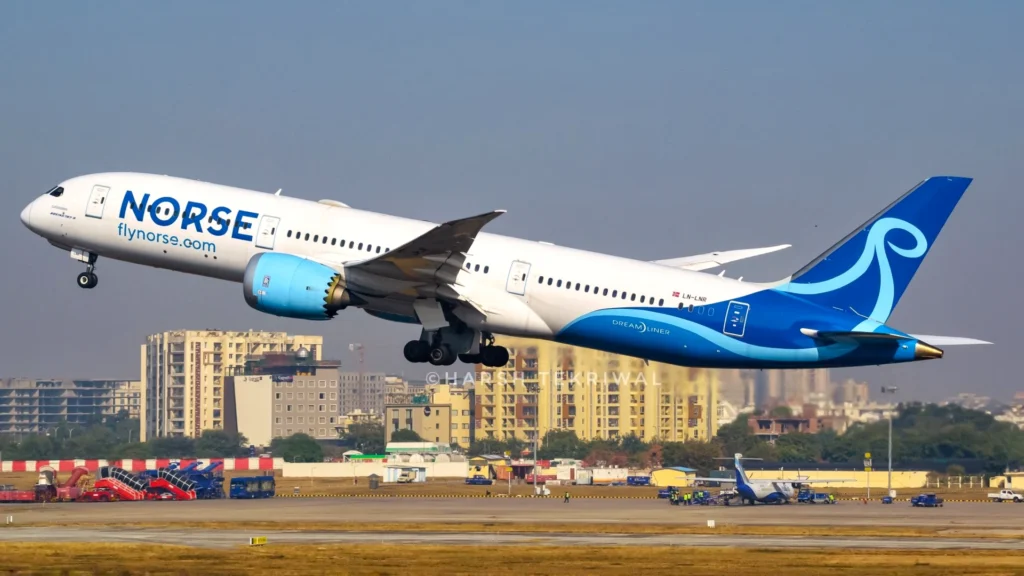
IndiGo (6E), India’s largest carrier, is also preparing for long-haul operations with its first Airbus A350 wide-bodies set to arrive in 2027. In the meantime, it has damp-leased four Boeing 787s from Norse to launch flights to Manchester (MAN), Amsterdam (AMS), Copenhagen (CPH), and London Heathrow (LHR).
The airline will also receive its first long-range Airbus A321XLR narrow-body next month, enabling more direct routes to Europe and Southeast Asia.
These developments mark a major shift in India’s aviation landscape, with both Air India and IndiGo investing heavily to expand international connectivity.
Market Access and Slot Challenges
Campbell Wilson noted that while markets such as Europe, Australia, and North America operate under Open Skies agreements, the main challenge for Indian airlines lies in airport slot availability. Foreign airlines have historically held an advantage in securing slots at both ends of key routes.
Wilson emphasized the need for “equitable access” to overseas slots to support the expansion plans of Indian carriers.
He also highlighted that foreign airlines currently uplift up to 90% of passengers transiting through their hubs, which limits India’s share of international traffic.
Balancing liberalization with the growth of domestic carriers, Wilson said, is critical to protect ongoing investments in aircraft, maintenance, and tourism infrastructure.
Stay tuned with us. Further, follow us on social media for the latest updates.
Join us on Telegram Group for the Latest Aviation Updates. Subsequently, follow us on Google News
