

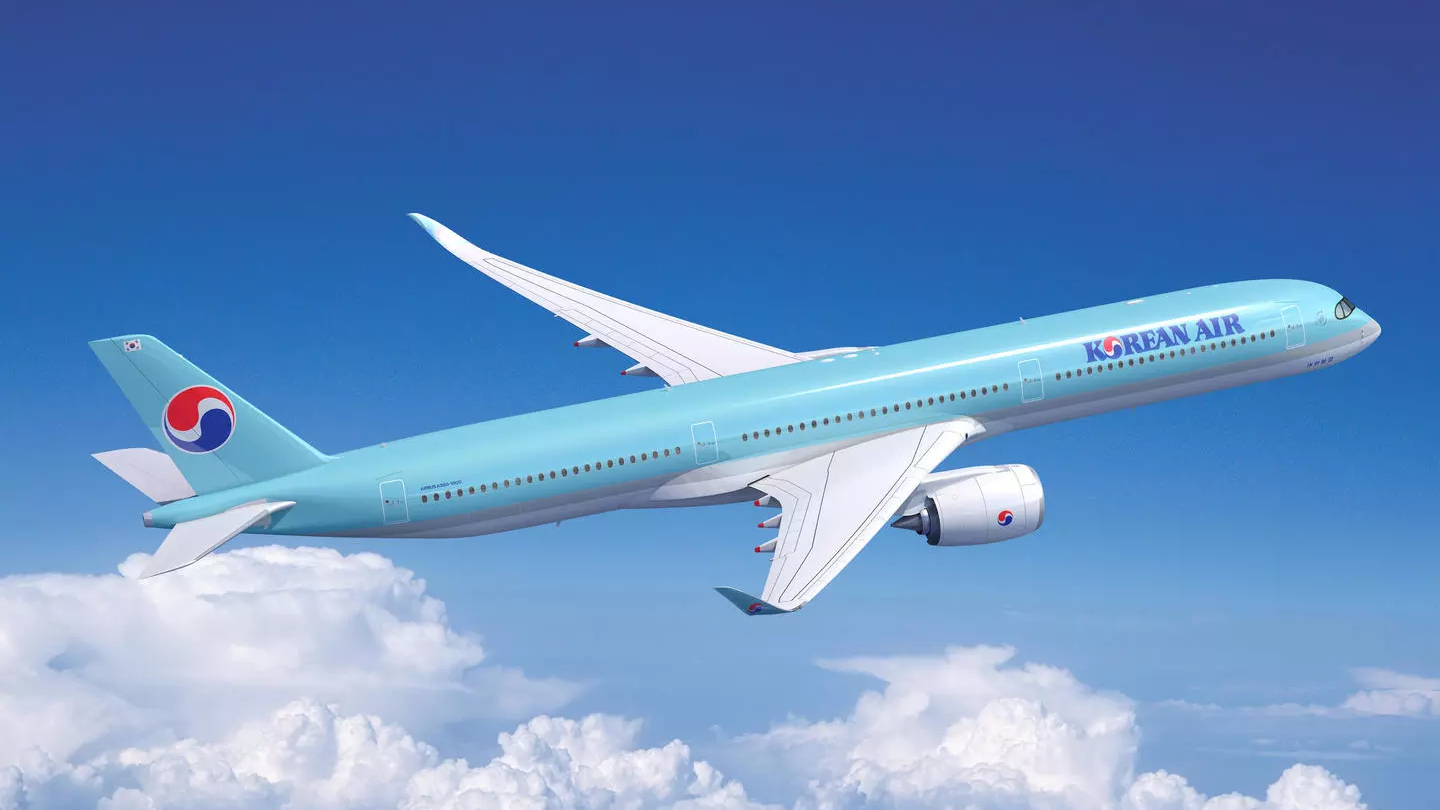
SEOUL— Korean Air (KE) has joined the list of global operators selecting the Airbus A350F, converting seven of its existing A350-1000 passenger aircraft orders into freighter versions. This move positions the airline as a new customer for Airbus’s next-generation cargo aircraft, aimed at improving fuel efficiency and reducing emissions.
The new A350F aircraft will strengthen Korean Air’s cargo operations from its hub at Incheon International Airport (ICN), one of Asia’s busiest freight gateways. With this conversion, the airline now holds orders for a total of 33 A350 aircraft.
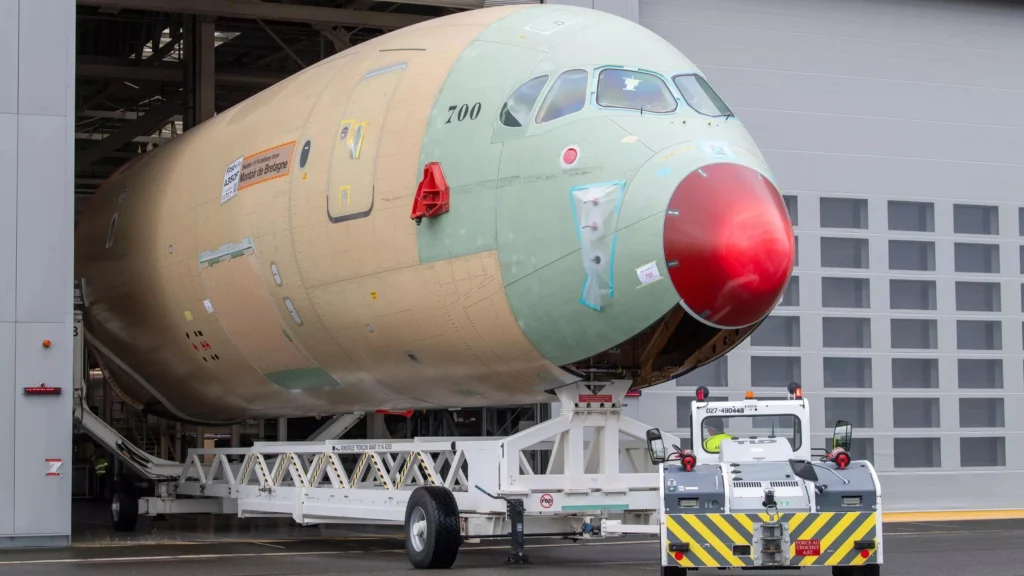
Korean Air A350F Order
Korean Air is one of the world’s largest cargo operators, and the decision to integrate the A350F into its fleet underscores its commitment to operational efficiency and environmental sustainability.
Airbus EVP of Commercial Aircraft Sales, Benoît de Saint-Exupéry, called the move a major endorsement of the A350F’s performance in the large freighter segment.
The A350F is currently the only all-new large freighter under development. It features the industry’s largest main deck cargo door and a fuselage optimized for standard pallets and containers.
More than 70% of the airframe is made from advanced lightweight materials, giving the aircraft a take-off weight 46 tonnes lower than comparable models.
Performance, Efficiency, and Environmental Compliance
The A350F can carry up to 111 tonnes of payload and fly up to 4,700 nautical miles (8,700 km). Powered by Rolls-Royce Trent XWB-97 engines, it delivers up to 40% lower fuel consumption and carbon emissions compared to previous-generation freighters with similar range and capacity.
It is also the only freighter designed to meet ICAO’s enhanced CO₂ emissions standards set to take effect in 2027. This compliance positions the A350F as a key part of the global shift toward sustainable air cargo operations.
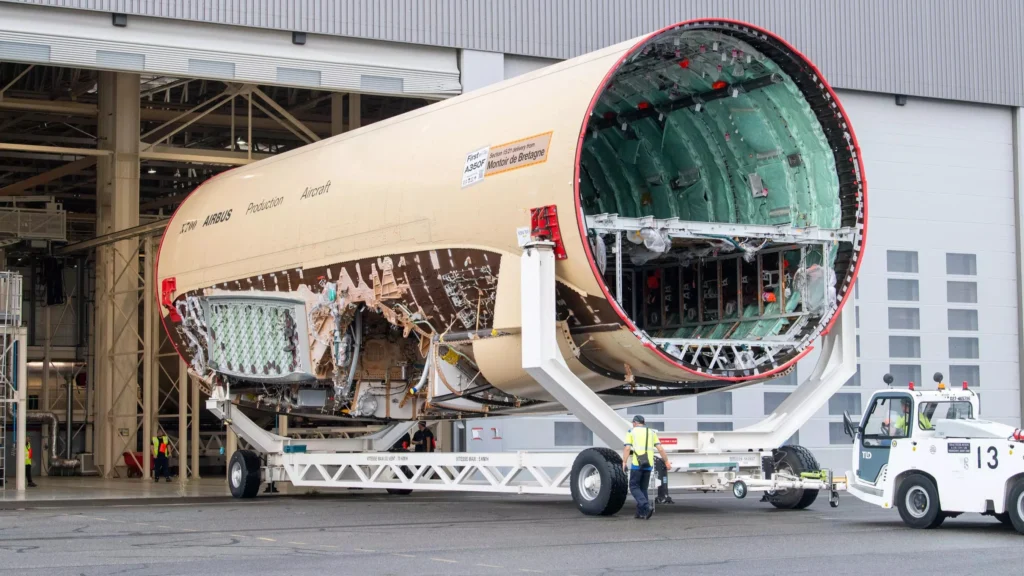
Airbus A350 Family Growth
As of September 2025, the Airbus A350 Family has accumulated 1,445 orders from 63 customers worldwide, including 65 for the A350F from 10 cargo operators and one leasing company.
For Korean Air, the updated order now includes 20 A350-1000s, seven A350Fs, and six A350-900s—two of which have already been delivered. The airline also has 39 Airbus A321neo aircraft on order, reinforcing its ongoing fleet modernization strategy across both passenger and cargo operations.
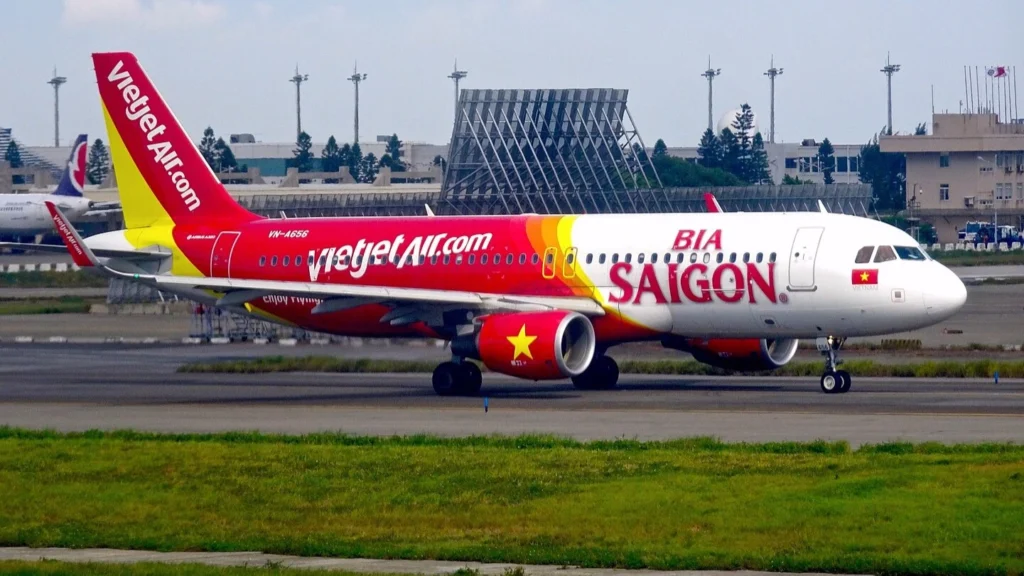
Airbus Gets Major Order from South Asian Carrier
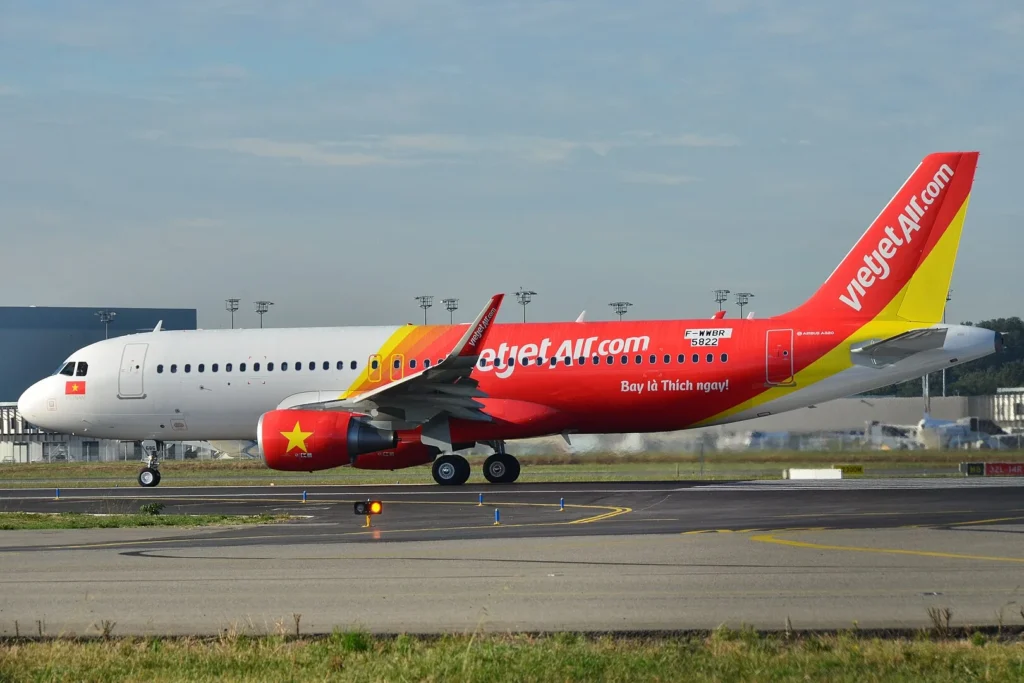
Vietjet (VJ), Vietnam’s largest private airline, has turned its June Memorandum of Understanding into a firm purchase for 100 Airbus A321neo aircraft. The agreement reinforces Vietjet’s rapid growth plan and continued fleet modernization efforts.
With this order, Vietjet now holds commitments for 280 A321neo aircraft, further strengthening its partnership with Airbus and aligning with the carrier’s regional and global expansion strategy.
The firm order for 100 A321neo aircraft marks a pivotal step in Vietjet’s long-term growth strategy. This deal follows closely after the airline’s order of 20 A330neo widebody aircraft in May, confirming its position as a key Airbus customer in Asia.
According to Vietjet Chairwoman Nguyen Thi Phuong Thao, the agreement represents more than a commercial transaction—it’s a symbol of trust and shared ambition for sustainable connectivity. The deal also reflects Vietjet’s focus on cost efficiency and route flexibility, particularly in high-demand markets across Asia-Pacific.
Airbus Executive Vice President Benoît de Saint-Exupéry highlighted the operational benefits of the A321neo, noting that the aircraft’s efficiency and performance will help Vietjet achieve competitive economics and operational commonality across its fleet.
Sustainability and Performance Advantages
The Airbus A321neo is the largest model in the A320neo Family and is known for its extended range, reduced fuel burn, and lower emissions. Featuring next-generation engines and Sharklets, it cuts fuel consumption and CO₂ emissions by more than 20%, while reducing noise by 50%.
Vietjet’s decision to prioritize the A321neo supports its environmental targets, as the aircraft can operate with up to 50% Sustainable Aviation Fuel (SAF) today, with Airbus aiming for full SAF capability by 2030.
This aligns with the industry-wide goal of reducing aviation’s carbon footprint while maintaining network flexibility and comfort for passengers.
Strengthening a Long-Term Partnership
Vietjet’s growing Airbus fleet underscores a strong and strategic partnership between the two companies.
By combining the A321neo’s narrow-body efficiency with the A330neo’s wide-body range, Vietjet is well-positioned to serve both domestic and long-haul international routes from Tan Son Nhat International Airport (SGN) and other key hubs.
As of September 2025, more than 7,100 A321neo aircraft have been ordered by nearly 100 airlines worldwide, solidifying its position as one of the most successful single-aisle aircraft programs globally.
Stay tuned with us. Further, follow us on social media for the latest updates.
Join us on Telegram Group for the Latest Aviation Updates. Subsequently, follow us on Google News
