

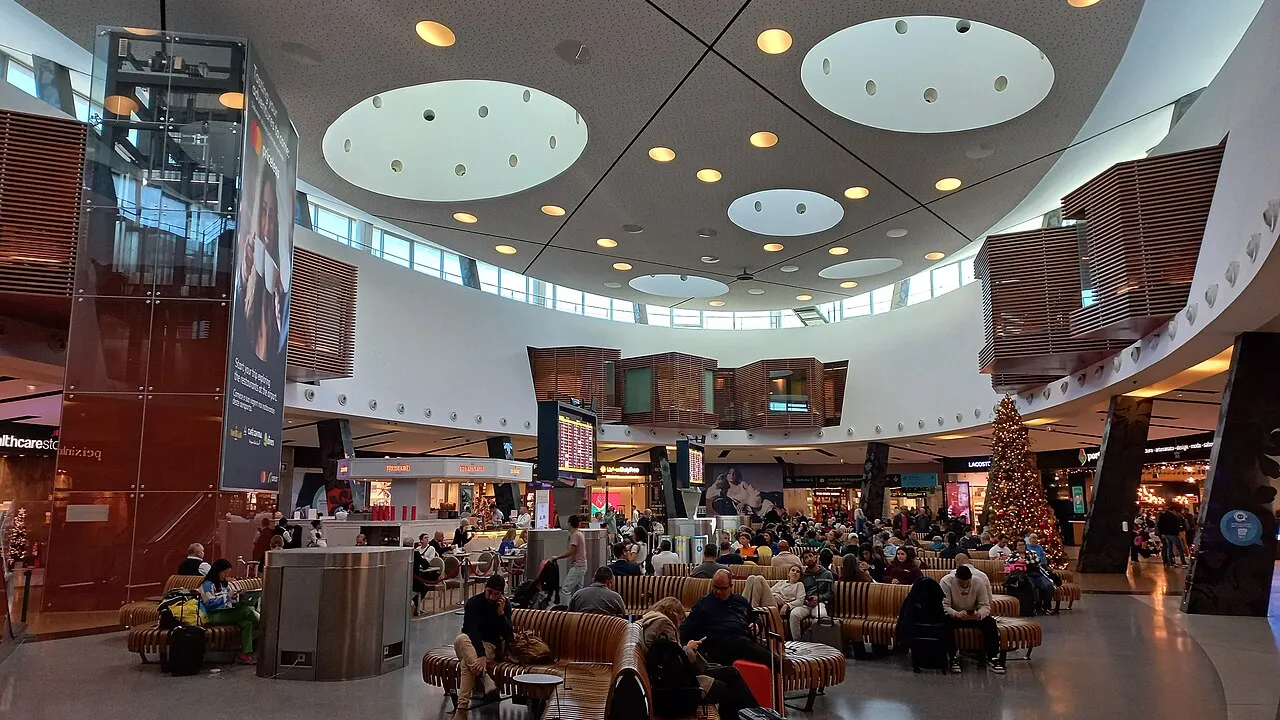
LISBON— Frustration grew at Humberto Delgado Airport (LIS) this week as passengers faced hours-long queues at passport control, causing several to miss their flights. The delays come as part of Portugal’s rollout of the European Union’s new Entry-Exit System (EES).
The new EES is designed to make travel smoother and more secure by recording biometric data — fingerprints and facial scans — for non-EU travelers entering or leaving the Schengen zone. But its early days have proved rocky.
https://commons.wikimedia.org/wiki/File:Portugal-Lisbon-airport_Humberto_Delgado-01ASD.jpg
Travelers Speak Out
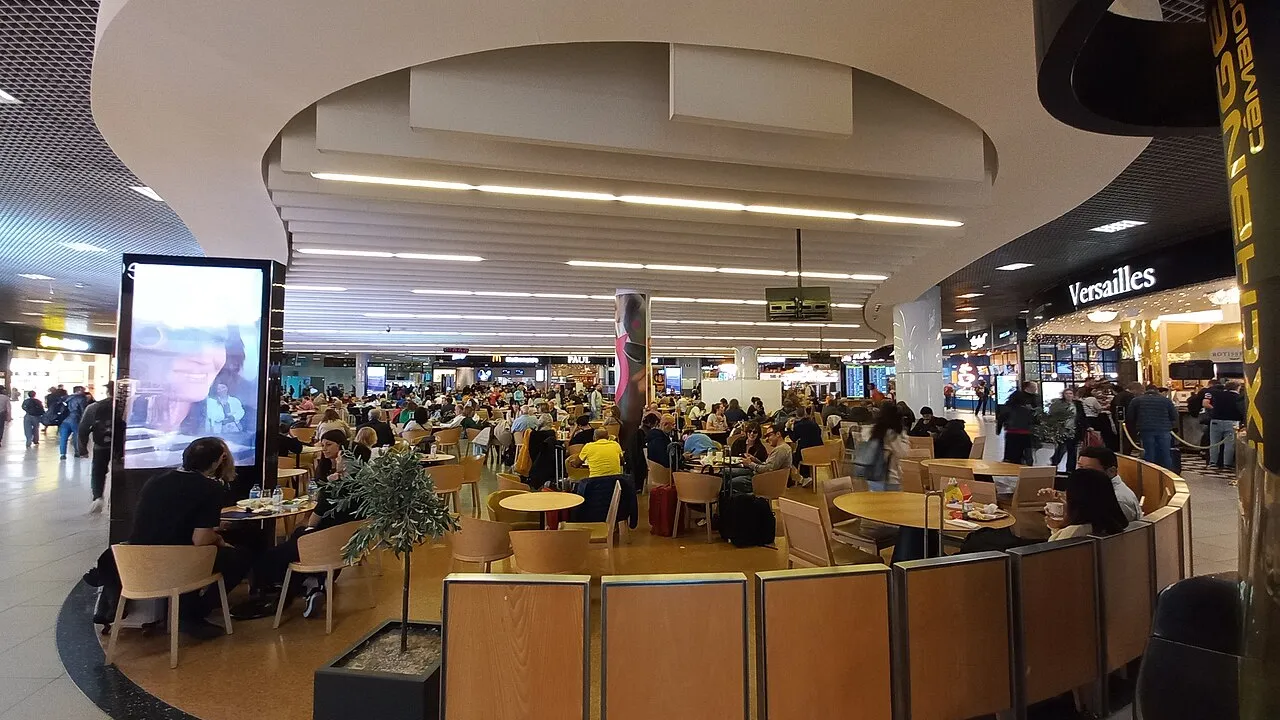
Instead of speeding things up, the debut of EES at Lisbon has created bottlenecks stretching deep into the terminal.
Several travelers reported waiting well over an hour and a half at passport control. By the time they reached their departure gates, their aircraft doors had already closed. Some described the queues as “snaking endlessly”.
Couples and families caught in the congestion described scenes of confusion and tension. Many said they had arrived well before departure — some even three hours ahead — only to be trapped in slow-moving lines with no way to skip ahead.
Others expressed frustration at having to pay to rebook their flights, with some missing important connections or holidays. While airlines generally reminded passengers to check in early, travelers insisted the delays went far beyond normal expectations.
One of the passengers was quoted in the Daily Mail, as having expressed:
Eventually, we got through passport control and ran to the gate only to be refused boarding as it was too late….. Nine of us stood in disbelief. We had to book and pay for another flight home, go back through passport control, collect our luggage and wait for our new flight.
https://commons.wikimedia.org/wiki/File:Annual_passenger_traffic_at_Lisbon_airport.png
Staffing and System Glitches
Airport sources said a mix of factors contributed to the chaos.
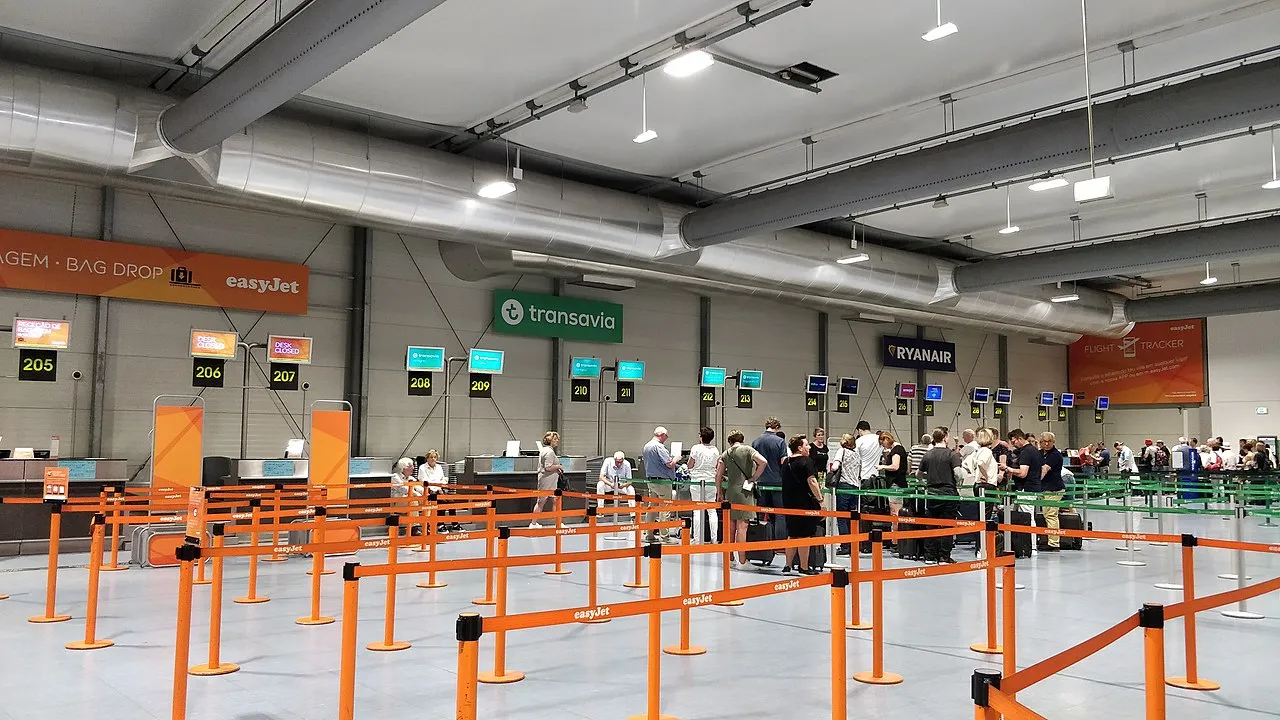
Limited staffing at border control checkpoints, combined with technical hiccups in the new biometric machines, created a perfect storm during peak travel hours.
Officers reportedly had to switch to manual checks for several travellers when scanners malfunctioned, further slowing the process.
The Portuguese authorities have acknowledged “teething issues” as the system transitions from manual stamping to full automation. Extra officers are expected to be deployed temporarily, especially during the busy weekend rush.
https://commons.wikimedia.org/wiki/File:Lisbon_Airport,_Terminal_2_(1).jpg
A Wider European Challenge
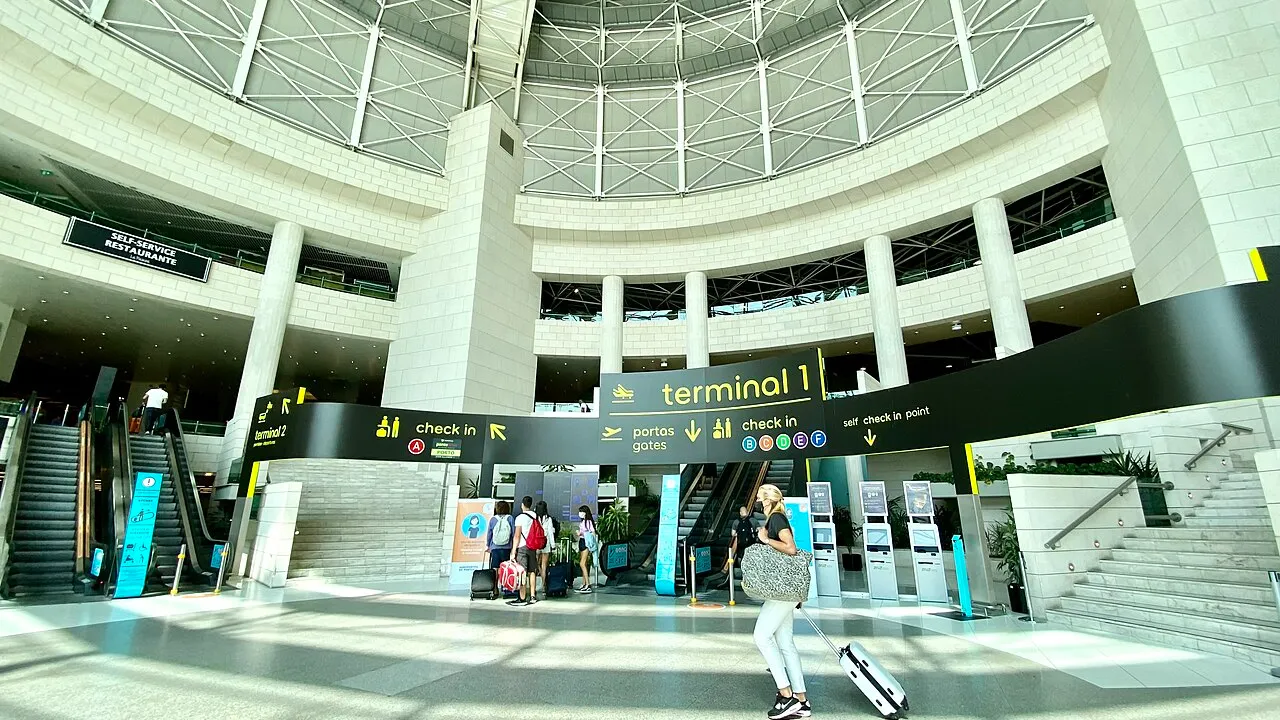
Lisbon’s experience isn’t unique. Other major European airports have also seen similar slowdowns as they adjust to the EES rollout.
The system aims to strengthen border security and track travel more efficiently, but airports are learning that integrating new technology across multiple checkpoints is rarely seamless.
For frequent travelers, especially those outside the EU, the system may initially mean longer waits until staff and equipment adapt to the new process.
https://commons.wikimedia.org/wiki/File:Aeroporto_Humberto_Delgado_(Portela_Airport)_Lisbon,_Portugal_(51325016679).jpg
What Travelers Can Expect
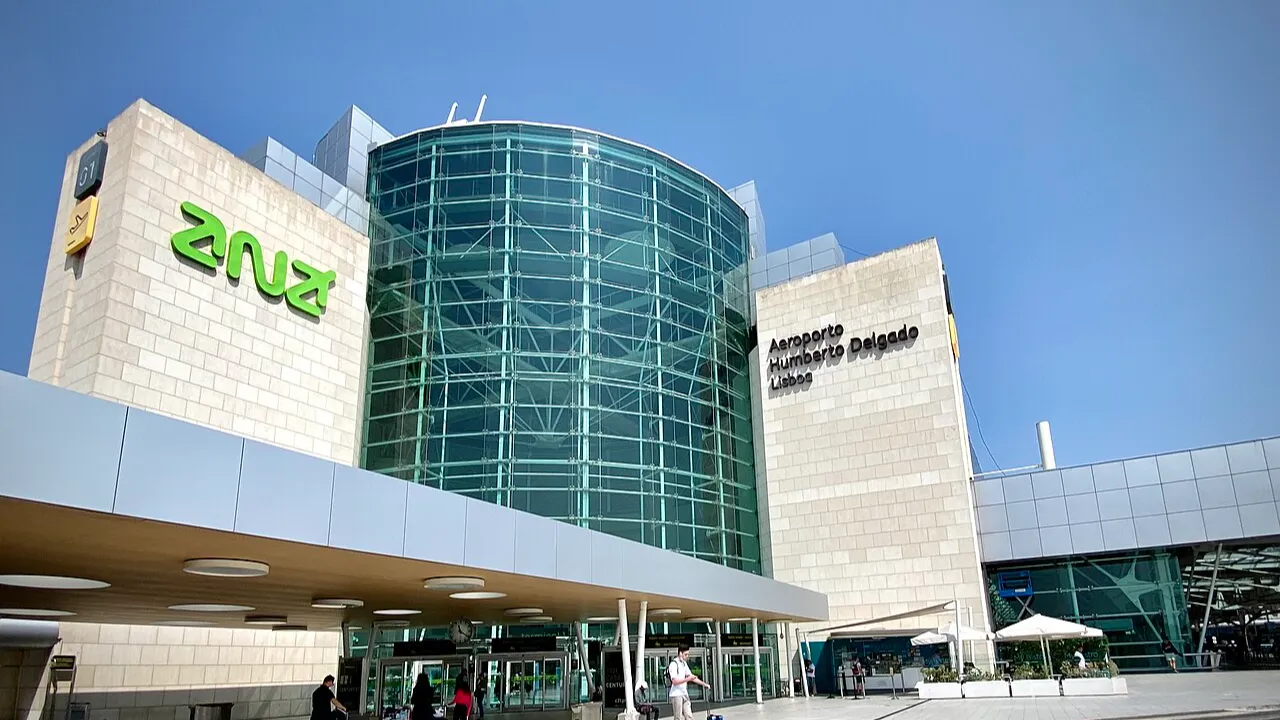
Authorities are advising passengers flying out of Lisbon to arrive even earlier than usual — at least three and a half hours before departure — particularly for non-EU destinations.
Priority or fast-track lanes may be expanded, and additional biometric kiosks are expected to be installed in the coming weeks.
For now, however, travelers are being urged to plan for unpredictability.
Those with tight connections or travel commitments may want to build in extra buffer time to avoid being caught in another wave of delays.
https://commons.wikimedia.org/wiki/File:Aeroporto_Humberto_Delgado_(Portela_Airport_Aeroporto_de_Lisboa),_Lisbon,_Portugal_(51323558287).jpg
Bottom Line
Lisbon’s passport control delays highlight the growing pains of Europe’s shift toward digital border management.
The Entry-Exit System promises greater efficiency and security in the long term, but for now, passengers are bearing the brunt of its rocky start.
Until the process stabilizes, early arrivals — and a good dose of patience — remain a traveller’s best defense.
Stay tuned with us. Further, follow us on social media for the latest updates.
Join us on Telegram Group for the Latest Aviation Updates. Subsequently, follow us on Google News
