

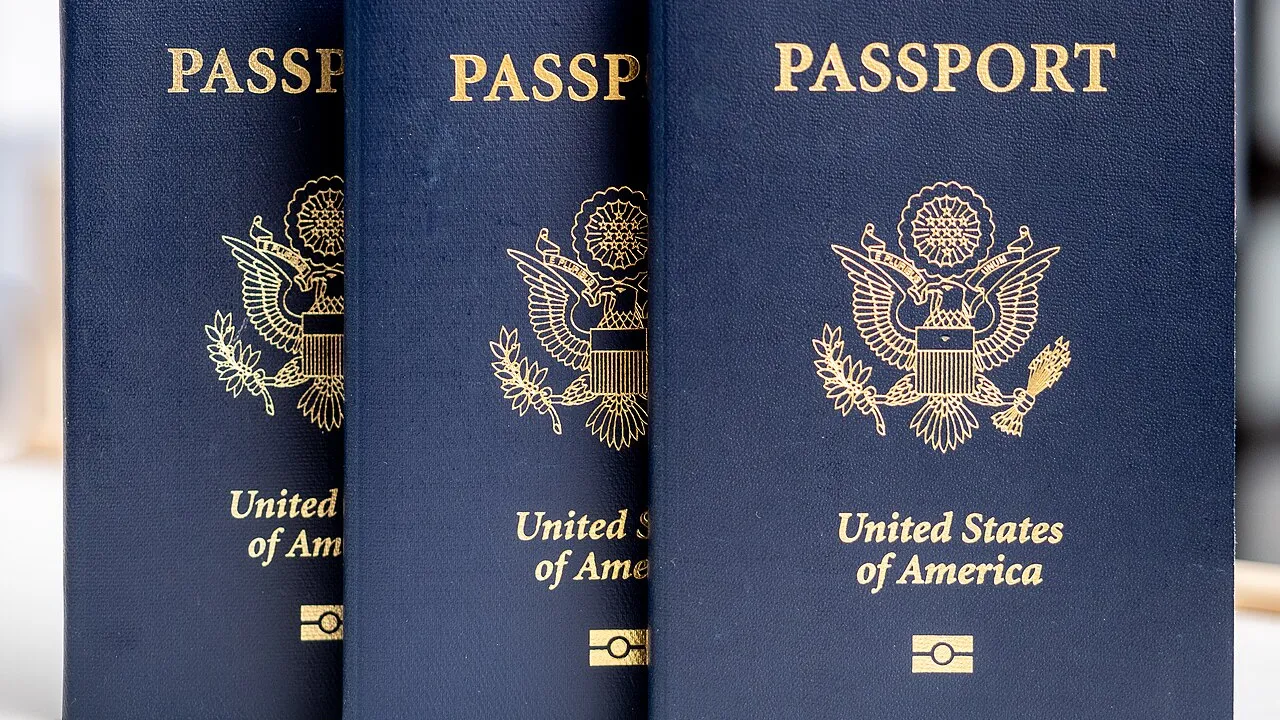
WASHINGTON, D.C— The power of the United States passport has weakened to its lowest position in two decades, as the latest Henley Passport Index shows a significant shift in global mobility. Once ranked No. 1 in 2014, the American passport now sits at 12th place.
The new ranking, compiled using data from the International Air Transport Association (IATA), shows that the US is currently tied with Malaysia, and reflects a growing divide between Western nations and Asia’s fast-expanding travel privileges.
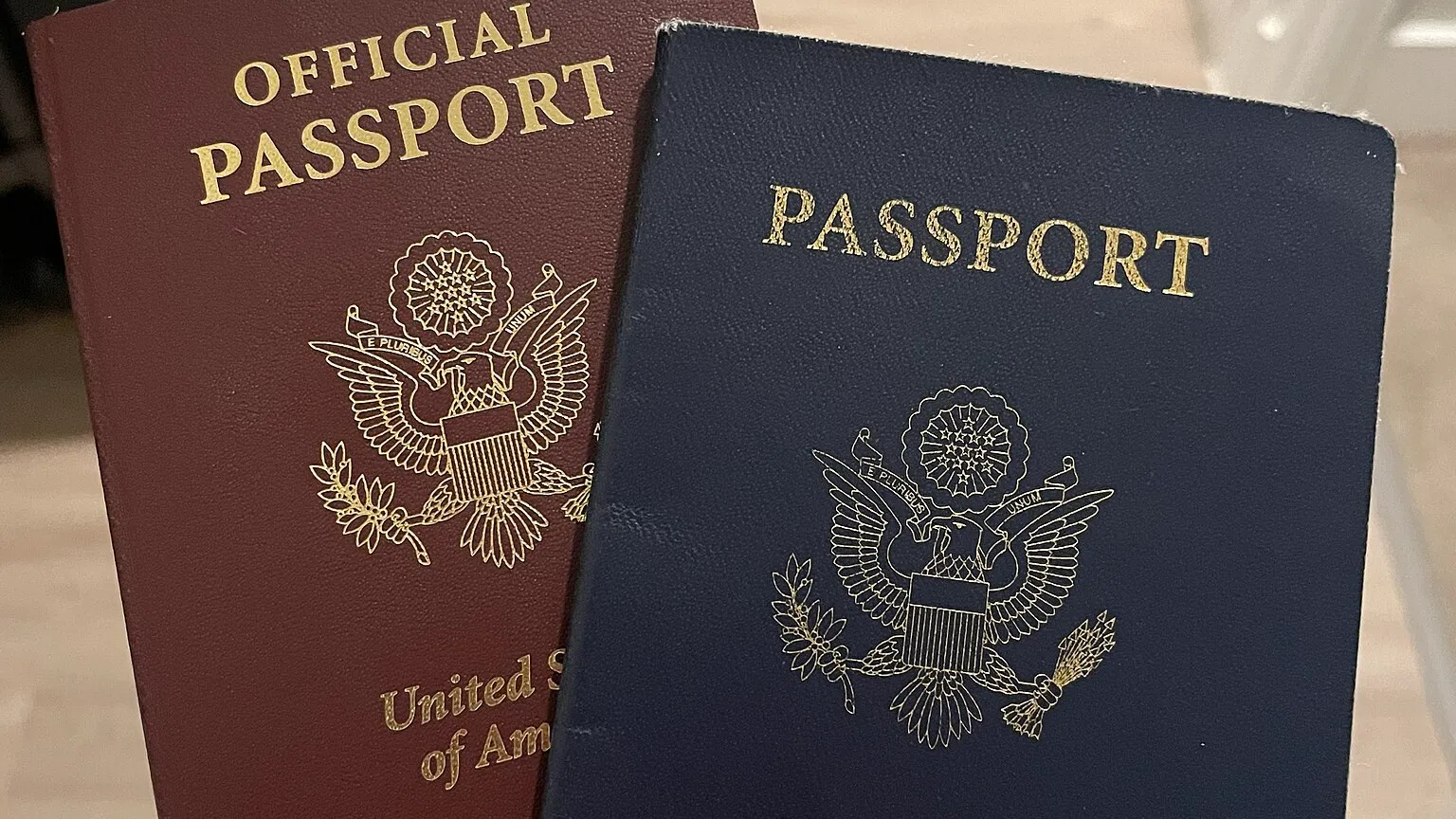
https://commons.wikimedia.org/wiki/File:US_Official_and_Regular_Passport_Comparison.jpg
US Passport Decline
The United States’ drop from 10th to 12th place stems from a series of recent visa policy changes. The loss of visa-free entry to Brazil in April, exclusion from China’s expanding visa-free list, and new restrictions by Papua New Guinea and Myanmar contributed to the fall.
Singapore leads the 2025 index with access to 193 destinations, followed by South Korea (190) and Japan (189), marking Asia’s continued dominance in global travel freedom, reports The Economic Times.
More recently, Somalia’s eVisa introduction and Vietnam’s decision not to include the US in its updated visa-free program further impacted its standing.
Analysts say these developments point to a deeper shift in global power dynamics, where Asian countries are strengthening diplomatic and travel ties while the US experiences mounting travel limitations.
The weakening of the US passport has prompted more citizens to explore dual citizenship and investment migration programs.
Henley & Partners data shows applications from US nationals surged 67% in 2025 compared to all of 2024, which itself saw a 60% increase from the year before.
Peter J. Spiro of Temple University Law School observed that dual citizenship is becoming “the new American dream,” as more Americans seek backup options to maintain global mobility.
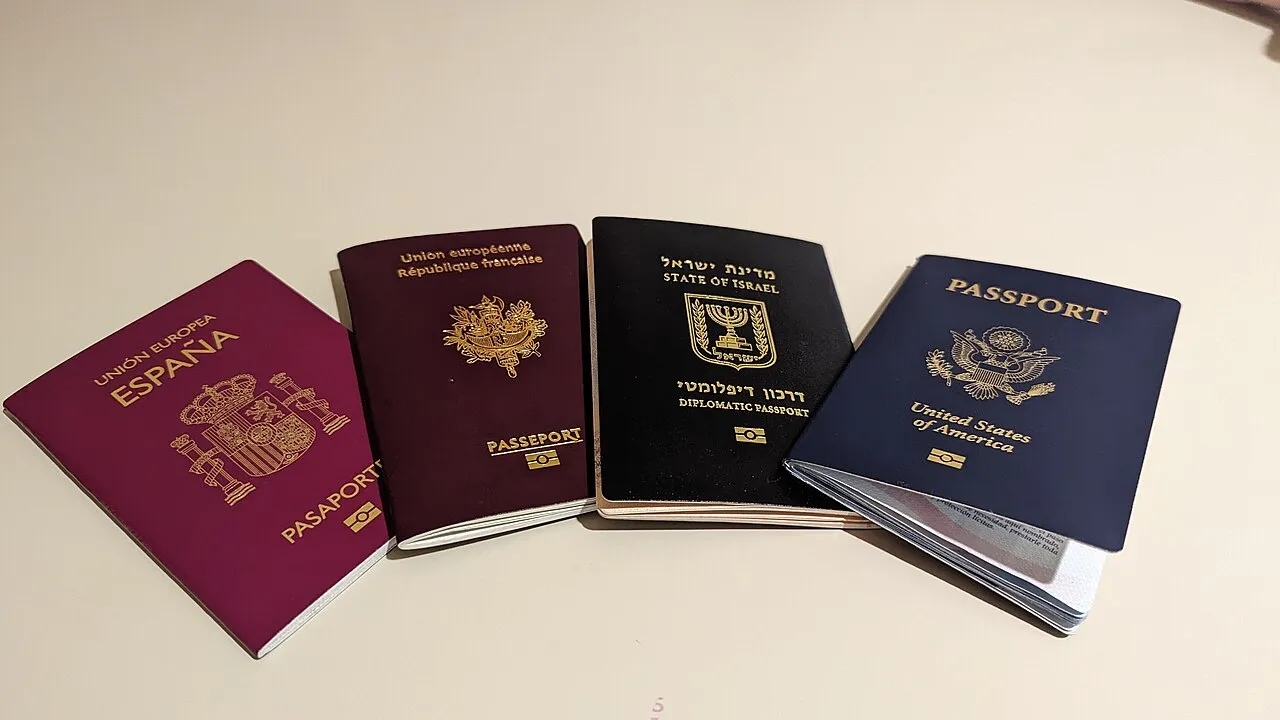
https://commons.wikimedia.org/wiki/File:Four_Different_Passports.jpg
Openness Gap Widens
While American travelers enjoy visa-free access to 180 countries, the United States allows entry without a visa to only 46 nationalities. This imbalance places the US 77th on the Henley Openness Index.
The gap between access and openness is now one of the widest globally—just behind Australia and marginally better than Canada, New Zealand, and Japan.
Experts suggest this inward-looking policy trend reflects broader shifts in American diplomacy. Annie Pforzheimer of the Center for Strategic and International Studies noted that US foreign policy has “turned inward”.
This isolationism is now visible in the country’s declining passport power.
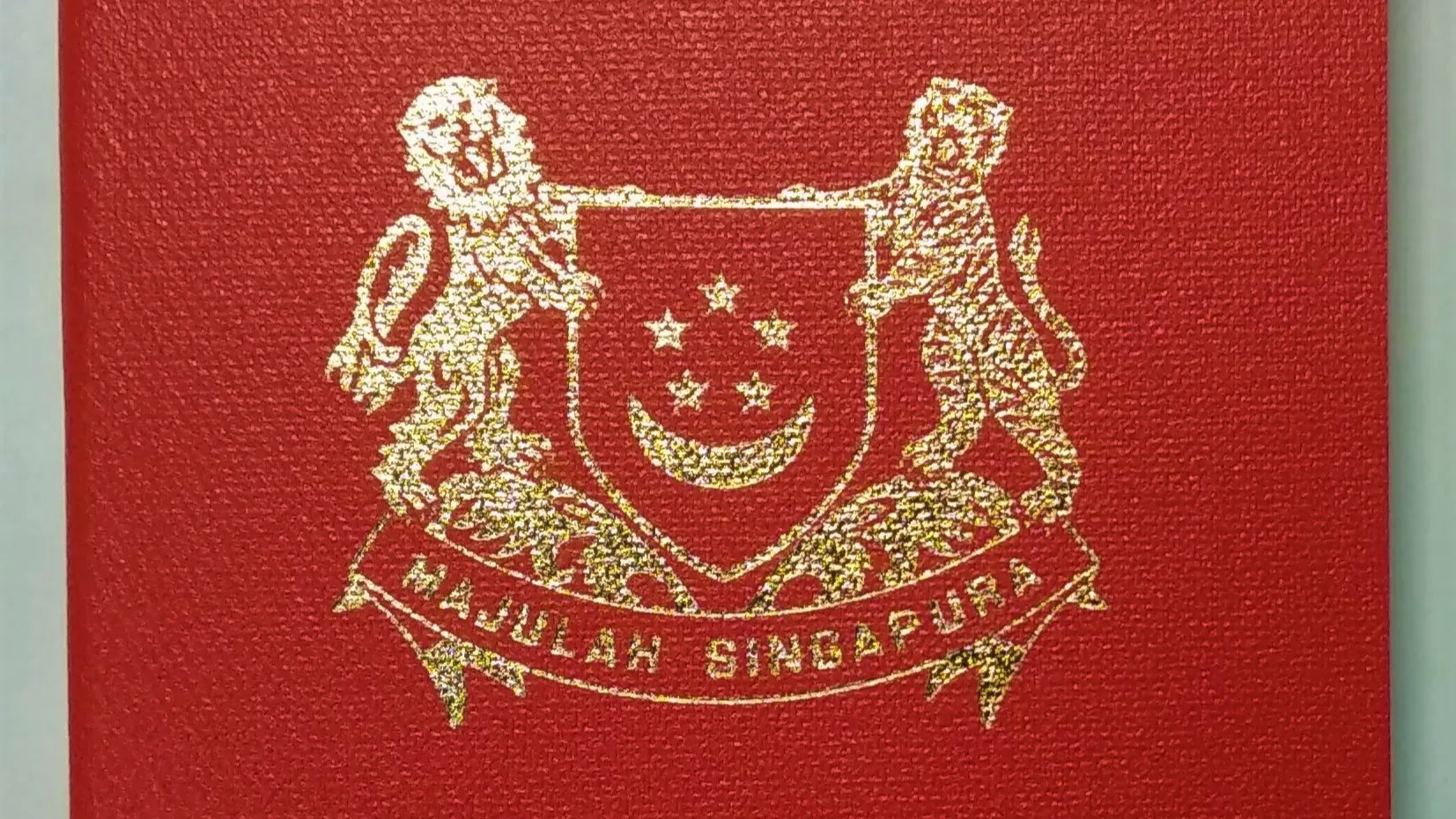
https://commons.wikimedia.org/wiki/File:2018_singapore_passport_cover.jpg
Asia Expands Its Reach
China has recorded some of the strongest gains on the index. Over the past decade, it has climbed from 94th in 2015 to 64th in 2025, adding 37 new destinations offering visa-free access.
On the Henley Openness Index, China now ranks 65th, having extended visa-free entry to 76 nationalities — 30 more than the US.
China’s new travel agreements with Russia, Gulf states, and several European and South American nations signal a long-term strategy of diplomatic expansion. Analysts say these efforts are enhancing Beijing’s global influence while simultaneously reducing the US’s travel and economic leverage.
Bottom Line
The US passport’s decline to 12th place marks a pivotal moment in the global balance of travel power.
While Asia’s leading economies embrace openness, the United States faces growing restrictions and diplomatic setbacks.
This shift not only affects international travel but also reflects broader geopolitical trends in trade, diplomacy, and global mobility.
Stay tuned with us. Further, follow us on social media for the latest updates.
Join us on Telegram Group for the Latest Aviation Updates. Subsequently, follow us on Google News
