


BENGALURU– In a significant development in global military rankings, India has overtaken China to claim the position of the third most powerful air force worldwide in the latest World Directory of Modern Military Aircraft (WDMMA) data, covering 103 nations and 129 air services.
According to the TruVal Rating (TVR), which measures operational capacity, modernization, logistical support, and training, India now holds a TVR of 69.4.
https://commons.wikimedia.org/wiki/File:HAL_Tejas.jpg
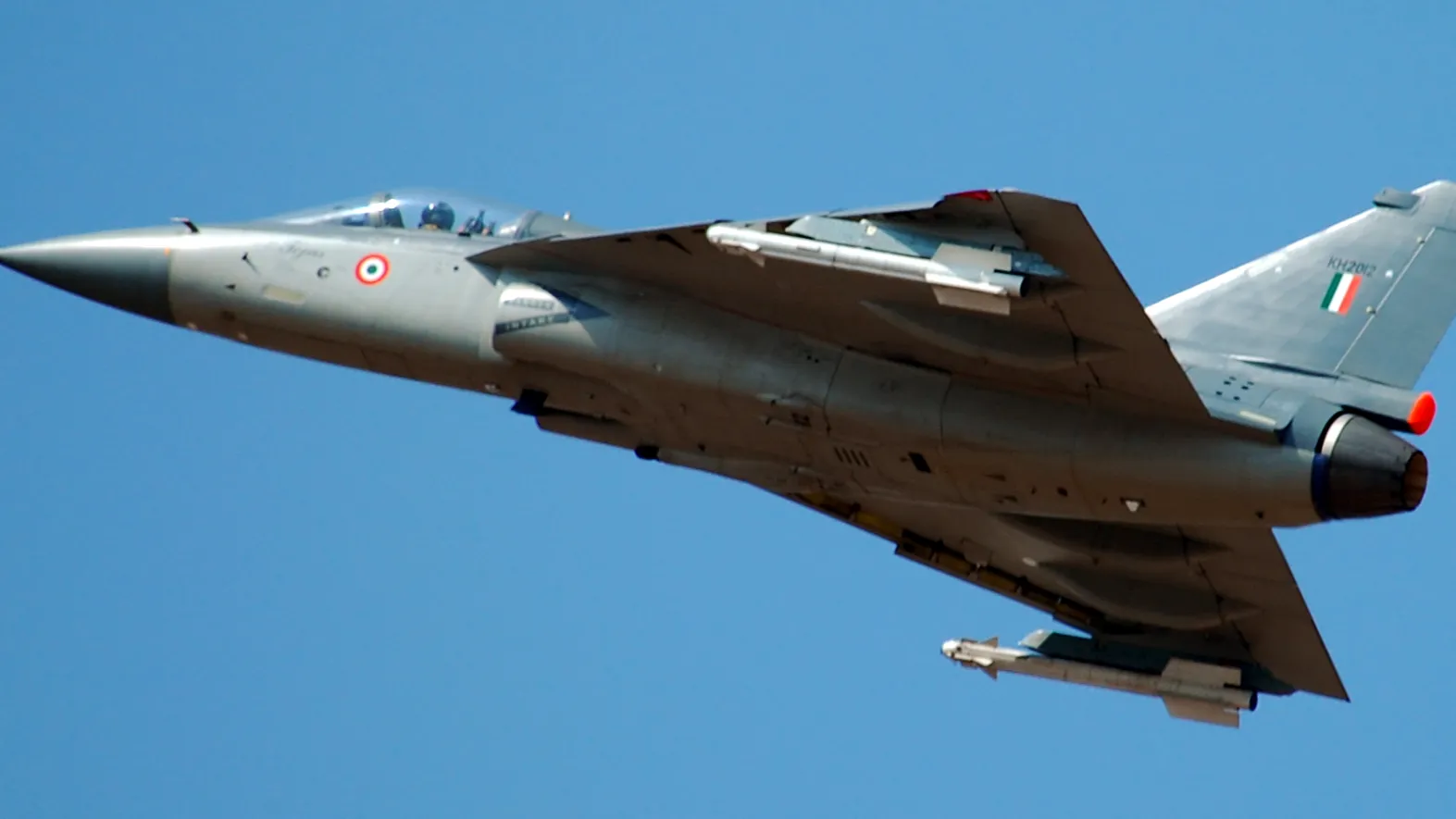
Indian Air Force Overtakes China
India’s fleet of 1,716 aircraft comprises:
- 31.6 percent fighters
- 29 percent helicopters
- 21.8 percent traine
This represents a balanced and versatile force.
China, in comparison, now ranks fourth, despite maintaining a slightly larger fleet, and has a TVR of 58.1.
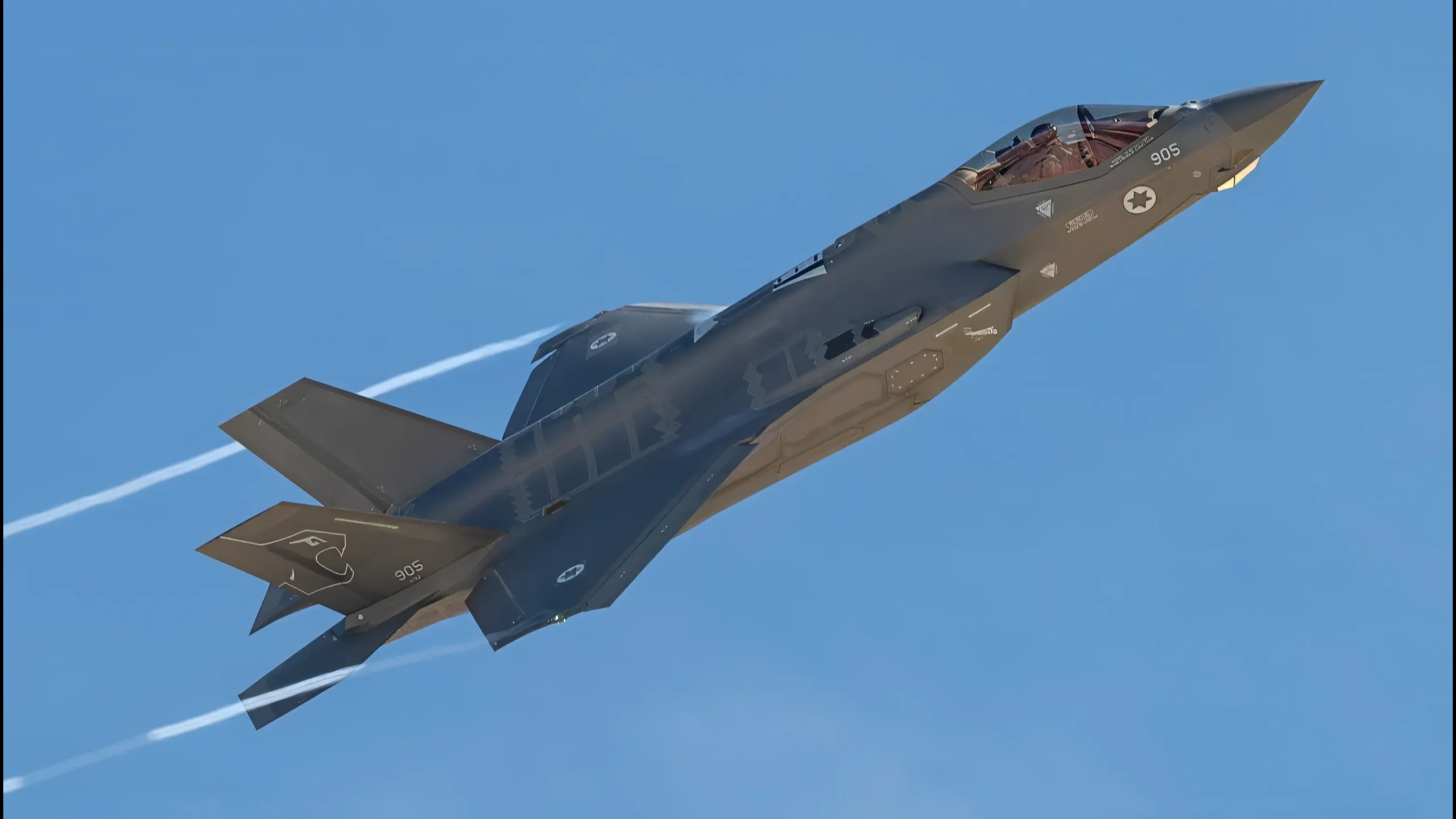
The US Air Force continues to lead worldwide with a TVR of 242.9, supported by its fleet of strategic bombers, versatile fighter jets, and a broad range of transport, tanker, and special-mission aircraft.
The U.S. Navy holds the second position, while Russia ranks third with a TVR of 142.4.
The ranking reflects not just numbers but the effectiveness of force deployment and modernization.
India’s acquisition of Su-30MKI and Dassault Rafale fighters, sourced from Russia and France, respectively, alongside indigenous development programs, has strengthened its tactical and strategic air power.
https://commons.wikimedia.org/wiki/File:F-35I-Adir-0296.jpg
Air Power’s Strategic Importance
Air power remains a decisive factor in modern warfare. The United States continues to dominate, with its air fleet surpassing the combined forces of Russia, China, India, South Korea, and Japan.
At the same time, India’s growing capabilities signal a shift in Asia’s strategic balance, providing deterrence and operational advantage in a region marked by rising geopolitical tensions.
Leading defense intelligence providers are reflecting a broader trend of modernization, and Janes, a leading global open-source defense intelligence provider, projects that global defense spending could rise by 3.6 percent by the end of the year, reaching approximately $2.56 trillion.
This continued growth reflects intensified conflicts and strategic realignments worldwide, emphasizing the crucial role of air power in both modern warfare and international deterrence.
IAF’s Operational Highlights
India’s air power was notably demonstrated during Operation Sindoor in May, which targeted infrastructure in Pakistan and Pakistan-Occupied Kashmir in response to the Pahalgam terror attack.
The operation highlighted the IAF’s ability to execute rapid, coordinated, and precise strikes, showcasing enhanced readiness and tactical superiority.
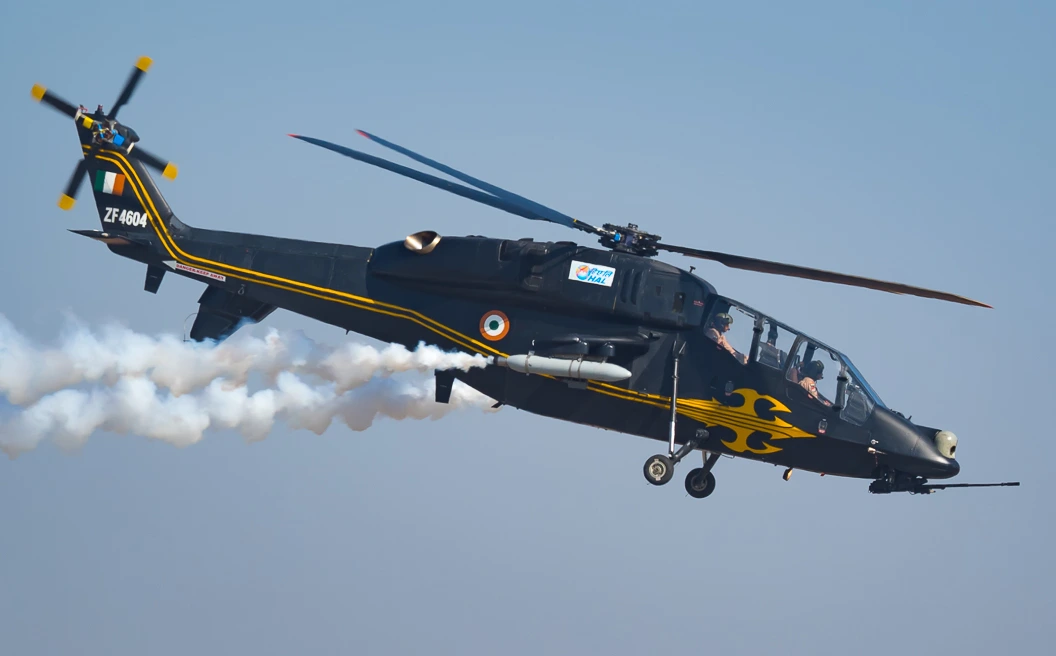
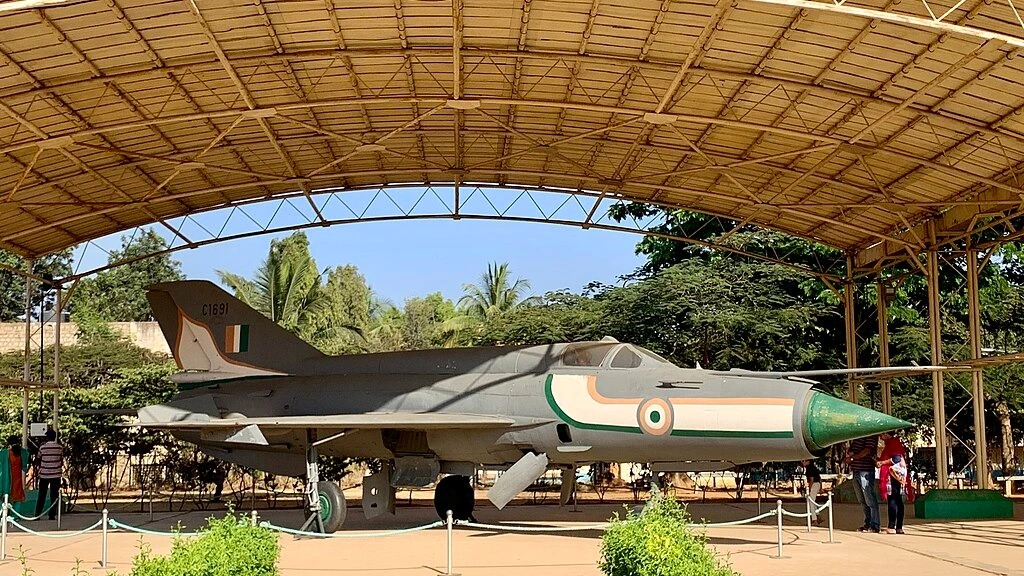
The Indian Air Force’s fleet coordination involves both imported and domestically produced aircraft, ensuring diverse operational capabilities.
Helicopters, trainers, and combat jets work together seamlessly to enhance mission flexibility, including humanitarian assistance and disaster relief alongside combat readiness.
https://commons.wikimedia.org/wiki/File:Mig_21,_IAF,_Hindustan_Aeronautics_Limited_01.jpg
Bottom Line
India’s rise to the third position in global air force rankings represents a pivotal shift in Asia’s military dynamics.
While the United States and Russia maintain overall superiority, India’s advancement reflects both capability and ambition in the modern era of air warfare.
Stay tuned with us. Further, follow us on social media for the latest updates.
Join us on Telegram Group for the Latest Aviation Updates. Subsequently, follow us on Google News
