

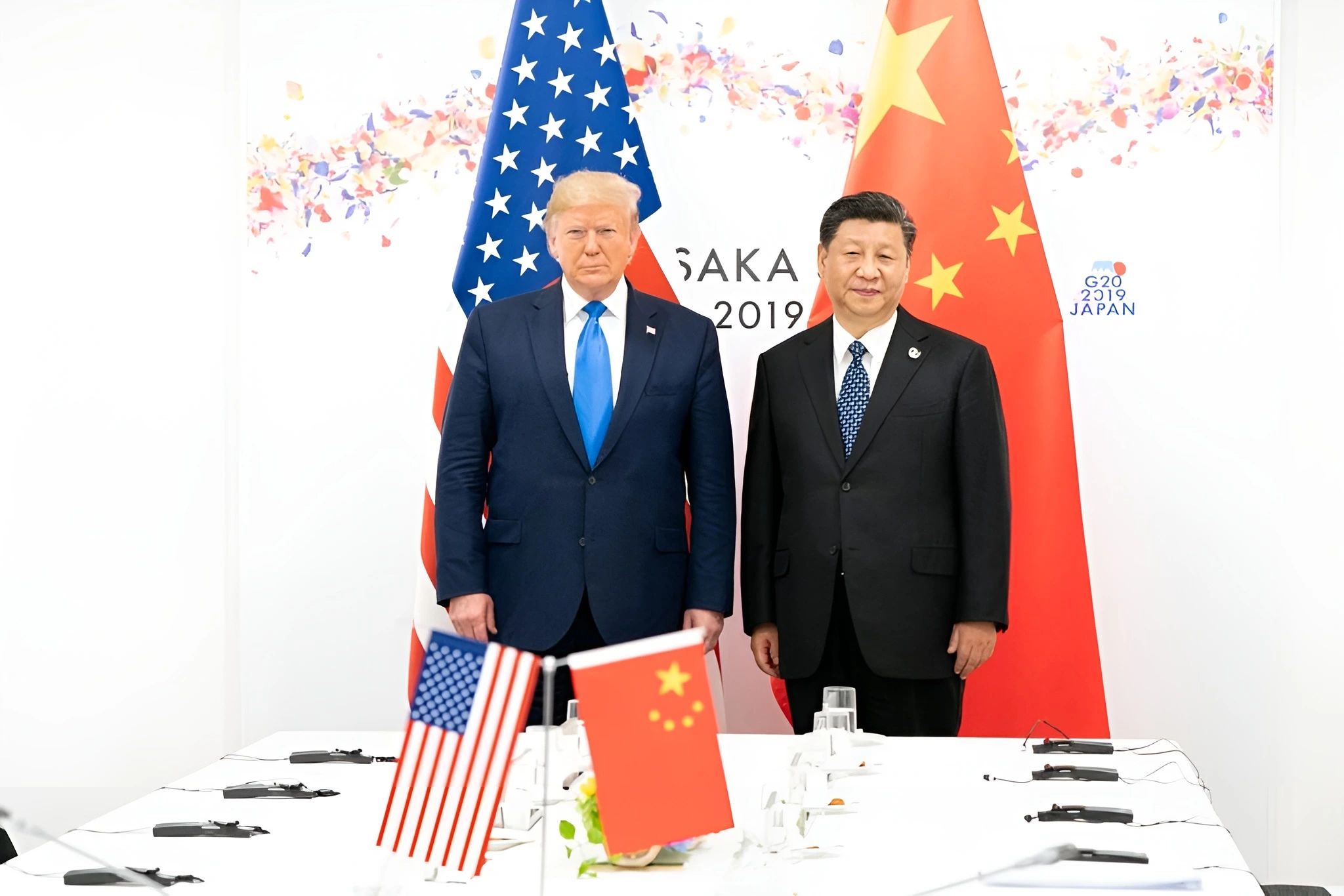
WASHINGTON, D.C— Major Chinese airlines have urged the Trump administration to abandon a proposed ban preventing them from flying over Russian airspace on routes to and from the United States. The plan would sharply increase flight times and raise operating costs.
The U.S. Department of Transportation (USDOT) recently proposed barring Chinese airlines from using Russian airspace, arguing that the privilege gives them an unfair competitive advantage over American carriers, which have been prohibited from entering Russian skies since 2022.
U.S.-China Dispute Over Russian Airspace Ban
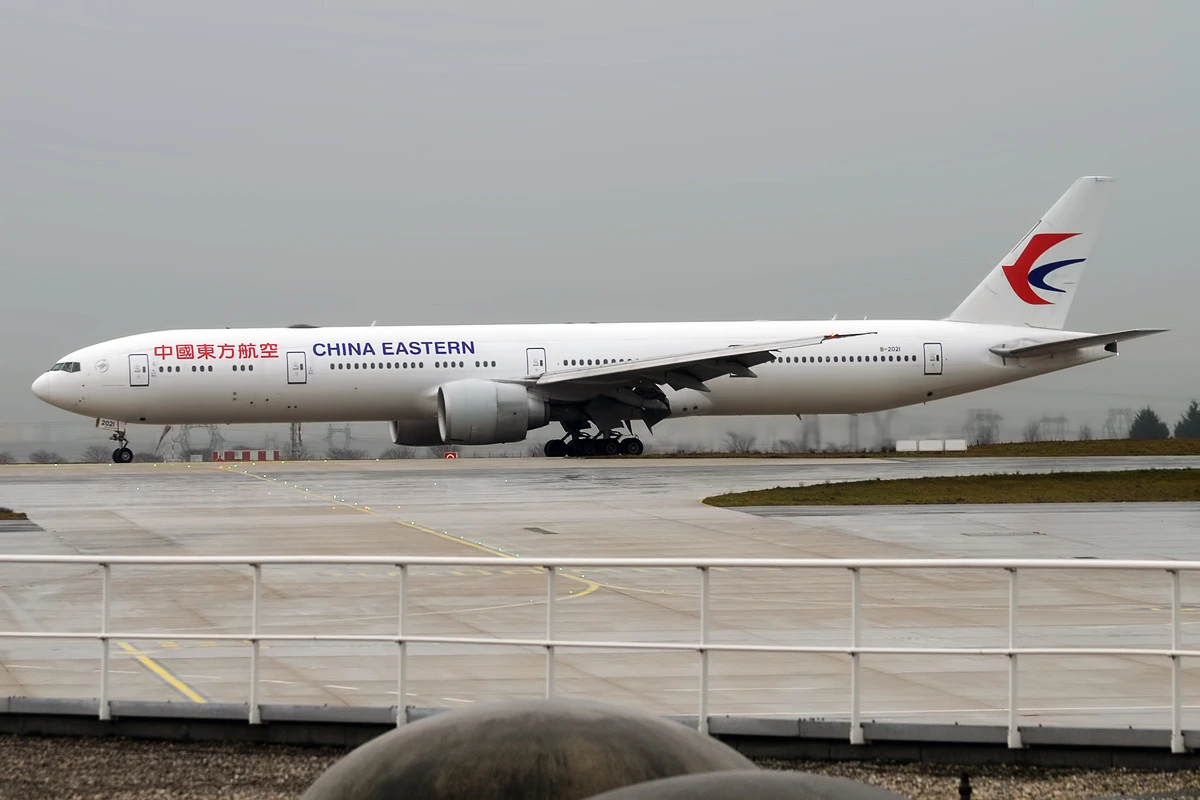
In letters sent to USDOT, six Chinese airlines, including China Eastern (MU), Air China (CA), and China Southern (CZ), said the policy would have far-reaching consequences.
China Eastern stated that rerouting flights to avoid Russia could add up to three hours to flight times on key U.S. routes, increasing fuel costs and connection risks.
Air China and China Southern said the ban would impact a substantial number of passengers traveling between the United States and China.
China Southern estimated that at least 2,800 passengers scheduled to travel between November 1, and December 31 would face rebookings, jeopardizing holiday travel plans.
US Airlines Back the Proposal
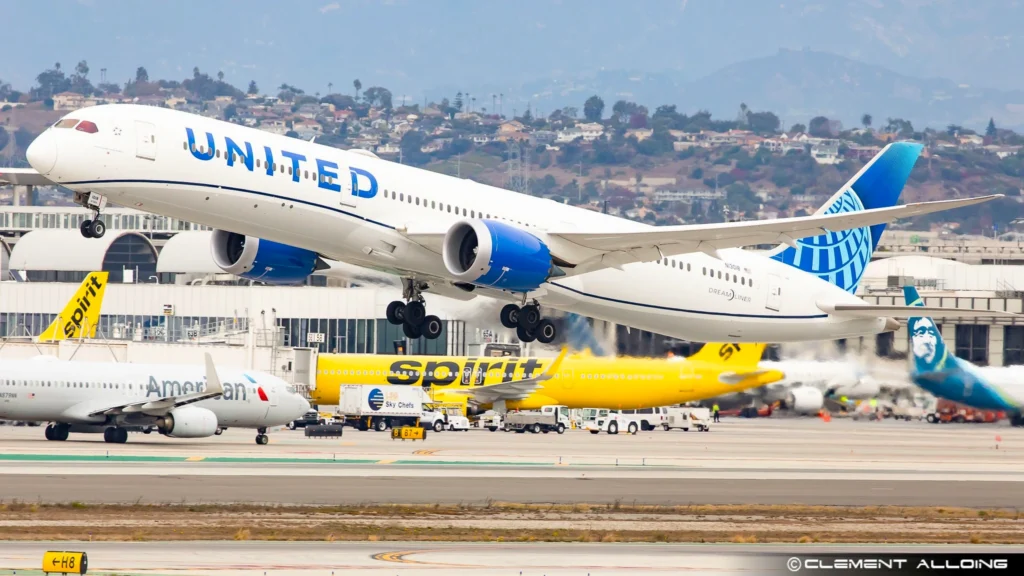
While Chinese airlines oppose the move, United Airlines (UA) has called for the restrictions to go further. The carrier urged the administration to extend the ban to Cathay Pacific (CX) and other Hong Kong-based airlines that continue to operate over Russia on U.S.-bound routes.
United argues that the current situation effectively bars it from resuming nonstop flights to major Chinese cities from hubs such as:
- Newark (EWR)
- Washington, D.C. (IAD)
- Chicago (ORD)
Major U.S. carriers, including American Airlines (AA) and Delta Air Lines (DL), support maintaining parity in route access and capacity between American and Chinese carriers.
China’s Diplomatic Response
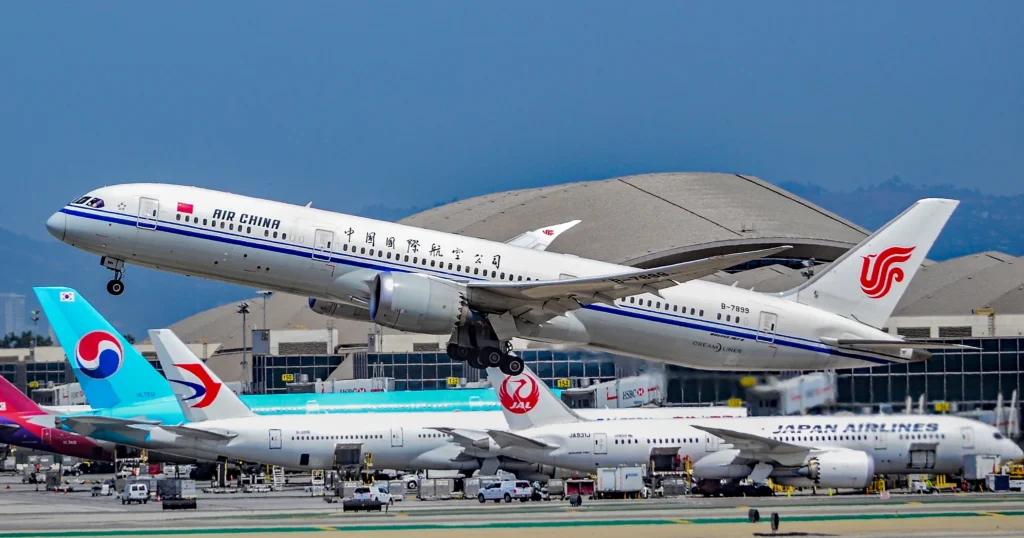
China’s Foreign Ministry responded on Friday, saying that the proposed restrictions would hinder person-to-person exchanges and negatively affect bilateral relations, reported Reuters.
Beijing maintains that its carriers are operating within international norms and that airspace access should not be politicized.
The ministry’s statement underscores growing aviation and diplomatic friction between the world’s two largest economies.
Analysts say the dispute reflects broader tensions in U.S.-China relations, spanning trade, security, and global aviation access.
Bottom Line
The proposed U.S. ban on Chinese airlines flying over Russia has drawn sharp opposition from Beijing’s top carriers, who warn of longer routes and higher costs for passengers.
While US Airlines supports the move as a step toward fair competition, the disagreement adds another layer to the strained U.S.-China aviation relationship — one that may reshape long-haul flight operations for years to come.
Stay tuned with us. Further, follow us on social media for the latest updates.
Join us on Telegram Group for the Latest Aviation Updates. Subsequently, follow us on Google News
