


Do you feel icky just thinking about places other people might have touched or sat upon? These spots in the plane will make you keep the sanitation equipment handy, whether traveling or not.
Air travel whisks us off to our dream vacations, long-awaited reunions, and adventures, but it also exposes us to some unavoidable grime- germs.
With hundreds of people squeezed into a flying metal tube, touching everything from buttons to seatbelts, it’s no surprise that some spots on board are downright dirty.
Even though airlines clean between flights, the quick scrub-downs can only do so much when planes are constantly zipping from one destination to another.
Be sure to know which surfaces need sanitizing before you board for your safety.
Dirty Spots in A Plane To Lookout For
With so many passengers coming and going and sharing the same spaces, flight attendants warn that tray tables, seatbelt buckles, and lavatory handles are particularly dirty spots on a plane you need to keep your hands away from.
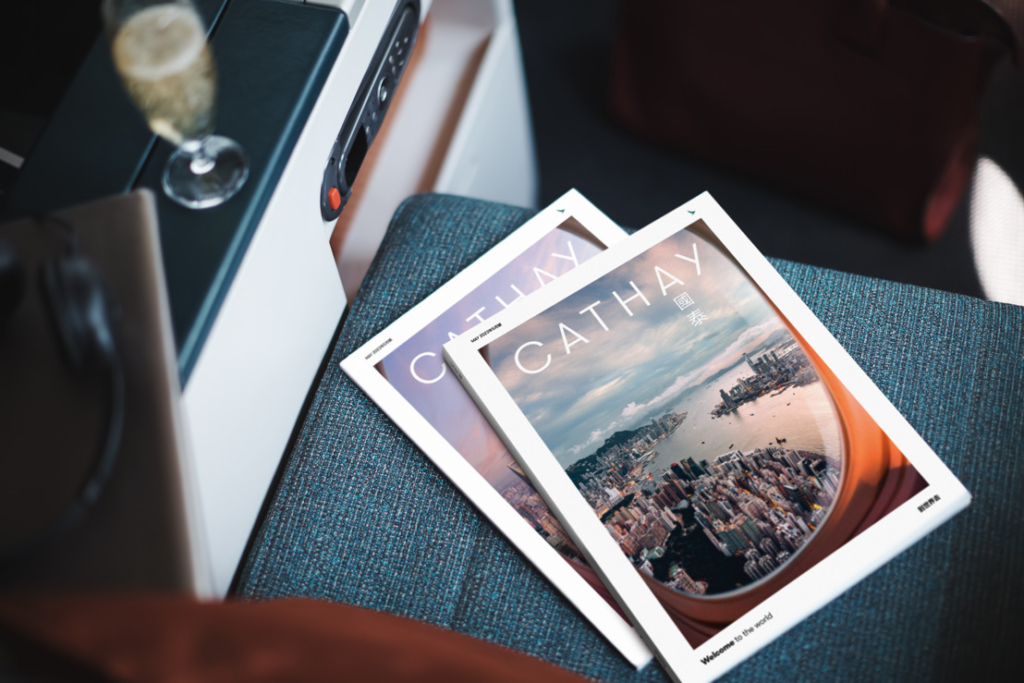
1. Reading Materials
Tucked neatly in the seat pocket in front of you, safety instruction cards and magazines seem harmless. However, according to Josephine Remo, a travel blogger and a flight attendant, they are often the dirtiest items on the plane.
Since the flight attendants run on tight turnarounds between flights, sanitizing the reading materials is low on their priority list.
Remo also added that, unlike try tables, which get regular cleaning, the instruction cards and magazines are frequently overlooked during a clean-up.
So, next time you want to pick something to read on a flight, remember: magazines and seatback literature can carry germs. Always sanitize your hands after touching them, and wipe surfaces down with a wet wipe to protect yourself and fellow passengers from contagious germs.
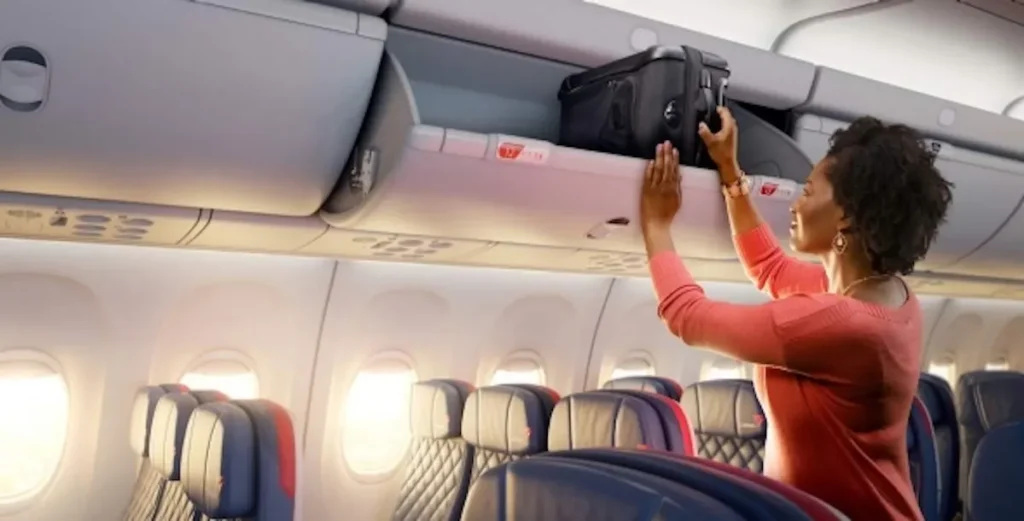
2. Overhead Compartments
The overhead bins might keep your luggage safe, but they may also store germs.
Think of the thousands of passengers flying every day, slam open the door, pushing their bags (which only they know where they have been before fitting in the cabin) into the bin, and just yank them shut.
Adding to the fact that on-board cleaning staff rarely cleans the insides and handles, you’ve got a handful of bacteria.
Ms Remo recommended using a tissue or a cloth to open the bin. If not, then clean your hands with a sanitizer after you are done loading or unloading your carry-on luggage.
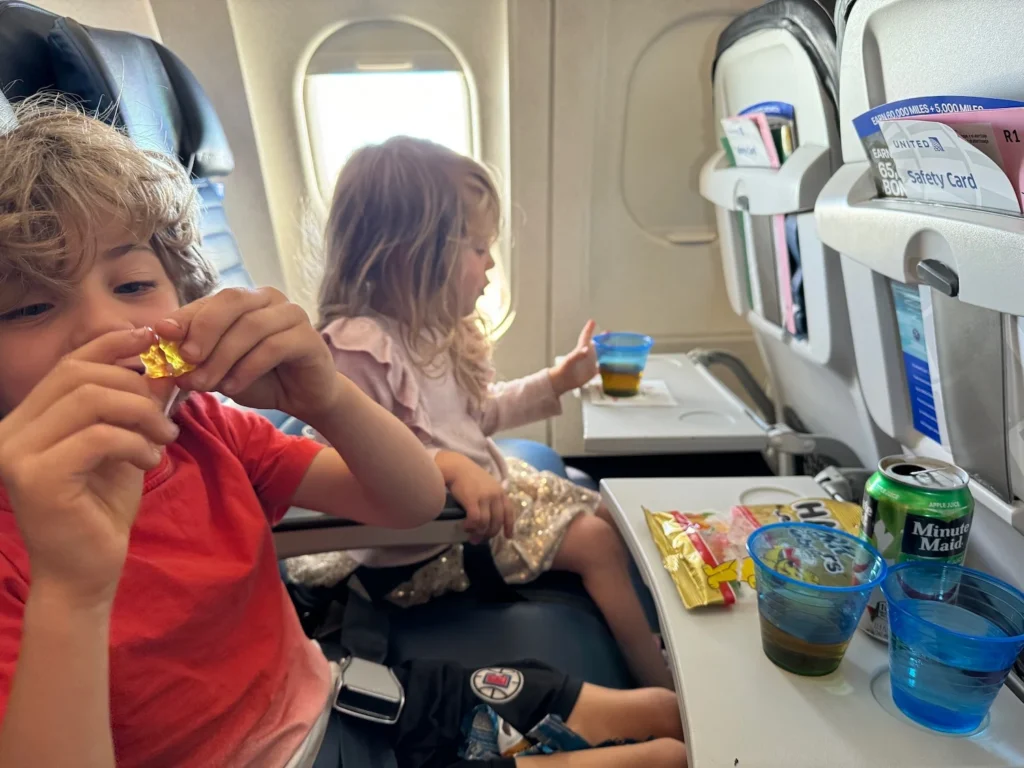
3. Tray Tables
Passengers eat, rest their heads, place their personal belongings, and even change baby diapers on tray surfaces. While the crew wipes the tray tables regularly, they may not always thoroughly.
Particularly with short layovers or quick turnarounds, the chances of getting a properly disinfected tray are slim, shared Sue Fogwell, an experienced flight attendant, with Travel+Leisure.
The flight attendants strongly recommend giving your tray a good wipe down before using it. Keep disinfectant wipes handy and do not eat or rest your head directly on the surface.
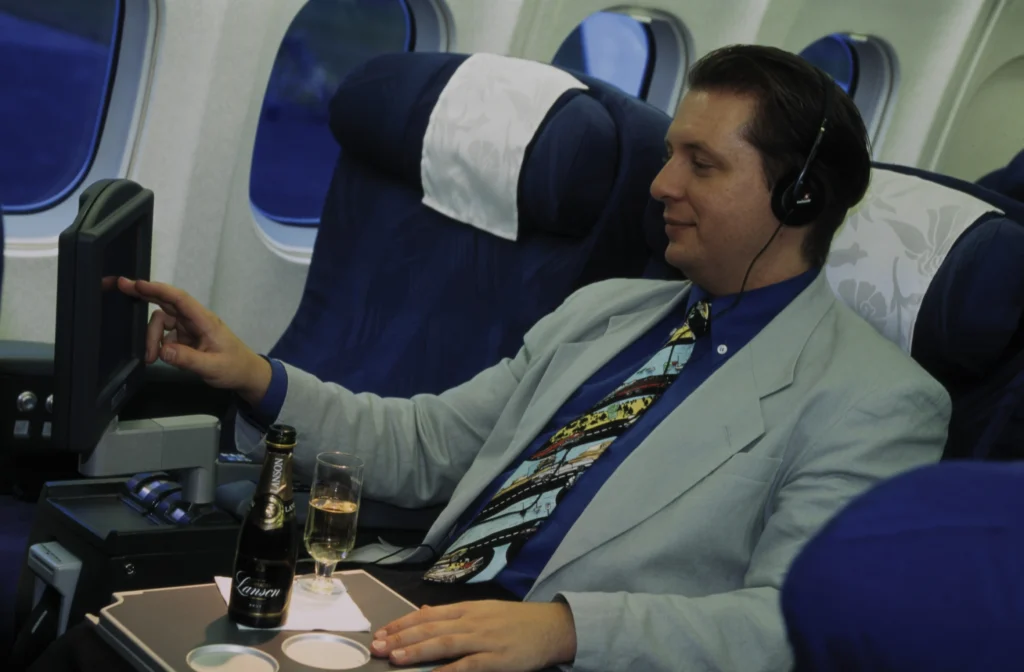
4. In-Flight Entertainment Screens
Touchscreens make flights more entertaining. However, they’ve also been poked by a passenger before you, a passenger before him, and so on. There is no certain way to find out if the fingers that touched the screen were clean or not.
Even with a regular cleaning routine, these screens still accumulate fingerprints, food residue, and germs quickly. The solution? Wipe the screen down with a disinfectant or a napkin before you start browsing.
A few seconds of a general clean-up will give you a clean space to scroll and peace of mind. For those who use a remote control, remember that the remote, too, can be just as dirty. So, better safe than sorry, and make sure to sanitize your hands after handling it.
5. Seat Covers
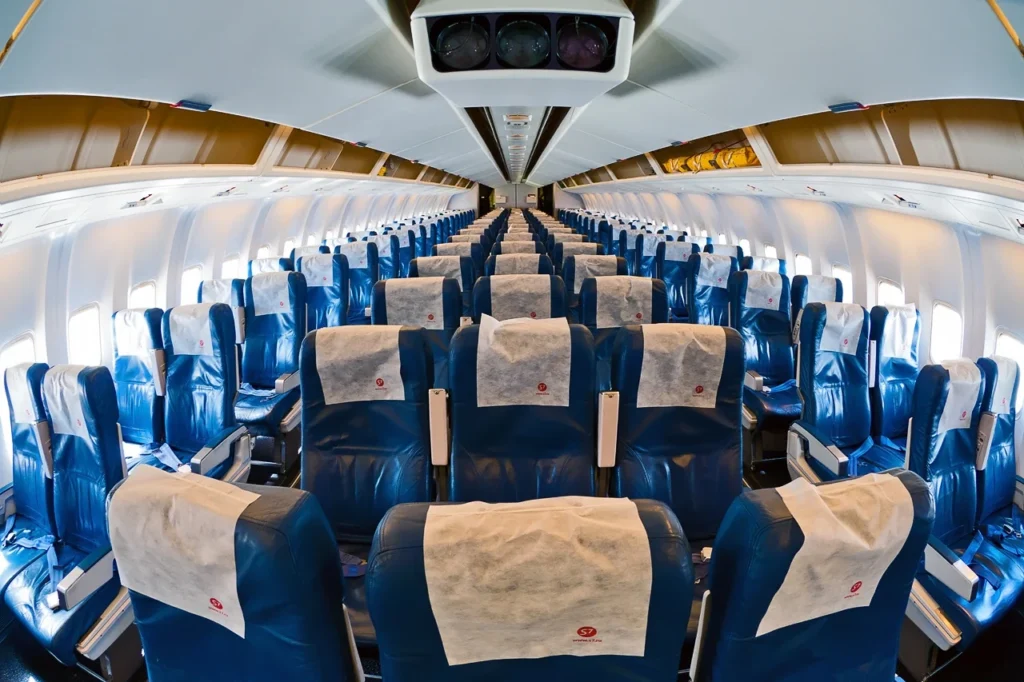
Sue Fogwell, the experienced flight attendant, shared a dirty secret about the seats when interviewing with Travel+Leisure.
The seat covers aren’t always cleaned or replaced regularly unless something major happens, as cleaning or changing seat covers can delay the flights. This means that whatever the last passenger left behind- crumbs, sweat, or worse- it might still be there when you sit down.
If the thought of sitting on a potentially unclean fabric makes you uneasy, consider bringing a disposable or reusable seat cover of your own. It is a small investment against the germs and bacteria left behind by someone else for extra cleanliness, especially on long flights.
6. Seat Belts and Buckles
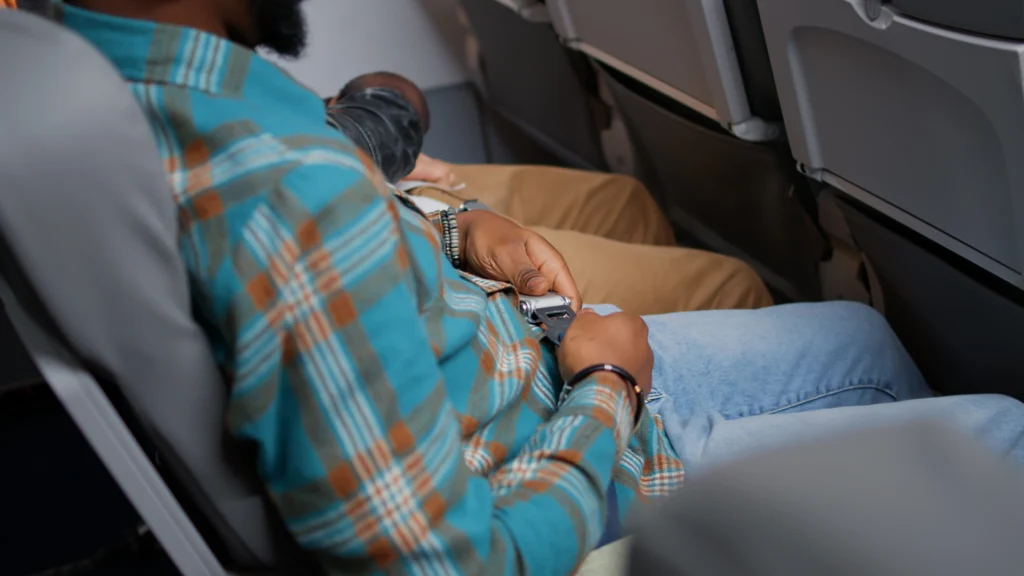
Another part of a plane that gets touched a lot, but cleaned rarely, is the seat belts and buckles. Everyone touches the seat belt way too many times. You need to adjust it during takeoff, unbuckle it when you land, and fix its fit accordingly across your body.
Unlike tray tables and entertainment screens, seat belts, being a clothed material, are trickier to clean and hence, often get overlooked.
Since you can’t exactly clean the entire belt, the best approach is to sanitize your hands every time after using the belt and buckle, before eating or touching your face.
7. Bathroom and Tap Water Handles
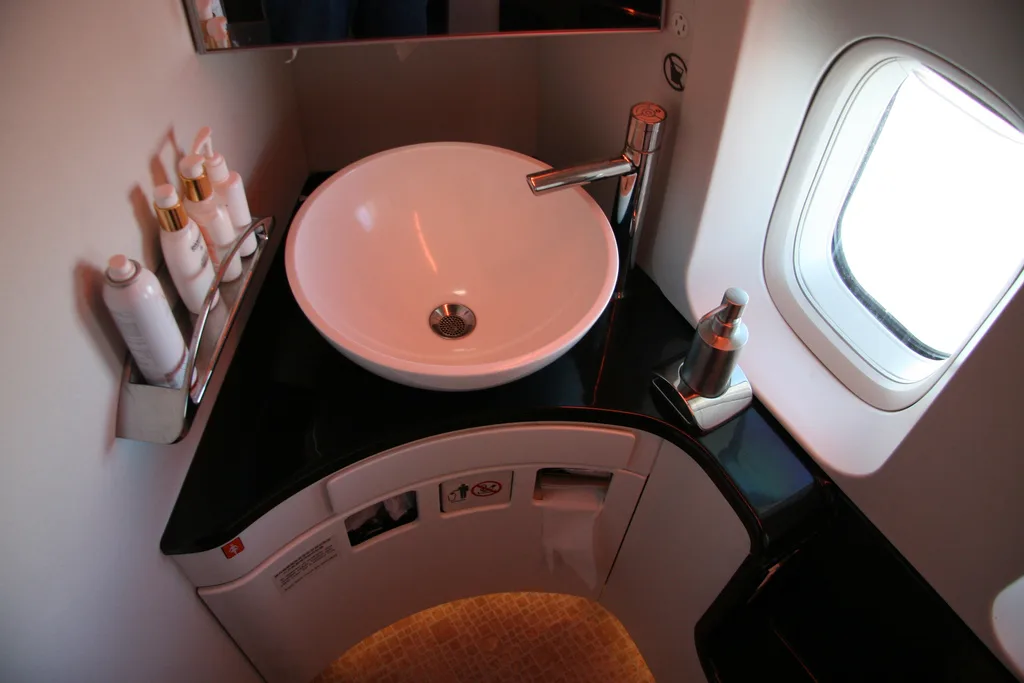
Undoubtedly, the lavatory gets cleaned regularly, but not every surface gets equal attention.
Handles, locks, and flush buttons are touched constantly, but rarely get wiped down clean.
According to an airplane hygiene study by Travelmath, the lavatory’s flush buttons are among the top four dirtiest places on the plane. To avoid getting germs all over you, even though you may have washed your hands with soap over the basin, Josephine Remo advises passengers to use a sanitizer before and after going to the bathroom.
Another thing many passengers aren’t aware of is that tap water isn’t always safe. Studies have found bacteria in onboard water tanks, which obviously do not get cleaned as often as one might think. Experienced flyers even advise avoiding coffee, tea, or ice cubes made from that water.
For hygiene sake, skip washing your hands with tap water and use wipes or hand sanitizer instead.
Additional Germ-Infested Spots On A Plane To Avoid
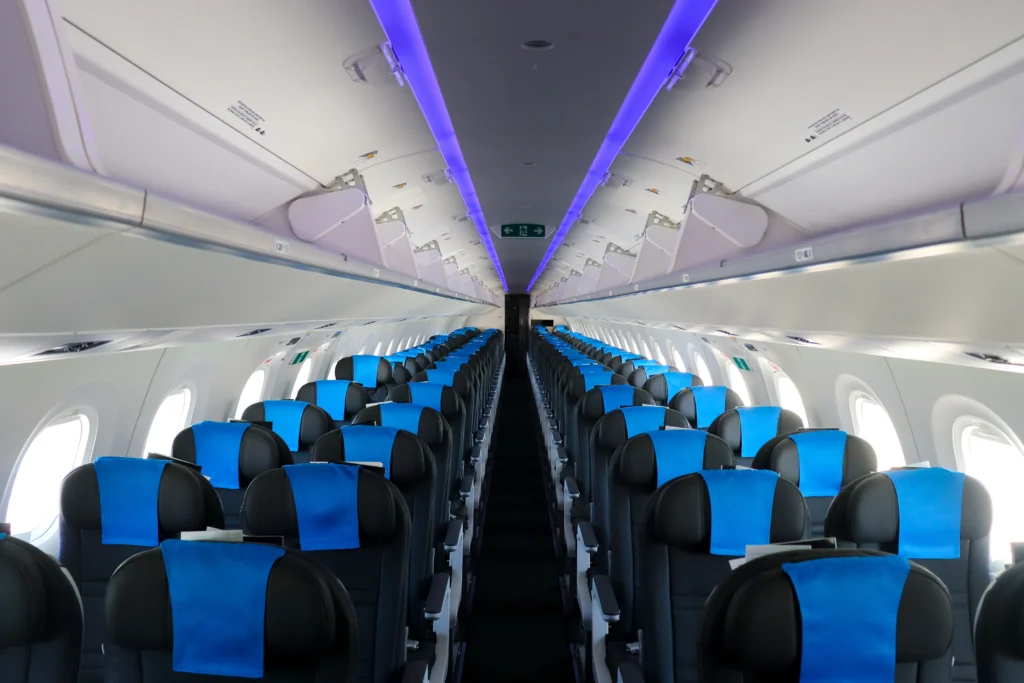
Beyond the above seven dirtiest places on the plane, other sneaky spots usually get overlooked.
Air vents
Passengers constantly twist them on and off, but the cleaning crew rarely focuses on cleaning them.
Armrests
Armrests are highly touched zones that are often skipped during quick cleaning routines.
Freebies
Blankets, pillows, and headphones may not be freshly laundered every time the plane stops for a quick clean-up.
Final Words
So why don’t airlines just scrub everything spotless between flights? The answer is the time limit. Planes often land, unload, reload, and take off again in under an hour. Cleaning crews work faster, but a deep cleaning isn’t always physically possible.
Instead, trash removal, wiping visible messes, and resetting the cabin and everything in proper places become a real focus. Flight attendants see these gaps and point passengers to the exact spots to be mindful of where they place their hands.
So, next time you fly, be prepared. Keep your sanitation kit handy and enjoy a healthier, germ-free flight.
Stay tuned with us. Further, follow us on social media for the latest updates.
Join us on Telegram Group for the Latest Aviation Updates. Subsequently, follow us on Google News
