

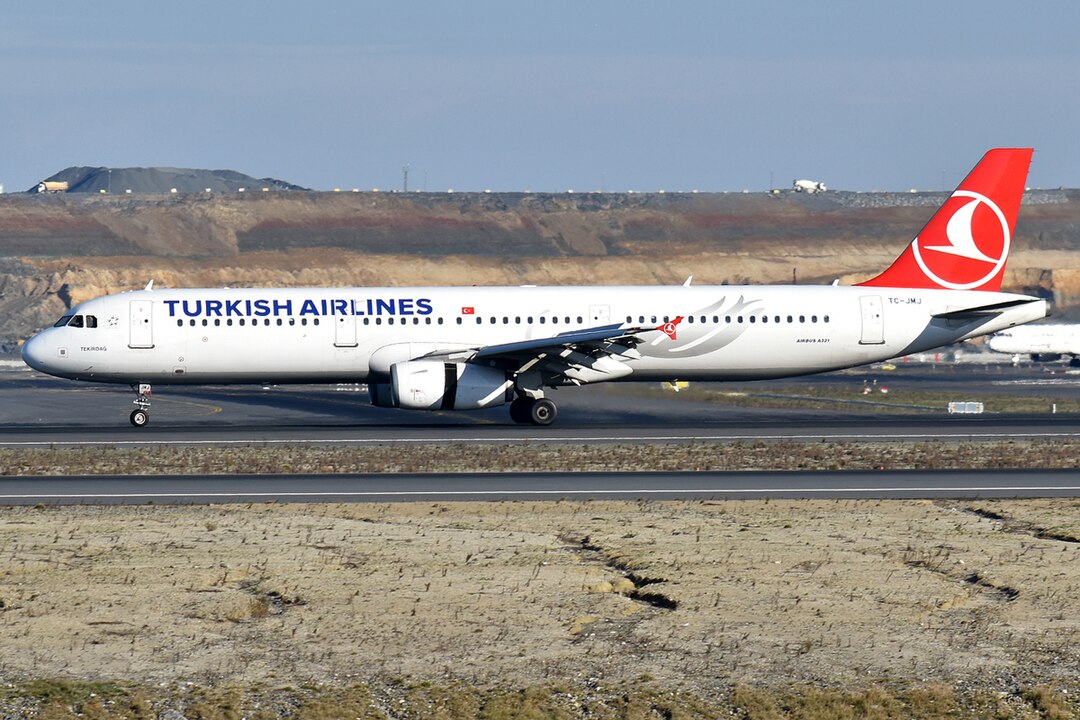
ISTANBUL- Turkish Airlines (TK), headquartered in Istanbul, may redirect part of its recently announced Boeing aircraft order to Airbus if negotiations with engine supplier CFM International fail. Discussions with CFM, a joint venture between GE Aerospace and Safran, remain unresolved due to pricing disagreements.
Chairman Ahmet Bolat said talks with CFM, the exclusive engine provider for the Boeing 737 MAX, have progressed but are not final.
Airbus’ A320neo family, by contrast, allows flexibility with either CFM or Pratt & Whitney engines, giving Turkish Airlines options should the Boeing engine deal falter.
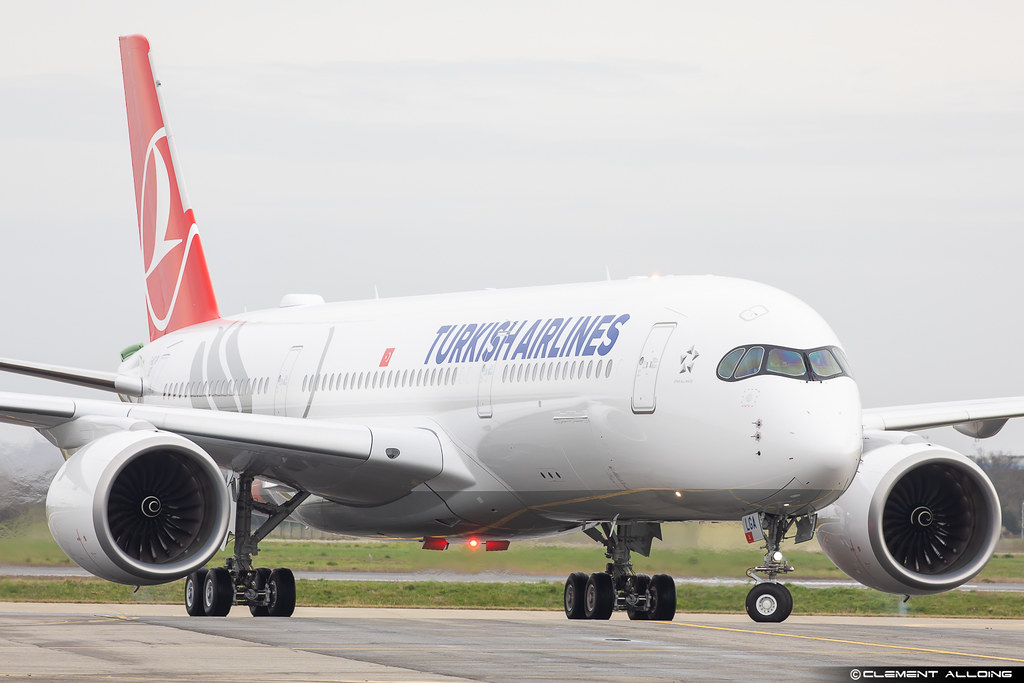
Turkish Airlines Considers Airbus as Alternative
Turkish Airlines (TK) relies on CFM International, a joint venture between GE Aerospace and Safran, as the sole engine supplier for its Boeing 737 MAX fleet, a cornerstone of its short- to medium-haul expansion.
Chairman Ahmet Bolat reported progress in CFM negotiations but highlighted unresolved pricing disputes that threaten the deal.
“If CFM continues its stance, we’ll change to Airbus. With Airbus, I have choices,” Bolat stated, emphasizing the Airbus A320neo’s flexibility, which supports engines from either CFM or Pratt & Whitney (PW).
The airline’s December 2023 order for 355 Airbus aircraft, including A320neo and A350 models, underscores its dual-supplier strategy to mitigate risks.
This record-breaking deal, one of the largest in aviation history, positions Airbus (AIB) as a viable alternative if CFM’s terms remain rigid.
Turkish Airlines already faces disruptions from Pratt & Whitney engines on its A320neos, with groundings impacting 15% of its narrowbody fleet in 2024, per industry reports.
These challenges, coupled with global engine shortages and rising maintenance costs, amplify the need for reliable suppliers.
Industry analysts expect the Boeing deal to proceed, driven by US-Turkey political momentum following Erdoğan’s first White House visit since 2019 and limited Airbus production slots through 2030.
However, Bolat’s warning signals frustration with supply chain bottlenecks, a pervasive issue as airlines worldwide face delays in aircraft and engine deliveries.
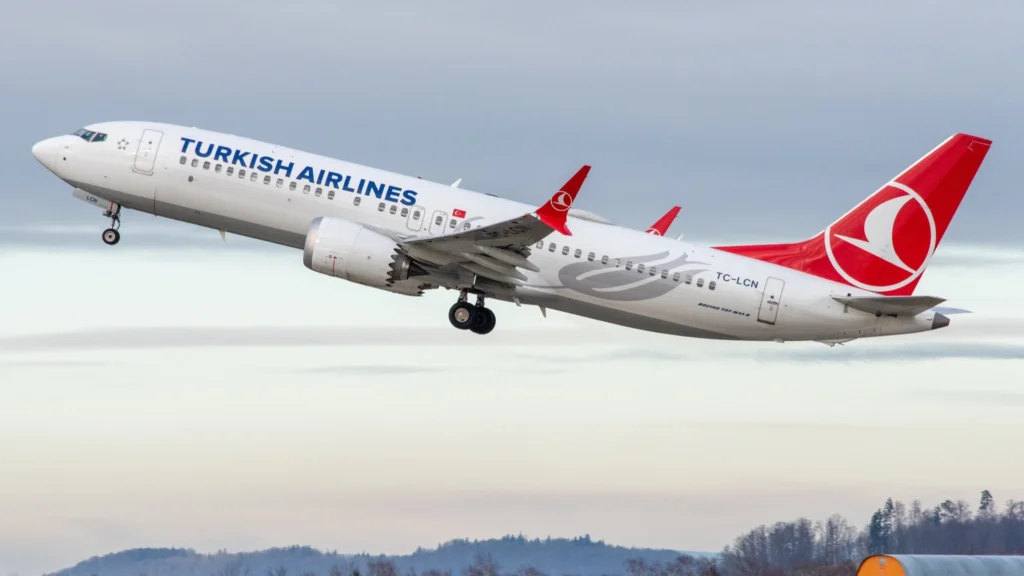
Turkish Airlines Boeing Orders
Announced during Erdoğan’s September 25 meeting with US President Donald Trump, the Boeing order strengthens Turkish Airlines’ (TK) long-haul and regional networks.
The 100 737 MAX jets will enhance short-haul routes across Europe and the Middle East, while the 50 787 Dreamliners target high-demand long-haul markets in the Americas and Asia.
Options for 75 additional aircraft provide flexibility to scale operations as Istanbul (IST) solidifies its role as a global hub connecting 131 countries, a Guinness World Record as of December 2024.
The deal’s $30 billion-plus valuation reflects Turkish Airlines’ commitment to a 440 to 800 aircraft fleet expansion by 2033, aligning with Turkey’s economic and tourism growth goals.
The carrier’s current fleet includes 220 Airbus and 160 Boeing aircraft, with 60 more in delivery pipelines.
The Boeing agreement, combined with the 2023 Airbus order, ensures capacity to handle projected passenger growth, with Istanbul handling 85 million passengers annually as of 2024.
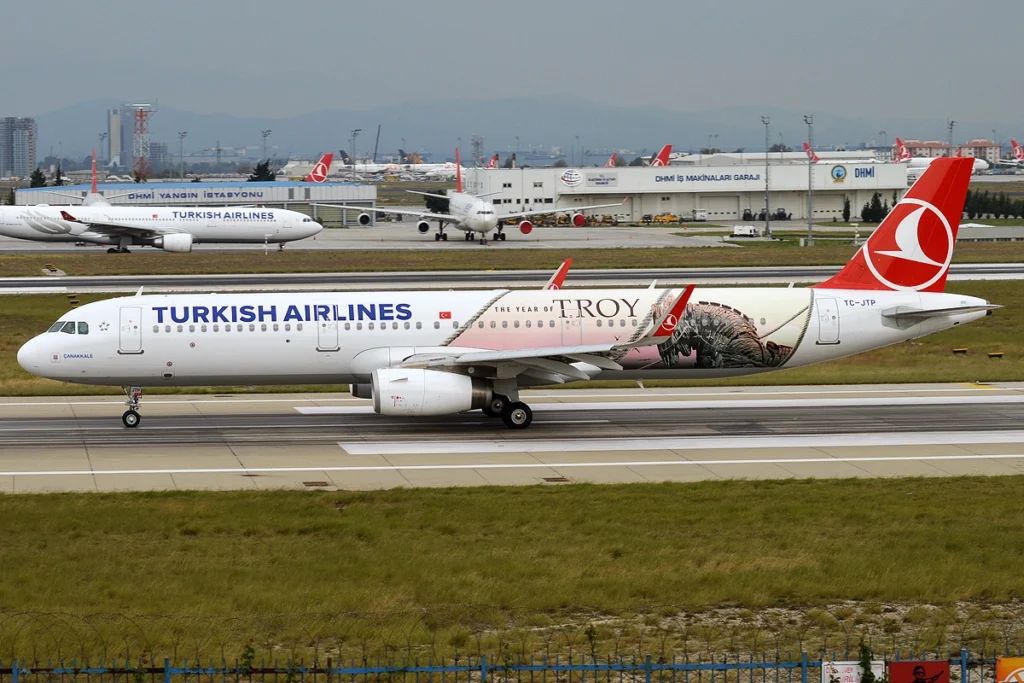
Challenges and Strategy
Global supply chain disruptions, intensified by post-pandemic recovery, have led to widespread delays in aircraft and engine deliveries, with Boeing and Airbus facing production backlogs. Engine maintenance costs have surged 20% since 2022, per IATA data, straining airline budgets.
Turkish Airlines (TK) navigates these hurdles while managing Pratt & Whitney (PW) engine issues, which grounded 25 A320neo aircraft in 2024, disrupting 10% of its European schedules.
Bolat’s Airbus pivot threat serves as leverage in CFM talks, reflecting broader industry demands for supplier accountability.
Analysts note that Turkish Airlines’ scale, operating 4,000 weekly flights, gives it negotiating power, but Airbus’ constrained delivery slots may limit a full shift from Boeing.
Future Interest in 777X
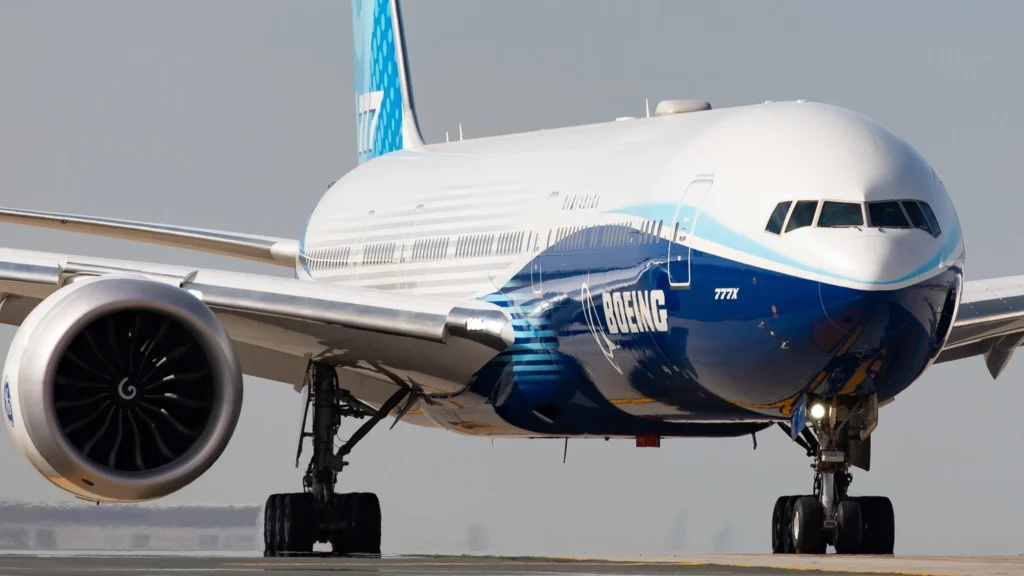
Despite engine uncertainties, Bolat expressed confidence in Boeing’s long delayed 777X widebody, now slated for a 2027 debut due to certification and testing delays.
“Once the timing is right, we’re going to order some 777X,” he said, signaling a long-term commitment to Boeing’s portfolio.
The 777X, designed for ultra long-haul routes, aligns with Turkish Airlines’ (TK) plans to expand premium services to North America and Southeast Asia, where demand for business-class travel is rising 15% annually, per industry forecasts.
Future Outlook
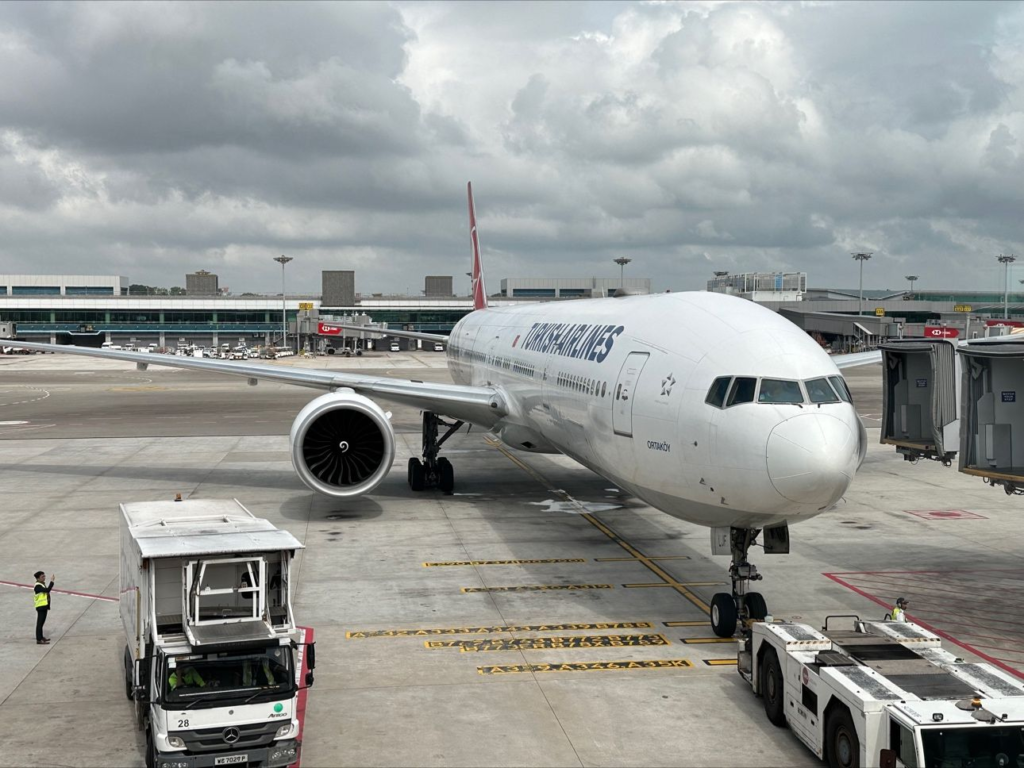
Turkish Airlines’ (TK) dual supplier strategy and bold fleet goals position it as a key player in aviation’s competitive landscape.
Bolat’s comments reflect a pragmatic approach to navigating supplier constraints while leveraging Istanbul’s (IST) geographic advantage.
As engine shortages and delivery delays persist, the airline’s flexibility to pivot between Boeing and Airbus underscores its resilience in a volatile market.
Stay tuned with us. Further, follow us on social media for the latest updates.
Join us on Telegram Group for the Latest Aviation Updates. Subsequently, follow us on Google News
