

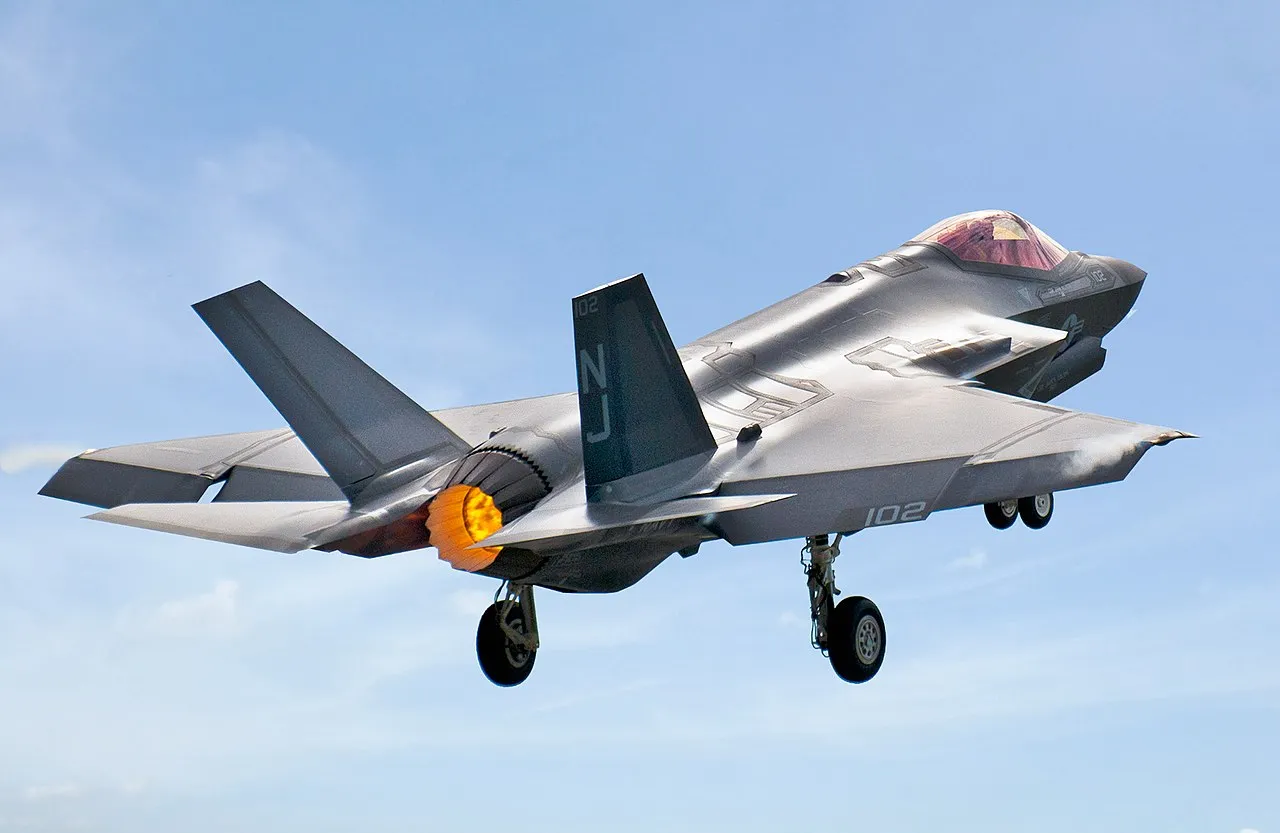
MARYLAND— The Lockheed Martin F-35 Lightning II program has encountered another delay, just weeks after the U.S. Department of Defense finalized a $24 billion contract with Lockheed Martin for two additional lots of F-35 airframes.
Raytheon-owned Pratt & Whitney, which manufactures the afterburning turbofan engines for all F-35 variants, will now deliver engines for Lot 18 and Lot 19 in spring 2026 instead of the previously planned fall 2025 timeline.
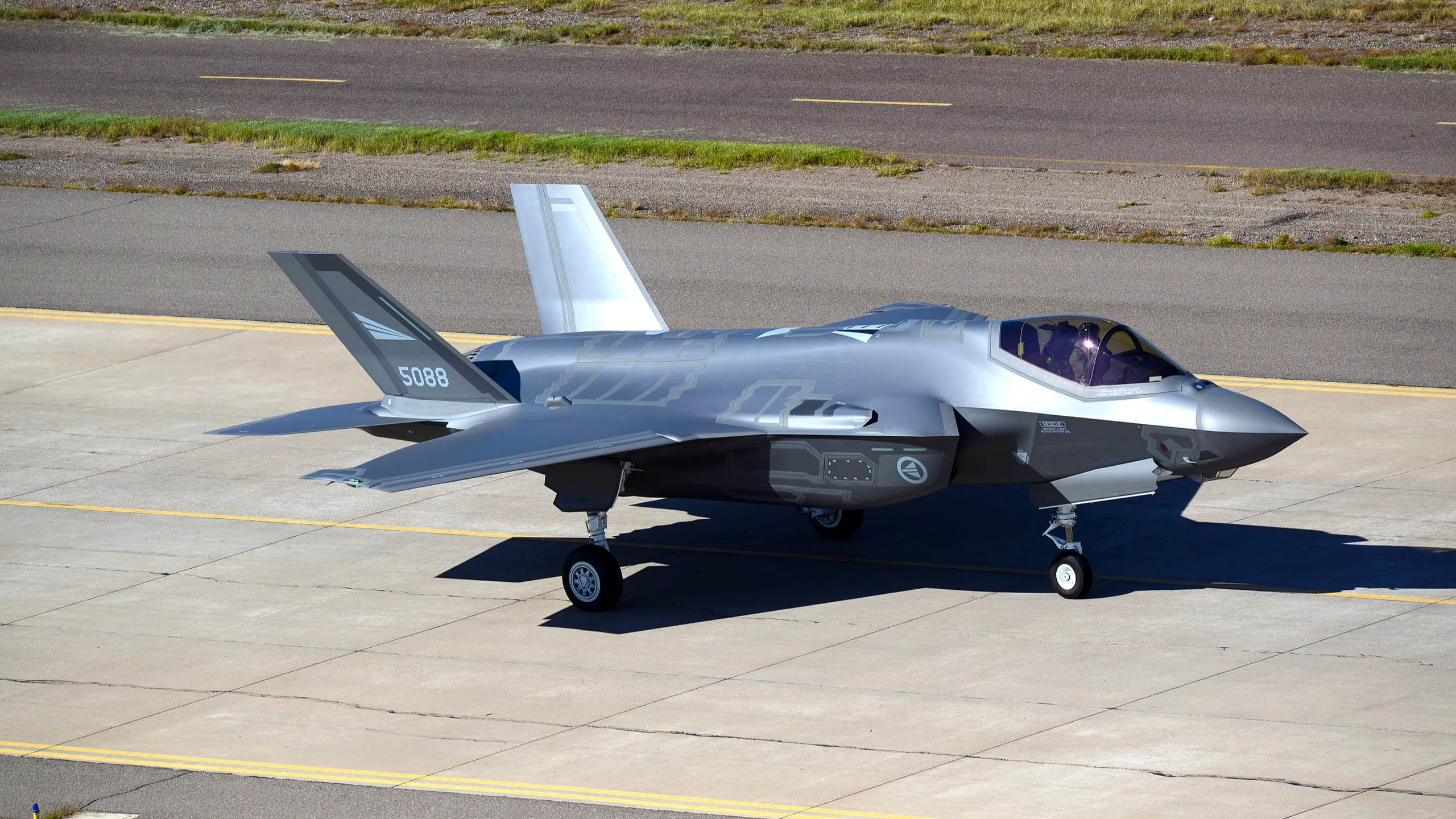
https://commons.wikimedia.org/wiki/File:Norwegian_F-35_Lightning_II.jpg
Production pushed to 2026
Pratt & Whitney’s F135 engine powers all three F-35 variants and generates up to 43,000 pounds of thrust.
No official reason was provided for the delay, raising questions among stakeholders. The lack of public context only adds to longstanding concerns surrounding the F-35 program’s procurement strategy, timeline reliability, and transparency.
While the aircraft continues to serve the U.S. Air Force, Navy, and Marine Corps—as well as 19 allied countries—the program remains under scrutiny for cost overruns and scheduling issues.
The delay affects operations at air bases like Hill Air Force Base (HIF), home to the 421st Fighter Squadron operating the F-35A.
Value of Common Airframe
A spokesperson of the Joint Program Office was quoted in the Air and Space Forces magazine as having said:
We plan to definitize Lot 18 and award the Lot 19 contract for engines in spring 2026
Earlier this year, the organization had anticipated a “handshake deal” on the production deal around the end of the year.
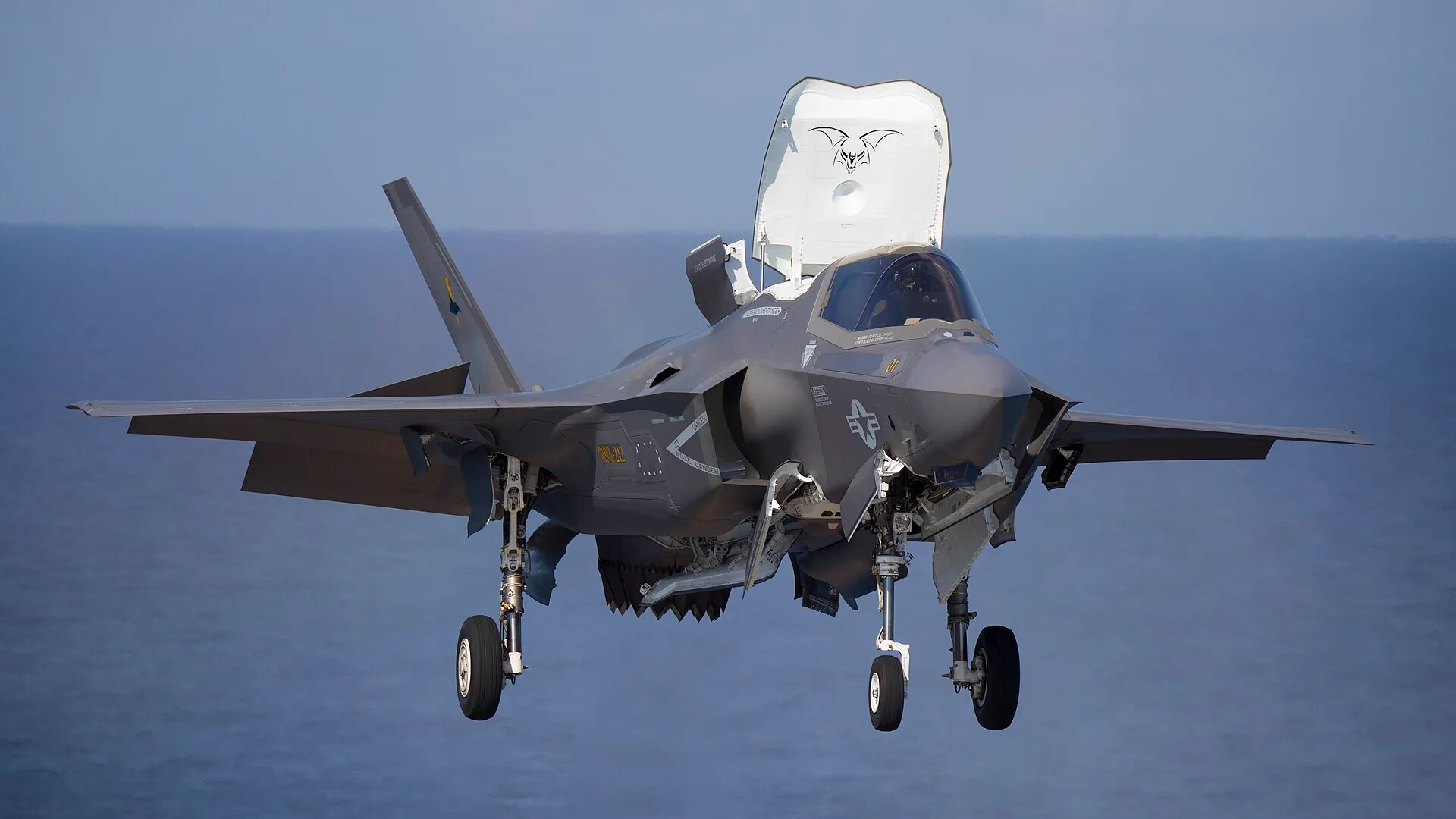
Though critics highlight budget inefficiencies and technical issues, the strategic benefits of operating a common fifth-generation fighter cannot be overlooked.
The shared platform enhances interoperability, simplifies logistics, and facilitates joint mission planning across the NATO alliance and beyond.
The F-35’s integration across various forces—combined with its stealth, data fusion, and networked warfare capabilities—provides a combat multiplier.
It allows U.S. and allied air forces to field a coordinated and technologically unified deterrent force, especially in contested regions like the Indo-Pacific.
While Russia’s Su-57 and China’s J-20 attempt to challenge U.S. air superiority, their numbers remain low and capabilities inconsistent.
In contrast, the growing F-35 fleet, supported by a network of partner nations, projects global deterrence and strengthens collective defense.
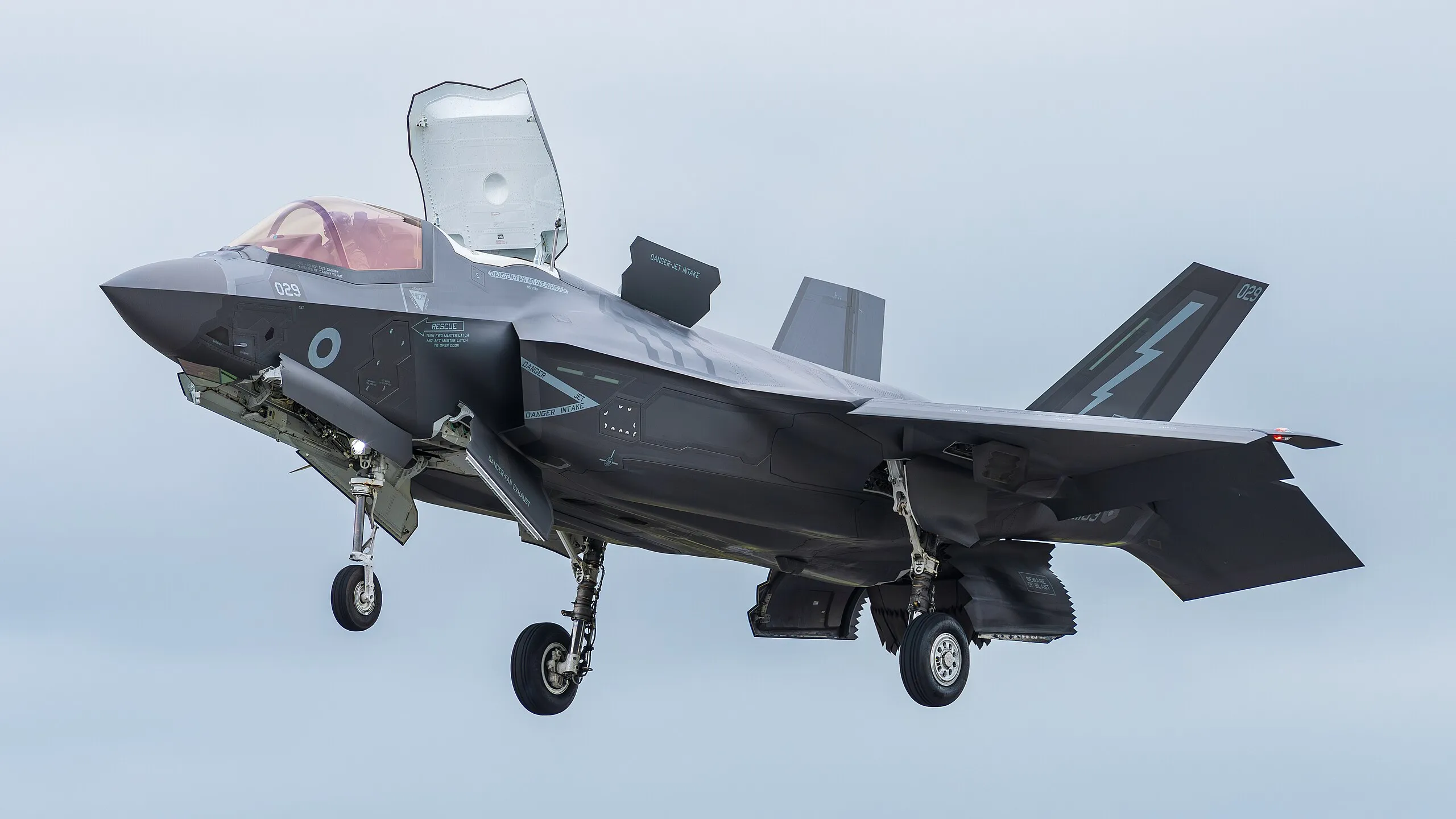
https://commons.wikimedia.org/wiki/File:RAF_Lockheed_Martin_F-35A_Lightning_II_ZM163_Royal_International_Air_Tattoo_2024_01.jpg
Bottom line
The delay in F135 engine production to spring 2026 is a clear reminder of the program’s complex procurement landscape.
While such disruptions raise concerns over execution and cost control, the aircraft continues to represent a cornerstone of U.S. and allied airpower strategy.
The real strength of the F-35 lies in its scale, interoperability, and role in shaping future air dominance.
Stay tuned with us. Further, follow us on social media for the latest updates.
Join us on Telegram Group for the Latest Aviation Updates. Subsequently, follow us on Google News
